
Choosing the right size kayak can feel like a daunting task, especially with so many options available. But getting this decision right is crucial for your comfort and performance on the water.
Are you wondering how to navigate this sea of choices? Fear not. This guide will break down everything you need to know about kayak sizes, helping you make the perfect choice for your adventures. Whether you’re a seasoned paddler or a curious beginner, understanding kayak sizing will enhance your experience and ensure every trip is enjoyable.
Imagine gliding smoothly across a serene lake or tackling a thrilling river, all because you chose the right kayak size. Intrigued? Read on to discover how the right kayak can transform your time on the water and make every outing unforgettable.
Choosing The Right Kayak Size
Choosing the right kayak size depends on your weight and the type of water you will explore. A shorter kayak offers better maneuverability, ideal for rivers. Longer kayaks provide stability and speed for open waters.
Choosing the right kayak size is crucial for your comfort, safety, and performance on the water. Whether you’re a beginner or an experienced paddler, understanding the factors that determine the ideal size can enhance your kayaking experience. Let’s dive into the essential considerations to find the perfect fit for you.Understanding Your Kayaking Needs
Before selecting a kayak size, think about how you plan to use it. Are you interested in leisurely paddling on calm lakes, or do you crave the thrill of white-water adventures? Your intended use will heavily influence the size you need. For example, touring kayaks are generally longer for speed and efficiency, while recreational kayaks are shorter for stability and easy maneuverability.Considering Your Body Size And Weight
A kayak should feel like an extension of your body. To achieve this, consider your height and weight. A taller person may require a longer kayak to comfortably fit their legs and maintain balance. Similarly, ensure the kayak’s weight capacity can safely support your weight along with any gear you might bring.Evaluating Storage And Transport Options
Think about where you will store your kayak and how you plan to transport it. If space is limited, a shorter kayak might be more practical. Additionally, consider the weight of the kayak, as a lighter model can be easier to load onto your vehicle and carry to the water.Testing Different Kayak Sizes
Whenever possible, try out different kayak sizes before making a purchase. Many outdoor stores and rental services offer demo days where you can test various models. Pay attention to how each size handles in the water and how comfortable you feel. This hands-on experience can be invaluable in making your decision.Seeking Expert Advice
Don’t hesitate to seek advice from experienced kayakers or staff at specialty stores. They can offer insights based on your specific needs and preferences. Have you ever considered joining a kayaking club? Members often share firsthand experiences that can guide you in choosing the right size. By carefully weighing these factors, you can select a kayak that enhances your time on the water. What other considerations might influence your choice?Factors Affecting Kayak Size
Choosing the right kayak size can be challenging. Several factors influence your decision. Understanding these factors can help you find the perfect fit.
Intended Use
Your kayak’s purpose affects its size. For calm lakes, shorter kayaks work well. They offer easy maneuverability. Longer kayaks suit open waters. They provide speed and stability. Fishing kayaks need more space. They often come with extra features.
Body Type And Comfort
Your body type impacts kayak size. Taller individuals need longer kayaks. This ensures leg comfort. Wider kayaks offer more stability. They suit larger paddlers. Comfort is key for longer trips. Consider seat adjustments and footrests. Test different sizes for the best fit.
Storage And Transport
Kayak size affects storage and transport. Smaller kayaks fit in tight spaces. They are easier to carry. Larger kayaks need roof racks or trailers. Check storage options at home. Ensure your vehicle can handle the kayak’s size.
Kayak Length Options
Choosing the right kayak size depends on your activity and body type. Shorter kayaks offer agility for tight spaces, while longer ones provide speed and stability on open waters. Consider storage space and transportation ease too.
Kayak length is crucial for a fulfilling paddling experience. The size impacts stability, speed, and handling. Different lengths suit various water conditions and skill levels. Choose wisely for the best adventure.Short Kayaks
Short kayaks measure under 10 feet. They offer excellent maneuverability. Ideal for narrow rivers and small lakes. Easy to transport and store. Great for beginners seeking stability. Perfect for those who enjoy quick turns.Medium Kayaks
Medium kayaks range from 10 to 12 feet. They balance speed and control. Suitable for recreational paddling on calm waters. Provide enough space for gear. Often favored by day-trippers. Offer a moderate pace with comfort.Long Kayaks
Long kayaks exceed 12 feet in length. Designed for speed and efficiency. Best for open water and long distances. They track straight with minimal effort. Good for experienced paddlers. Often chosen for touring and sea kayaking.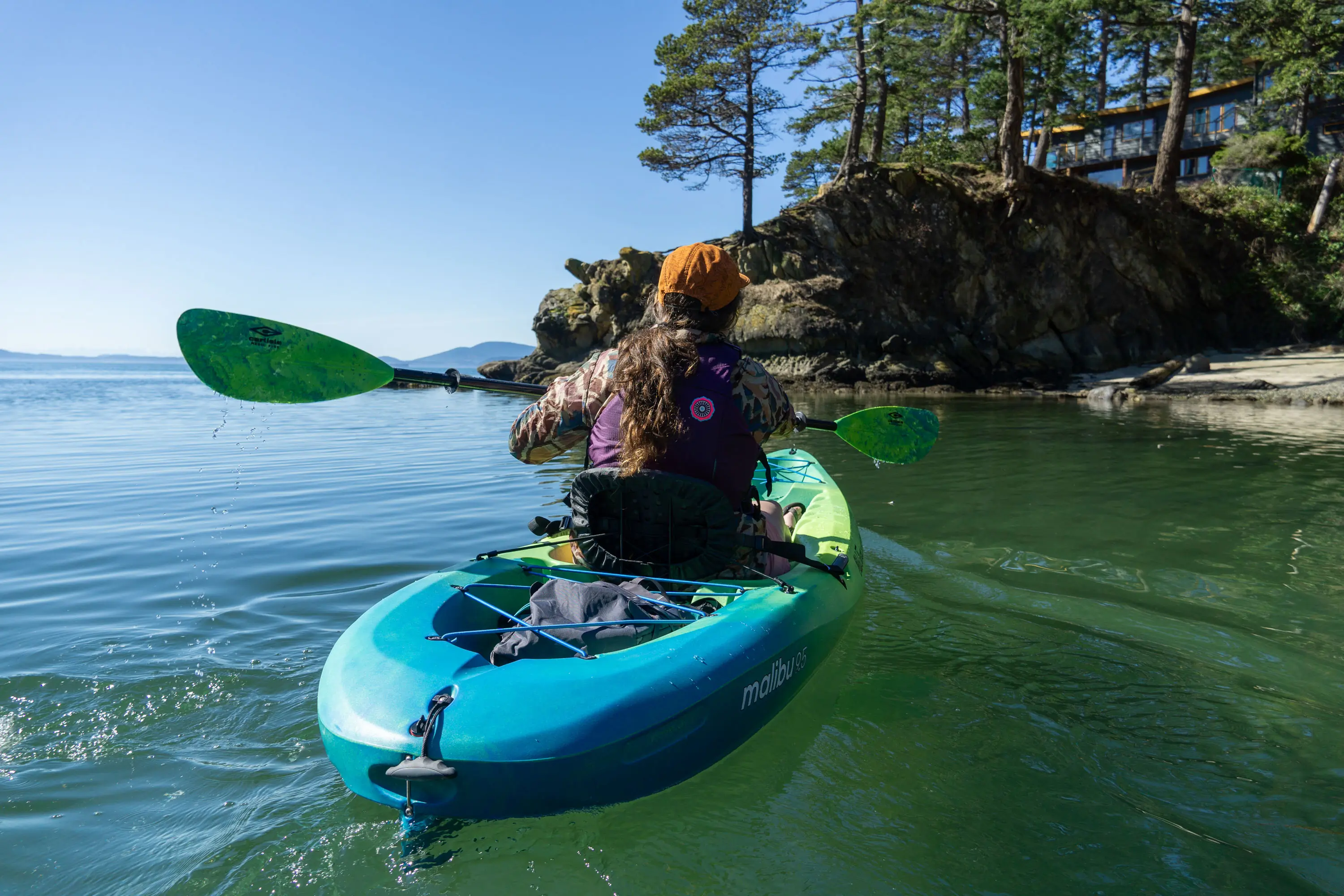
Credit: gearjunkie.com
Width And Stability Considerations
Choosing the right kayak size involves understanding width and stability. These factors impact performance and comfort. Whether paddling in calm waters or tackling waves, width plays a vital role.
Narrow Vs Wide Kayaks
Narrow kayaks offer speed and efficiency. Their slim design cuts through water smoothly. They are ideal for racing and long-distance paddling. Wide kayaks provide more stability. Their broad base helps balance. These are perfect for beginners or recreational activities.
Impact On Stability And Speed
Width affects stability. Wider kayaks are more stable. They reduce the risk of tipping over. Narrow kayaks are faster. Speed enthusiasts prefer them for their agility. Balancing stability and speed is key. Consider your experience and goals. Choose a kayak that meets your needs.
Weight Capacity And Load
Consider your weight and gear when choosing a kayak. Ensure the kayak’s weight capacity suits your needs for safe adventures.
Buying a kayak is an exciting venture, but choosing the right size involves more than just measuring the length. Weight capacity and load are crucial factors to consider. They determine not only the kayak’s ability to support you but also how much gear and supplies you can bring along for the ride. Imagine being out on the water, ready for adventure, only to realize your kayak is struggling with the load. This can turn an exhilarating journey into a nerve-racking experience. So, how do you ensure your kayak can handle both you and your gear comfortably?Assessing Gear Needs
Consider what you plan to bring with you on your kayaking trips. Will you be packing light, or do you envision long expeditions with camping gear? A kayak’s weight capacity should accommodate your body weight plus the additional load. Make a list of essentials and weigh them to get a realistic idea of your gear needs. Adventure seekers often underestimate the importance of gear weight. You may think you’ll only need a few items, but over time, gear accumulates. Being mindful of this early on prevents unwelcome surprises later. Remember, it’s not just about storage space; it’s about weight management.Balancing Weight And Performance
Finding a kayak that balances weight capacity with performance is key. A kayak with a high weight capacity might be less agile, affecting speed and maneuverability. Conversely, a lighter kayak with a lower weight capacity might offer better handling but limit your gear options. Reflect on your kayaking style. Are you more into leisurely paddling or chasing thrills? If you prioritize speed and handling, opt for a kayak that offers a compromise between load capacity and performance. A heavy-loaded kayak might be stable, but it can slow you down. Consider testing different models to feel how each handles under various loads. This firsthand experience can be eye-opening and ensure you make a choice that aligns with your kayaking goals.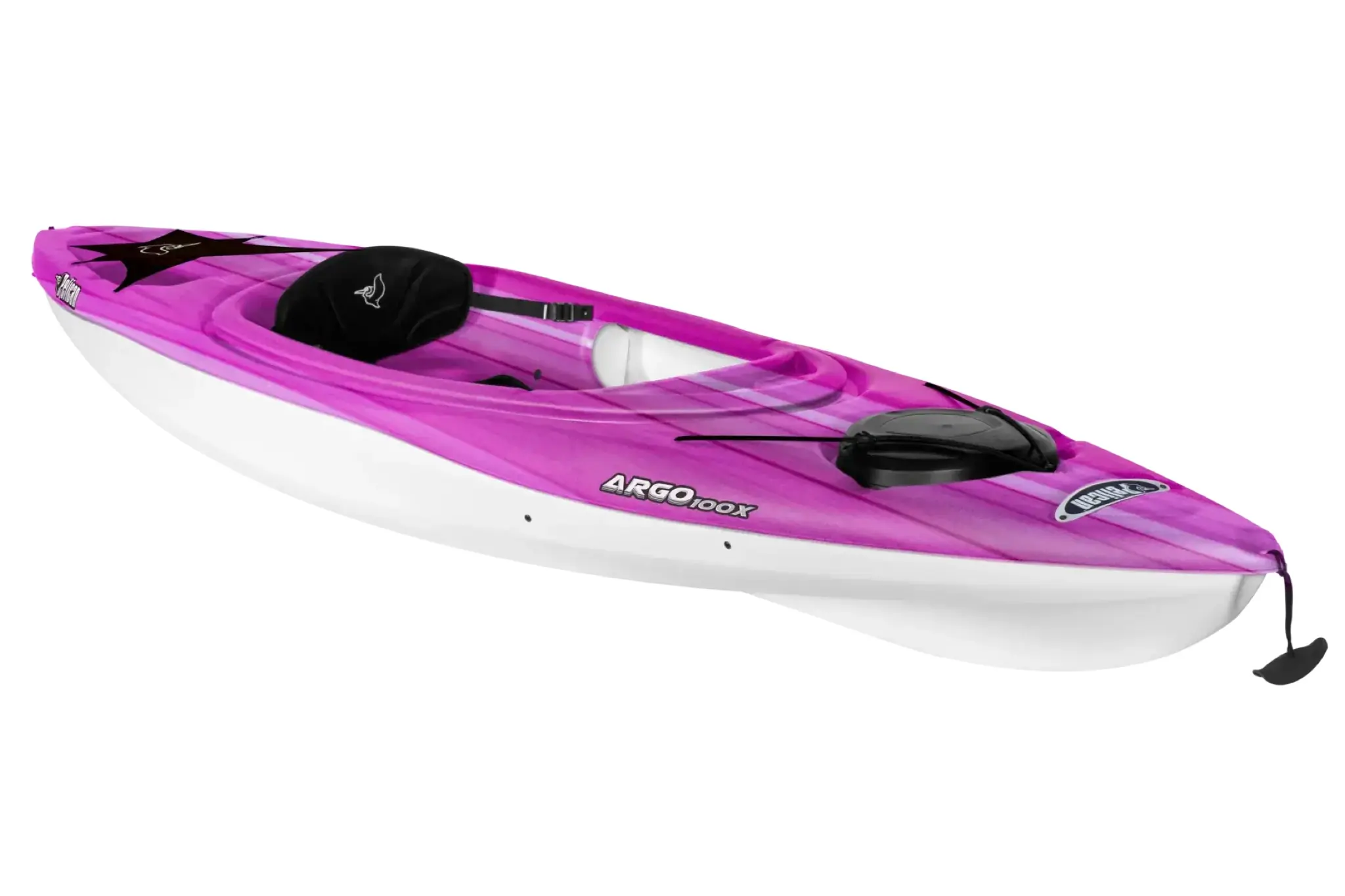
Credit: gearjunkie.com
Expert Recommendations
Choosing the right kayak size can make or break your paddling experience. Expert recommendations can help you navigate the confusing world of kayak dimensions. Whether you’re a beginner or a seasoned kayaker, understanding what professionals advise can save you time, money, and effort.
Guidance From Professional Kayakers
Seasoned kayakers often recommend starting with your intended use. Are you planning leisurely river paddles or adventurous sea expeditions? A longer kayak offers better tracking and speed for open waters, while shorter ones provide more maneuverability in tight spaces.
Consider your physical size and strength as well. A kayak that complements your body type ensures comfort during long hours on the water. If you’re tall, a wider cockpit can offer more legroom, while lighter kayaks are easier to manage for smaller paddlers.
Professionals also stress the importance of testing before buying. Renting or borrowing different sizes can give you a feel for what suits your style. How does it handle waves? Is it stable enough for your skill level? These questions are crucial when narrowing down your choices.
Common Mistakes To Avoid
One mistake many make is focusing solely on price. A cheaper kayak might seem appealing, but investing in the right size pays off in the long run. Quality and fit should be your priority.
Avoid ignoring weight capacity. Overloading your kayak can lead to stability issues and even accidents. Always check the manufacturer’s specifications to ensure it can handle your weight along with any gear.
Another pitfall is neglecting storage space. A kayak that’s too large might not fit in your garage or car. Measure carefully to avoid any logistical headaches after your purchase.
Lastly, don’t rush the decision-making process. Take your time to research, test, and consult with experienced kayakers. What feels right in the store might not work on the water.
Testing Before Buying
Choosing the right kayak can be a daunting task, especially with the myriad of options available. Before making a purchase, testing a kayak can be the key to ensuring it meets your needs. From checking for comfort to understanding how it handles on the water, firsthand experience is invaluable. How can you ensure you’re making the right choice? Let’s dive into some practical ways you can test a kayak before buying.
Demo Days And Rentals
Many kayak shops offer demo days, allowing you to test different models on the water. This is an excellent opportunity to feel the difference between various sizes and styles. You get to experience how each kayak maneuvers, its stability, and how easy it is to paddle.
Renting a kayak is another viable option. Many rental services provide a range of kayaks for you to try. Spending a day on the water with a rental can provide insights into the kayak’s performance over time. It’s a low-commitment way to explore options before making a purchase.
Evaluating Comfort And Fit
Comfort is crucial for a pleasant kayaking experience. When testing, pay attention to how well the seat supports your back. Ensure there’s enough legroom for your height. A kayak that fits well will improve your paddling efficiency and reduce fatigue.
Consider the cockpit size as well. It should be roomy enough for easy entry and exit. If you feel cramped, it might not be the right fit for long excursions. Always test the kayak with the gear you plan to bring along to confirm everything fits comfortably.
Trying before buying empowers you to make informed decisions. Have you thought about how much comfort and fit can impact your kayaking adventures? Testing gives you the confidence to choose a kayak that suits your lifestyle and goals.

Credit: www.baysports.com.au
Frequently Asked Questions
What Size Kayak Do I Need For My Height?
Choose a kayak size based on your height and paddling style. For heights under 5’5″, a kayak under 10 feet is ideal. For heights between 5’6″ and 6’2″, opt for a kayak between 10-12 feet. Taller paddlers over 6’3″ should consider kayaks over 12 feet.
Is An 8 Foot Or 10 Foot Kayak Better?
Choose a kayak based on your needs. 8-foot kayaks are more maneuverable and better for small spaces. 10-foot kayaks offer more stability and storage, ideal for longer trips and larger bodies of water. Consider your skill level and intended use to decide which size suits you best.
Is A 13 Foot Kayak Too Big?
A 13-foot kayak suits various activities, offering stability and speed. Ideal for touring, fishing, and long paddles, it handles well in diverse water conditions. Consider your storage and transportation options before purchasing. Larger kayaks might be challenging for small spaces or vehicles.
Evaluate your needs and space constraints.
Is An 8 Foot Kayak Good For A 6 Foot Adult?
An 8-foot kayak can work for a 6-foot adult, but comfort may vary. It’s best for calm waters. Consider longer kayaks for better stability and speed.
Conclusion
Choosing the right kayak size impacts your paddling experience. A bigger kayak offers stability and storage. Smaller ones provide agility and speed. Think about where you’ll paddle most. Calm lakes or wild rivers? Consider your skill level too. Beginners may prefer more stability.
Experienced paddlers might enjoy maneuverability. Also, don’t forget to check weight capacity. Ensure it suits your needs. Test different sizes if possible. Feel the balance and control. Remember, the right size enhances your adventure on water. Make a thoughtful choice, and enjoy kayaking’s wonders.
Your perfect kayak awaits exploration. Happy paddling!