Transporting a kayak without a roof rack might sound like a daunting task, but it’s more manageable than you might think. Picture this: the sun is shining, the water is calling, and your kayak is ready for adventure.
But there’s a small hiccup—no roof rack. Don’t let this minor detail stand between you and the tranquility of the open water. You’re about to discover clever, straightforward methods that make transporting your kayak a breeze. You don’t need to spend a fortune on new equipment or stress over complicated solutions.
In this guide, you’ll learn how to securely transport your kayak using everyday items, ensuring you can focus on what truly matters: enjoying your time on the water. Curious to see how simple it can be? Let’s dive in and get you ready for your next paddling adventure.
Soft Roof Pads
Soft roof pads provide a simple solution for transporting a kayak without a roof rack. These pads secure the kayak on your car roof safely. They’re easy to install and help protect your vehicle’s paint.
Transporting a kayak without a roof rack might seem challenging, but with the right tools, it becomes surprisingly simple. Soft roof pads are a fantastic alternative, offering an easy and affordable solution. They provide a cushion between your vehicle and the kayak, preventing scratches and ensuring a snug fit. Plus, they’re lightweight and easy to store, making them perfect for spontaneous adventures.Benefits Of Soft Pads
Soft pads are a budget-friendly option that doesn’t compromise on quality. They are designed to fit most vehicles, eliminating the need for a permanent roof rack. This flexibility allows you to use them only when needed, freeing up your car roof for other uses. Their soft material protects both your vehicle and kayak from damage. Unlike hard racks, soft pads absorb shocks and vibrations during transit, ensuring your kayak arrives safely at your destination. This feature is especially useful on bumpy roads or longer journeys. Additionally, soft pads are incredibly easy to install. You won’t need any special tools or expertise, making them accessible for everyone, from beginners to seasoned kayakers.Installation Tips
Setting up soft roof pads is straightforward, but a few tips can enhance their effectiveness. Start by cleaning the roof of your car to remove any dirt or debris. This step ensures a better grip and prevents scratches. Place the soft pads evenly on your car roof, aligning them with the kayak’s length. Make sure they are secure before placing the kayak on top. A common mistake is to space them too far apart, which can lead to instability. Once the kayak is on the pads, use sturdy straps to secure it. Loop the straps through your car doors or windows, and tighten them to ensure the kayak doesn’t shift during transit. Double-check everything before you hit the road. A quick tug on the straps can help confirm that everything is in place. Have you ever tried transporting a kayak with soft pads? If so, what was your experience? Share your thoughts and let’s help each other make the most of our kayaking adventures!
Credit: www.ridgelineownersclub.com
Foam Blocks
Foam blocks provide a simple solution for transporting a kayak without a roof rack. They are lightweight, easy to use, and fit snugly on most car roofs, ensuring safe and secure transport.
Transporting a kayak without a roof rack might seem challenging, but foam blocks offer a simple and effective solution. These blocks act as a cushion between the kayak and your car’s roof, preventing damage and ensuring stability during transport. They are lightweight, affordable, and easy to use, making them a popular choice for many kayaking enthusiasts.Choosing The Right Foam Blocks
Selecting the right foam blocks is crucial for the safe transportation of your kayak. Look for durable, high-density foam that can withstand the weight and pressure of your kayak. Check if the blocks have a non-slip surface to prevent any shifting during the drive. Consider the size and shape of the blocks. They should fit snugly on your vehicle’s roof and align well with the contours of your kayak. Some blocks are designed specifically for certain kayak shapes, so ensure compatibility for a secure fit.Securing The Kayak
Once you have your foam blocks in place, the next step is securing the kayak. Position the kayak evenly on the foam blocks, ensuring it is centered and balanced. This will help maintain stability during transit. Use strong, adjustable straps to fasten the kayak to your car. Loop the straps through the car doors or windows, not just the roof, for added security. Tighten the straps enough to hold the kayak firmly, but avoid over-tightening to prevent damage to both the kayak and your vehicle. Before hitting the road, give the kayak a gentle shake to check for any movement. If it feels loose, readjust the straps until the kayak is firmly secured. This simple precaution can save you from potential mishaps and ensure your kayaking adventure starts smoothly.Pool Noodles
Pool noodles can be used to transport a kayak without a roof rack. Cut and place them on the car roof to protect the kayak and car. Secure the kayak with straps through the windows, ensuring it stays in place while driving.
Transporting a kayak without a roof rack can be challenging. Pool noodles offer a simple solution. They are affordable, versatile, and easy to use. Pool noodles provide the padding needed to protect your car and kayak. This method is great for short trips or occasional transportation. Using pool noodles keeps your kayak secure and minimizes damage. Let’s explore how to use pool noodles effectively.Using Pool Noodles As Padding
Pool noodles act as soft cushions between the kayak and your car. They prevent scratches and dents. Choose pool noodles with a hole in the center. This allows you to thread rope or straps through them. The noodles should be long enough to span the width of your car. Cut them to fit if needed. Place the noodles where the kayak will rest. Make sure they are evenly spaced for balance.Step-by-step Guide
Follow these steps to transport your kayak with pool noodles:- Place two or three pool noodles on the car roof.
- Position them parallel to each other for even support.
- Thread strong rope or straps through the noodle holes.
- Lift the kayak onto the pool noodles carefully.
- Ensure the kayak is centered and balanced.
- Secure the kayak with the ropes or straps.
- Tighten the straps to keep the kayak in place.
- Check the kayak stability before driving.

Credit: www.facebook.com
Inflatable Roof Racks
Transport a kayak easily using inflatable roof racks. These portable, lightweight racks fit most cars, providing a secure hold. Inflate quickly and strap on without any tools for effortless transport.
Transporting a kayak without a roof rack seems challenging. Yet, inflatable roof racks offer a smart solution. They’re designed for those without permanent roof racks. These racks are easy to use and store. They fit almost any car, making them versatile. Inflatable roof racks can be a convenient option for kayak transportation.How Inflatable Racks Work
Inflatable roof racks have tubes filled with air. You place them on the car roof. Secure them with straps through the car doors. The air-filled tubes cushion and grip the kayak. This prevents scratches on the car. They distribute weight evenly. This keeps the kayak stable during transport.Pros And Cons
- Pros:Easy to install and remove. No tools needed.
- Lightweight and portable. Store them in the trunk.
- Fits most car models. No permanent modification required.
- Cost-effective compared to permanent racks.
- Cons:Less durable than permanent racks. Not for heavy kayaks.
- May require re-inflation over time. Ensure proper air pressure.
- Not as secure as fixed racks. Use caution at high speeds.
Truck Bed Solutions
Transporting a kayak without a roof rack is simple with a truck bed solution. Secure the kayak using sturdy straps and padding to prevent scratches. Ensure the kayak doesn’t extend beyond the truck bed to avoid potential hazards on the road.
Transporting a kayak without a roof rack might seem like a puzzle, but your truck bed offers an effective solution. This method is particularly convenient for those who own a pickup truck and want to avoid investing in additional equipment. By utilizing your truck bed, you can securely transport your kayak with minimal hassle. Plus, it leaves more room for your adventure gear! Let’s delve into how this can be done safely and efficiently.Utilizing A Truck Bed
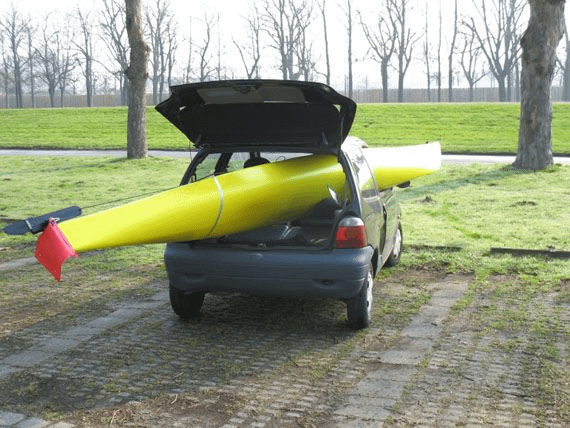
The truck bed is a versatile space that can accommodate your kayak with ease. Simply position the kayak diagonally or straight inside the bed, depending on its length. Make sure the bow or stern rests securely against the bed wall. Use a bed extender if the kayak is longer than the truck bed, ensuring it doesn’t protrude too far. Strap it down securely with tie-downs or ratchet straps. Keep tension on the straps to prevent the kayak from shifting during transit. This method allows you to transport your kayak without modifying your vehicle or purchasing additional equipment.Safety Considerations
Safety is paramount when transporting a kayak in your truck bed. Ensure the kayak is tightly secured to prevent it from moving around or flying out. Cross-check the straps for wear and tear before each trip. Consider using red flags or reflectors at the kayak’s end if it extends beyond the truck bed. This alerts other drivers to your load and helps prevent accidents. Always check local regulations about transporting long items to avoid fines or penalties. When you transport a kayak in your truck bed, you turn your vehicle into a reliable partner for adventure. Have you considered how this simple method could transform your kayaking trips?Trailer Options
Transporting a kayak without a roof rack can be achieved using a trailer. Trailers provide a secure, convenient option for hauling kayaks safely. They eliminate the need for roof mounting, simplifying the process for enthusiasts.
Transporting a kayak without a roof rack can be a challenge. Trailer options offer a practical solution for this problem. Trailers provide a safe way to move your kayak from place to place. They are easy to attach and can be pulled by most vehicles. This method also frees up space inside your car. Let’s explore the different types and how to attach your kayak properly.Types Of Kayak Trailers
Kayak trailers come in various designs. Single kayak trailers are ideal for personal trips. They are compact and lightweight. They can be easily stored when not in use. Double kayak trailers carry two kayaks at once. Perfect for family outings or trips with friends. Multi-kayak trailers hold several kayaks. Best for group adventures or tours. Each type serves a different need.Attaching Your Kayak
Attaching your kayak to the trailer requires care. First, place the kayak on the trailer cradle. Ensure it is centered for balance. Use straps to secure the kayak tightly. This prevents movement during transport. Check that the straps are not too tight. Too much pressure can damage the kayak. Make sure the kayak is stable before moving. Safety is important.Inside Vehicle Transport
Transporting a kayak without a roof rack can be done with inflatable racks or foam blocks. Secure the kayak with sturdy straps, ensuring it is tightly fastened to avoid movement. This method is a cost-effective and convenient alternative for vehicle owners without permanent roof racks.
Transporting a kayak inside your vehicle is practical and convenient. It eliminates the need for a roof rack, saving you money and time. This method requires careful planning and execution.Space Management Tips
Organize your car interior efficiently. Fold down seats to create more room. Measure your kayak and check your vehicle’s dimensions. Place the kayak diagonally for optimal fit. Remove unnecessary items from your vehicle. Keep essentials in a small bag. This ensures maximum space utilization.Protecting Your Car Interior
Use padding to protect your car surfaces. Blankets or towels work well. Place padding on seats and doors. This prevents scratches and dents. Secure the kayak with straps or ropes. Make sure it doesn’t shift while driving. Protect glass areas with additional padding. This ensures safe transport and prevents damage.Using Towels And Straps
Using towels and straps can help secure a kayak for transport without a roof rack. Place towels to protect the car’s surface, then use sturdy straps to fasten the kayak securely.
Transporting a kayak without a roof rack is achievable with the right technique. Using towels and straps is a simple and effective method. This approach requires minimal equipment. You can secure the kayak safely on your vehicle. Let’s explore how towels and straps can help.Simple Towel Method
Place towels on the roof of your car. These towels protect your car from scratches. They also provide a cushion for the kayak. Fold the towels for extra padding. Position them where the kayak will rest. Ensure they cover the entire contact area. This helps in distributing weight evenly.Choosing The Right Straps
Select strong and durable straps for securing the kayak. Cam buckle straps are a great choice. They are easy to use and adjust. Avoid using ropes as they can slip. Check the length of the straps. They should be long enough to wrap the kayak. Secure the kayak by looping the straps over it. Tighten them to hold the kayak firmly in place. Make sure they are not too tight to avoid damage.Local Transport Services
Strap the kayak securely to your vehicle with strong tie-downs. Use foam blocks or pool noodles to protect your car’s roof. Secure the kayak’s bow and stern with additional straps to prevent movement while driving.
Transporting a kayak without a roof rack might seem daunting, but local transport services can offer a practical solution. These services are designed to cater to various transportation needs, including the safe conveyance of bulky outdoor equipment like kayaks. Instead of struggling with complex DIY solutions, you can opt for the convenience of professional help, ensuring your kayak arrives at your destination safely and hassle-free.Finding Kayak Transport Services
When searching for local transport services, start by checking online directories and reviews. Websites like Yelp or Google Maps can provide insights into reliable services nearby. Don’t hesitate to ask fellow kayakers for recommendations; sometimes the best advice comes from personal experience. You might be surprised to learn that some general transport companies offer specialized services for kayaks.Cost And Convenience
Cost is a significant factor when choosing a transport service. Make sure to compare rates from different providers to ensure you’re getting a fair deal. Consider the convenience offered by these services. Are they flexible with pick-up and drop-off locations? Think about how much time and effort you save by avoiding a DIY transport method, which can be invaluable. Utilizing local transport services can be a smart move, especially if you’re planning a trip or don’t have the equipment to carry your kayak. Have you ever considered how much easier your next adventure could be with a little help?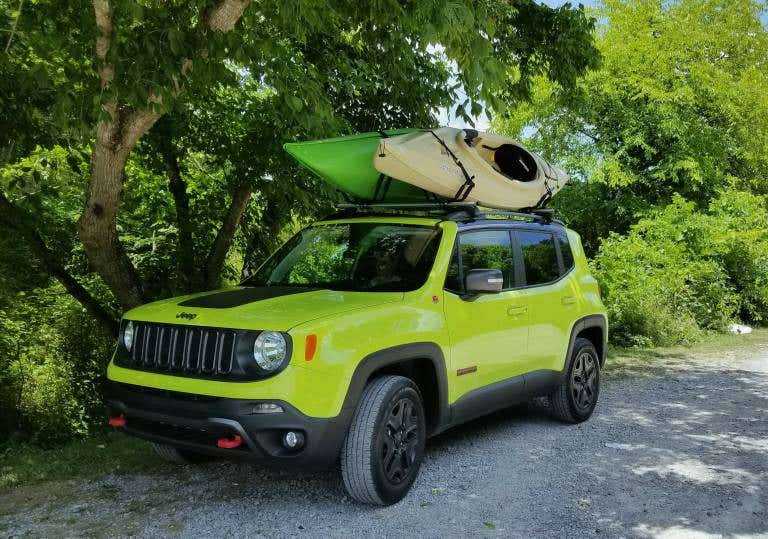
Credit: www.jeeprenegadeforum.com
Kayak Storage Solutions
Transport a kayak easily without a roof rack by using a foam block system. Secure your kayak with straps and ensure stability during travel. Another option is to use a kayak trailer for effortless transportation.
Transporting a kayak without a roof rack can be challenging, yet the real test often begins once you’ve reached your destination. Finding the right kayak storage solutions is crucial to ensure the longevity and condition of your vessel. Whether you’re dealing with temporary setups or planning for long-term storage, having a clear strategy can make all the difference. Let’s dive into how you can manage your kayak storage efficiently.Temporary Storage Options
When you’re away from home, quick and temporary storage solutions are a necessity. Inflatable stands or portable kayak stands can be lifesavers. They are lightweight and easy to set up, making them perfect for short-term storage during weekend trips or camping. If you’re near a body of water and want to keep your kayak secure, consider using a lockable strap. This can deter theft and keep your kayak safely tethered. Additionally, utilizing a simple tarp can protect your kayak from harsh weather conditions, keeping it dry and clean.Considerations For Long-term Storage
Long-term storage requires a bit more planning to prevent damage over time. Storing your kayak indoors is ideal. Garages, sheds, or even large basements can provide the protection your kayak needs from the elements. If indoor space is limited, consider investing in a kayak cover and rack system. Wall-mounted racks or ceiling hoists can maximize your storage space while keeping your kayak off the ground. It’s essential to ensure your kayak is stored away from direct sunlight and extreme temperatures, which can degrade materials over time. Are you considering storing your kayak vertically? It’s a great space-saving option, but make sure to pad the floor to avoid damaging the hull. Remember, the way you store your kayak can significantly impact its lifespan. What storage solution best fits your current needs and lifestyle?Frequently Asked Questions
How Do You Haul A Kayak Without A Roof Rack?
Use foam blocks or pool noodles for cushioning. Secure with ratchet straps through car windows. Tie down kayak ends to bumpers.
What Is The Easiest Way To Transport A Kayak On A Car?
Use a roof rack designed for kayaks. Secure the kayak with straps. Ensure it’s balanced and tightly fastened. Opt for foam blocks for added stability. Check all connections before driving.
Do You Need A Roof Rack For A Kayak?
A roof rack is essential for transporting a kayak safely on your vehicle. It provides stability and secures the kayak during travel. Ensure the rack is compatible with your vehicle and kayak size. Proper installation prevents damage and ensures a safe journey for both the kayak and your car.
How Far Can A Kayak Stick Out Of A Car?
Kayaks can stick out up to 3 feet beyond the rear bumper of a car. Secure it properly to prevent accidents. Check local regulations as they may vary by region. Use flags or lights for visibility if extending beyond the vehicle.
Safety should always be the priority.
Conclusion
Transporting a kayak without a roof rack is doable. Use foam blocks or pool noodles. Strap them securely to your car. Always check local traffic laws first. Safety is crucial, so double-check everything. Avoid highways if possible. Keep your kayak stable and balanced.
Plan your route for easy travel. Practice loading and unloading. This makes the process smoother. You don’t need fancy equipment. Just a few tools and some patience. Enjoy your kayaking adventures. Stay safe on the road. Happy paddling!