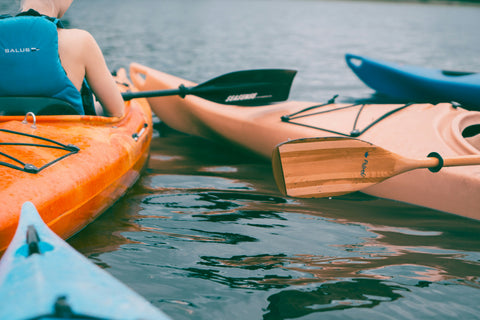
Are you ready to paddle into the serene beauty of nature? Planning a kayak trip can be thrilling, but knowing what to pack is essential for a smooth and enjoyable experience.
Imagine gliding through calm waters, surrounded by stunning landscapes, with everything you need right at your fingertips. Sounds perfect, right? But forgetting even one crucial item can turn your dream adventure into a hassle. In this guide, you’ll discover exactly what to bring to ensure your kayak trip is not only safe but unforgettable.
Let’s dive into the essentials that will keep you prepared, comfortable, and eager to explore more.

Credit: hub.jacksonkayak.com
Choosing The Right Kayak
Choosing the Right Kayak Pack essentials like a life jacket, paddle, and water bottle for your kayak trip. Don’t forget sunscreen and a map. Always bring a waterproof bag for valuables.
Choosing the right kayak is crucial for a successful kayak trip. The kayak you choose affects your comfort, safety, and enjoyment on the water. Consider several factors before making your decision. These include the type, size, and weight of the kayak. Let’s explore these aspects to help you find your ideal kayak.Types Of Kayaks
Different kayaks serve different purposes. Knowing the types can help you make an informed choice.- Recreational Kayaks:These are perfect for beginners. They are stable and easy to handle.
- Touring Kayaks:Designed for longer trips. They offer speed and storage space.
- Inflatable Kayaks:Convenient and portable. Ideal for those with limited storage space.
- Fishing Kayaks:Equipped with features for anglers. They have rod holders and storage for tackle.
Kayak Size And Weight
Size and weight impact the kayak’s performance. A larger kayak offers more stability. But it may be harder to maneuver. Smaller kayaks are nimble but less stable. Consider your body size and strength. Can you lift and transport the kayak easily? Additionally, think about storage space. A kayak that fits your gear is essential for comfort. Always balance size and weight with your personal needs. This ensures a pleasant and hassle-free kayaking experience.
Credit: sea-quest-kayak.com
Safety Essentials
Embarking on a kayak trip is an exhilarating adventure, but ensuring your safety is paramount. Before you paddle away, it’s crucial to pack a few essential items that can make a significant difference in case of unexpected situations. Here’s a breakdown of the must-have safety essentials for your kayaking journey.
Life Jacket
A life jacket is more than just a floatation device; it’s your lifeline in water. Choose one that fits comfortably and provides ample buoyancy. The right life jacket is snug yet allows freedom of movement. Have you ever experienced the sudden chill of capsizing? In those moments, a life jacket becomes your best friend, keeping you afloat and secure.
Whistle And Safety Flag
Communication tools like a whistle and safety flag are vital for signaling distress or alerting others to your presence. A whistle is lightweight and can pierce through the noise of rushing water, ensuring you’re heard when vocal calls might fail. The safety flag is your visual beacon, especially in busy waters or when visibility is compromised. Imagine spotting a fellow kayaker’s flag in the distance; it provides immediate reassurance of safety.
First Aid Kit
A compact first aid kit is your go-to for handling minor injuries. Stock it with bandages, antiseptic wipes, and pain relievers. While the thrill of kayaking might distract you, a small cut or scrape can become problematic without proper care. Have you ever been miles away from the shore and felt the sting of a mosquito bite? A well-prepared first aid kit is your safeguard against discomfort.
Paddling Gear
Embarking on a kayak trip is an exhilarating experience, but having the right paddling gear can make all the difference between a smooth adventure and a challenging one. As you prepare for your journey on the water, it’s essential to consider the gear that will enhance your paddling performance and ensure safety. Let’s dive into the essential components of paddling gear, focusing on paddle selection and the importance of carrying a spare paddle.
Paddle Selection
Choosing the right paddle is crucial for comfort and efficiency. Your paddle is not just a tool; it’s your companion on the water. Opt for a paddle that suits your height and paddling style. Think about the material—carbon fiber paddles are lightweight and strong, but they come at a higher cost. Aluminum paddles are budget-friendly but heavier.
Consider the blade shape. A wider blade offers more power, perfect for short bursts of speed, while a narrow blade is ideal for longer paddling sessions. Adjustability is another factor. A paddle with an adjustable shaft can accommodate different paddling techniques and conditions. Trying out different paddles can help you find the one that feels just right.
Spare Paddle
Imagine you’re gliding through a serene lake, and suddenly, your paddle snaps. A spare paddle can be a lifesaver in such situations. Carrying an extra paddle is not just about being prepared; it’s about ensuring your adventure continues without unnecessary interruptions.
Store your spare paddle in an accessible location on your kayak. Ensure it’s secured but easy to reach in case of an emergency. You might never need it, but having it provides peace of mind. A collapsible paddle can be a convenient choice due to its compact nature. Remember, on the water, it’s always better to be over-prepared than underprepared.
What’s your paddle story? Have you ever faced a paddle mishap that taught you the value of a spare? Share your experiences and insights. Your story might just inspire someone else to pack wisely for their next adventure.
Navigation Tools
Reliable navigation tools like a waterproof map or a GPS device ensure you stay on course during a kayak trip. A compass is also essential for checking directions when exploring new waters.
Navigating the open waters on a kayak is an exhilarating experience. Proper navigation tools ensure you stay on track and safe. Here’s what you need:Map And Compass
A map and compass are essential for any kayak trip. The map shows your route and potential hazards. A waterproof map is best for aquatic adventures. The compass helps you orient the map correctly. Knowing how to use these tools is crucial. Practice before your trip to boost confidence.Gps Device
A GPS device offers precise navigation. It pinpoints your location and helps plan your route. Choose a waterproof GPS for reliability on water. Some devices can track your speed and distance. This helps monitor your progress. Battery life is vital, so check it before heading out.Clothing And Footwear
Preparing for a kayak trip involves more than just grabbing a paddle. Choosing the right clothing and footwear is crucial. Proper attire ensures comfort and safety on the water. It keeps you dry and protected from the elements. This guide will help you pick the best options for your adventure.
Weather-appropriate Clothing
The weather dictates your clothing choice on a kayak trip. In warm weather, wear lightweight, breathable fabrics. Quick-drying shirts and shorts work well. For colder days, layer up. Wear thermal tops and water-resistant jackets. Layers help you adjust to changing temperatures. Always check the weather forecast before you go.
Waterproof Footwear
Wet feet can ruin your day. Choose waterproof footwear for kayaking. Neoprene boots offer warmth and flexibility. They keep your feet dry and comfortable. Water shoes with sturdy soles provide grip on slippery surfaces. Avoid flip-flops and open sandals. They can slip off easily and offer little protection. Secure, waterproof shoes are the best choice.
Food And Hydration
Packing the right food and drinks for a kayak trip ensures energy and hydration. Consider lightweight snacks and water bottles for easy access. Nutritious bars, fruits, and plenty of water help maintain stamina and enjoyment during your adventure.
Food and Hydration Embarking on a kayak trip means planning your meals and hydration with care. An adventure on water demands energy and staying hydrated is crucial. Forgetting your food or water can quickly turn a fun day into a challenging ordeal. Here’s how to make sure you’re well-prepared.Water Bottles
Staying hydrated on your kayak trip is essential. Always pack more water than you think you’ll need. Consider using a hydration pack or multiple water bottles. Opt for reusable bottles to reduce waste and keep your drinks cool. On a hot day, I once underestimated my water needs and found myself parched halfway through my journey. That extra bottle I packed as a “just in case” was a lifesaver.Packable Snacks
Quick energy boosts are vital when you’re paddling against the current. Choose snacks that are easy to pack and won’t spoil quickly. Think granola bars, trail mix, or dried fruits. They’re lightweight and provide instant energy. Once, I discovered the joy of peanut butter packets—compact and perfect for a quick protein hit. What snacks do you rely on to keep you going? Packing smartly ensures you enjoy every moment on the water without worrying about hunger or thirst.Camping Equipment
Planning a kayak trip? Pack essentials like a waterproof bag, life jacket, and a lightweight tent. Don’t forget a portable stove and first aid kit for a safe and enjoyable adventure.
Camping on a kayak trip brings you closer to nature. It’s important to pack right. The right camping gear keeps you comfortable and safe. Think about where you’ll camp and the weather. Choose gear that fits in your kayak. Keep it lightweight and easy to pack. Here’s what you need to include.Tent And Sleeping Bag
Your tent should be compact and waterproof. A three-season tent works well for most trips. Ensure it fits your group size. Pack a ground tarp to keep the tent dry. For sleeping, choose a sleeping bag suitable for the climate. A sleeping pad adds comfort and warmth. Opt for inflatable or foam pads. They pack well and don’t take much space.Cooking Gear
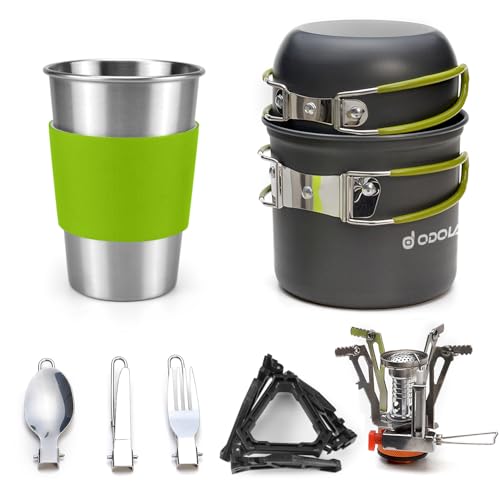
Cooking on a kayak trip can be simple and fun. Bring a portable camp stove for easy cooking. Choose one that’s lightweight and fuel-efficient. Pack pots and pans that nest together. This saves space. Don’t forget utensils like a spatula and spoon. A multi-tool can be handy. Bring a lightweight cutting board for food prep. Biodegradable soap and a scrub pad keep things clean. Store food in waterproof containers to protect it.Packing Tips
Embark on your kayak adventure with essentials like a waterproof bag, sunscreen, and a water bottle. Bring a light snack, a map, and a first-aid kit to stay prepared. Dress in layers and pack a hat for sun protection.
Packing for a kayak trip can make or break your adventure. The right gear ensures safety, comfort, and fun. But what should you bring to make the most of your paddling journey? Thinking about this, let’s dive into some essential packing tips to get you started.Dry Bags
Dry bags are a kayaker’s best friend. They keep your essentials like clothes, electronics, and food safe from water. Imagine being miles from shore and discovering your phone is soaked—it’s a nightmare you can easily avoid. Choose a variety of sizes. Use a small dry bag for valuables like your phone and wallet, and larger ones for clothes and food. Brightly colored bags are easier to spot in case they fall into the water.Weight Distribution
How you pack your kayak is as important as what you pack. Proper weight distribution keeps your kayak balanced and stable. This makes paddling easier and safer. Place heavier items low and centered in the kayak. This helps maintain a low center of gravity. Spread lighter items evenly to avoid tipping. Have you ever noticed how a slight lean in your kayak can make it harder to paddle straight? Adjusting your load can solve this issue effortlessly.
Credit: www.rightkindoflost.com
Frequently Asked Questions
What To Pack For A Kayaking Trip?
Pack a waterproof bag with sunscreen, snacks, water, first aid kit, and a dry change of clothes. Include a hat, sunglasses, and non-cotton attire. Bring a map, whistle, and personal flotation device. Ensure your phone is in a waterproof case for emergencies and photos.
What Is The 120 Rule For Kayaking?
The 120 rule for kayaking suggests combining air and water temperatures. If their total is below 120°F, wear protective gear like a wetsuit or drysuit to avoid hypothermia. This rule helps kayakers prepare for cold conditions, ensuring safety and comfort during their adventure.
What Are The Three Golden Rules Of Kayaking?
The three golden rules of kayaking are: always wear a life jacket, paddle with a buddy, and know your limits. Stay aware of weather conditions and water currents. Prioritize safety to enjoy your kayaking experience.
What Is The 50-90 Rule In Sea Kayaking?
The 50-90 rule in sea kayaking advises paddlers to plan for 50% longer trips than expected. This accounts for potential delays due to weather, currents, or fatigue, ensuring a safer journey. It’s a precautionary measure to prevent underestimating time and energy requirements.
Conclusion
Packing wisely ensures a safe and enjoyable kayak trip. Essentials like a life jacket, sunscreen, and water are crucial. A waterproof bag protects valuables from getting wet. Snacks provide energy for long paddles. Maps or a GPS keep you on course.
Dress in layers to stay comfortable. Remember, safety gear like a whistle can be a lifesaver. Proper planning makes your adventure stress-free. Double-check your list before you go. Enjoy the serenity of the water. Happy kayaking!