

Have you ever stood at the edge of a serene lake, paddle in hand, ready to embark on a kayaking adventure, only to pause and wonder, “How heavy is a kayak, really?” You’re not alone.
Whether you’re a seasoned paddler or just starting out, the weight of a kayak can make all the difference in your experience. Will you be able to transport it easily? Will it affect your ability to navigate through water effortlessly?
These are questions that matter, especially when you’re eager to hit the water without a hitch. Imagine the freedom of knowing you can lift your kayak onto your car roof without straining your back. Picture the ease of gliding across the water, confident that you’ve chosen the right kayak for your needs. Understanding kayak weight is more than just numbers; it’s about enhancing your entire kayaking journey. Dive into this article to discover not just the weight of a kayak, but the secrets to choosing the perfect one for you. Your next adventure awaits, and it’s lighter than you think.

Credit: www.youtube.com
Types Of Kayaks
Kayaks vary in weight based on type and material. Recreational kayaks often weigh between 30 and 50 pounds. Touring models can be heavier, reaching up to 70 pounds due to added features for long-distance paddling.
Understanding the weight of a kayak is essential for both beginners and seasoned paddlers. The type of kayak you choose greatly influences its weight, affecting transportability and performance on water. Different kayaks cater to different needs, and knowing their weight can help you make an informed decision.Sit-in Kayaks
Sit-in kayaks are a popular choice for those seeking a stable and comfortable paddling experience. These kayaks typically have a covered cockpit, which provides protection from the elements. They tend to weigh between 40 to 80 pounds, depending on the material and size. The weight is manageable for most paddlers, though you may need assistance loading it onto a roof rack. If you enjoy exploring calm lakes or rivers, this type might be your go-to. Consider how often you’ll be loading and unloading when deciding if the weight is right for you.Sit-on-top Kayaks
Sit-on-top kayaks offer an open design, making them easy to get in and out of. They are generally heavier than sit-in kayaks, with weights ranging from 45 to 100 pounds. The added weight comes from additional materials to enhance stability and durability. These kayaks are perfect for warm weather paddling, allowing water to easily drain away. Their heavier weight may require a kayak cart for solo transport. Do you prioritize stability and ease of access over lighter weight?Inflatable Kayaks
Inflatable kayaks are a game-changer for those with limited storage space. When deflated, they are compact and easy to carry, typically weighing between 20 to 40 pounds. Despite their light weight, they are surprisingly durable and can perform well in various water conditions. These kayaks are ideal for travelers or those who enjoy spontaneous adventures. Inflating them does take time, but the portability is unmatched. Are you ready to trade a bit of setup time for ultimate convenience?Folding Kayaks
Folding kayaks are an innovative solution for urban paddlers. They collapse into a compact form, making them easy to store and transport. Weights vary from 25 to 50 pounds, depending on the design and materials used. They offer similar performance to traditional kayaks without the bulk. This type can be an excellent choice for those who live in apartments or have limited space. Could a folding kayak provide the flexibility you’re looking for? Choosing the right kayak involves balancing weight with your paddling needs and lifestyle. Reflect on your priorities and how each type aligns with them.
Credit: www.amazon.com
Materials Used In Kayaks
The weight of a kayak is intricately linked to the materials from which it is constructed. Understanding these materials can help you make an informed decision about which kayak is best suited for your needs. Whether you’re a weekend paddler or a seasoned adventurer, knowing the materials used in kayaks can impact your overall kayaking experience.
Polyethylene
Polyethylene is a popular choice for kayak construction due to its durability and affordability. These kayaks are tough, able to withstand impacts from rocks and rough waters. However, they tend to be heavier than other materials, which might be a consideration if you’re planning long-distance paddling trips.
Composite Materials
Composite materials like carbon fiber and Kevlar offer a lightweight alternative to traditional kayak materials. They are favored by performance-oriented paddlers who prioritize speed and agility. Though they come with a higher price tag, their reduced weight can make transportation and maneuvering much easier. Is the lighter weight worth the extra cost for you?
Fiberglass
Fiberglass kayaks strike a balance between weight and durability. They are lighter than polyethylene but heavier than composite materials. Often chosen for their smooth finish and aesthetic appeal, fiberglass kayaks offer decent performance without the hefty price of composites. Are you willing to compromise a little weight for a sleek look?
Wood
Wooden kayaks are a nod to tradition, offering a unique aesthetic that many paddlers cherish. While they can be heavier, advances in design and technology have made them more competitive in terms of weight. Building your own wooden kayak could be a rewarding project, but consider if the extra weight suits your paddling style.
Factors Influencing Kayak Weight
Understanding the weight of a kayak is crucial for enthusiasts and beginners. The weight impacts transportation, handling, and overall paddling experience. Various factors contribute to a kayak’s weight. Let’s explore these elements to make an informed choice.
Design And Size
Design influences a kayak’s weight significantly. Sleek, narrow designs tend to be lighter. Wider and more stable designs often weigh more. Size plays a role too. Longer kayaks usually weigh more than shorter ones. Consider the balance between size and portability for your needs.
Additional Features
Extra features add weight to the kayak. Built-in storage compartments, seats, and footrests contribute to the total weight. Some kayaks include fishing rod holders or rudders. These features enhance functionality but increase weight. Weigh the importance of features against ease of transport.
Brand Variations
Different brands use various materials and manufacturing techniques. This results in weight variations across brands. Some brands focus on lightweight materials. Others prioritize durability, which can add weight. Researching brand specifications helps in choosing the right kayak for your needs.
Weight Comparison Of Popular Kayak Models
Kayak weight matters for storage, transport, and performance. Different kayaks serve different purposes, and their weights vary accordingly. Understanding these differences helps in choosing the right kayak for your needs.
Recreational Kayaks
Recreational kayaks are ideal for calm waters. They are lightweight and easy to handle. Most recreational kayaks weigh between 35 and 55 pounds. Their light weight makes them easy to transport and store. This type is perfect for beginners or casual paddlers.
Touring Kayaks
Touring kayaks are designed for longer distances. They offer more storage and stability. Their weight typically ranges from 50 to 70 pounds. The extra weight provides balance and speed on open water. Touring kayaks are great for adventure seekers.
Fishing Kayaks
Fishing kayaks come with added features. These include rod holders and storage compartments. They are heavier, weighing between 60 and 100 pounds. This extra weight supports stability and equipment needs. Fishing kayaks cater to anglers who need more space and balance.
Whitewater Kayaks
Whitewater kayaks are built for challenging waters. They are compact and robust, weighing 35 to 50 pounds. Their lightweight design aids in quick maneuvers. Whitewater kayaks are suitable for thrill-seekers tackling rapids.
Impact Of Kayak Weight On Performance
Kayak weight significantly influences performance and maneuverability. Heavier kayaks provide stability but may reduce speed. Lighter models allow quicker, more agile movements, ideal for racing or dynamic waters. Balancing weight with intended use ensures optimal kayaking experience.
The weight of a kayak can greatly influence its performance. A kayak’s design and material affect how it handles different water conditions. Understanding how weight impacts performance can guide you in choosing the right kayak.Speed And Maneuverability
A lighter kayak usually moves faster. It requires less effort to paddle, allowing you to glide through the water with ease. This is beneficial for racing or long-distance travel. Heavy kayaks may not reach high speeds quickly. They can be harder to turn and control, especially in tight spaces.Transport And Storage
Heavier kayaks can be challenging to transport. You might need extra help or equipment to move them. Lighter models are easier to load onto a car or carry to the water. They are also simpler to store. Consider weight if you lack space or need to transport your kayak often.Durability And Stability
Heavier kayaks often have more durable materials. This provides better resistance to wear and tear. They tend to be more stable, especially in choppy waters. This can be ideal for beginners or those prioritizing safety. Lighter kayaks might be less stable but are easier to repair if damaged.Choosing The Right Kayak Weight
Choosing the right kayak weight depends on your needs and strength. Kayaks typically weigh between 20 to 100 pounds. A lighter kayak is easier to transport and maneuver, while a heavier one provides more stability and durability.
Choosing the right kayak weight can greatly affect your paddling experience. The weight of a kayak influences ease of transport, stability, and speed. It’s crucial to align the kayak’s weight with your personal needs and intended usage. Let’s explore key factors to consider.Assessing Personal Needs
Consider your physical strength and endurance. A lighter kayak is easier to carry and maneuver. If you plan solo outings, a manageable weight is vital. For tandem kayaking, weight distribution matters. Think about your storage space at home. A heavier kayak might be challenging to store.Considering Usage Environment
Think about where you’ll use the kayak most often. Calm lakes or rivers? Light kayaks are ideal for smooth waters. If you’re tackling ocean waves, a heavier kayak offers stability. Consider the type of water body and weather conditions. Windy areas may require a heavier kayak for better control.Evaluating Transport Options
Transporting your kayak can impact your choice. If you have a small car, a lighter kayak is easier to mount. Consider how far you need to carry the kayak to the water. For longer distances, a lighter kayak is less tiring. If you have a trailer, weight might be less of an issue. Think about accessibility and convenience for your transport situation.Tips For Managing Heavy Kayaks
Kayak weight varies greatly, with some models exceeding 100 pounds. Proper techniques make handling heavy kayaks easier. Using a kayak cart or trailer can simplify transportation and prevent strain.
Managing heavy kayaks can be a daunting task, especially if you’re new to the sport. Even seasoned kayakers often face challenges in transporting these bulky vessels. But with a few practical tips, you can tackle this task with ease. Let’s dive into some efficient strategies that can make handling your kayak less of a workout and more of an enjoyable part of your adventure.Using Kayak Carts
A kayak cart is a game changer. It’s like having wheels for your kayak, making transportation a breeze. Simply place your kayak on the cart, secure it, and roll it effortlessly to your destination. Choose a cart that suits the terrain you’ll be navigating. For sandy beaches, opt for carts with wide tires. For rocky paths, sturdy frames are essential. Consider the ease of assembly and portability. Some carts fold up small enough to fit inside your kayak, which is perfect for solo trips.Utilizing Two-person Carry
Sometimes, teamwork is the best strategy. Grab a friend and tackle the weight together. Coordinating with another person can significantly reduce the physical strain on each of you. Communicate clearly to ensure smooth lifting and carrying. Decide on a count or signal for lifting to stay synchronized. Share the load evenly. One person at the bow and the other at the stern can balance the weight, making it manageable even for longer distances.Effective Loading Techniques
Loading a kayak onto a vehicle can be tricky. Use a method that minimizes strain and maximizes safety. Slide rather than lift whenever possible. Invest in a roof rack system designed for kayaks. Some systems have built-in rollers or assistive devices, which makes loading and unloading much easier. Practice makes perfect. Familiarize yourself with your vehicle’s rack system, and develop a routine that feels comfortable and efficient for you. How do you plan to tackle your kayak’s weight next time? Implementing these strategies might just transform your kayaking preparation into a seamless process, letting you focus more on the thrill of the water.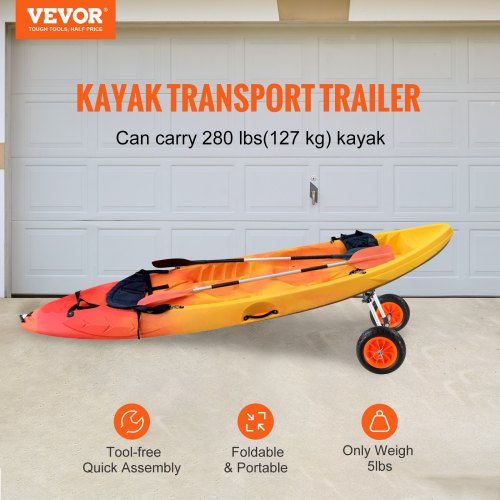
Credit: www.vevor.com
Frequently Asked Questions
How Heavy Is A Normal Kayak?
A normal kayak typically weighs between 35 to 75 pounds. Lightweight models may weigh less than 30 pounds. Tandem kayaks are heavier, usually ranging from 65 to 90 pounds. The weight depends on the material, design, and purpose of the kayak.
Always check specific model details for exact weight.
How Much Does A 10 Ft Kayak Weigh?
A 10 ft kayak typically weighs between 40 to 70 pounds, depending on the material used. Lightweight models are made from fiberglass or plastic, while heavier ones use wood or composite materials. Always check the manufacturer’s specifications for exact weight details.
How Heavy Is A 3 Person Kayak?
A 3-person kayak typically weighs between 70 to 100 pounds. Weight varies based on materials and design. Consider the kayak’s weight capacity for optimal use. Always check the manufacturer’s specifications for exact weight. Choose a lightweight model for easier transportation and handling.
How Much Does An 8 Foot Kayak Weigh?
An 8-foot kayak typically weighs between 35 to 45 pounds. Weight varies based on materials and design. Lightweight models often use polyethylene or fiberglass. Always check the manufacturer’s specifications for precise weight.
Conclusion
Choosing the right kayak weight is important. It affects your paddling experience. Consider your strength and transport method. Lighter kayaks are easier to carry. Heavier ones offer stability. Think about where you will use it. Lakes, rivers, or oceans? Each has different needs.
Try lifting a kayak before buying. Test its weight and balance. Remember, your comfort matters most. A kayak that feels right enhances your adventure. Make informed decisions. Enjoy paddling with ease. Find the perfect kayak weight for you. Paddle on and explore new waters.





