
Do you ride a kayak? If not, you might be missing out on an exhilarating experience that combines adventure, tranquility, and a deep connection with nature.
Imagine gliding across a serene lake, the gentle splash of water as your paddle slices through the surface. It’s not just a sport; it’s a way to escape the hustle and bustle of everyday life. But what makes kayaking so special?
Why do so many people find it addictive? We’re going to dive into the world of kayaking, uncovering its unique charm and why it might just be your next great passion. Stay with us, and discover how this simple activity can transform your weekends, your vacations, and maybe even your life.
Kayaking Basics
Kayaking offers a thrilling way to explore waterways. For beginners, understanding the basics is key. Knowing about different kayak types and essential gear helps in making informed choices. This guide covers what you need to get started on your kayaking journey.
Types Of Kayaks
Kayaks come in various designs, each suited for specific activities. Here are some common types:
- Recreational Kayaks:Ideal for calm waters. They are stable and easy to use.
- Touring Kayaks:Designed for long distances. They have storage space for gear.
- Whitewater Kayaks:Suitable for rapid waters. Short and maneuverable for quick turns.
- Fishing Kayaks:Equipped with rod holders. They offer stability for casting lines.
- Inflatable Kayaks:Portable and easy to store. Good for casual paddling.
Choosing the right type depends on your needs and the water conditions.
Essential Gear
Proper gear ensures safety and enhances the kayaking experience. Here is a list of essential items:
- Paddle:Choose a lightweight paddle for ease of use. The right length depends on your height and kayak width.
- Personal Flotation Device (PFD):A must-have for safety. Ensure it fits well and allows free movement.
- Helmet:Important for rough waters. Protects your head from impacts.
- Spray Skirt:Keeps water out of the kayak. Essential for whitewater kayaking.
- Dry Bag:Keeps belongings dry. Handy for storing valuables and spare clothes.
Investing in quality gear makes kayaking safer and more enjoyable.

Credit: www.yumping.com
Choosing Your Destination
Choosing the perfect kayaking destination can elevate your paddling experience from ordinary to extraordinary. The thrill of gliding across new waters, discovering hidden coves, and basking in nature’s serenity is unmatched. But how do you ensure your destination fits your adventure goals? Let’s dive into the essentials of selecting your next kayaking hotspot.
Popular Kayaking Spots
Every kayaking enthusiast has their favorite spots, but some destinations stand out globally. Places like Lake Tahoe offer crystal-clear waters and a breathtaking mountain backdrop. If you’re up for a coastal adventure, the Florida Keys provide vibrant marine life and endless exploration opportunities. National parks, such as the Everglades, offer unique ecosystems and challenging waterways. Which spot calls to your adventurous spirit?
Evaluating Water Conditions
Before setting out, evaluating the water conditions is crucial. Calm waters in lakes might suit beginners, while seasoned kayakers may seek the challenge of rapids or ocean swells. Consider the season, as some areas might be prone to sudden weather changes or strong currents. Are you equipped to handle the conditions safely and confidently?
It’s also important to check local regulations and access points. Some places might have restrictions or require permits. Preparing in advance ensures a smooth and enjoyable adventure. So, are you ready to embark on your next kayaking journey with confidence?
Safety Tips
Riding a kayak can be an exhilarating experience, offering a unique way to explore nature’s beauty. However, safety should be your top priority to ensure every trip is enjoyable and hazard-free. Let’s dive into some key safety tips that can make your kayaking adventure safer and more rewarding.
Weather Considerations
Always check the weather forecast before heading out. Sudden changes in weather can turn a peaceful ride into a dangerous one. Have you ever noticed how quickly a clear sky can become overcast? That’s why it’s crucial to be prepared.
Dress appropriately for the weather conditions. Wear layers that can be easily removed or added. A lightweight, waterproof jacket is essential to stay dry and warm.
Understand the water conditions in your area. Calm waters can quickly become turbulent with a shift in wind or tide. Plan your trip with weather patterns in mind to avoid unexpected challenges.
Emergency Protocols
Do you have a plan if things go south? Knowing what to do in an emergency can make all the difference. Start by learning basic rescue techniques and signals. This knowledge could help you save a life.
Equip your kayak with essential safety gear. This includes a whistle, a first-aid kit, and a waterproof flashlight. These items can be lifesavers when you’re far from shore.
Inform someone about your kayaking plans. Share your route and expected return time with a friend or family member. This ensures someone knows where to look if you don’t return as planned.
Being prepared can transform a potential mishap into a mere inconvenience. What safety measures will you take on your next kayaking adventure?
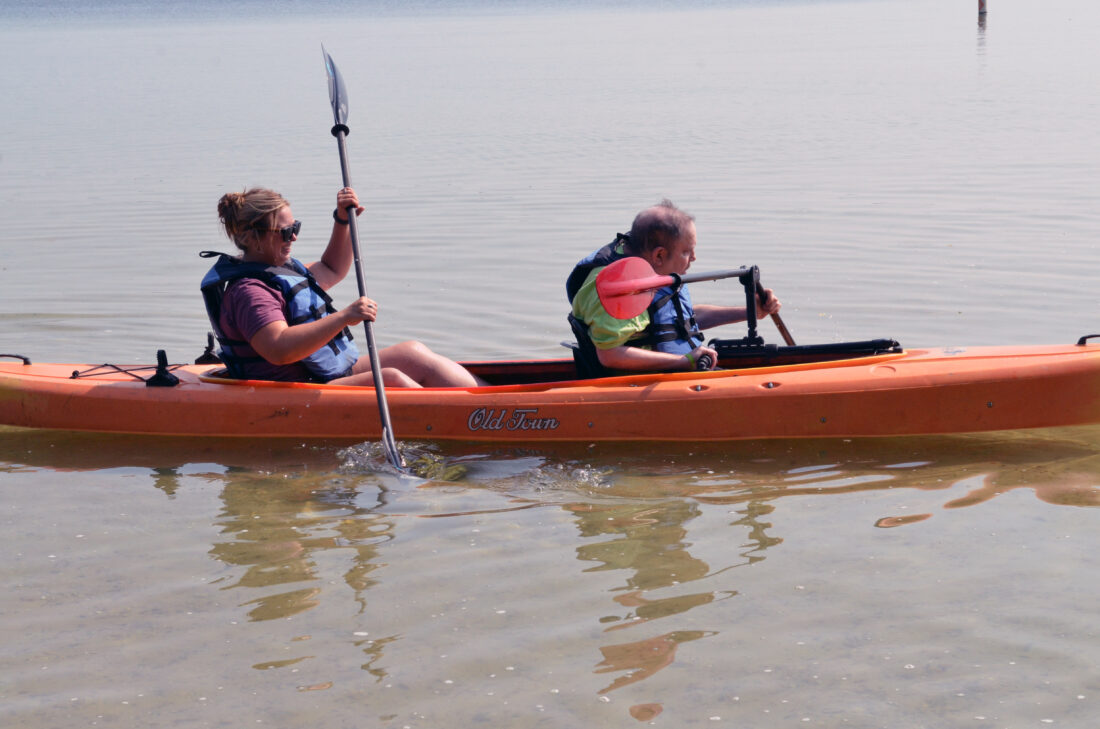
Credit: www.thealpenanews.com
Techniques For Beginners
Explore basic paddling techniques to enhance your kayaking skills. Focus on maintaining balance and proper posture. Practice steering and stopping to gain confidence on the water.
Kayaking offers a unique way to explore water landscapes. Beginners often find themselves fascinated by the adventure. Learning basic techniques is key to enjoying the ride. Understanding paddling and maintaining balance are essential for a smooth experience. Let’s dive into some simple techniques that every beginner should master.Paddling Techniques
Proper paddling is crucial for efficient movement. Start with a relaxed grip on the paddle. Keep your hands shoulder-width apart. Use your core muscles to power your strokes. This helps in reducing arm fatigue. Focus on dipping the paddle blade fully into the water. Pull it back smoothly in a straight line. Alternate sides to maintain a steady course.Balance And Stability
Staying balanced is vital for a safe ride. Sit upright with your feet flat inside the kayak. Adjust your seat to find a comfortable position. Keep your weight centered and avoid leaning too far. Practice shifting your weight gently. This helps in adapting to waves or currents. Use your knees to maintain stability. They act as anchors against the sides of the kayak.Advanced Skills
Enhance your kayaking experience with advanced skills. Navigate through challenging waters with precision. Boost your confidence on the water.
Embarking on the exhilarating journey of kayaking can be both thrilling and challenging. As you master basic skills, it’s natural to crave the adrenaline rush that comes with tackling more advanced techniques. These skills not only enhance your kayaking experience but also ensure you’re equipped to handle unexpected situations with confidence. Whether you’re navigating tumultuous rapids or perfecting the kayak roll recovery, these advanced skills can transform your kayaking adventures.Navigating Rapids
Rapids can be intimidating, but with the right skills, they become an exciting playground. Your first step is understanding the flow and obstacles of the water. Spend time observing the rapids before entering, noting potential hazards like rocks or fallen branches. Learn to read the water. The art of navigating rapids lies in predicting the movement of water and adjusting your path accordingly. Look for V-shaped patterns that indicate a clear route, and avoid areas where the water is churning or forming whirlpools. Use precise paddle strokes. When in rapids, every paddle stroke should be intentional. Practice quick, controlled strokes to maneuver effectively around obstacles. Balance is crucial — keep your body centered to prevent capsizing.Kayak Roll Recovery
The kayak roll recovery is an essential skill for every advanced kayaker. It’s your safety net when you’re overturned, allowing you to right yourself without exiting the kayak. Start by understanding the mechanics of the roll. It’s a blend of body rotation and paddle movement. Timing is everything. When you feel yourself tipping, initiate the roll immediately. Hesitation can lead to disorientation and loss of control. Practice the roll in calm waters until it becomes second nature. Seek feedback from experienced kayakers. Joining a kayaking group or taking advanced classes can provide valuable insights. Experienced kayakers can offer tips on improving your technique and overcoming common mistakes. Are you ready to push your limits and embrace the thrill of advanced kayaking skills? The water awaits, and with these techniques, you’re prepared to conquer the challenges ahead.Kayaking For Fitness
Experience a full-body workout with kayaking. This fun activity strengthens muscles and boosts cardiovascular health while exploring nature. Perfect for fitness enthusiasts seeking adventure.
Kayaking is more than an outdoor adventure. It’s a great workout. Paddling across water tones muscles and boosts heart health. Plus, it offers a peaceful escape from daily stress. Let’s explore how kayaking can enhance your fitness journey.Physical Benefits
Kayaking strengthens your upper body. Your arms, shoulders, and back work hard. Paddling builds muscle and increases endurance. Your core also gets a workout. Balance and control engage abdominal muscles. Kayaking is gentle on joints. The water supports your body. You get a full workout with less risk of injury. It’s great for people with joint concerns.Training Regimens
Begin with short paddling sessions. Thirty minutes is a good start. Gradually increase to longer trips. Aim for one hour or more. Consistency is key. Paddle regularly for best results. Try interval training on water. Paddle fast for a minute, then slow down. Repeat several times. This boosts cardiovascular health. Add strength exercises to your routine. Push-ups and planks build upper body strength. Stretch before and after kayaking. Flexibility helps prevent injury.Environmental Impact
Kayaking offers a nature-friendly way to explore waterways with minimal environmental impact. Paddling silently reduces noise pollution and disturbance to wildlife. It’s a sustainable choice, promoting eco-friendly travel.
Riding a kayak offers a serene escape into nature, but have you ever considered the environmental impact of your paddling adventures? As more people embrace kayaking, it’s important to reflect on how our actions affect the ecosystems we love to explore. By being mindful and adopting eco-friendly practices, you can make a positive difference.Eco-friendly Practices
Start by choosing a kayak made from sustainable materials. Look for brands that use recycled plastics or responsibly sourced wood. This small choice can significantly reduce your carbon footprint. When you’re out on the water, consider using reusable water bottles and packing snacks in eco-friendly containers. This helps minimize waste and keeps our waterways clean. Think about how you transport your kayak. Carpooling with fellow paddlers or using a fuel-efficient vehicle can reduce emissions. Each decision contributes to a healthier planet.Protecting Marine Life
Observe marine life from a distance. Getting too close can stress animals and disrupt their natural behaviors. Remember, you’re a guest in their home. Be conscious of where you paddle. Avoid areas with sensitive habitats, such as coral reefs or nesting grounds. Respecting these spaces ensures they thrive for future generations. Consider the impact of sunscreen. Many products contain harmful chemicals that can damage marine ecosystems. Choose reef-safe options to protect both your skin and the environment. By adopting these practices, you not only enjoy kayaking but also contribute to the preservation of our precious ecosystems. How will you make your next paddling adventure more eco-friendly?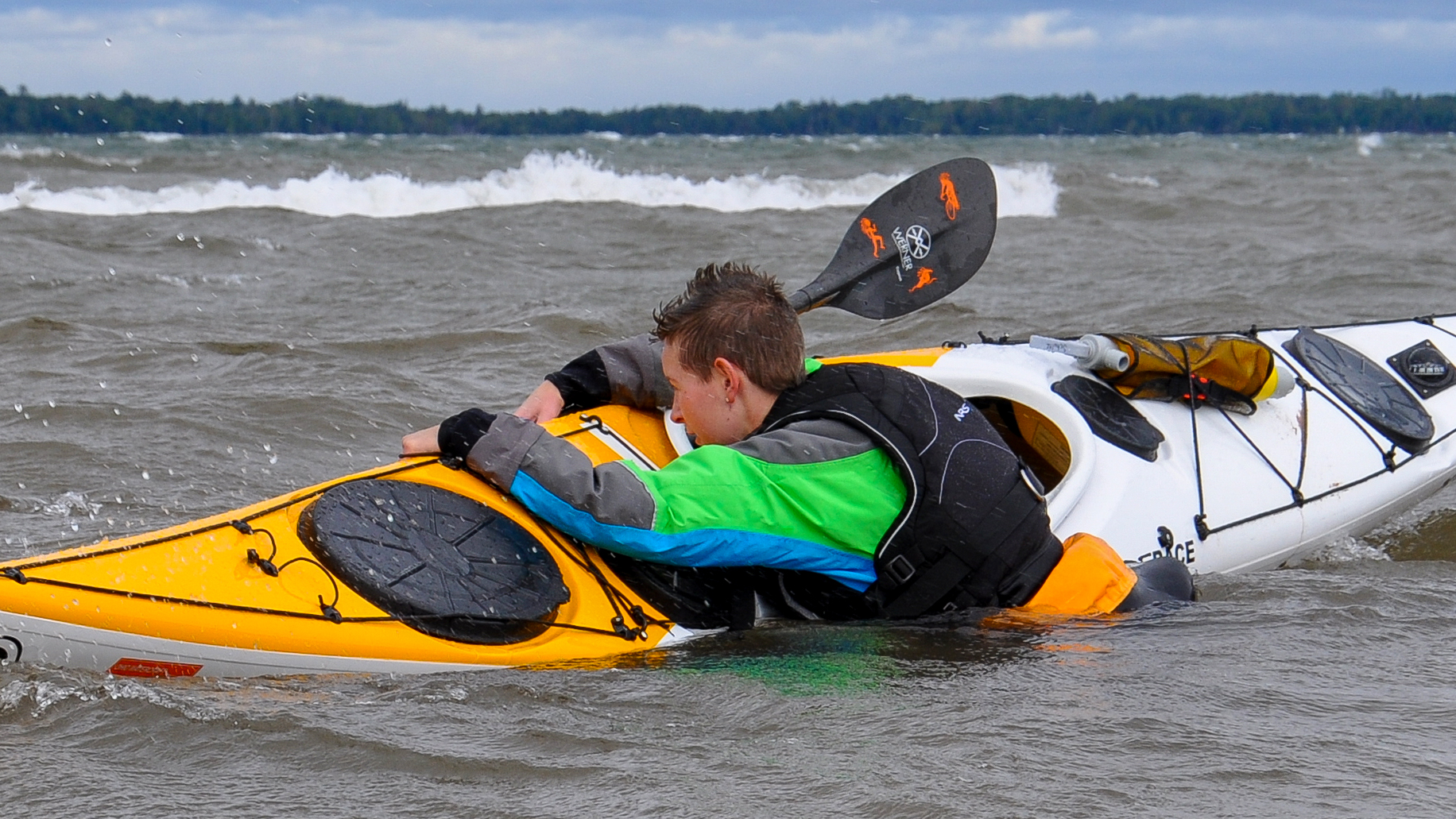
Credit: www.nps.gov
Community And Culture
Kayaking fosters a vibrant community and rich culture. Enthusiasts connect over shared experiences on the water. This camaraderie brings people together, creating lasting friendships and memories. The culture around kayaking is diverse and welcoming, inviting both seasoned paddlers and newcomers to join in the fun. Let’s explore the various aspects of this vibrant community.
Kayaking Events
Kayaking events are the heartbeat of the paddling community. These gatherings range from competitive races to casual meet-ups. Events provide a platform for sharing skills and experiences. Many events also include workshops and training sessions. These are ideal for learning new techniques and safety tips. Community members often organize local river clean-ups, highlighting their commitment to nature.
Stories From Enthusiasts
Every kayaker has a unique story to tell. Enthusiasts share tales of adventure, mishaps, and triumphs on the water. These stories often inspire others to take up kayaking. Many paddlers recount their first time navigating rapids or exploring hidden coves. Such stories create a tapestry of shared experiences and dreams. Listening to these tales can ignite a passion for kayaking in newcomers.
Frequently Asked Questions
What Do You Call Riding A Kayak?
Riding a kayak is called kayaking. It involves navigating water using a small, narrow boat powered by a paddle. Kayaking can be done on rivers, lakes, and oceans for recreation or sport. It’s a popular activity for exploring waterways and enjoying nature.
What Is The Verb Of Kayaking?
The verb of kayaking is “kayak. ” It means to paddle a kayak through water for sport or recreation.
How Do You Use Kayak In A Sentence?
Use “kayak” in a sentence like this: “We rented a kayak for the river adventure today. ” You can also say, “She loves to kayak during summer weekends. “
How Do You Ride In A Kayak?
Sit comfortably in the kayak seat. Hold the paddle with both hands, keeping a relaxed grip. Dip the paddle into the water and pull it back to move forward. Alternate sides to maintain direction. Keep your core engaged for balance and use smooth strokes for effective paddling.
Conclusion
Kayaking offers endless adventures and a connection to nature. It’s simple, fun, and suitable for all ages. Whether you’re exploring calm lakes or challenging rapids, kayaking provides a unique experience. Safety is key. Always wear a life jacket and follow guidelines.
Enjoy the peace and excitement kayaking brings. It’s a great way to exercise and relax. Ready to try kayaking? Grab your paddle, start slow, and enjoy the journey. Discover new places, meet new friends, and create lasting memories. So, why wait?
Dive into the world of kayaking today. Happy paddling!