Have you ever wondered what keeps your kayak gliding smoothly through the water? It’s not just your paddling skills.
The secret often lies beneath the surface, in a simple yet powerful tool called a skeg. If you’ve been kayaking without knowing what a skeg is, you’re not alone. Many paddlers overlook this small, yet crucial piece of equipment. But understanding it can transform your kayaking experience, making your rides more stable and enjoyable.
Curious about how a skeg works and why it might be the game-changer you need? Keep reading, because what you’re about to discover might just revolutionize your time on the water.
Purpose Of A Skeg
A skeg on a kayak helps maintain straight movement in windy conditions or strong currents. It provides stability by preventing the kayak from turning sideways. Ideal for long trips, it enhances control and efficiency in paddling.
The purpose of a skeg on a kayak is crucial for stability. It helps maintain a straight path, especially in windy conditions. A skeg acts as a fin on the bottom of the kayak. This aids in directional control and reduces sideways drift. Many kayakers find this feature essential for smooth paddling.Improves Tracking
A skeg enhances tracking by keeping the kayak on course. It minimizes the effort needed to paddle straight. This is especially helpful during long trips. Consistent tracking reduces fatigue and enhances the paddling experience.Enhances Stability
A skeg increases stability by reducing the kayak’s sideways movement. This is vital in choppy waters. It helps the kayak cut through waves with ease. Stability is key for beginners learning to kayak.Adjustable For Conditions
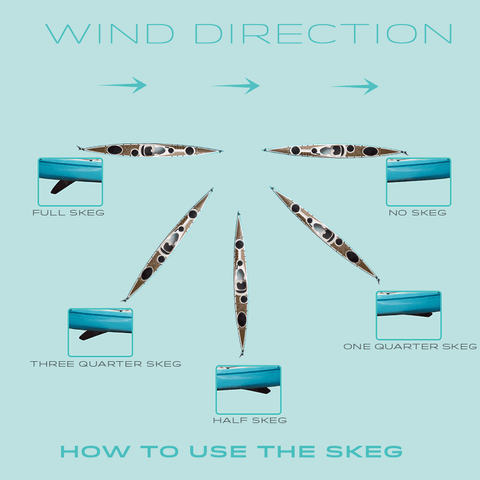
Many skegs are adjustable, suiting various water conditions. Lowering the skeg in strong winds improves control. In calm waters, a retracted skeg allows for easier maneuverability. This versatility is a major advantage.Reduces Weathercocking
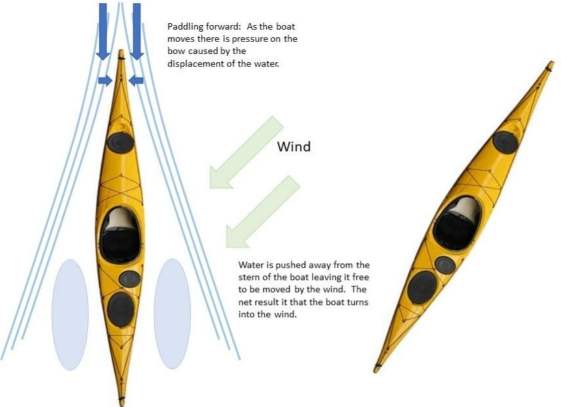
Weathercocking causes kayaks to turn into the wind. A skeg counteracts this effect. It allows the paddler to maintain direction without constant correction. This makes for a more pleasant kayaking journey.Simple To Use
Skegs are easy to operate, even for beginners. They are often controlled by a lever near the seat. This simplicity allows for quick adjustments while paddling. Efficient design ensures user-friendly experience.
Credit: shop.oceanriver.com
Skeg Vs. Rudder
A skeg for a kayak helps maintain straight paddling in windy conditions. Unlike a rudder, it doesn’t steer but stabilizes. Ideal for beginners, it ensures a smoother kayaking experience.
In the world of kayaking, steering tools are essential. Paddlers often debate between a skeg and a rudder. Each serves a unique purpose. Both help control the kayak’s direction in different conditions.What Is A Skeg?
A skeg is a small, fin-like tool. It is usually located at the kayak’s stern. A skeg helps maintain a straight course in windy conditions. It is fixed or adjustable. An adjustable skeg allows you to change the depth in the water. This feature helps manage the kayak’s tracking. Skegs are simple and require little maintenance.What Is A Rudder?
A rudder is a more dynamic tool. It is mounted at the back of the kayak. A rudder pivots from side to side. It helps steer the kayak in different directions. Foot pedals inside the cockpit control it. Rudders are beneficial in strong currents or when turning quickly. They are more complex than skegs and need regular upkeep.Key Differences Between Skeg And Rudder
- Functionality:Skegs stabilize; rudders steer.
- Control:Skegs are passive; rudders are active.
- Complexity:Skegs are simple; rudders are intricate.
- Maintenance:Skegs need less care; rudders require more attention.
Choosing The Right Tool For Your Kayak
The choice depends on your kayaking style. For straight-line paddling, a skeg is ideal. For maneuverability, opt for a rudder. Consider the water conditions you often face. Assess the maintenance you are willing to handle. Each tool has its pros and cons.Types Of Skegs
Kayak skegs are essential for stability and control. They keep your kayak on track, especially in windy conditions. There are different types of skegs, each with unique features. Let’s explore the types of skegs available for kayaks.
Fixed Skegs
Fixed skegs are permanent and non-movable. They are attached to the kayak’s hull. This type is simple and requires no adjustments. Fixed skegs provide constant support. They are great for straight-line tracking. But they can be limiting. Fixed skegs are not ideal for shallow waters. They might hit rocks or obstacles. Choose fixed skegs for open and deep waters.
Retractable Skegs
Retractable skegs offer flexibility. They can be lowered or raised as needed. This feature allows for versatile navigation. Retractable skegs are adjustable, providing control in various conditions. They are suitable for shallow and deep waters. Retracting the skeg in shallow areas prevents damage. These skegs require a control system. This system might be manual or foot-operated. Retractable skegs are popular among experienced kayakers. They offer the best of both worlds, combining stability and adaptability.
Material And Design
A skeg is a blade attached to the bottom of a kayak. It helps improve tracking and stability. Designed from durable materials like plastic or metal, it adjusts to different water conditions for better control.
The skeg of a kayak plays a crucial role in tracking. Its design and material directly influence performance. Understanding these aspects helps in selecting the right skeg for your kayak.Common Materials
Kayak skegs are crafted from various materials. Plastic is the most common choice. It is affordable and resistant to impact. Metal skegs are also available. They offer durability and are often used in high-end models. Composite materials are lightweight and strong. These are often used in performance kayaks. The choice of material affects the skeg’s resilience and efficiency.Design Variations
Skeg designs vary to cater to different kayaking needs. Retractable skegs are popular for their versatility. They can be adjusted based on water conditions. Fixed skegs offer simplicity and are ideal for beginners. Some kayaks come with detachable skegs. This allows easy replacement or customization. The design of a skeg affects how well a kayak can maintain a straight course. Each design variation offers unique benefits tailored to specific kayaking experiences.Installation Process
Attaching a skeg to a kayak enhances tracking and stability. Align the skeg with the kayak’s bottom, and secure it using bolts or adhesive. Ensure it’s firmly attached to avoid any mishaps during your water adventure.
Installing a skeg on your kayak can enhance your paddling experience. It helps with stability and control in windy conditions. This guide explains how to install a skeg smoothly.Tools Required
You need a few tools for the installation. Having them ready makes the process easier.- Drill with bits
- Measuring tape
- Screwdriver
- Marine adhesive
- Marker
- Protective gloves
Step-by-step Guide
Begin by choosing the right spot for the skeg. It usually sits at the kayak’s rear. Use the measuring tape for accurate placement. Mark the spot with your marker. Drill holes at the marked positions. Wear protective gloves to stay safe. The holes should match the skeg’s mounting points. Apply marine adhesive around the drilled holes. This creates a watertight seal. Now, position the skeg over the holes. Secure the skeg using screws and a screwdriver. Tighten them to ensure a firm fit. Check that the skeg aligns properly with your kayak. Let the adhesive dry completely. This might take a few hours. Once dry, test the skeg’s functionality in water.Maintenance Tips
A skeg on a kayak helps with tracking in windy conditions. Regularly check for debris and damage. Keep the skeg well lubricated for smooth operation.
Maintaining your kayak’s skeg is important for smooth navigation. A well-kept skeg ensures your kayak stays on course. Regular attention can prevent issues during your adventures. Here are some maintenance tips to keep your skeg in top shape.Routine Checks
Inspect your skeg regularly. Look for cracks or bends. Check the mounting hardware. Ensure screws are tight. Loose components can cause problems. Clean the skeg to remove debris. Saltwater can corrode parts. Rinse it with fresh water. Dry it thoroughly to prevent rust.Repair Methods
A damaged skeg may need fixing. Minor bends can be straightened. Use gentle pressure to avoid further damage. Replace cracked skegs immediately. Purchase a new one from your kayak brand. Follow instructions for installation. Tighten all screws securely. Check alignment after repairs. Ensure it moves smoothly.Benefits Of Using A Skeg
Adding a skeg to your kayak can transform your paddling experience, offering a range of benefits that enhance your time on the water. Whether you’re navigating calm lakes or challenging coastal waters, understanding these advantages can help you make the most of your kayaking adventures.
Improved Tracking
One of the primary benefits of using a skeg is improved tracking. Have you ever noticed your kayak veering off course, especially during windy conditions? A skeg helps keep your kayak on a straight path, reducing the need for constant corrections. You’ll spend less time adjusting your paddle strokes and more time enjoying the scenery. The skeg acts like a fin, stabilizing the kayak’s direction and allowing you to glide smoothly through the water.
Enhanced Stability
Another advantage of using a skeg is enhanced stability. With a skeg, your kayak becomes more stable, particularly in rough waters. Imagine paddling through choppy waves without the fear of tipping over. The skeg provides a deeper profile in the water, which aids in balancing the kayak, making it less prone to side-to-side rocking. This added stability can be a confidence booster, especially for beginners or those looking to tackle more adventurous routes.
Credit: www.cpakayaker.com
Choosing The Right Skeg
Choosing the right skeg for your kayak is essential in ensuring optimal performance and enjoyment during your paddling adventures. Whether you’re navigating calm lakes or tackling challenging ocean waves, the right skeg can greatly impact your kayak’s stability and tracking ability. This section will guide you through the key considerations in selecting a skeg that suits your needs.
Kayak Compatibility
Not all kayaks are created equal, and the same goes for skegs. It’s crucial to ensure that the skeg you choose is compatible with your kayak model. Some kayaks come with a built-in skeg system, while others may require aftermarket installation.
Consider the design and structure of your kayak. Is it a touring kayak, a sea kayak, or a recreational model? Each type has specific requirements for skeg integration. Check with your kayak manufacturer or consult with experienced paddlers to find the best match.
Paddling Conditions
The environment in which you paddle plays a significant role in skeg selection. Are you planning to paddle in calm lakes, swift rivers, or open seas? Different conditions demand different skeg configurations.
For calm waters, a smaller skeg might be sufficient to keep your kayak tracking straight. In contrast, larger skegs are beneficial in rough waters, providing better control and stability. Think about where you will be paddling most often and select a skeg that enhances your experience in those specific conditions.
Have you ever found yourself struggling to maintain a straight line while kayaking? A mismatched skeg could be the culprit. By aligning your skeg choice with your kayak’s compatibility and the expected paddling conditions, you set yourself up for smoother and more enjoyable paddling experiences.
Common Skeg Issues
Kayak skegs are essential for maintaining stability and direction in the water. Though useful, skegs can face issues that affect performance. Understanding these common problems helps in maintaining your kayak’s efficiency.
Jamming Problems
Skegs can jam due to debris or improper installation. Dirt and small rocks might get stuck, hindering movement. Regular cleaning prevents jamming. Ensure the skeg is properly aligned during installation. Misalignment can lead to jamming.
Damage Prevention
Skegs are prone to damage from rough handling or collisions. Avoid dragging your kayak over rough surfaces. Store the kayak in a safe place, away from potential harm. Inspect the skeg for cracks or bends after each trip. Early detection helps prevent further damage.

Credit: www.amazon.com
Skeg Alternatives
A kayak skeg helps maintain straight movement in windy conditions. It acts like a fin, offering stability and control. Alternatives include using rudders or paddling techniques to achieve similar effects.
Exploring skeg alternatives can enhance your kayaking experience, especially if you’re looking to improve tracking and control. While skegs are popular for their simplicity and effectiveness, there are other options worth considering. Each alternative brings its own set of advantages and might suit different paddling styles or conditions.Rudders
Rudders provide a dynamic solution for steering and maneuvering your kayak. Unlike skegs, which are fixed, rudders can be adjusted with foot pedals. This makes them ideal for navigating through winding rivers or when the wind and currents are strong. Rudders can be particularly beneficial for longer kayaks, which might be harder to steer. They allow for quick direction changes, enhancing your ability to react to obstacles. Have you ever been caught in a strong crosswind and wished you had more control? A rudder could be the answer.Keel Options
Keel options offer another way to improve your kayak’s tracking without the need for a skeg. A keel is a structural component that runs along the bottom of the kayak, and various designs can enhance different aspects of performance. Some kayaks come with a pronounced keel line that naturally aids in tracking. Others might have a removable keel that can be adjusted based on the water conditions. Imagine paddling on a calm lake with perfect straight-line tracking, all thanks to a well-designed keel. Choosing the right alternative depends on your kayaking needs and preferences. Whether you opt for a rudder or a specific keel design, the goal is to make your paddling experience as enjoyable and efficient as possible. What features matter most to you in a kayak’s performance?Frequently Asked Questions
Can You Kayak Without Skeg?
Yes, you can kayak without a skeg. It may require more effort to maintain direction. Paddling techniques and water conditions significantly influence your kayaking experience. A skeg helps with tracking, especially in windy conditions, but it’s not essential for all kayaking situations.
Does A Skeg Make A Kayak More Stable?
A skeg does not make a kayak more stable. It improves tracking and control in windy conditions. Stability comes from the kayak’s design and width. Using a skeg helps maintain a straight path, reducing the need for constant paddling adjustments.
What Does A Skeg Look Like?
A skeg is a fin-like structure attached to the bottom of boats or kayaks. It is usually thin, elongated, and pointed, helping to stabilize and improve directional control. Skegs can be made of metal or plastic and are often found on the stern or keel of a vessel.
What Is The Difference Between A Skeg And A Rudder On A Kayak?
A skeg is a fixed blade that improves straight-line tracking. A rudder is a movable blade that aids steering and directional control. Both enhance performance, but their functions differ significantly.
Conclusion
A kayak skeg is a helpful tool. It aids in stability and direction. Paddlers enjoy smoother rides with a skeg. It’s ideal for windy conditions. Understanding its function can improve your kayaking experience. Choose a skeg based on your kayaking needs.
Each type offers different benefits. Consider your usual water conditions. This will help in selecting the right skeg. Remember, practice makes perfect. Spend time experimenting with your skeg. Enjoy exploring waters with confidence. Happy kayaking!