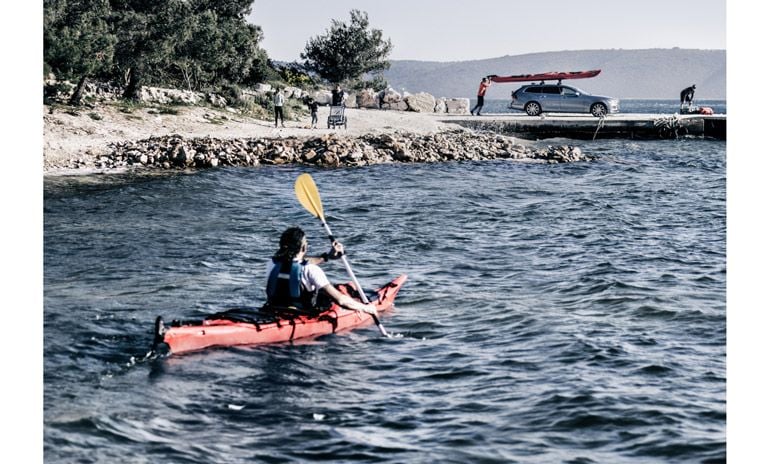
Imagine gliding across a serene lake or navigating through thrilling rapids. Kayaking offers these experiences and more.
But before you grab a paddle, you might wonder: how hard is kayaking? This is a question many first-timers ask, and it’s crucial to know if this adventurous activity is right for you. Kayaking can seem intimidating at first. Thoughts of tipping over or battling strong currents might flash through your mind.
Yet, the reality is often different from what you imagine. By understanding the basics, you can decide if you’re ready to take on the challenge or enjoy a leisurely paddle. You’ll discover the physical demands, the skills you’ll need, and how to prepare effectively. Whether you’re seeking adventure or a relaxing day on the water, knowing what to expect can transform your kayaking experience. Ready to dive in? Let’s explore the world of kayaking together.
Kayaking Basics
Kayaking is a popular water sport enjoyed by many. It’s a great way to explore nature while getting a workout. For beginners, understanding the basics can make kayaking more enjoyable. Let’s dive into the essentials every beginner should know.
Types Of Kayaks
Kayaks come in different shapes and sizes. Each type has its own purpose. Here are a few common types:
- Recreational Kayaks:These are stable and easy to use. Perfect for calm waters.
- Touring Kayaks:Designed for longer trips. They are faster and track well in water.
- Whitewater Kayaks:Built for fast-moving rivers. They are short and maneuverable.
- Inflatable Kayaks:Convenient for travel. They are lightweight and easy to store.
Choosing the right kayak depends on your activity and skill level.
Essential Gear
Having the right gear is crucial for safety and comfort. Here are some essentials:
- Paddle:A good paddle is lightweight and fits your height.
- Life Jacket:Always wear a life jacket for safety.
- Helmet:Important for whitewater kayaking. Protects your head from rocks.
- Dry Bag:Keeps your belongings dry during the trip.
- Spray Skirt:Prevents water from entering the kayak. Useful in rough waters.
Equip yourself with these basics to ensure a safe adventure. Remember, preparation is key to enjoying kayaking.

Credit: tomoutdoors.com
Physical Demands
Kayaking challenges your body with upper body strength, balance, and endurance. Paddling requires continuous arm and shoulder movement. Core muscles work hard to stabilize the kayak on water.
Kayaking can be a thrilling adventure, but it’s not just about gliding on water. It demands a mix of physical and mental skills. Understanding the physical demands can help you assess your readiness and enhance your kayaking experience.Core Strength
Your core muscles are crucial in kayaking. They help maintain balance and stability in the water. Each stroke you take engages your core, providing both power and control. Without a strong core, you might find yourself struggling to keep the kayak steady, especially in rough waters. Strengthening these muscles can lead to smoother and more efficient paddling. Consider adding planks and other core exercises to your routine. It might surprise you how much easier paddling becomes with a strong core.Endurance And Stamina
Long trips on the water test your endurance and stamina. Paddling for extended periods can be tiring, especially if you’re not used to sustained physical activity. Building endurance means gradually increasing your paddling time. Start with shorter trips and slowly extend them as your stamina improves. Have you ever found yourself exhausted halfway through a kayak trip? Building your endurance can prevent fatigue and keep the adventure enjoyable. Regular cardiovascular exercises like cycling or jogging can be beneficial. Remember, the goal is to enjoy the journey without feeling drained before reaching your destination.Skill Levels
Kayaking offers varied skill levels, from gentle paddling to challenging white-water adventures. Beginners find calm waters ideal for learning, while experienced kayakers seek thrilling rapids. Skill progression depends on practice, balance, and water conditions.
Kayaking offers a range of experiences based on skill levels. It can be both relaxing and thrilling. Beginners often start with calm waters. Advanced kayakers seek challenging conditions. Let’s explore the techniques for each skill level.Beginner Techniques
Beginners should focus on basic paddling techniques. Start with learning the forward stroke. This is essential for moving the kayak forward. Practice holding the paddle correctly. Keep your grip loose but firm. Use your core for power, not just your arms. Learn how to steer the kayak. Use gentle strokes on one side to turn. Practice these skills in calm waters. Safety is crucial. Always wear a life jacket. Understand basic water safety rules.Advanced Maneuvers
Advanced kayakers tackle more complex techniques. Rolling is a key skill. It helps you recover if you capsize. Practice in safe conditions with a partner. Master the sculling draw to move sideways. This is useful in tight spots. Learn bracing techniques for stability. These help in rough waters. Advanced paddlers often navigate rapids. Know how to read water currents. This helps in choosing the best path. Always prioritize safety in challenging environments.Environmental Challenges
Kayaking presents environmental challenges due to unpredictable weather and varying water currents. These natural factors demand attention and adaptability. Understanding the environment is crucial to ensure safety and an enjoyable experience.
Kayaking presents a thrilling adventure, but it is not without environmental challenges. Understanding these challenges is crucial for both safety and enjoyment. Nature can be unpredictable, making kayaking an exciting but sometimes daunting activity. Two primary environmental factors that impact kayaking are weather conditions and water currents. Each offers its own set of challenges that kayakers must navigate.Weather Conditions
Weather greatly influences the kayaking experience. Strong winds can make paddling difficult. They push against the kayak, requiring more effort to move forward. Rain can reduce visibility, making it hard to see obstacles. Cold temperatures affect the body, reducing energy and increasing fatigue. Sudden storms can arise, creating dangerous situations. Always check the weather forecast before heading out. Preparation is key to a safe adventure.Water Currents
Water currents vary greatly depending on the location. Strong currents can make steering difficult. They push the kayak off course, increasing the risk of collision. In rivers, currents can change quickly, requiring constant attention. Tidal currents in the ocean are powerful, affecting navigation. Understanding the flow of water helps in planning the route. It ensures safer and more controlled paddling. Knowing how to read the water is an essential skill for kayakers.Mental Resilience
Kayaking is more than just physical strength. It challenges the mind too. Mental resilience plays a big role in kayaking success. It helps paddlers overcome obstacles and enjoy the journey. Let’s dive into the mental aspects of kayaking.
Overcoming Fear
Fear is common in kayaking. The water can be unpredictable. Waves and currents can feel intimidating. To overcome fear, acknowledge it. Accept that fear is natural. Focus on the joy of kayaking. Visualize success. Imagine yourself paddling with ease. This mental image can reduce fear. Surround yourself with supportive kayakers. They can share tips and encouragement. Each paddle stroke builds your courage.
Building Confidence
Confidence grows with practice. Start with calm waters. Gradually try more challenging routes. Celebrate small victories. Each successful trip boosts your confidence. Set achievable goals. Track your progress. Note improvements in your skills. This record can remind you of your growth. Confidence also comes from knowledge. Learn about kayaking safety. Understand equipment and techniques. This knowledge empowers you. It makes you feel more in control.

Credit: www.blueridgeoutdoors.com
Training And Preparation
Kayaking offers an invigorating adventure, but it requires proper training and preparation. Building strength and understanding safety are key steps. This journey begins with a focus on fitness and safety practices.
Fitness Regimen
A strong body enhances kayaking experiences. Begin with core exercises like planks and crunches. These build stability and balance. Arm and shoulder workouts are essential too. Push-ups and dumbbell lifts increase upper body strength. Leg exercises shouldn’t be neglected. Lunges and squats help maintain endurance. Regular cardio is important. Running or cycling boosts stamina. Aim for at least three workouts a week.
Safety Practices
Safety ensures an enjoyable kayaking journey. Always wear a life jacket. It can save lives in emergencies. Learn basic water rescue techniques. Practice them before heading out. Check weather conditions in advance. Avoid kayaking in storms or high winds. Familiarize yourself with your kayak. Understand its features and limitations. Carry a whistle and a waterproof phone case. These tools are crucial for emergencies.
Common Mistakes
Ignoring the weather can make kayaking difficult. Lack of safety gear is another common mistake. Beginners often underestimate the importance of proper paddling techniques.
Kayaking is an exhilarating adventure, but it can be challenging, especially for beginners. Many enthusiasts jump into this sport with enthusiasm, only to find themselves making common mistakes that hinder their progress and enjoyment. Understanding these pitfalls can significantly enhance your kayaking experience, making it safer and more enjoyable.Improper Technique
Using the wrong technique can turn a fun day on the water into a frustrating struggle. Many beginners focus on arm strength, forgetting that kayaking is all about using your core. You should engage your entire body to paddle efficiently. Think about your posture. Are you sitting up straight and using your torso to rotate the paddle? This is crucial for maintaining balance and conserving energy. It’s also common to grip the paddle too tightly. Relax your grip and let the paddle flow with the water. This simple adjustment can make a huge difference in your control and endurance.Ignoring Safety Rules
Safety should always be a priority. Yet, many kayakers overlook basic safety rules, assuming they don’t apply to them. This can lead to dangerous situations. Do you always wear a life jacket? It’s not just a formality; it can save your life. Checking weather conditions is another critical aspect. Sudden changes can catch you off guard, turning a peaceful trip into a risky adventure. Lastly, inform someone of your plans. Let them know where you’re going and when you expect to return. This way, if something goes wrong, help can be on the way. By avoiding these common mistakes, you can transform your kayaking trips into enjoyable and safe adventures. Are you ready to refine your skills and embrace the joy of kayaking?Kayaking Destinations
Kayaking difficulty varies by location and water conditions. Beginners find calm lakes and rivers easier. Advanced kayakers enjoy challenging ocean waves and fast river currents.
Kayaking is not just about the thrill of paddling through water but also about the destinations you explore. The right location can make your kayaking adventure unforgettable. Whether you crave bustling waterways or serene hidden spots, your choice of destination can shape your experience.Popular Spots
Some destinations are renowned for their kayaking appeal and draw enthusiasts from around the globe. For instance, the Colorado River offers stunning vistas and challenging rapids. If you’re more into coastal views, the Great Barrier Reef provides a unique chance to paddle amidst vibrant marine life. Consider the Norwegian Fjords for a blend of dramatic landscapes and calm waters. These popular spots often have well-established facilities and guides, making them accessible even for beginners. Have you considered how these environments might enhance your kayaking skills?Hidden Gems
While popular spots have their allure, hidden gems offer an intimate connection with nature. Lake Bled in Slovenia is a tranquil haven that promises peace away from the crowd. Its emerald waters and lush surroundings provide a perfect backdrop for a relaxing paddle. Another lesser-known location is the Apostle Islands in Wisconsin, where you can explore sea caves and secluded beaches. These gems often require a bit more effort to reach, but the reward is a unique experience that few others have. Are you ready to discover a place that feels like your own secret paradise? Choosing between popular spots and hidden gems can be a delightful dilemma. Each offers its own set of challenges and rewards, inviting you to expand your horizons. Which type of destination speaks to your adventurous spirit?Community And Culture
Kayaking is more than just a sport. It’s a vibrant community and culture. Enthusiasts bond over shared experiences on the water. They celebrate the thrill of paddling through waves together. This community is supportive and welcoming to newcomers.
Kayaking Clubs
Kayaking clubs are a great place to start. They offer support and guidance for beginners. Clubs often organize trips and provide rental gear. Members share tips on techniques and safety. Joining a club can enhance your kayaking journey.
Events And Competitions
Kayaking events bring paddlers together. They range from casual meet-ups to serious races. Competitions test skills and endurance. They offer a chance to see top paddlers in action. Events are also a fantastic way to make new friends.

Credit: www.blueridgeoutdoors.com
Frequently Asked Questions
Is Kayaking Hard For A Beginner?
Kayaking is generally easy for beginners. Start with calm waters for a smoother learning experience. Basic skills like paddling and balance are quickly acquired. Safety gear and a guide can enhance confidence. Regular practice makes it easier. Enjoy the adventure and explore scenic waterways effortlessly.
Is It Hard To Fall Out Of A Kayak?
Falling out of a kayak is uncommon for beginners on calm waters. Kayaks are designed for stability. Proper balance and technique further reduce the risk. Always wear a life jacket for safety. With practice, staying in a kayak becomes easier.
Is Kayaking Physically Difficult?
Kayaking can be physically demanding, but it’s manageable with proper technique and fitness. Beginners can start slow. Most people find it enjoyable and a good workout. It’s important to pace yourself and stay safe on the water. With practice, kayaking becomes easier and more fun.
How Long Does It Take To Learn How To Kayak?
Learning to kayak can take a few hours to several days. Beginners often become comfortable within a day. Progress depends on individual skills, fitness, and comfort with water. Taking lessons accelerates learning. Regular practice ensures quicker mastery and safety on the water.
Enjoy the adventure!
Conclusion
Kayaking can be challenging but rewarding. Start with calm waters. Build confidence. Practice improves skills over time. Remember to stay safe. Wear a life jacket. Enjoy the beauty of nature. Find peace and relaxation on the water. Whether alone or with friends, kayaking offers adventure.
It’s a great way to exercise and explore. Don’t rush the learning process. Embrace each experience, and have fun. With patience and practice, kayaking becomes easier. Now, grab a paddle and enjoy the journey.