Imagine gliding smoothly across a serene lake, the gentle splash of water as your paddle cuts through the surface, and the warm sun kissing your skin. Kayaking offers a unique blend of tranquility and adventure, allowing you to explore nature at your own pace.
Whether you’re seeking a peaceful escape or an exciting workout, learning how to paddle a kayak is your ticket to endless aquatic adventures. You might be wondering, “Is paddling a kayak difficult? ” The good news is, it’s not as challenging as it may seem.
With a few simple tips and techniques, you’ll quickly gain the confidence to navigate any waterway. This guide will show you how to paddle with ease, helping you unlock the full potential of your kayaking experience. Keep reading to discover how you can master this skill and start your journey towards unforgettable water adventures.

Credit: www.facebook.com
Choosing The Right Equipment
Selecting the right kayak and paddle enhances your experience on the water. Consider the kayak’s size and weight for stability. Choose a paddle that matches your height and style for efficient strokes.
Choosing the right equipment is crucial for an enjoyable and safe kayaking experience. The perfect gear can enhance your performance and provide comfort on the water. Let’s explore how to make informed choices for your kayaking adventure.Selecting The Ideal Kayak
Your choice of kayak depends on several factors such as water type, experience level, and personal preference. For calm lakes, a recreational kayak offers stability and ease of use. If you plan to paddle in the ocean or rivers, consider a touring kayak designed for speed and efficiency. Think about the kayak’s material too. Plastic kayaks are durable and affordable, while fiberglass kayaks are lightweight and offer better performance. Try renting different types before purchasing to find what fits you best.Picking The Perfect Paddle
A paddle is your primary tool for maneuvering a kayak, so choose one that complements your style and strength. Length matters; a paddle that’s too long can be unwieldy, while a short one might not provide enough leverage. Consider the blade shape: wider blades give more power for quick bursts, while narrow blades are ideal for long-distance paddling. Materials like aluminum are budget-friendly, but carbon fiber offers a lighter, more efficient paddle.Essential Safety Gear
Safety should never be an afterthought. A life jacket, or PFD (Personal Flotation Device), is a must-have for every kayaker. Make sure it fits snugly and comfortably, allowing for a full range of motion. Don’t forget a whistle or a signaling device to alert others in case of emergency. A helmet might be necessary if you’re navigating rocky or whitewater areas. Lastly, always carry a dry bag to keep valuables safe and dry. What gear do you find indispensable for your kayaking trips? Sharing your experiences can help others make informed choices too.Understanding Kayak Basics
Learning how to paddle a kayak involves holding the paddle correctly and using smooth, even strokes. Start with a relaxed grip and maintain balance by engaging your core muscles. Practice in calm waters to build confidence and improve technique.
Understanding the basics of kayaking is essential before you venture into the water. Whether you’re a beginner or looking to refine your skills, knowing the fundamental aspects of a kayak can make your experience more enjoyable and safe. This section will guide you through the essential components and types of kayaks, along with important safety precautions to keep in mind.Parts Of A Kayak
Every kayak is composed of several basic parts that you should be familiar with. The hull is the main body and determines how the kayak moves in the water. A well-shaped hull can enhance stability and speed. The cockpit is where you sit, and your comfort here is crucial for long paddling sessions. Adjustable foot braces inside help maintain your posture and provide leverage. The paddle is your primary tool for navigation. Make sure it’s the right size for you and the kayak’s width. It should feel comfortable in your hands, enabling smooth strokes.Types Of Kayaks
Kayaks come in various styles, each suited for different activities. Recreational kayaks are perfect for beginners due to their stability and ease of use. They’re ideal for calm waters like lakes and gentle rivers. Touring kayaks are designed for longer distances and offer better speed and storage options. If you plan on overnight trips, this might be your best option. For thrill-seekers, whitewater kayaks are specialized for navigating rapids and require more skill and experience. They are shorter and more agile, perfect for quick maneuvers.Safety Precautions
Safety should always be your top priority when kayaking. Always wear a life jacket or personal flotation device (PFD). It’s a non-negotiable safety measure, regardless of your swimming skills. Check the weather conditions before heading out. Sudden changes can make waters treacherous, so it’s best to paddle in favorable conditions. Inform someone about your paddling plan. Let them know your route and estimated return time. This could be crucial in case of emergencies. Are you prepared to embrace the adventure of kayaking while ensuring your safety? With these basics in mind, you’re on your way to becoming a confident paddler.Getting Started
Paddling a kayak requires a firm grip on the paddle and a smooth, consistent stroke. Position yourself comfortably in the kayak and maintain balance. Practice using your core muscles to propel the kayak forward efficiently.
Getting started with kayaking is an exciting adventure. Learning the basics ensures a safe and enjoyable experience. Begin with understanding your sitting position, how to hold the paddle, and balance in the kayak.Proper Sitting Position
Sit comfortably in the kayak seat. Keep your back straight but relaxed. Bend your knees slightly, placing your feet on footrests. Adjust the footrests until your knees are slightly bent. This position helps maintain stability and control.Holding The Paddle Correctly
Grip the paddle with both hands. Ensure your hands are shoulder-width apart. Place your knuckles on top of the paddle. This grip allows for efficient strokes. Keep your elbows slightly bent for flexibility. Practice different strokes to understand the paddle’s movement.Balancing In The Kayak
Balance is key in kayaking. Distribute your weight evenly. Keep your body centered in the kayak. Avoid sudden movements to maintain stability. Practice in calm water to build confidence. With time, balancing becomes second nature.Basic Paddle Strokes
Learning basic paddle strokes is key to kayaking. Master forward strokes for speed and control. Practice backward strokes to navigate and reverse smoothly.
Paddling a kayak is a thrilling outdoor adventure. Understanding basic paddle strokes is essential for new kayakers. These strokes help you navigate and control your kayak effectively.Forward Stroke
The forward stroke propels your kayak forward. Start by dipping the paddle blade into the water near your toes. Pull the paddle alongside the kayak towards your hip. Repeat on the opposite side for a smooth motion. Keep your arms relaxed and use your core for power. This stroke is vital for maintaining speed and direction.Reverse Stroke
The reverse stroke helps you move backward or slow down. Insert the paddle blade behind your hip. Push the paddle forward, alongside the kayak. Switch sides to maintain a straight line. This stroke is useful for avoiding obstacles or stopping quickly. Practice makes this stroke easy and effective.Sweep Stroke
The sweep stroke turns your kayak. Extend the paddle out to the side, far from the kayak. Sweep in a wide arc from front to back. This motion turns your kayak away from the paddle side. Use this stroke to change direction without losing speed. It’s an essential skill for maneuvering in tight spaces.Advanced Techniques
Efficient paddle strokes boost kayak speed and control. Rotate your torso for power, not just arm strength. Maintain a relaxed grip to avoid fatigue and improve precision.
Paddling a kayak is not just about moving from point A to point B. Once you’ve mastered the basics, there are advanced techniques that can enhance your experience, offering improved control and efficiency. Embracing these skills can transform your journey on the water, making it more thrilling and rewarding. Whether you’re navigating through challenging conditions or just looking to elevate your kayaking skills, understanding advanced techniques is essential.Bracing For Stability
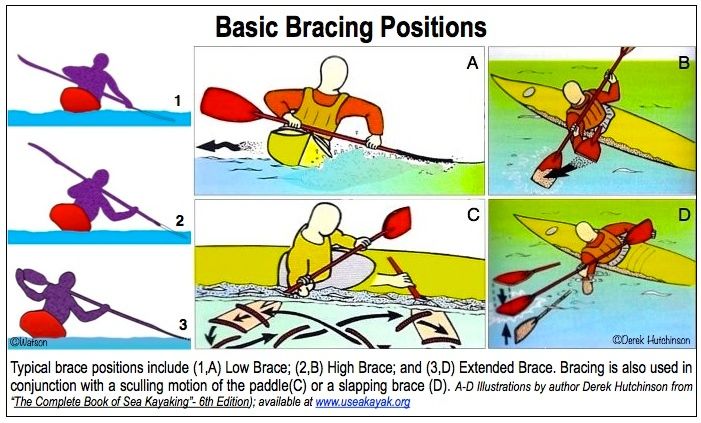
Bracing is a critical skill for maintaining balance in unpredictable waters. It involves using your paddle to stabilize the kayak when you feel like you might tip over. A high brace is your go-to move when the kayak leans suddenly. Keep your paddle parallel to the surface, with your elbows high. On the other hand, a low brace is ideal for milder shifts. Your paddle should be held low, close to your hips. Both techniques require practice, but once mastered, they offer immense security in rough waters.Edging And Leaning
Edging and leaning are techniques used to enhance maneuverability. By tilting the kayak on its side, you can make sharper turns and navigate tight spaces more effectively. Start by shifting your weight slightly to one side while maintaining balance. This subtle movement alters the kayak’s shape in the water, allowing it to glide more efficiently. Remember, it’s all about finding the sweet spot between control and speed.Rolling A Kayak
Rolling a kayak can seem daunting, but it’s an essential skill for every advanced paddler. It enables you to recover from a flip without exiting the kayak. Begin by positioning your paddle perpendicular to the kayak and using your hips to initiate the roll. The key is to remain calm and focused, allowing your body to naturally complete the motion. Have you ever wondered how seasoned kayakers return upright with such ease? It’s all about practice and understanding the mechanics of the roll. As you improve, this technique will give you the confidence to tackle more challenging waters.
Credit: www.youtube.com
Navigating Different Waters
Discover the art of kayaking by learning to paddle efficiently. Grip the paddle firmly, engage your core, and maintain balance. Adjust strokes to navigate calm lakes or swift rivers, ensuring a smooth and enjoyable journey on the water.
Navigating Different Waters Kayaking opens up a world of adventure, and each type of water presents its own challenges and rewards. As you venture into diverse aquatic landscapes, understanding how to handle your kayak in varying conditions is crucial. From serene lakes to tumultuous rivers, knowing how to adapt your paddling techniques ensures both safety and enjoyment.Handling Calm Waters
Calm waters are a kayaker’s dream and provide the perfect setting for beginners to practice their skills. Imagine gliding across a glassy lake, surrounded by nature’s tranquility. Focus on maintaining a steady rhythm with your paddle strokes. Relax your grip to prevent fatigue, letting the paddle do the work. Use your core muscles to propel the kayak efficiently. This not only conserves energy but keeps your movements smooth and controlled.Paddling In Rough Waters
Rough waters demand heightened awareness and a bit of courage. The thrill of navigating choppy waves can be exhilarating but requires skill. Keep your kayak perpendicular to the waves to prevent capsizing. This technique helps you maintain control and balance. Use short, quick strokes to maneuver through turbulent sections. Adjust your speed and direction based on the water’s behavior.Dealing With Wind And Currents
Wind and currents can be unpredictable, adding an exciting layer to your kayaking experience. They can either be your ally or adversary, depending on how well you adapt. Angle your kayak into the wind to reduce resistance. This helps you stay on course without exhausting yourself. Monitor the current’s direction and strength. Use it to your advantage by paddling along with it when possible, making your journey smoother and faster. How do you handle unexpected challenges while kayaking? Embracing these dynamic conditions can make your water adventures more rewarding.Training And Practice
Training and Practice Paddling a kayak requires balance and coordination. Begin with short sessions to build strength and confidence. Practice in calm waters, focusing on proper stroke techniques and posture.
Training and practice are essential for paddling a kayak effectively. Building skills with regular practice helps increase confidence on the water. Whether you’re a beginner or experienced, consistent training refines technique and boosts endurance. Explore various training methods to find what suits you best.Joining A Kayaking Club
Joining a kayaking club offers numerous benefits. Clubs provide a supportive community for learning and growth. Members often share tips and techniques. Regular group outings enhance practical experience. Clubs also arrange events and races, adding excitement and motivation. Being part of a club keeps you engaged and committed.Taking Professional Lessons
Professional lessons offer structured learning. Instructors teach you correct techniques and safety measures. Lessons focus on developing your paddling skills efficiently. Experienced trainers provide personalized feedback. This helps you improve quickly. Professional guidance ensures you learn in a safe environment.Self-practice Tips
Self-practice is a flexible way to improve. Start in calm waters to build confidence. Focus on maintaining a steady paddle rhythm. Practice different strokes for versatility. Use videos and guides for self-assessment. Keep track of your progress. Regular practice helps reinforce skills learned.Common Mistakes To Avoid
Gripping the paddle too tightly can tire your hands quickly. Sitting upright helps maintain balance and control. Always keep the paddle blade fully submerged to move efficiently.
Paddling a kayak can be a thrilling experience, offering a unique way to explore nature. However, many beginners encounter common mistakes that can dampen the enjoyment and safety of this adventure. By understanding these pitfalls, you can ensure a smoother and more enjoyable kayaking experience.Overusing Arms
One common mistake is relying too much on your arms. You might think that power comes from the arms, but effective paddling actually involves your entire body. Use your torso to rotate and engage your core muscles. This helps distribute effort and prevents fatigue. Have you ever felt sore after kayaking? That’s a sign you’re overusing your arms. Instead, try to paddle as if you’re performing a dance, where your body flows with each stroke. This approach not only enhances stamina but also improves your technique.Ignoring Safety Measures
Safety should always be a priority, yet many paddlers neglect crucial safety practices. Wearing a life jacket isn’t just a recommendation; it’s a must. Even experienced kayakers can encounter unforeseen challenges. Consider the weather and water conditions before heading out. If the forecast warns of high winds or storms, rethink your plan. Safety measures are like insurance; you may not need them often, but when you do, they can save your life.Poor Posture Habits
Maintaining proper posture is key to a comfortable paddling experience. Slouching or leaning too far forward can lead to back pain. Sit upright and ensure your back is supported by the seat. Imagine you’re sitting at a desk for hours—poor posture leads to discomfort, right? The same applies to kayaking. Correct posture not only enhances comfort but also improves your paddling efficiency. Adjust your foot pedals and seat to find the most ergonomic position. Have you checked your posture lately? Small adjustments can make a big difference in your kayaking adventures.Maintaining Your Kayak
Proper paddling keeps your kayak in good shape and ensures smooth movement on water. Start with a relaxed grip on the paddle, using your core muscles to propel the kayak. Maintain a steady rhythm to enhance efficiency and reduce fatigue.
Maintaining your kayak is crucial for ensuring a safe and enjoyable paddling experience. Just like any prized possession, your kayak requires regular care and attention. With a little effort, you can extend its lifespan and keep it in top condition for all your adventures.Cleaning And Storage
After each paddle, rinse your kayak with fresh water. This removes salt, sand, and debris that can wear down the material over time. Use mild soap for a more thorough clean, especially if you’ve been paddling in saltwater. Store your kayak in a cool, dry place. Avoid direct sunlight, as UV rays can degrade the material. If you don’t have indoor storage, invest in a quality kayak cover to shield it from the elements.Regular Inspections
Make a habit of inspecting your kayak before and after each use. Check for cracks, holes, or any signs of wear and tear. Pay special attention to the hull and fittings. Catching minor issues early prevents them from becoming major problems. It’s like finding a small leak in a boat; addressing it promptly can save you from a sinking situation down the line.Repairing Minor Damages
Minor damages are inevitable but manageable. Small scratches can often be polished out with a plastic polish or wax. For more significant damage, consider using a repair kit designed for your kayak’s material. Patch kits are great for small holes or tears. With a bit of practice, you can handle these repairs yourself, saving time and money. Remember, a well-maintained kayak is your ticket to countless adventures on the water. Why let a simple scratch hold you back from exploring new horizons?
Credit: tomoutdoors.com
Exploring Kayak Adventures
Paddling a kayak opens doors to unique adventures. It lets you explore hidden waterways, observe wildlife, and connect with nature. Whether you’re new to kayaking or a seasoned paddler, each trip offers fresh experiences.
Planning a kayak adventure requires thoughtful preparation. It ensures a safe and enjoyable experience. Let’s dive into how you can plan and embark on your next kayak journey.
Planning A Kayak Trip
Start by assessing your skills and experience. Beginners should choose calm waters. More experienced paddlers might seek challenging routes. Decide the length of your trip. A day trip is good for beginners. Longer trips require more planning and gear.
Gather necessary equipment. Essential items include a paddle, life jacket, and waterproof bag. Check the weather forecast. Avoid trips during storms or high winds. Inform someone about your trip plans for safety. Prepare a checklist to ensure nothing is forgotten.
Choosing Destinations
Select destinations that match your skill level. Research scenic spots and local attractions. National parks often have beautiful waterways. Local lakes and rivers can be serene and picturesque. Consider accessibility and travel distance. Some spots require permits or fees.
Look for destinations with unique features. A location with caves or rock formations can be exciting. Waterways with historical significance add interest to your adventure. Choose a place that aligns with your interests and curiosity.
Understanding Local Regulations
Every area has specific kayaking rules. Learn about these regulations before your trip. Some places require permits for kayaking. Others may restrict access during certain times. Respect wildlife and natural habitats.
Check for safety guidelines. Some locations have life jacket requirements. Follow all posted signs and warnings. Being informed and compliant ensures a safe and enjoyable experience. Equip yourself with knowledge for responsible paddling.
Frequently Asked Questions
What Is The Correct Way To Paddle A Kayak?
Sit upright and grip the paddle with both hands, shoulder-width apart. Use your core muscles, not just arms. Dip the blade fully into the water, alternating sides. Keep strokes smooth and consistent. Maintain a relaxed grip to avoid fatigue and ensure control.
What Are The Three Golden Rules Of Kayaking?
The three golden rules of kayaking are: maintain a balanced posture, use efficient paddling techniques, and stay aware of your surroundings. These rules help ensure safety and enhance your kayaking experience. Always prioritize safety, and enjoy the adventure on the water.
How To Kayak Properly For Beginners?
Begin kayaking by sitting straight and holding the paddle correctly. Engage your core for balance. Use smooth, alternating strokes to move. Practice steering by dipping the paddle deeper on one side. Always wear a life jacket for safety.
What Is The Leading Cause Of Death In Kayaks?
Capsizing is the leading cause of death in kayaks. Lack of proper safety gear and experience increases the risk. Always wear a life jacket and check weather conditions.
Conclusion
Paddling a kayak can be a thrilling adventure. With each stroke, you connect with nature. Remember to maintain a good posture while paddling. Stay balanced and use your core muscles. Practice makes it easier and more enjoyable. Always wear a life jacket for safety.
Keep your movements smooth and steady. Enjoy the peace and beauty of the water. Feel the rhythm and embrace the flow. Kayaking offers both relaxation and excitement. So, grab your paddle and start exploring. The water awaits your adventure!