
Have you ever stood by the water and wondered whether you should hop into a kayak or a canoe? These two vessels might look similar at first glance, but they offer different experiences on the water.
Knowing their differences can help you make the best choice for your next adventure. Imagine gliding smoothly across a serene lake, feeling the rhythm of your paddle, and embracing the tranquility around you. But which should you choose for that perfect day out?
By understanding the unique features and advantages of each, you can ensure your time on the water is exactly what you envision. Dive into this article to unravel the mysteries and make an informed decision that matches your needs and desires.
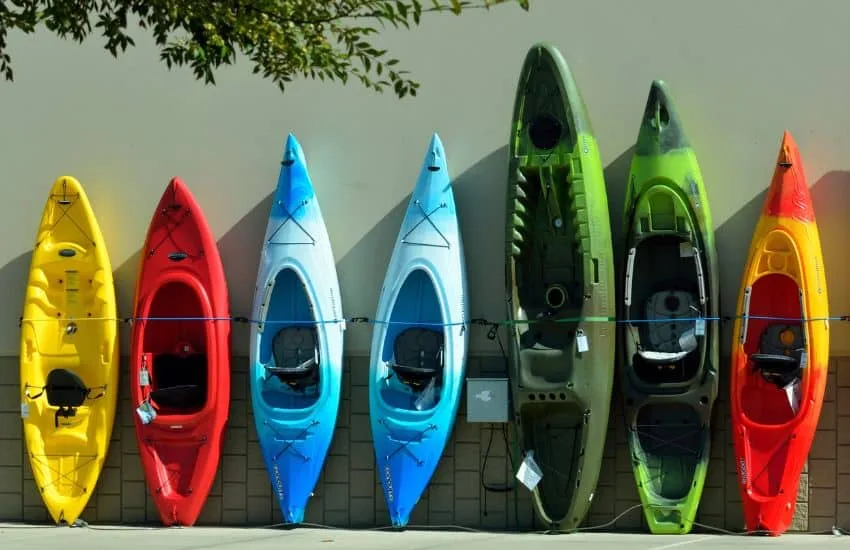
Credit: stevecleverdon.com
Basic Design Differences
Understanding the basic design differences between kayaks and canoes can help you decide which watercraft is best suited for your next adventure. Whether you’re planning a serene paddle on a calm lake or an exhilarating ride on a rushing river, knowing the structural distinctions can enhance your experience. Both kayaks and canoes offer unique features that cater to different needs and preferences. Let’s delve into their individual designs.
Kayak Structure
Kayaks are generally sleeker and designed for speed. The enclosed cockpit keeps you low to the water, providing stability and ease of maneuverability.
- Kayaks have a double-bladed paddle allowing for efficient propulsion.
- Many models include foot braces and rudders for enhanced control.
- Storage is typically found within the hull, offering secure space for gear.
Imagine gliding swiftly across a tranquil lake, the kayak seamlessly cutting through the water. This design is perfect for those who prefer a snug fit and agile movement.
Canoe Structure
Canoes offer a more open design, allowing for versatile use and easy access. The spacious interior can accommodate more passengers and gear.
- Canoes use a single-bladed paddle, which requires alternating sides to steer.
- The high sides provide protection from splashes and are great for stability.
- Open decks make it easy to load and unload equipment.
Picture yourself leisurely paddling down a winding river, surrounded by nature. The canoe’s design invites a relaxed pace and is ideal for family outings or fishing trips.
Have you ever wondered which design would suit your style best? Think about how you plan to use your watercraft and what features matter most to you. Each design has its own charm and advantages, making your choice a personal reflection of how you connect with the water.
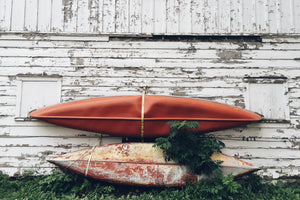
Credit: www.baysports.com.au
Paddle Variations
Kayaks have a closed deck, and paddlers use a double-bladed paddle. Canoes feature an open deck with single-bladed paddles. These differences affect handling and speed.
Understanding the differences in paddle variations can significantly enhance your paddling experience, whether you’re kayaking or canoeing. The type of paddle you choose directly affects your speed, control, and overall enjoyment on the water. Here, we dive into the distinct features of kayak and canoe paddles, helping you make an informed choice for your next adventure.Kayak Paddle
Kayak paddles are double-bladed. Each end has a blade, allowing you to paddle on both sides without switching hands. These paddles are designed for efficiency, maximizing your ability to move swiftly through the water. They are held with both hands and used in a continuous, alternating motion. The length of a kayak paddle varies depending on the width of the kayak and the height of the paddler. As a general rule, longer paddles are suited for wider kayaks. Have you ever tried using a kayak paddle in rough waters? The double-blade design makes it easier to stabilize and navigate.Canoe Paddle
Canoe paddles are single-bladed. You use one hand on the grip and the other on the shaft, typically paddling on one side at a time. These paddles are simpler and more traditional, offering a classic canoeing experience. They require you to switch sides to maintain a straight course, fostering a rhythm that many find meditative. Canoe paddles come in various lengths and shapes, with different blade types suited for specific water conditions. Some paddlers prefer a shorter paddle for quick, agile strokes, while others opt for a longer paddle for deeper waters. Have you considered the impact of paddle shape on your maneuverability in a canoe? It can make all the difference in tight spots or winding rivers. Choosing between a kayak and a canoe paddle is more than a matter of preference; it’s about matching the paddle to your paddling style and environment. Which paddle do you think would suit your next adventure best?Seating Arrangements
Understanding the seating arrangements in kayaks and canoes is essential. It influences comfort, stability, and paddling efficiency. Let’s explore the seating differences between these two popular watercrafts.
Kayak Seating
Kayaks have a snug seating design. The paddler sits on the bottom of the kayak. Legs stretch forward, nestled inside the hull. This low seating position lowers the center of gravity. It increases stability and paddling power. Kayak seats often have backrests. They provide support during long paddling sessions. You find adjustable foot pegs too. They help in maintaining a comfortable posture.
Canoe Seating
Canoes feature a more open seating arrangement. Paddlers sit on benches or seats attached to the sides. These seats are elevated, offering a higher vantage point. The seating position allows more freedom to move. Paddlers can kneel or sit cross-legged. This flexibility suits different paddling styles and conditions. Canoe seats may lack backrests. You might need a cushion for added comfort.
Performance And Speed
Understanding the performance and speed of kayaks and canoes is crucial. These two watercrafts have unique designs that impact their movement. Their speed and performance vary based on several factors.
Kayak Speed
Kayaks are built for speed. Their sleek, narrow design cuts through water easily. Paddlers use double-bladed paddles, enhancing their speed. Kayaks are often faster than canoes. They are ideal for long-distance travel. The design helps maintain a steady pace. This makes them perfect for racing and touring.
Canoe Speed
Canoes have a wider and open design. This design affects their speed. They are generally slower than kayaks. Canoes use single-bladed paddles. This requires more effort to achieve speed. Canoes are stable and carry more weight. They are great for leisurely trips. Their design suits calm waters. This makes them popular for family outings.
Stability And Control
Understanding the stability and control of kayaks and canoes helps you choose the right one for your adventure. Both offer unique experiences on the water, but they differ in how they handle and how stable they feel. Let’s explore these differences to help you make an informed decision.
Kayak Stability
Kayaks are designed for streamlined movement. Their closed cockpit provides balance in rough waters. The hull shape enhances stability, especially in windy conditions. You sit low, which lowers the center of gravity. This design offers better stability for quick maneuvers.
Kayaks also have foot braces. These braces help maintain control and balance. They are ideal for navigating turbulent waters. Their design supports paddling efficiency and speed.
Canoe Stability
Canoes have an open design, offering a stable ride. Their wider hull makes them steady on calm waters. You sit higher, which can affect stability in waves. Canoes are great for leisurely trips on lakes and rivers.
The flat bottom of a canoe provides balance. This design is perfect for beginners. Canoes offer more space, allowing movement inside. They are excellent for carrying gear and passengers comfortably.

Credit: stevecleverdon.com
Usage And Activities
The choice between a kayak and a canoe can often depend on the activities you plan to engage in. Both offer unique experiences tailored to different interests and environments. Understanding their usage can help you decide which vessel is ideal for your next adventure.
Kayak Activities
Kayaks are versatile and perfect for high-energy activities. If you love the thrill of speed, kayaking through whitewater rapids might be your calling. The sleek design helps you navigate swiftly through turbulent waters.
For those who enjoy a peaceful paddle, sea kayaking offers a scenic journey along coastlines. Imagine gliding silently beside majestic cliffs and exploring hidden coves.
Kayaks are also great for fishing enthusiasts. The compact design allows for easy maneuvering, letting you reach spots that larger boats can’t. Many kayaks come equipped with rod holders, making fishing more convenient.
Canoe Activities
Canoes are ideal for leisurely explorations on calm waters. Picture yourself paddling down a serene river, surrounded by lush greenery and the sounds of nature.
If you’re planning a family outing, a canoe provides ample space for extra passengers and gear. They’re perfect for picnics on a secluded riverbank or a leisurely day of exploring.
Canoes are also favored for long-distance trips. Their stability and capacity make them suitable for carrying camping equipment, allowing you to embark on multi-day adventures.
So, what suits your style? Whether it’s the exhilaration of rapid waters or the tranquility of a placid lake, choosing the right vessel can transform your outdoor experience.
Materials And Durability
Kayaks and canoes differ in materials and durability. Kayaks often use polyethylene for lightweight and resilient builds. Canoes, crafted from wood or aluminum, offer robust structure but vary in weight and maintenance needs. Each material influences the longevity and performance of these watercraft.
Kayaks and canoes differ significantly in their materials and durability. Understanding these differences can help you choose the right vessel for your needs. Material choice affects how well a boat performs and lasts. Both kayaks and canoes offer unique advantages depending on their construction.Kayak Materials
Kayaks are often made from lightweight materials. Many are crafted from fiberglass, which provides smooth gliding and durability. Plastic kayaks are popular for their affordability and toughness. Some high-end models use carbon fiber, offering strength without added weight. Inflatable kayaks use durable PVC, making them easy to store and transport.Canoe Materials
Canoes have diverse material options, each serving different purposes. Aluminum canoes are durable and resist rust. Wooden canoes offer classic appeal and are often handmade. Fiberglass canoes are lightweight and perform well in water. Royalex, a plastic composite, is popular for its resilience and impact resistance. Inflatable canoes are crafted with sturdy materials like vinyl or PVC. Choosing between a kayak and canoe depends on your material preference. Each offers unique benefits tailored to different activities and environments.Historical Background
The world of watercraft is fascinating, filled with intriguing histories that reveal the evolution of human ingenuity. Kayaks and canoes, while both navigational marvels, boast distinct historical backgrounds that shaped their designs and uses. Understanding these origins not only deepens your appreciation but also enriches your paddling experience.
Origins Of Kayaks
Kayaks trace their roots back to the icy waters of the Arctic, where indigenous people like the Inuit crafted them for hunting and transportation. These early kayaks were ingeniously constructed using materials like driftwood for the frame and animal skins for the covering, designed to be nimble and stealthy. Imagine gliding silently across frigid waters, a seal hunter’s dream come true.
Their design was a necessity, offering protection from the harsh elements while ensuring maneuverability. Kayaks were personal vessels, tailored to fit the individual and enhance their hunting efficiency. This intimate connection between the paddler and their craft continues to influence modern kayak designs today.
Origins Of Canoes
Canoes have a different story, with origins that span continents and cultures. They were developed by the Native Americans and other indigenous groups who utilized them for trade, transport, and fishing. Unlike the enclosed kayak, the open design of canoes allowed for carrying more passengers and cargo, making them ideal for communal and practical purposes.
The construction of early canoes varied widely, from dugouts carved from single tree trunks to birch bark canoes, showcasing the adaptability of human innovation. Picture yourself in a birch bark canoe, paddling silently through serene waters, a testament to the ingenuity of its creators.
Both kayaks and canoes demonstrate how environment and necessity drive invention. Next time you’re paddling, consider the legacy of your watercraft and how its past continues to shape your experience. Which vessel’s history resonates more with you, and how does it influence your choice on the water?
Choosing The Right Watercraft
Choosing the right watercraft can be an exciting decision. Each watercraft offers unique experiences on the water. Understanding these differences helps in making the best choice. Whether you’re seeking adventure or tranquility, the right craft enhances your journey.
Factors To Consider
When selecting between a kayak and a canoe, consider several factors. The type of water you’ll navigate plays a crucial role. Kayaks perform well in rough waters, providing stability. Canoes are ideal for calm lakes and rivers.
Think about the number of people joining you. Canoes offer more space, accommodating families or groups. Kayaks are usually for solo or tandem adventures.
Evaluate your storage space and transport options. Kayaks are generally more compact and easier to transport. Canoes, being larger, require more storage space and effort to move.
Personal Preferences
Your personal preferences are vital in choosing the right watercraft. If you enjoy speed and agility, a kayak might be your preference. Its sleek design allows for swift movement through water.
If comfort and leisurely paddling appeal more, consider a canoe. It offers a spacious and stable ride, perfect for relaxed outings.
Think about your paddling style. Kayaking involves a double-bladed paddle, offering a full-body workout. Canoeing uses a single-bladed paddle, focusing on arm strength and technique.
Frequently Asked Questions
What Makes A Canoe Different From A Kayak?
Canoes have an open deck, while kayaks feature a closed deck with a cockpit. Canoe paddlers use single-bladed paddles. Kayakers use double-bladed paddles. Canoes usually accommodate more people, whereas kayaks are designed for solo or tandem use. Canoes are ideal for calm waters; kayaks suit varied conditions.
Is It Easier To Canoe Or Kayak?
Kayaking is generally easier for beginners due to its stability and simpler paddling technique. Canoeing requires more skill for steering and balance. Both offer unique experiences and depend on personal preference and comfort level. Try both to see which suits you best.
Is A Kayak Considered A Canoe?
A kayak is not considered a canoe. They are distinct types of watercraft. Kayaks have a closed deck and are paddled with a double-bladed paddle. Canoes have an open design and use a single-bladed paddle. Both offer unique experiences on the water, appealing to different preferences.
Is A Kayak Or Canoe Better For The Ocean?
Kayaks are generally better for the ocean due to their stability and ease of maneuvering in rough waters. Canoes can struggle with waves and strong currents, making them less suitable for ocean paddling. Choose a sea kayak for optimal safety and performance in ocean environments.
Conclusion
Kayaks and canoes offer unique water experiences. Both have their own benefits. Kayaks are sleek and fast, ideal for solo adventures. Canoes provide stability and space, perfect for family trips. Choosing between them depends on your needs. Consider your destination and group size.
Think about the type of water journey you prefer. Whether you choose a kayak or a canoe, enjoy the beauty of nature. Feel the thrill of paddling. Explore new places. Experience the joy of being on water. Make lasting memories.