Are you ready to hit the water but feeling a bit daunted by the thought of getting your kayak there all by yourself? You’re not alone.
Many paddling enthusiasts face the challenge of transporting their kayak without any help. The good news is, with the right techniques, you can easily manage this task on your own. Imagine the freedom of not having to rely on anyone else to enjoy your kayaking adventures.
Your journey to mastering this skill starts now. Keep reading to discover practical tips and tricks that will make carrying your kayak solo a breeze. You’ll be surprised at how simple it can be once you know the secrets.

Credit: www.tiktok.com
Choosing The Right Kayak
Choosing the right kayak is crucial for solo carrying. A kayak’s design affects ease of transport. Consider weight, size, and material. These factors impact handling and comfort. Let’s explore how these elements influence your choice.
Weight And Size Considerations
Lightweight kayaks are easier to carry alone. They reduce strain on your body. Check the kayak’s length and width. Compact designs are simpler to handle. A manageable size ensures better balance and control.
Material And Design Features
Kayak materials affect weight and durability. Plastic kayaks are lighter and cheaper. Fiberglass offers more strength and stability. Design features enhance portability. Look for handles and ergonomic shapes. These features improve grip and comfort. Streamlined designs make solo carrying easier.
Preparing For Transport
Carrying a kayak alone requires careful planning. First, balance the kayak on your shoulder for stability. Ensure the weight is evenly distributed to prevent strain.
Preparing to transport a kayak by yourself demands careful planning and attention. Ensuring you have the right equipment and safety measures is crucial. Each element plays a role in making the transport process smooth and secure. Let’s explore the essential gear and precautions needed for a successful solo kayak transport.Essential Gear And Accessories
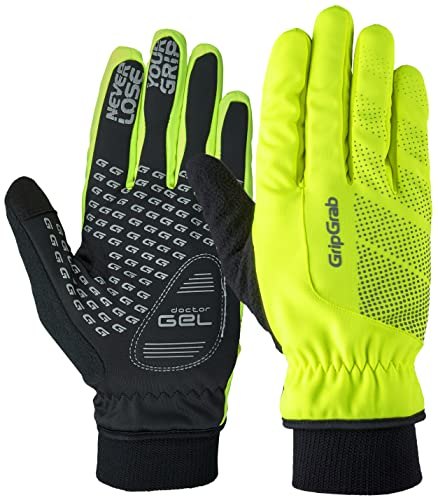
Choosing the right gear simplifies the transport task. A kayak cart can be a valuable tool. It helps in carrying the kayak over long distances. Look for carts with sturdy wheels for uneven terrain. Consider a kayak roof rack for your vehicle. It secures the kayak during travel. Straps are necessary to fasten the kayak on the rack. Always check the durability of straps before use. Investing in a kayak cover protects from scratches and dirt. Gloves can provide grip and protect your hands.Safety Measures And Precautions
Safety should be your top priority. Plan your route before you start. Avoid steep or slippery paths. Wear comfortable shoes with good grip. Check the weight of your kayak. Ensure you can lift it safely. Bend your knees when lifting to protect your back. Keep the path clear of obstacles. Be aware of weather conditions. Wind can make carrying more difficult. Inform someone about your transport plans. Carry a phone for emergencies. Being prepared enhances safety and reduces risks.Lifting Techniques
Carrying a kayak alone requires balance and strength. Start by positioning the kayak on its side. Lift with your legs, not your back, to prevent injury. Place the kayak on your shoulder, using the cockpit rim for support. Adjust your grip for stability and walk slowly to your destination.
Lifting a kayak by yourself can seem daunting. But with the right techniques, it’s manageable and safe. Understanding proper lifting methods is crucial. It helps avoid injuries and makes your kayaking experience more enjoyable. Let’s explore effective lifting techniques to carry your kayak with ease.Proper Grip And Posture
A secure grip is essential. Hold the kayak’s edge firmly. Ensure your hands are balanced. Keep your feet shoulder-width apart. This stance provides stability. Maintain a straight back. Align your body with the kayak. This posture prevents strain on your spine. Your arms should be slightly bent. This helps distribute the weight evenly. A good grip and posture make lifting safer.Using Legs Instead Of Back
Always lift with your legs. Bend your knees, not your back. Legs are stronger than the back muscles. They can handle more weight. Keep the kayak close to your body. This reduces strain. Push up using your legs. Straighten them as you lift. This method protects your back from injury. Practice this technique to improve your lifting skills.Balancing The Kayak
Carrying a kayak solo involves balance and technique. Hoist the kayak onto your shoulder using your dominant arm. Keep the kayak centered to prevent tipping and ensure a comfortable grip.
Balancing a kayak by yourself can feel like quite the challenge. It’s all about mastering the art of equilibrium. When you find that sweet spot, carrying your kayak becomes a breeze.Centering The Weight
Centering the weight of your kayak is your first task. Start by finding the midpoint of your kayak. This is typically where the handle or carry point is located. Use this as your balancing reference. Adjust your grip until the kayak feels even on both sides. Practice this a few times to build confidence. Imagine the kayak as a seesaw. If one end tips downward, shift your grip until it levels out. This will prevent unnecessary strain on your arms and shoulders.Maintaining Stability
Stability is crucial when you’re moving with your kayak. Ensure your feet are shoulder-width apart. This stance will give you a solid foundation. Keep your core engaged to support your back. It acts like your body’s natural stabilizer. Have you ever noticed how tightrope walkers focus on a point to maintain balance? Try focusing on a point ahead of you to stay steady. Avoid sudden movements. They can throw off your balance and make the kayak wobble. Feel free to take small, deliberate steps. This reduces the risk of tripping or losing your footing. Balancing a kayak alone can be empowering. With practice, you’ll carry it with ease and confidence.Navigating Obstacles
Carrying a kayak alone requires proper technique and balance. Use a shoulder strap or foam block for support. Practice lifting with your knees, not your back, to avoid injury.
Navigating obstacles while carrying a kayak solo requires strategy and patience. Encountering uneven surfaces or tight spaces can be tricky. With the right techniques, you can move smoothly and safely.Handling Uneven Surfaces
Uneven surfaces can make carrying a kayak challenging. Begin by assessing the terrain. Look for stable ground where you can walk steadily. Bend your knees slightly for better balance. This helps avoid slipping or losing control. Gripping the kayak firmly is crucial. Use both hands to hold the edges securely. This provides stability as you maneuver through rough patches. Wearing non-slip shoes can increase traction and prevent falls.Managing Tight Spaces
Tight spaces demand careful navigation. First, measure the width of the space visually. Ensure the kayak can fit through without scraping walls. Keeping the kayak upright aids in maneuvering narrow areas. Tilt the kayak slightly to reduce its width. This allows it to pass through tight spots easily. Move slowly to maintain control and prevent damage. Practicing patience is key when dealing with confined spaces.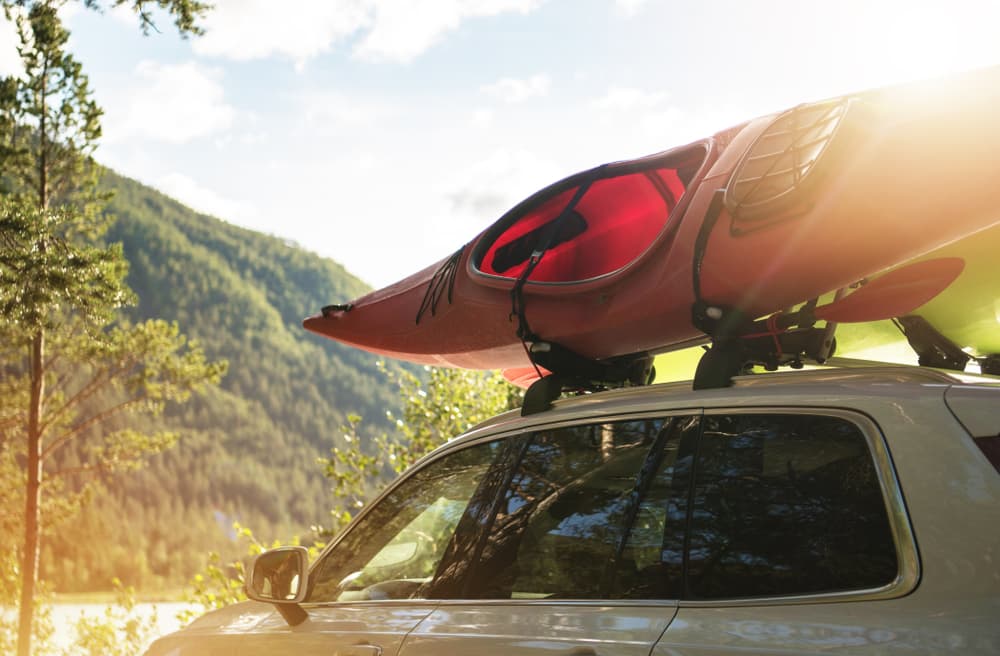
Credit: paddling.com
Using Tools And Aids
Carrying a kayak alone can be made easier with tools like kayak carts or shoulder straps. These aids distribute weight evenly, reducing strain and allowing for smoother transportation. Consider lightweight options that are easy to attach and remove for a hassle-free experience.
Carrying a kayak by yourself can be a daunting task, especially if you’re venturing out alone. However, the right tools and aids can transform this chore into a manageable, even enjoyable, part of your kayaking adventure. Let’s explore some of these practical aids that can help you transport your kayak with ease and confidence.Harnesses And Straps
Harnesses and straps are a simple yet effective way to manage the weight of your kayak. They allow you to distribute the weight evenly across your body, reducing strain on your arms and back. Imagine using a harness that wraps around your shoulders and secures the kayak to your side. This setup frees up your hands and helps maintain balance. Look for harnesses with padded straps for added comfort during longer hauls. Have you ever tried using adjustable straps? They can be a game-changer, letting you tighten or loosen the grip as needed. This ensures your kayak stays secure, whether you’re navigating a sandy beach or a rocky path.Trolleys And Carts
Trolleys and carts are another fantastic option for solo kayak transport. These wheeled devices let you roll your kayak over various terrains without lifting it entirely. Picture a trolley with large, durable wheels that glide over sand, gravel, and grass. It’s like having a portable dock at your disposal, making the journey to the water’s edge seamless. Think about the convenience of collapsing the cart to fit into your kayak once you reach your destination. This not only saves you from carrying extra gear but also keeps your kayaking kit compact and organized. Have you ever wondered if investing in a trolley is worth it? Consider the ease it brings to frequent solo trips. A trolley not only saves your energy for paddling but also adds an element of fun to the entire experience. With these tools and aids, carrying your kayak alone becomes less of a hassle and more of a strategic part of your adventure. So next time you plan a solo trip, think about how you can make the journey as enjoyable as the destination.Practicing Regularly
Practicing regularly helps you carry a kayak alone with confidence. It builds your strength and enhances your technique. Regular practice makes the task manageable and routine. Start small, then gradually increase the challenge. This habit will make kayaking more enjoyable and less stressful. Let’s explore how practice benefits strength and technique.
Building Strength And Endurance
Carrying a kayak requires strong muscles and stamina. Practice helps develop these essential attributes. Start with exercises like squats and lunges. These build leg strength, crucial for stability. Add push-ups and planks to strengthen your core and arms. As you practice, your endurance improves. You can carry the kayak longer without tiring. Consistent training leads to gradual progress.
Refining Technique
Technique matters when carrying a kayak alone. Regular practice refines your skills. Begin by lifting the kayak from the correct position. Bend your knees and keep your back straight. This prevents injuries and aids balance. Practice using straps or handles for better grip. Adjusting your grip as needed helps maintain control. Each practice session offers a chance to improve. Over time, your technique becomes second nature.

Credit: www.facebook.com
Common Mistakes
Incorrect lifting techniques can lead to injury when carrying a kayak alone. Many people underestimate the kayak’s weight, causing strain. Ensure you have a clear path to avoid tripping hazards.
Common Mistakes Many people struggle to carry a kayak alone. They often make simple mistakes that can lead to discomfort or damage. Knowing these common errors can help you avoid them.Avoiding Overexertion
Overexertion is a frequent mistake. People underestimate the weight of a kayak. Lifting without preparation can strain muscles. Use proper techniques to lift. Bend your knees, not your back. Balance the kayak properly before moving. Take breaks if needed. Listen to your body and don’t rush.Preventing Kayak Damage
Another common issue is kayak damage. Dragging can scratch or dent the surface. Use a kayak cart for easier transport. Make sure the kayak is balanced. Avoid rocky or rough terrain. Protect the edges by lifting carefully. Use padding or a blanket under the kayak. This prevents unwanted scratches.Frequently Asked Questions
Can I Carry A Kayak By Myself?
Yes, you can carry a kayak by yourself. Use a kayak cart or shoulder strap for easier transport. Ensure proper lifting techniques to avoid injury. Lightweight kayaks are easier to manage alone. Practice handling and balancing the kayak for safe transportation.
Always check the kayak’s weight and your physical capability.
What Is The 120 Rule For Kayaking?
The 120 rule for kayaking ensures safety in cold waters. Combine air and water temperatures; if they total 120°F or less, wear a wetsuit or drysuit. This prevents hypothermia by keeping the body warm, promoting safe kayaking experiences in cooler conditions.
How To Lift A Kayak By Yourself?
Position the kayak on its side. Squat beside it, grasp the cockpit rim, and use your legs to lift. Balance the kayak on your shoulder, ensuring even weight distribution. Walk slowly to your destination, maintaining balance.
What Is The Easiest Way To Transport A Kayak?
Use a roof rack to transport your kayak securely. Strap it tightly for safe and easy travel. Consider foam blocks or a kayak carrier for added protection and stability. This method is efficient for most vehicles and ensures your kayak remains intact during transportation.
Conclusion
Carrying a kayak alone can seem challenging. But it’s doable with practice. Remember to use proper lifting techniques. Protect your back and knees. Choose the right equipment for your needs. A kayak cart or shoulder strap helps a lot. Practice makes perfect, so don’t rush.
Take breaks if needed. Always prioritize safety over speed. Confidence grows with each attempt. Soon, carrying your kayak will feel easier. Enjoy your time on the water. And remember, preparation is key. Happy kayaking!