
Picture this: It’s a sunny Saturday morning, and you’re gearing up for an exciting day of kayaking on the serene lake you’ve been dreaming about. Your kayak is ready, and your spirits are high.
But there’s one crucial step before you hit the road – safely securing your kayak to your car’s roof rack. If you’ve ever struggled with tangled straps or worried about your kayak shifting mid-drive, you’re not alone. Learning how to tie your kayak to a roof rack not only ensures a safe journey but also gives you peace of mind.
In this guide, you’ll discover the step-by-step process to effortlessly and securely fasten your kayak. So, let’s dive in and make sure your adventure starts on the right note!
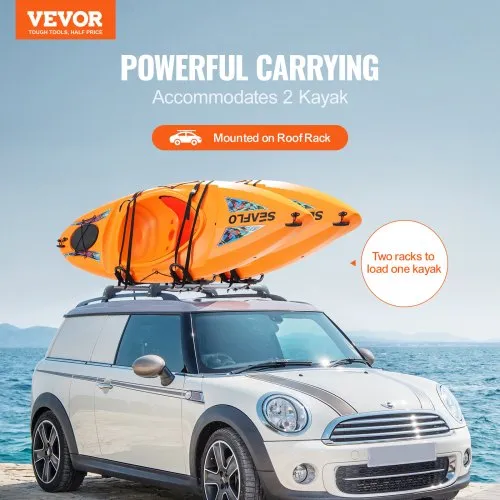
Credit: www.vevor.com.au
Choosing The Right Roof Rack
Secure your kayak with strong straps to the roof rack. Place the kayak right-side up, aligning it with the vehicle. Fasten the straps tightly around the kayak, ensuring it doesn’t shift during travel.
Choosing the right roof rack is a crucial step in ensuring your kayak is securely tied and transported safely. A roof rack acts as the foundation, providing stability and support during the journey. But how do you know which one is right for your needs? Understanding the types of roof racks and their compatibility with your vehicle can make all the difference.Types Of Roof Racks
Different types of roof racks offer various features that cater to specific requirements. Consider the following options:- Crossbars:These are the most common types and provide a sturdy base for tying down kayaks. They are versatile and can be adapted to different attachments.
- J-Cradles:Designed specifically for kayaks, J-cradles hold the kayak on its side, maximizing space on your roof rack.
- Saddle Racks:These are perfect for larger kayaks, offering a secure hold with padded supports to protect the kayak’s surface.
Compatibility With Your Vehicle
Before selecting a roof rack, ensure it is compatible with your vehicle’s make and model. Here are some considerations:- Factory Rails:If your vehicle has factory-installed rails, you’ll need a rack that fits these specifications.
- Roof Type:Is your vehicle’s roof flat, round, or raised? Each type requires different mounting options.
- Weight Capacity:Ensure the roof rack can support the weight of your kayak, especially if you plan to carry additional gear.

Credit: www.reddit.com
Preparing Your Kayak
Securing your kayak to a roof rack is essential for safe transport. Use sturdy straps, loop them through the kayak handles, and tighten securely. Double-check the knots and ensure the kayak is stable before driving.
Preparing your kayak for transport is crucial. A well-prepared kayak ensures a smooth journey to your adventure spot. Before loading it onto your roof rack, take some time to ready your kayak. This involves inspecting it for damage and cleaning it thoroughly. These steps not only help in maintaining the kayak’s longevity but also provide a better experience on the water.Inspecting For Damage
Check your kayak for any signs of damage. Look for cracks or dents on the hull. These can affect its performance in the water. Inspect the cockpit and storage areas. Make sure they are intact and functional. If you spot any issues, address them before transport. This ensures your kayak remains safe and ready for use.Cleaning Before Transport
Clean your kayak before placing it on the roof rack. Remove dirt and debris from the surface. This prevents scratches during transport. Wipe down the kayak with a damp cloth. Ensure all areas are clean, especially the bottom. A clean kayak is easier to load and secures better. Proper cleaning also prolongs its life and keeps it looking good.Securing The Kayak
Securing a kayak to a roof rack involves using sturdy straps to keep it in place. Position the kayak evenly on the rack, ensuring the straps are tight but not damaging. Double-check all fastenings to ensure the kayak is secure before traveling.
Securing your kayak on the roof rack is crucial for a safe and hassle-free journey. Even a slight oversight can lead to complications on the road, and nobody wants their kayak tumbling onto the highway. Let’s explore how you can ensure your kayak is securely fastened, so you can focus on the adventure ahead.Positioning The Kayak Correctly
Proper positioning of the kayak on your roof rack is the first step in securing it. Begin by placing the kayak in the center of the roof rack to maintain balance. This helps prevent any swaying or shifting as you drive. Ensure the kayak is facing the right direction. Typically, the bow (front) should face forward, which reduces wind resistance. Imagine the kayak as an arrow slicing through the air, minimizing drag and noise.Using Straps Effectively
Straps are your best friends when it comes to securing the kayak. Use two high-quality straps, ideally made of durable nylon. These should be positioned over the kayak, one in front and one at the back. Thread the straps through the roof rack and around the kayak, ensuring they are tight and secure. A snug fit is key—avoid overtightening, which could damage the kayak. Always double-check by pulling the kayak slightly; it should not move. Finally, tie off any excess strap to prevent it from flapping in the wind. Loose ends can be distracting and may unravel, putting your kayak at risk. Consider this a small but vital step in your preparation. Have you ever driven with a poorly secured kayak? The anxiety is palpable! By following these steps, you ensure peace of mind and a smooth journey to your next paddling destination.Safety Checks
Secure your kayak efficiently with proper safety checks on your roof rack. Inspect straps for wear or damage. Ensure the kayak is centered and balanced, preventing shifts during transit.
Securing your kayak to the roof rack is only part of the task. Ensuring that it stays secure and doesn’t become a hazard requires a series of critical safety checks. These checks not only protect your kayak but also ensure the safety of everyone on the road. Let’s dive into essential safety checks that you should perform every time you tie down your kayak.Testing Strap Tightness
Strap tightness is vital for keeping your kayak stable. After securing your kayak, give the straps a firm tug. They should feel snug without any slack. If the straps move or feel loose, they need adjusting. Remember, the tighter the straps, the less likely your kayak will shift during transit. Over-tightening, however, can damage both your kayak and the straps themselves. Ask yourself, how confident are you in the tightness of those straps? It’s worth spending the extra time to ensure everything is just right.Ensuring Visibility
Visibility isn’t just about seeing the road; it’s about other drivers seeing you. Double-check that the kayak isn’t obstructing your mirrors or lights. Make sure your rearview mirror still offers a clear view of the road behind. Side mirrors should be unobstructed, allowing you full visibility. Consider the angle and placement of the kayak. Is it aligned properly so it doesn’t create blind spots? These checks might seem minor, but they can prevent major issues on the road. Always prioritize safety over speed when loading your kayak.Driving Tips With Roof-mounted Kayak
Securely tie your kayak to the roof rack using straps. Ensure straps are tight and evenly distributed. Avoid excessive speed to maintain stability while driving.
Driving with a kayak on your roof adds a new challenge. The extra weight and height affect your vehicle’s handling. It’s vital to adjust your driving habits for safety and stability. Here, we explore essential driving tips for a smooth journey with a roof-mounted kayak.Adjusting Driving Speed
Reduce your speed significantly. The kayak changes your car’s aerodynamics. Wind resistance increases, affecting fuel efficiency. Lower speeds enhance control and safety. Aim for a steady pace rather than frequent acceleration.Handling Turns And Stops
Approach turns with caution. The kayak shifts your vehicle’s center of gravity. Slow down before entering a turn. This prevents the kayak from swaying. Extend your braking distance. The extra weight impacts stopping time. Brake gently to avoid sudden shifts.Common Mistakes To Avoid
When you’re tying your kayak to your roof rack, ensuring it’s secure is crucial for a safe trip. However, there are common mistakes you might overlook, compromising both your journey and your kayak’s safety. Being aware of these pitfalls not only saves you time but also keeps your kayak firmly in place.
Overloading The Rack
It’s tempting to pile everything onto your roof rack, but overloading can lead to disastrous results. Roof racks have weight limits, and exceeding them affects your vehicle’s stability and fuel efficiency. Always check your rack’s weight capacity. You may need to redistribute or remove items to keep everything balanced.
Think about the last time you packed for a road trip. Did you throw everything on the rack without a second thought? Overloading isn’t just about weight—it’s also about how you distribute that weight. Keep heavy items in the center to avoid tilting. Your kayak should be the main focus, not an afterthought.
Neglecting Safety Checks
Skipping safety checks is a common mistake that can lead to your kayak shifting or even falling off. Before hitting the road, inspect your straps for wear and tear. A worn strap can snap under pressure, sending your kayak onto the highway. Double-check the knots and ensure they’re tight.
Consider your past experiences. Have you ever had to pull over because something was loose? A quick safety check can prevent that hassle. Make it a routine to walk around your vehicle, giving each strap a tug. This small act can save you from bigger problems down the road.
What if you’re in a rush? It’s easy to skip safety checks, but think of the consequences. Taking just five minutes for a thorough check can make your journey smoother and safer. Remember, a little precaution goes a long way in ensuring both your kayak and your travels remain secure.
Expert Recommendations
Secure your kayak with quality straps and padding. Position it evenly on the rack to avoid imbalance. Tighten straps firmly, ensuring stability during transit.
When securing a kayak to a roof rack, expert advice is invaluable. Proper techniques ensure your kayak stays safe during transit. Experts offer guidance on selecting the best equipment and maintaining it for long-term use.Choosing Quality Equipment
Invest in reliable roof racks and sturdy straps. Look for racks that fit your car and kayak securely. High-quality straps prevent slippage and withstand weather conditions. Nylon and polyester are strong choices. Use padding to protect the kayak’s surface. A good fit reduces wind resistance and noise. Consider racks with locks for added security.Maintenance Tips
Regularly inspect your roof rack for damage or wear. Check straps for fraying and replace them as needed. Clean your equipment to prevent rust and wear. Use mild soap and water for cleaning. Store straps in a dry place to prolong their lifespan. Keep your roof rack free from debris and dirt. Proper care ensures longevity and reliable performance.
Credit: www.youtube.com
Frequently Asked Questions
How To Hook Up A Kayak To A Roof Rack?
Position the kayak on the roof rack with its hull facing down. Use cam straps to secure it tightly. Ensure straps are looped through the rack and kayak, then tighten them. Check for stability by gently shaking the kayak. Make sure all straps are secured and not loose.
How To Properly Secure A Kayak On A Roof Rack?
Use padded cradles or foam blocks on the roof rack. Place the kayak upside down. Secure with cam straps, tightening evenly. Attach bow and stern lines to the vehicle’s bumpers. Double-check for stability before driving.
Can I Put A Kayak Directly On A Roof Rack?
Yes, you can place a kayak directly on a roof rack. Use foam blocks or padding to prevent scratches. Secure it with straps to ensure safety during transit. Always check the kayak’s position and the rack’s stability before driving.
How To Put Your Kayak On Your Roof Rack?
Lift the kayak with a partner, positioning it parallel to your vehicle. Securely place it on the roof rack. Use straps to fasten the kayak, ensuring they’re tight and secure. Double-check stability before driving. Always follow your roof rack’s specific instructions for best results.
Conclusion
Securing your kayak is simple with the right steps. Follow the guide carefully. Ensure the kayak is balanced on the roof rack. Double-check all straps for tightness. Avoid overly tight straps to prevent damage. Test stability by gently shaking the kayak.
Make sure nothing obstructs your view. Drive cautiously with your kayak on the roof. Regularly inspect straps during long trips. A properly secured kayak ensures safety and peace of mind. Enjoy your kayaking adventures with confidence. Happy paddling!