
Ever tried to secure your kayak to a roof rack, only to feel that nagging worry that it might not stay put? You’re not alone.
Whether you’re a seasoned paddler or a weekend adventurer, ensuring your kayak is securely fastened is crucial for both safety and peace of mind. Imagine cruising down the highway, your kayak wobbling less and your confidence growing more. This guide will show you exactly how to achieve that.
By the end, you’ll have the skills to secure your kayak with ease, leaving you free to focus on the adventure ahead. Are you ready to transform your kayak transport experience? Let’s dive in.
Choosing The Right Roof Rack
Choosing the right roof rack is a pivotal step in ensuring your kayak is securely transported. A well-fitted roof rack can provide peace of mind, safeguarding your kayak from unexpected mishaps during transit. But how do you choose the right one?
Types Of Roof Racks
Roof racks come in various styles, each offering unique advantages. There are crossbars, which are versatile and can be used for multiple types of loads. If you’re planning a summer full of kayaking, a kayak-specific rack may offer the most secure fit. Consider your lifestyle and how often you plan to use the rack. This will guide you in selecting the most suitable type.
Compatibility With Your Vehicle
Vehicle compatibility is crucial when selecting a roof rack. Not all racks fit all cars, so check if your chosen rack is compatible with your vehicle’s make and model. Read user reviews for insights on compatibility issues others have faced. Have you ever found yourself frustrated because a rack didn’t fit? Avoid this by double-checking dimensions and mounting requirements before purchasing.
Preparing The Kayak For Transport
Ensure the kayak is clean before transportation. Position it on the roof rack, hull side down. Secure it using straps, tightening them evenly to prevent movement. Double-check the stability by gently shaking the kayak. Consider using bow and stern lines for extra security during long trips.
Preparing the Kayak for Transport Transporting a kayak safely requires careful preparation. Ensuring the kayak is ready before securing it to the roof rack is crucial. This step helps prevent damage and ensures a smooth journey.Inspecting The Kayak
Start with a thorough inspection. Check for cracks or weak spots. Look at the hull and cockpit. Ensure all parts are secure. This prevents further damage during transport. A well-maintained kayak lasts longer and performs better.Cleaning And Drying
Clean the kayak before loading it. Remove dirt and debris. Use water and a mild soap. Dry it completely. Moisture can cause mold and odors. A clean kayak is easier to handle and store. Dry surfaces ensure a better grip when securing it.Securing The Kayak
Ensure your kayak is secure on the roof rack by using sturdy straps. Tighten the straps evenly around the kayak. Double-check the tension to prevent slipping during transit.
Securing a kayak to a roof rack involves careful steps to ensure safety. Properly securing the kayak prevents damage during transit. This process requires attention to detail and the right equipment. Below are the essential steps for securing your kayak effectively.Positioning The Kayak On The Rack
Place the kayak on the rack with its hull facing down. Center it between the crossbars for balanced support. Ensure the kayak aligns parallel with the vehicle. This positioning helps maintain stability while driving. If using a J-cradle, tilt the kayak slightly for a snug fit. Check for any overhang to avoid wind resistance.Using Straps And Tie-downs
Secure the kayak with high-quality straps. Loop the straps over the kayak and under the crossbars. Tighten them until snug, but not overly tight. Use cam buckle straps for easy adjustments. Ensure the straps lie flat against the kayak to prevent damage. For added security, use bow and stern tie-downs. Attach them to the vehicle’s front and rear bumpers. This helps prevent the kayak from shifting during sudden stops. Regularly check the tension throughout the trip.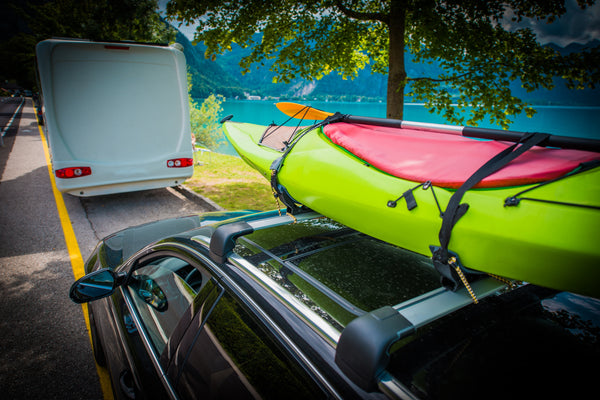
Credit: www.humboldt.ca
Checking Stability
After securing your kayak to the roof rack, checking stability is crucial. This ensures your kayak is safe during transit. Unstable kayaks can shift, leading to damage or accidents. Proper stability checks give peace of mind on the road.
Testing Strap Tightness
Begin by examining the straps. They should be snug and firm. Use your hand to press down on the kayak. If the straps loosen, tighten them further. Listen for any cracking or stretching noises. These sounds mean straps need adjustment. Straps should remain silent when properly tightened.
Check the strap placement. Ensure they cross over the widest part of the kayak. This prevents unwanted movement. Straps should be evenly distributed. Uneven straps can cause tipping during travel.
Evaluating Kayak Movement
After testing strap tightness, inspect for movement. Gently shake the kayak from different angles. Observe if it shifts or wobbles. The kayak should remain in place. Any significant movement suggests a need for repositioning.
Ensure the kayak’s bow and stern are secure. These points are critical for stability. Use additional straps if necessary. A stable kayak minimizes risk on the road. Regular checks enhance safety and prolong your equipment’s life.
Driving Safely With A Kayak
Transporting a kayak safely on your car roof requires attention. A secure setup keeps both you and your kayak safe. Driving with a kayak demands careful speed management. Wind resistance can impact your journey significantly.
Speed Considerations
Drive at moderate speeds with a kayak on the roof. High speeds increase risks of instability. Sudden movements can loosen the kayak’s grip. Gradual acceleration and deceleration are wise choices. Avoid sharp turns to maintain balance. Check local speed limits for safety.
Wind Resistance Factors
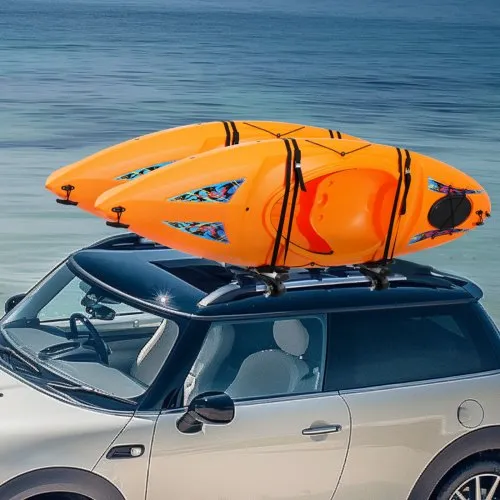
Wind plays a major role in driving with a kayak. The shape and size of the kayak affect wind resistance. Strong winds can shift the kayak’s position. Secure straps tightly to minimize wind effects. Use aerodynamic roof racks for better performance. Regularly check the kayak’s stability during long drives.
Credit: smilessalam.sg
Common Mistakes To Avoid
Properly securing a kayak to a roof rack is crucial. Ensure straps are tight and knots are secure. Avoid over-tightening to prevent damage.
Securing a kayak to a roof rack can be a daunting task, especially for beginners. While it might seem straightforward, there are common mistakes that can jeopardize both your kayak and your vehicle. By understanding these pitfalls, you can ensure your kayak is safely secured and ready for transport. Let’s dive into some frequent errors you should steer clear of.Inadequate Strap Use
Using the wrong type or insufficient number of straps is a common mistake. It’s crucial to use sturdy, ratchet straps designed for securing large items. Bungee cords or ropes might seem convenient, but they lack the necessary tension and reliability. Double-check your straps for wear and tear before every trip. A frayed strap can snap under pressure, leading to a disaster on the road. Always ensure the straps are tight, but not overly tight to avoid damaging your kayak.Ignoring Weight Limits
Every roof rack has a weight capacity that should not be exceeded. Ignoring these limits can lead to structural damage to your vehicle, or worse, an accident. Make sure to check your rack’s specifications and compare them with your kayak’s weight. Consider the weight of additional gear. If you’re transporting paddles or life jackets, they add to the total weight. Are you confident your rack can handle this load? Always err on the side of caution and keep safety at the forefront.Expert Recommendations
Secure your kayak by using quality straps to firmly hold it in place on the roof rack. Position the kayak evenly and ensure the straps are tightly fastened to prevent movement during travel.
Securing a kayak to a roof rack requires expert recommendations to ensure safety. Properly securing your kayak can prevent accidents and damage. Experts suggest using quality gear and performing regular checks. These practices help in keeping your kayak safe during transit.Choosing Quality Gear
Quality gear is crucial for securing a kayak. Choose straps made of durable materials. Opt for cam buckle straps for easy adjustments. Avoid cheap plastic hooks as they may break. Invest in rack pads to prevent scratches. Reliable gear ensures your kayak stays secure.Regular Equipment Checks
Checking equipment regularly prevents unexpected issues. Inspect straps for wear and tear before each use. Tighten loose bolts and screws on the rack. Test the stability of the kayak once secured. Replace damaged parts immediately. Regular checks increase safety and reliability.
Credit: www.thule.com
Frequently Asked Questions
Can You Strap A Kayak To A Roof Rack?
Yes, you can strap a kayak to a roof rack securely. Use cam straps or ratchet straps for stability. Ensure the kayak is centered on the rack. Check for tightness and position before driving. Properly securing your kayak prevents damage and ensures safety during transport.
Do You Need Bow And Stern Tie Downs For Kayaks?
Yes, bow and stern tie downs are essential for safely transporting kayaks. They prevent shifting during travel, reducing the risk of accidents. Ensure they’re securely fastened to keep your kayak stable and protect your vehicle. Proper tie downs also comply with road safety regulations, offering peace of mind.
How To Strap A Kayak To A Thule Rack?
Place the kayak on the Thule rack, hull side down. Use cam straps to secure it tightly. Loop the straps over the kayak and through the rack, then tighten them. Ensure the kayak is centered and stable before driving. Check straps frequently for security during travel.
How Fast Can You Go With A Kayak On The Roof?
Drive within the speed limit and ensure the kayak is securely fastened. Typically, speeds up to 65 mph are safe. Always check for stability and avoid sudden maneuvers. Properly tie down the kayak to prevent accidents or damage. Regularly inspect straps and adjust as needed during long trips.
Conclusion
Securing a kayak to a roof rack is simple with practice. First, gather necessary tools like straps and pads. Follow steps carefully to ensure safety. Double-check straps and knots for a secure fit. Tighten them without damaging the kayak. Weather can affect the straps, so check them regularly.
Practice makes perfect, so don’t worry if it takes time. Keep learning and improving your technique. Soon, you’ll secure your kayak with ease. Enjoy your kayaking adventures with peace of mind. Safe travels on the road and smooth paddling on the water!