
Picture this: a sunny day, the gentle sound of water lapping against the shore, and the thrill of an adventure waiting to happen. You’ve got your kayak ready, and the open water is calling your name.
But before you can paddle away and enjoy the serene beauty of nature, you need to know the basics of getting on a kayak. This might seem simple, but mastering the entry is key to a fun and safe experience on the water.
If you’ve ever felt a bit wobbly or unsure about how to start your kayaking journey, you’re not alone. Many people hesitate, wondering if they’re doing it right or fearing a less-than-graceful splash into the water. Imagine the confidence you’ll feel once you know exactly how to get on your kayak smoothly and securely, setting the stage for an unforgettable adventure. In this guide, we’ll walk you through the steps to get on a kayak with ease. Whether you’re a first-timer or someone looking to refine their technique, these tips are designed to boost your confidence and enhance your kayaking experience. Ready to dive in and discover the secret to a seamless start? Let’s get started!
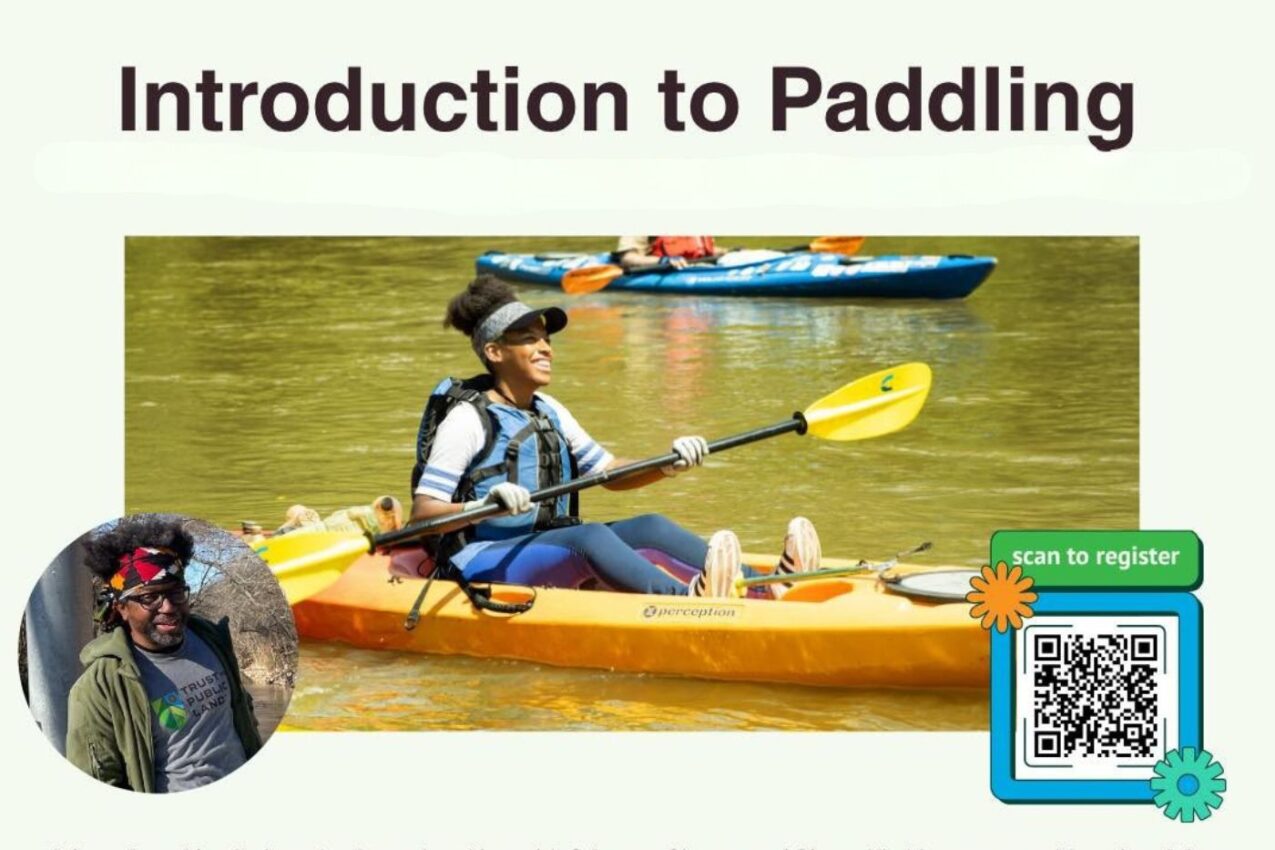
Credit: 365atlantatraveler.com
Choosing The Right Kayak
Choosing the right kayak is a crucial step in ensuring an enjoyable and safe experience on the water. Whether you’re a beginner eager to explore calm lakes or an adventurer ready to tackle roaring rivers, your kayak choice can make all the difference. It’s not just about the style; it’s about matching your kayak to your skill level and intended use.
Types Of Kayaks
Kayaks come in various types, each designed for specific purposes. Sit-on-top kayaks are perfect for beginners who appreciate stability and ease of use. They’re ideal for leisurely paddling or fishing. If you’re looking for speed and efficiency, a touring kayak might be your best bet. These are sleek and agile, suitable for longer trips across open water.
For those interested in white-water adventures, a white-water kayak is a must. These are shorter and more maneuverable, allowing you to navigate rapids with precision. Think about where you want to paddle most often, and let that guide your choice.
Considerations For Beginners
As a beginner, prioritize stability and comfort. You want to feel secure as you learn the ropes. A wider kayak offers more stability, reducing the chances of tipping over. Imagine yourself gliding across a calm lake, feeling confident and balanced. This is the kind of experience a stable kayak provides.
Weight is another important factor. Lighter kayaks are easier to transport and manage, especially if you plan to paddle solo. Picture yourself lifting your kayak onto your car roof effortlessly—it’s achievable with the right choice.
Budget is a practical consideration. You don’t need to break the bank to start kayaking. There are plenty of affordable options that offer great value for beginners. Do your research, read reviews, and compare prices to find the best deal for your needs.
Choosing the right kayak is more than a purchase; it’s an investment in your future adventures. What kind of experiences do you want to create on the water? Tailor your choice to suit your aspirations, and get ready to paddle your way to new discoveries.
Essential Gear And Equipment
Before stepping onto a kayak, gather essential gear like a life jacket, paddle, and suitable clothing. Ensure your kayak is well-maintained and equipped with safety items such as a whistle and waterproof bag.
Getting on a kayak is an exciting adventure. But it’s essential to have the right gear and equipment. This ensures a safe and enjoyable experience on the water. Whether you’re a beginner or seasoned paddler, the right gear makes a difference. Let’s explore the essentials.Paddles And Accessories
Choosing the right paddle is crucial. It affects your speed and control. Look for lightweight paddles with a comfortable grip. This reduces fatigue during long trips. Adjustable paddles offer flexibility for different conditions. Consider paddle leashes to prevent loss. They attach the paddle to the kayak. This is helpful if you drop the paddle in the water.Safety Gear
Safety should always be a priority. A life jacket is the most important item. It provides buoyancy and protection. Make sure it fits snugly and comfortably. A whistle is another vital piece of safety gear. It helps signal for help if needed. Carry a waterproof bag for your essentials. It keeps your phone and keys dry. A first aid kit is also recommended. It prepares you for minor injuries on your journey.Preparing For Your Kayak Adventure
Getting on a kayak starts with positioning it parallel to the shore. Sit in the seat while keeping your balance. Use the paddle to stabilize yourself as you adjust your feet in the footrests.
Preparing for a kayak adventure requires some essential preparations. These steps ensure a safe and enjoyable time on the water. Before you head out, it’s crucial to consider the weather and choose the right attire.Weather And Water Conditions
Check the weather forecast before your trip. Avoid kayaking in stormy conditions. Calm weather ensures safety and enjoyment. Pay attention to the wind speed. High winds can make kayaking challenging. Also, consider the water temperature. Cold water requires extra precautions. If the water is cold, wear a wetsuit.Proper Attire
Choose clothing that dries quickly. It helps if you get wet. Avoid cotton, as it stays wet longer. Wear a life jacket at all times. It is crucial for your safety. Footwear should be waterproof and secure. Sandals or water shoes work well. A hat and sunglasses protect from the sun. Apply sunscreen to exposed skin.
Credit: www.facebook.com
Getting Into The Kayak
Position the kayak parallel to the shore or dock. Hold the paddle and balance with one hand while stepping in carefully. Lower yourself slowly into the seat, keeping the kayak steady.
Getting into a kayak can be an exciting start to your adventure on the water. Yet, for beginners, this moment can also bring a mix of anticipation and nerves. Whether you’re launching from a sandy beach or a rocky shore, understanding the right technique can make all the difference in how smoothly your day begins.Launching Techniques
Before you even think about getting into the kayak, consider where you’re launching from. If you’re on a sandy beach, position your kayak so it’s halfway in the water. This way, the kayak won’t drag when you get in, and you’ll have enough stability from the part of the kayak that’s still on land. For rocky shores, it might be easier to launch from a dock. Position the kayak parallel to the dock and hold onto the dock with one hand as you step into the kayak. This gives you the stability you need to settle into your seat without tipping over. Don’t rush the process. Take a deep breath and focus. The water isn’t going anywhere.Seated Position
Once you’re in the kayak, finding the right seated position is crucial for balance and paddling efficiency. Sit with your back straight and knees slightly bent. This posture not only supports your back but also gives you better control over the kayak. Adjust your footrests so that your legs are comfortable, yet secure. Your feet should press against the footrests, giving you added stability and the ability to apply pressure when paddling. Think about how a painter holds a brush. A firm yet relaxed grip allows for more precision. Similarly, a balanced seated position allows for smoother paddling and a more enjoyable experience on the water. Getting into a kayak doesn’t have to be a challenge. By understanding these techniques and positioning tips, you set yourself up for a successful and enjoyable kayaking adventure. Are you ready to dip your paddle in the water and explore?Basic Paddling Techniques
Getting on a kayak begins with placing it in shallow water, ensuring it’s steady. Sit in the cockpit, one leg at a time. Keep your weight centered to avoid tipping.
Understanding basic paddling techniques is crucial for an enjoyable kayaking experience. Mastering these skills will not only make your ride smoother but also more efficient. Let’s dive into some essential techniques that will elevate your kayaking journey.Forward Stroke
The forward stroke is the most fundamental paddling technique. Begin by sitting upright and gripping the paddle with both hands. Your hands should be shoulder-width apart. To propel the kayak, immerse one blade of the paddle fully into the water near your toes. Pull the paddle back towards your hip while rotating your torso. This movement should feel like you’re pushing the water behind you. Remember to switch sides after each stroke to maintain a straight path. Practice makes perfect, and you’ll find your rhythm with time. Can you imagine gliding through the water effortlessly?Turning And Maneuvering
Turning your kayak can be both fun and challenging. The sweep stroke is a popular technique for this. Start by extending the paddle outward and submerging the blade in the water at a 90-degree angle to your kayak. Sweep the paddle in a wide arc from the front to the back of the kayak. This will turn the kayak in the opposite direction of your stroke. For sharper turns, you might want to use a reverse sweep. Place the paddle near the rear of the kayak and sweep it towards the front. Have you ever thought about how many ways you can control your kayak’s direction?
Credit: eddyline.com
Staying Safe On The Water
Exploring the open water in a kayak offers freedom and adventure. Safety is crucial for a fun kayaking experience. Understanding potential risks and knowing how to handle emergencies ensures peace of mind. Let’s dive into the essentials of staying safe on the water.
Common Hazards
Kayaking presents unique challenges that you must navigate. Be aware of strong currents that can sweep you off course. Wind can affect your paddling, making it hard to control your kayak. Watch out for rocks and submerged objects that can damage your vessel. Cold water poses risks like hypothermia, so dress appropriately.
Emergency Procedures
Prepare for emergencies before hitting the water. Always carry a whistle to signal for help. A waterproof bag with essentials like a first-aid kit is vital. Learn basic self-rescue techniques. Practice flipping your kayak upright if it capsizes. Keep your phone in a waterproof case for emergency calls. Lastly, inform someone of your plans, including your route and expected return time.
Building Confidence
Building confidence is key when learning to kayak. Feeling secure in your abilities will enhance your experience on the water. With practice and the right support, anyone can gain the assurance needed to enjoy kayaking safely.
Practice And Experience
Frequent practice builds confidence. Start in calm waters. Spend time getting familiar with your kayak. Adjust to its balance and movement. Paddle regularly to develop muscle memory. Each session adds to your experience, making kayaking feel more natural. Small victories, like mastering a turn, boost confidence.
Try different techniques. Experiment with paddling strokes and steering. Understand how your kayak responds. This knowledge empowers you. Practice in various conditions. Wind and waves offer new challenges. Facing them improves your skills. With consistent practice, kayaking becomes second nature.
Joining Kayaking Groups
Kayaking with others builds confidence. Join local kayaking groups. They offer support and encouragement. Experienced kayakers provide valuable advice. Learn from their experiences. Share tips and stories. Group kayaking boosts motivation. It creates a sense of community. This camaraderie fosters confidence.
Participate in group events. These gatherings offer structured learning. Attend workshops and outings. They focus on skill development. Group leaders guide you through challenges. Their feedback helps improve your techniques. Each interaction enhances your kayaking journey.
Building connections makes kayaking enjoyable. Friendships formed in groups provide motivation. Encouragement from peers boosts self-assurance. With each session, your confidence grows. Soon, you’ll feel at ease on the water.
Advanced Tips For Beginners
Kayaking offers a thrilling way to connect with nature. Beginners can enhance their skills with advanced tips. These tips focus on technique and exploration. They help you gain confidence and enjoy kayaking more. Let’s dive into these advanced tips for beginners.
Improving Your Technique
Start by focusing on your paddle grip. Hold the paddle with a relaxed grip. This prevents fatigue and allows better control. Keep your hands slightly more than shoulder-width apart. This position gives you power and efficiency.
Next, pay attention to your posture. Sit up straight but relaxed. Engage your core muscles for balance and strength. This helps you paddle efficiently and reduces strain on your back.
Practice the proper stroke technique. Dip your paddle blade fully into the water. Pull it back smoothly alongside the kayak. Rotate your torso instead of just using your arms. This distributes effort and enhances endurance.
Exploring New Waters
Start with familiar waters to build confidence. As you improve, explore new places. Research the area before kayaking. Know the water conditions and possible hazards.
Consider joining a kayaking group. They offer shared experiences and guidance. You can learn from more experienced paddlers. This helps you explore safely and enjoy new challenges.
Always check the weather forecast. Wind and tides can change quickly. Safety comes first, so plan your trips accordingly.
Remember to respect wildlife and the environment. Stick to designated areas. Avoid disturbing animals or plants. This ensures a sustainable kayaking experience for everyone.
Frequently Asked Questions
How To Get On A Kayak For Beginners?
Sit on the kayak’s edge, facing the water. Place your paddle across the kayak for balance. Slide into the seat slowly, keeping your weight centered. Adjust foot pedals and ensure a snug fit. Practice near the shore to gain confidence and stability.
What Is The 120 Rule For Kayaking?
The 120 rule advises combining air and water temperatures to total 120°F or more for safe kayaking. This ensures that the risk of hypothermia is minimized, allowing for a safer experience on the water. Always wear appropriate gear and check conditions before heading out.
How Do Seniors Get In And Out Of A Kayak?
Seniors should use a stable kayak with a wide cockpit. Position the kayak parallel to the shore. Sit on the edge, swing legs in, and lower the body slowly. To exit, reverse the process. Using a paddle or assistance for balance can help.
Practice improves confidence and safety.
What Is The Leading Cause Of Death For Kayakers?
The leading cause of death for kayakers is drowning. Poor weather conditions and not wearing life jackets increase risk. Always check weather forecasts and wear appropriate safety gear to minimize dangers.
Conclusion
Getting on a kayak can seem tricky at first. But practice helps. Start slowly and take your time. Sit in the middle for balance. Use your paddle to steady yourself. Keep calm and focused. With each try, it gets easier.
Soon, you’ll feel at home on the water. Remember, patience and practice are key. Enjoy the adventure and have fun exploring. The more you kayak, the more confident you’ll become. Nature offers a wonderful escape. Embrace every moment on the water.
Happy kayaking!