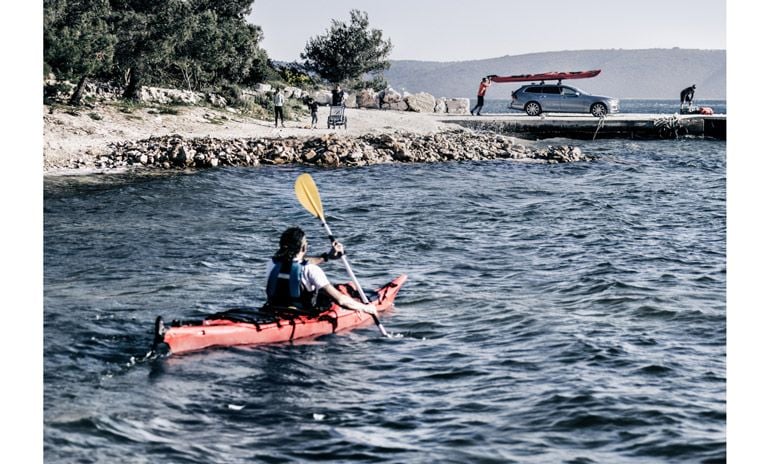
Imagine gliding across a tranquil lake, the sun warming your face, and a gentle breeze guiding you along. Sounds enticing, right?
Kayaking is one of those activities that offers both serenity and a thrilling sense of adventure. But how hard is it to actually get started? You might be surprised by how accessible kayaking is, even for beginners. We’ll unravel the mystery, addressing common concerns and breaking down what you need to know before dipping your paddle into the water.
Whether you’re worried about tipping over, paddling correctly, or choosing the right equipment, we’re here to guide you through every stroke. Let’s dive in and discover just how manageable—and rewarding—kayaking can truly be.
Kayaking Basics
Kayaking is a thrilling way to explore nature and stay active. Understanding the basics is key to an enjoyable experience. Whether you’re gliding over calm lakes or navigating swift rivers, knowing the fundamentals can make your journey smooth and safe.
Types Of Kayaks
There are different types of kayaks, each suited for various activities. Recreational kayaks are great for beginners. They offer stability and are easy to steer. Touring kayaks are longer and designed for speed. They work well for long-distance paddling. Whitewater kayaks are short and maneuverable, perfect for rapids. Sit-on-top kayaks provide an open design, ideal for warm weather. Choose the type that matches your kayaking goals.
Essential Gear
Having the right gear is crucial for safety and comfort. A life jacket is a must-have for every kayaker. It keeps you afloat in case of a fall. A paddle that matches your height and kayak type is important. It affects your paddling efficiency. Wear a helmet if you’re kayaking in rocky areas. It protects your head from injuries. Dry bags keep your belongings safe and dry. Also, consider wearing weather-appropriate clothing. It helps maintain body temperature.
Basic Techniques
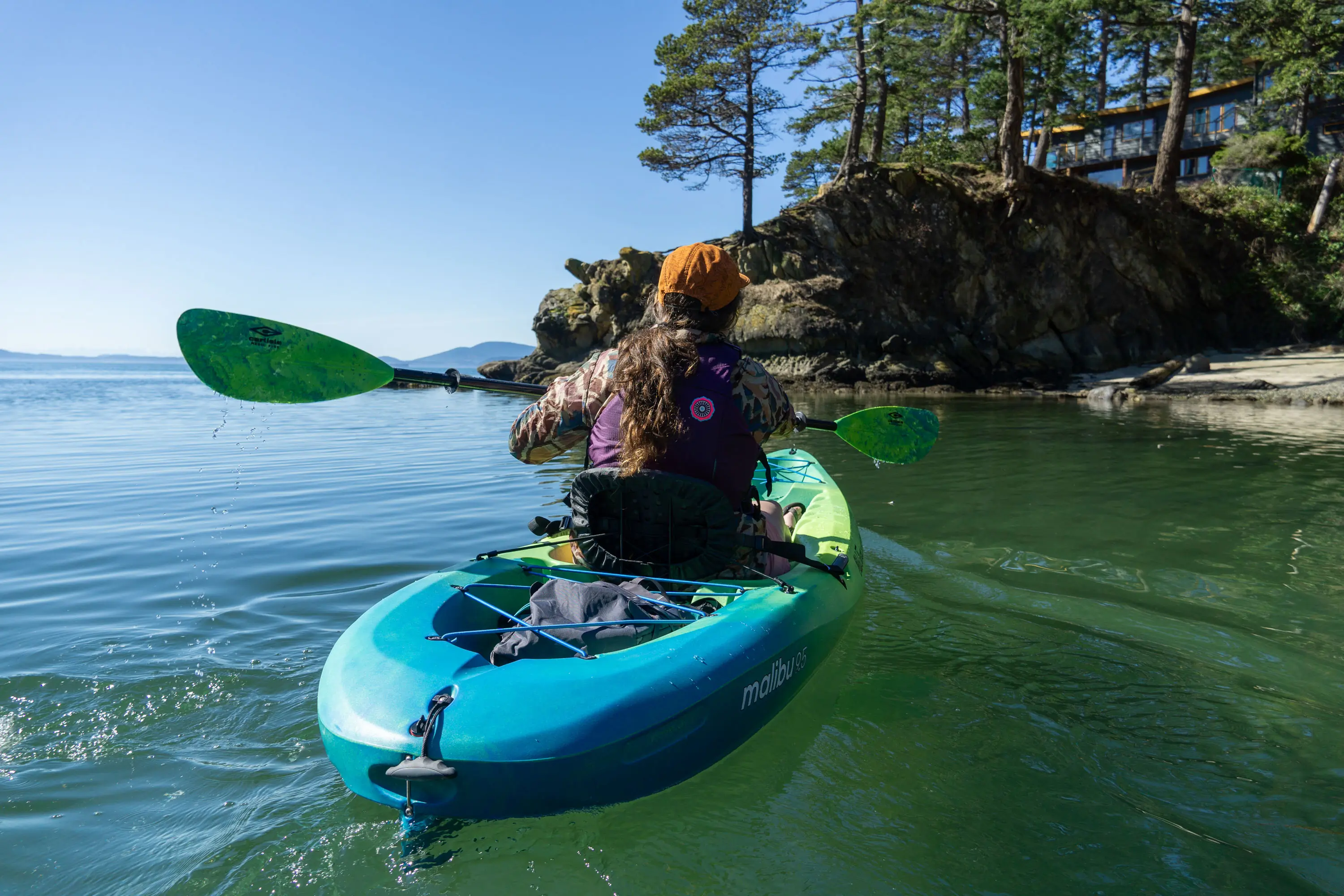
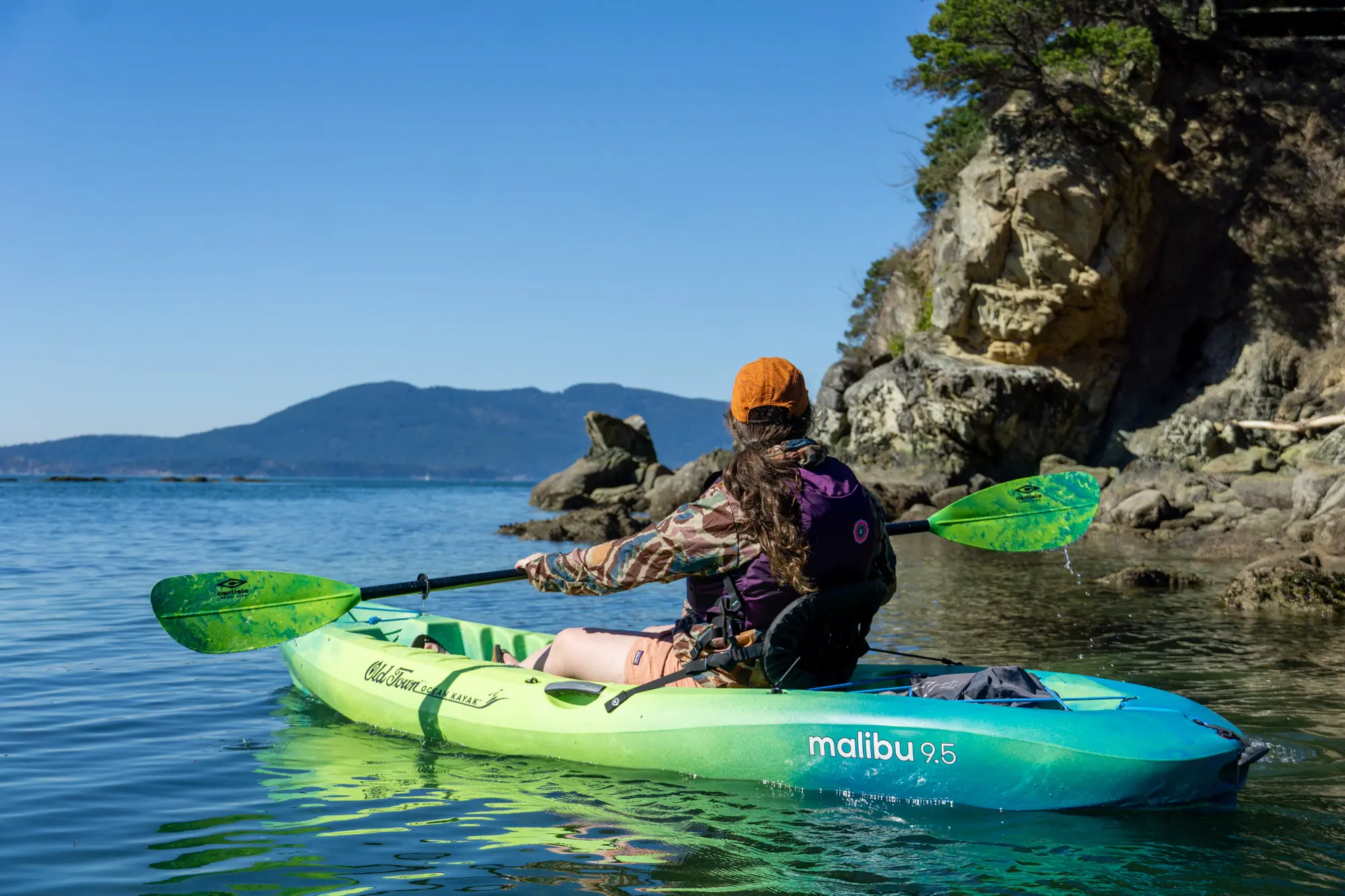
Mastering basic techniques ensures a better kayaking experience. Learn the forward stroke to propel your kayak. Hold the paddle with both hands. Use your torso to generate power. The reverse stroke helps you stop or move backward. Sweep strokes assist in turning the kayak. Use a wide arc to change direction. Practice these techniques in calm waters first. It builds confidence and skill.
Credit: gearjunkie.com
Physical Demands
Kayaking is an exhilarating water sport that promises adventure and freedom, but it also demands a certain level of physical fitness. Whether you’re paddling through calm lakes or navigating white-water rapids, kayaking engages your body in unique ways. Understanding the physical demands can help you prepare better and enjoy your time on the water.
Muscle Groups Used
Kayaking is a full-body workout, though you might not realize it at first. Your upper body, especially the shoulders and arms, plays a significant role in paddling. You’ll also feel your core working hard to maintain balance and control.
Interestingly, your legs are involved too. They help stabilize your kayak and provide leverage for powerful strokes. Next time you’re on the water, notice how your whole body contributes to each paddle.
Endurance Requirements
Endurance is key in kayaking. The repetitive motion of paddling can be taxing on your muscles if you’re not prepared. It’s not just about strength; it’s about sustaining effort over time.
Building endurance doesn’t mean you have to be a marathon runner. Regular practice and gradually increasing your time on the water will help. Are your arms starting to tire after an hour? That’s your cue to work on endurance.
Balancing Skills
Balance is an essential skill for kayaking, especially in turbulent waters. You need a keen sense of equilibrium to keep your kayak steady. It’s not just about staying upright; it’s about maintaining control and direction.
Improving balance can be as simple as practicing in calm conditions or trying yoga exercises. How steady are you in your kayak? The answer might surprise you as you develop this skill further.
Skill Levels
Kayaking skill levels vary, making it accessible for everyone. Beginners can enjoy calm waters, while advanced paddlers tackle challenging rapids.
Kayaking offers a unique blend of adventure and tranquility. It appeals to both nature lovers and thrill-seekers. Understanding the skill levels in kayaking can help you gauge your progress and set realistic goals. Whether you’re a beginner or have years of experience, each level presents its own challenges and rewards. Let’s dive into the distinct skill levels in kayaking.Beginner Challenges
Starting out in kayaking can be thrilling and overwhelming. Beginners often face challenges with balance and coordination. Learning to paddle efficiently is crucial. Proper grip and stroke techniques make all the difference. Overcoming fear of capsizing is another hurdle. Beginners should focus on safety and basic navigation skills. It’s essential to practice in calm waters. This builds confidence and ensures safety.Intermediate Skills
Intermediate kayakers have a solid grasp of the basics. They can navigate moderately challenging waters. Developing endurance and strength becomes key. Intermediate skills include efficient paddling and maneuvering techniques. Understanding water currents is crucial. It helps in choosing the right path and avoiding obstacles. Intermediate kayakers often try longer routes and explore diverse landscapes.Advanced Techniques
Advanced kayakers master complex maneuvers. They navigate difficult waterways with ease. Techniques such as the Eskimo roll become essential. Advanced paddlers refine their skills in rough and fast-moving waters. They understand intricate water dynamics. This allows them to tackle rapids and waves confidently. Advanced kayaking often involves specialized gear and equipment.Safety Considerations
Kayaking is an exciting and adventurous sport. Yet, safety is crucial. Whether you’re a beginner or experienced, understanding safety considerations is vital. From weather conditions to emergency plans, being prepared ensures a safe journey. Let’s explore these essential safety tips in detail.
Understanding Weather Conditions
Weather can change quickly, affecting your kayaking trip. Always check the forecast before heading out. Wind, rain, or storms can make kayaking dangerous. Pay attention to temperature changes, which can cause fog or slippery conditions. Carry a weather radio or use a reliable weather app. Knowing the weather helps you plan better and stay safe.
Navigating Currents
Currents can be strong and unpredictable. Learn to read water currents before starting your journey. Practice in calm waters to build confidence and skills. Observe the water movement and know how to react if caught in a current. Stay near the shore where currents are weaker. Use maps and guides to understand the area. This knowledge keeps you safe and in control.
Emergency Preparedness
Being prepared for emergencies is crucial in kayaking. Always wear a life jacket and carry a whistle. Inform someone about your route and expected return time. Pack a first aid kit, extra water, and a flashlight. Know basic rescue techniques and how to signal for help. Practice self-rescue skills in a controlled environment. These preparations can save lives in unexpected situations.
Common Obstacles
Kayaking offers adventure and connection with nature. But, it presents challenges. Understanding common obstacles helps new kayakers prepare better. Let’s explore some typical difficulties faced by kayakers.
Overcoming Fear
Fear is a common barrier in kayaking. The thought of tipping over frightens many. Beginners often feel anxious about deep water. But remember, practice builds confidence. Start in calm waters to ease anxiety. Wearing a life jacket adds safety. Taking lessons from experienced instructors helps. They teach techniques to handle fear.
Handling Equipment Issues
Equipment problems can disrupt a kayak trip. A paddle may break unexpectedly. Or, a kayak might have a leak. Always inspect your equipment before starting. Ensure all parts are in good condition. Carry repair kits for emergencies. Learning basic repair skills is helpful. It keeps you safe on the water.
Environmental Factors
Nature’s elements can challenge kayakers. Strong winds make paddling tough. Waves can be intimidating. Weather changes quickly, catching you unprepared. Check the weather forecast before going out. Dress appropriately for the conditions. Understanding the water currents is crucial. It helps in navigating safely. Respect nature, and stay alert to your surroundings.
Credit: gearjunkie.com
Tips For Improvement
Master basic paddling techniques to improve your kayaking skills. Practice balance and control on calm waters first. Build strength and endurance through regular exercise.
Kayaking can be challenging, especially for beginners. Improving your skills requires dedication and practice. Whether you’re a novice or looking to boost your abilities, these tips can help enhance your kayaking experience.Training Exercises
Incorporate exercises that strengthen your core and arms. Core strength is crucial for balance and stability in the kayak. Arm exercises improve your paddle stroke efficiency. Consider activities like planking and resistance band workouts. These build endurance and power, essential for prolonged paddling.Seeking Professional Guidance
Professional instructors can provide valuable insights into your technique. They assess your form and suggest corrections. Joining a kayaking class or club offers opportunities to learn from experienced paddlers. This guidance accelerates your improvement and boosts confidence.Practice Strategies
Regular practice is key to progress. Start with calm waters to build basic skills. Gradually challenge yourself with different environments. Focus on paddle strokes, turning maneuvers, and balance. Consistent practice enhances muscle memory, making movements more natural. Mix solo and group practice for varied experiences.Benefits Of Kayaking
Kayaking offers a unique blend of adventure and tranquility. Paddling builds strength and improves cardiovascular health. It also provides a mental escape by connecting you with nature.
Kayaking is not just a sport; it brings many benefits. People of all ages can enjoy the advantages it offers. It’s a chance to improve both body and mind.Physical Health
Paddling strengthens muscles in your arms and core. This low-impact exercise boosts cardiovascular health. It helps burn calories and maintain weight. Your flexibility also improves with regular kayaking.Mental Well-being
Kayaking reduces stress and anxiety. Being on the water clears your mind. It promotes relaxation and boosts mood. You feel more peaceful and focused. The rhythmic paddling is meditative.Connection With Nature
Kayaking brings you closer to nature. You see wildlife and scenic views. It helps you appreciate the environment. Being outside enhances your sense of adventure. You feel connected to the world around you.
Credit: tomoutdoors.com
Frequently Asked Questions
Is Kayaking Hard For A Beginner?
Kayaking is generally easy for beginners. Start with calm waters and a stable kayak. Focus on basic paddling techniques and safety. Practice improves balance and control. Enjoy the adventure while gaining confidence. Seek guidance from experienced paddlers to enhance your skills.
Is It Hard To Fall Out Of A Kayak?
Falling out of a kayak is uncommon with proper technique and stability. Beginners should practice balance and use appropriate gear. Calm waters and wider kayaks enhance stability, reducing the risk of tipping. Regular training improves confidence and skills, ensuring a safer kayaking experience.
Always prioritize safety by wearing a life jacket.
Can Kayaks Flip Easily?
Kayaks can flip, but it’s less likely with proper technique and balance. Stability varies by design, with wider models offering better balance. Beginners should practice paddling skills to reduce the risk of flipping. Always wear a life jacket for safety.
How Long Does It Take To Learn To Kayak?
Learning to kayak takes a few hours for basics. Mastery may require weeks or months, depending on practice. Beginners often feel comfortable after a few sessions. Regular practice speeds up the learning process.
Conclusion
Kayaking is an adventure worth trying. It may seem challenging at first. But with practice, it becomes easier and enjoyable. Start with calm waters. Gradually, you’ll gain skills and confidence. Remember, safety comes first. Always wear a life jacket. Enjoy the peacefulness and beauty of nature.
Kayaking is a fun way to exercise and relax. It’s a journey where you learn and grow. So, embrace the challenge and have fun. Explore new waters, and create unforgettable memories. Kayaking is not just a sport. It’s an experience that enriches your life.