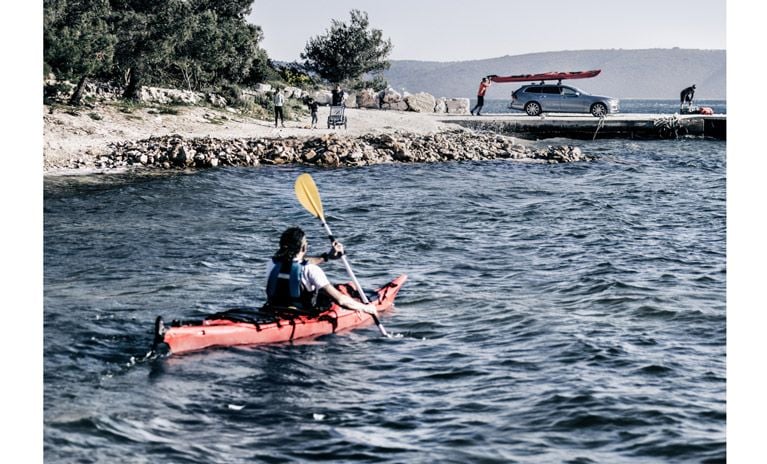
Imagine gliding across a serene lake, the sun warming your face, and the gentle splash of water accompanying each paddle stroke. Kayaking promises a unique blend of adventure and tranquility, but you might wonder, “Is kayaking hard?”
If you’ve ever considered trying this popular water sport, you’re not alone in questioning its difficulty. This article will unravel the mysteries of kayaking, dispelling myths and providing insights to help you decide if it’s the right activity for you.
Stick around, because what you discover might just surprise you and inspire your next outdoor adventure.
Kayaking Basics
Kayaking might seem daunting if you’re new to the sport, but it doesn’t have to be. Understanding the basics can make your experience more enjoyable and less intimidating. Whether you’re gliding through calm waters or paddling against a current, knowing what to expect can be a game-changer.
Types Of Kayaks
Choosing the right kayak is crucial for your comfort and success on the water. There are various types, each designed for specific water conditions and activities.
- Recreational Kayaks:Perfect for beginners, these kayaks are stable and easy to maneuver. Ideal for calm rivers and lakes.
- Touring Kayaks:Longer and narrower, these kayaks are built for speed and efficiency, great for long-distance paddling.
- Whitewater Kayaks:Designed for the thrill-seekers, these kayaks are short and responsive, made for navigating rapids.
- Inflatable Kayaks:Convenient for storage and transport, these are versatile and surprisingly durable, suitable for various water types.
Essential Gear
Before you hit the water, ensure you have the right gear. This can make or break your kayaking experience.
- Paddle:Your paddle is your engine. Choose one that’s lightweight and the right length for your height and kayak type.
- Life Jacket:Safety first! Make sure your life jacket fits snugly and is comfortable enough for long wear.
- Dry Bag:Keep your essentials dry—phones, snacks, and a change of clothes. A dry bag is a kayaker’s best friend.
- Spray Skirt:If you’re kayaking in rough waters, a spray skirt will keep you dry and warm by preventing water from entering the kayak.
Imagine paddling through serene waters, the gentle splash of your paddle breaking the silence. With the right kayak and gear, this peaceful scene can be your reality. Are you ready to dive into the world of kayaking?
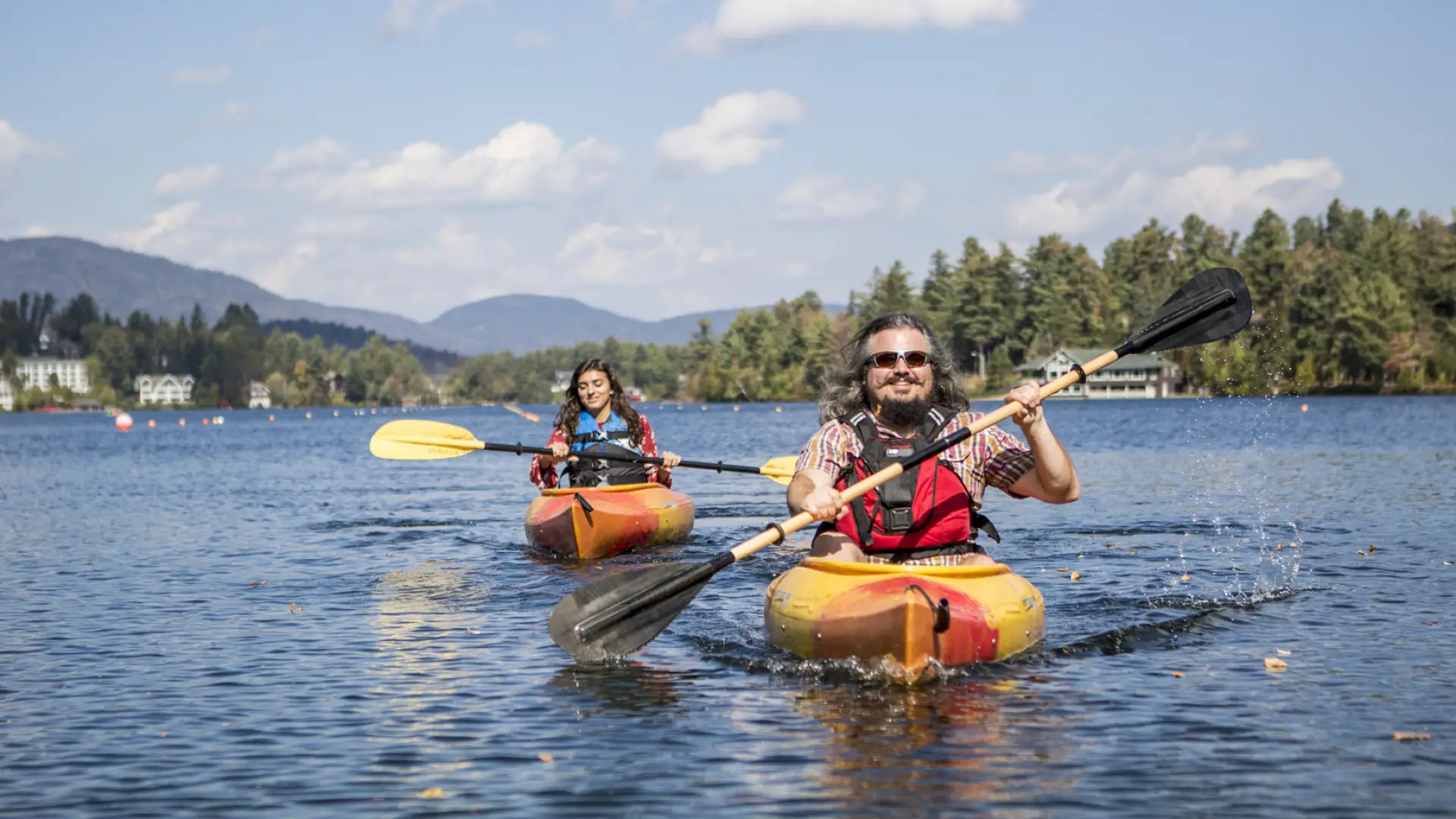
Credit: www.lakeplacid.com
Physical Demands
Kayaking might seem like a leisurely activity, but it demands a good level of physical fitness. Understanding the physical demands can prepare you for a successful journey on the water, whether you’re exploring serene lakes or challenging rapids. Let’s dive into the essential aspects of strength and endurance that play crucial roles in kayaking.
Strength Required
Strength is pivotal when paddling through water, especially if currents are strong. Your arms and shoulders bear the brunt of the work, propelling the kayak forward with every stroke. It’s not just about having muscular arms; your core plays a significant role too.
A strong core maintains balance and stability, helping you maneuver efficiently. Think of it as the engine of your kayak, allowing you to handle unexpected waves with ease. Engaging in exercises like planks or kayaking simulations can build this essential strength.
Endurance Factors
Endurance is your ally during long kayaking trips. It’s not just about how fast you can paddle but how long you can sustain your energy levels. Imagine paddling for hours while soaking in nature’s beauty—your stamina is what keeps you going.
Building endurance can be as simple as regular aerobic exercises. Activities like jogging or cycling can enhance your cardiovascular health, ensuring you don’t tire easily. Have you ever wondered how seasoned kayakers seem to paddle effortlessly for miles? Their secret lies in consistent endurance training.
Kayaking offers both challenges and rewards. As you prepare for your next adventure, consider these physical demands. Are you ready to test your limits and discover new strengths?
Skill Level
Kayaking challenges beginners with balance and paddle control. It requires patience and practice to master basic techniques. With time, anyone can improve their skills and enjoy this rewarding outdoor activity.
Skill Level Kayaking, like any sport, involves a range of skills that can be mastered over time. Your experience on the water can vary greatly depending on your familiarity with different techniques. Whether you’re just starting out or looking to refine your skills, understanding your current level is crucial.Beginner Techniques
Starting your kayaking journey can be exciting and a bit intimidating. As a beginner, focus on mastering the basics to build your confidence on the water. Proper Paddle Grip: Hold the paddle with a relaxed grip, making sure your hands are shoulder-width apart. This gives you more control and reduces fatigue. Basic Stroke: Practice the forward stroke to propel your kayak efficiently. Rotate your torso as you paddle to use your core muscles instead of just your arms. Safety First: Always wear a life jacket and familiarize yourself with basic water safety. Knowing how to recover from a capsize is essential. Remember, every expert was once a beginner. Enjoy the learning process and celebrate small victories.Advanced Maneuvers
Once you have the basics down, you might want to challenge yourself with more advanced techniques. These maneuvers can enhance your kayaking experience and open up new adventures. Eskimo Roll: This is a technique used to right a capsized kayak without exiting it. It requires practice but can be a game-changer in turbulent waters. Edging and Bracing: Mastering these skills helps you maintain control in various water conditions. Use your body weight to tilt the kayak and brace with your paddle to avoid tipping over. Navigation Skills: Advanced kayakers should be comfortable reading maps and using a compass or GPS. This ensures you can explore new areas safely. Pushing your limits can be thrilling, but always prioritize safety. Are you ready to take your kayaking skills to the next level?Safety Considerations
Safety Considerations Kayaking requires attention to safety, especially for beginners. Always wear a life jacket and check weather conditions. Understanding basic paddle techniques and staying within your skill level can prevent accidents.
Kayaking offers a thrilling adventure on the water. Yet, safety must always come first. Understanding safety considerations helps ensure a fun and secure experience. This section highlights key factors to keep in mind while kayaking.Weather Conditions
Check the weather forecast before heading out. Avoid kayaking during storms or high winds. Calm and clear days are the safest. Sudden weather changes can pose risks. Always be prepared for unexpected shifts. Dress appropriately for the temperature. Wear layers to stay warm. Protect yourself from sunburn with sunscreen and a hat.Water Hazards
Be aware of potential water hazards. Look out for rocks, logs, and strong currents. These can be dangerous for kayakers. Keep a safe distance from them. Study the waterway beforehand. Know the location of rapids and waterfalls. Stay vigilant while paddling. Wear a life jacket at all times. It can save your life in emergencies.Common Challenges
Balancing the kayak and paddling efficiently are common challenges for beginners. Navigating through currents and winds can also be tricky. With practice, these skills become easier over time.
Kayaking can be a thrilling adventure. But it comes with its own set of challenges. Many beginners find certain aspects difficult. Understanding these challenges can make your experience smoother. Let’s explore some common hurdles kayakers face.Balancing Act
Balancing in a kayak is crucial. The narrow design makes it tricky. A slight shift can tip you over. Beginners often struggle with this. Keeping the body steady takes practice. Calm waters help in learning balance. Over time, it becomes second nature.Navigational Skills
Navigating a kayak requires skill. You need to read the water. Understanding currents is vital. Wind can also affect your direction. New kayakers often drift off course. Learning to steer takes time. Practice in familiar waters first. Use landmarks for orientation.
Credit: www.facebook.com
Enjoyment Factor
Kayaking offers a unique blend of adventure and relaxation. It allows you to connect with nature while enjoying physical activity. For many, the true delight lies in its enjoyment factor. This includes both the scenic beauty and social aspects of the experience.
Scenic Benefits
Being on the water provides breathtaking views. You can paddle through serene lakes or majestic rivers. Each stroke of the paddle unveils more of nature’s wonders. Watch the sunrise or sunset paint the sky with colors. Observe wildlife in its natural habitat. These experiences are unforgettable and enrich the soul.
Social Aspects
Kayaking can be a social activity. Share the adventure with friends and family. Communicate and bond while paddling together. Join local kayaking groups to meet fellow enthusiasts. Organize trips with old friends or make new ones. This shared joy fosters deep connections and creates lasting memories.
Tips For Beginners
Kayaking is a fun way to explore nature. Beginners might find it challenging at first. With the right guidance, anyone can enjoy paddling on the water. Here are tips to help you get started.
Choosing The Right Kayak
Picking the right kayak is crucial for beginners. There are different types for various water conditions. Beginners often choose recreational kayaks. They are stable and easy to handle. Consider the size and weight. Make sure it suits your body type and strength. Test different models if possible. Comfort should be a priority. Check the seat and footrests. Adjustable features help with longer trips. A lightweight kayak is easier to transport and maneuver.
Joining A Kayaking Club
Joining a club can be beneficial for new paddlers. Clubs offer support and guidance. Experienced members share valuable advice. Group outings help improve skills. It’s a chance to meet new friends. Clubs often have equipment rental options. This saves money for beginners. Safety is emphasized in clubs. Learn the importance of life jackets and first aid. Many clubs organize training sessions. These improve technique and confidence.

Credit: www.blueridgeoutdoors.com
Frequently Asked Questions
Is Kayaking Hard For A Beginner?
Kayaking is generally easy for beginners. It requires basic paddling techniques and proper safety gear. Start with calm waters and a stable kayak. Practice improves balance and confidence. Beginners often enjoy the learning process. With a little guidance, kayaking becomes an enjoyable and accessible outdoor activity.
Do Kayaks Flip Over Easily?
Kayaks are generally stable and don’t flip easily. Proper technique and calm waters enhance stability. Beginners should practice balance and paddling skills. Choose wider kayaks for increased stability. Avoid rough waters initially to prevent flipping. Always wear a life jacket for safety.
Can You Kayak With No Experience?
Yes, beginners can kayak safely. Start with calm waters and use a stable kayak. Take a brief lesson or guided tour for safety tips. Wear a life jacket and follow local regulations. Enjoy the experience while gradually building skills and confidence.
Is It Hard To Fall Out Of A Kayak?
Falling out of a kayak isn’t hard, especially for beginners. Kayaks can become unstable. Practicing balancing helps. Choose a wider kayak for more stability. Proper techniques and wearing a life jacket ensure safety. With practice, it becomes easier to stay seated.
Conclusion
Kayaking can be challenging, but it’s rewarding. With practice, skills improve. Beginners might struggle with balance and paddling techniques. But don’t be discouraged. Start slow, choose calm waters, and enjoy the journey. Learning the ropes takes time. Most find kayaking relaxing and fun once they get the hang of it.
The key is patience and persistence. Keep safety in mind, wear a life jacket, and paddle confidently. Explore nature’s beauty from a new perspective. Remember, every adventure starts with a single paddle stroke. Embrace the experience, and happy kayaking!