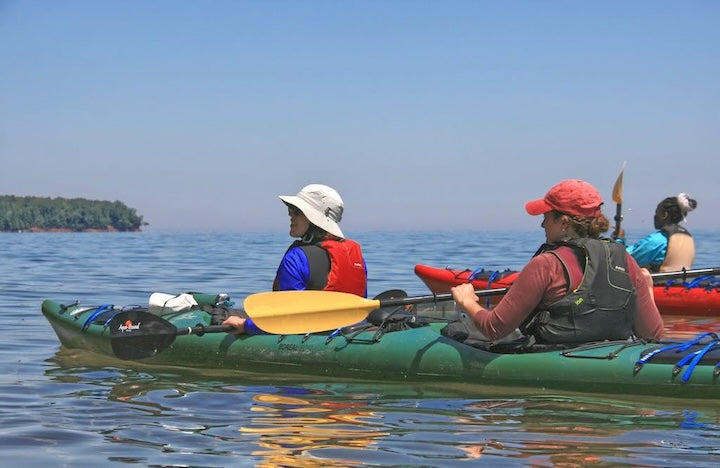
Imagine gliding across serene waters, sharing the thrill of adventure with a friend or loved one. Tandem kayaking offers not just a workout, but a chance to bond, explore, and create unforgettable memories.
But before you dip your paddle into the water, you need to know how to kayak tandem. Whether you’re a beginner or a seasoned paddler, mastering the art of tandem kayaking can elevate your outdoor experience. This guide will walk you through everything you need to know, ensuring your time on the water is safe, enjoyable, and harmonious.
Let’s dive in and discover how you can make the most of your next kayaking adventure together.
Choosing The Right Tandem Kayak
Choosing the Right Tandem Kayak Find a tandem kayak that fits your needs and skills. Consider stability, weight, and ease of use. Ensure the kayak supports teamwork for a smooth adventure on the water.
Choosing the right tandem kayak can greatly enhance your paddling experience. Each type offers different benefits, so understanding them is crucial. Consider the material and design as these factors affect performance. Let’s dive into the specifics.Types Of Tandem Kayaks
Different types suit various water conditions and paddling styles. Sit-on-top kayaks are user-friendly and stable. They’re perfect for beginners or calm waters. Sit-inside kayaks protect you from the elements. They are ideal for colder climates or choppy waters. Inflatable kayaks are lightweight and easy to transport. They’re great for travelers or those with limited storage.Material And Design Considerations
Material impacts durability and weight. Polyethylene kayaks are affordable and durable. They’re heavier but withstand rough handling. Composite kayaks are lighter and offer better performance. They’re more expensive but provide a smooth ride. Design influences stability and speed. Wider kayaks offer stability. Narrower kayaks provide faster paddling. Consider your priorities when choosing the right design.
Credit: www.reddit.com
Essential Gear And Equipment
Kayaking tandem is a fun way to enjoy the water with a friend or partner. Having the right gear and equipment ensures a safe and enjoyable experience. This section covers essential items for tandem kayaking, from paddles and life jackets to safety gear and accessories.
Paddles And Life Jackets
Choosing the right paddles is crucial for tandem kayaking. Lightweight paddles are easier to handle. Look for adjustable paddles to fit different heights. Double-bladed paddles offer more control and efficiency. Always use a life jacket. It is a must-have for safety. Choose jackets that fit well and allow easy movement.
Safety Gear And Accessories
Safety gear enhances your kayaking experience. A whistle can signal for help. A waterproof flashlight is useful in low light. Carry a basic first aid kit. It should have bandages and antiseptic wipes. Accessories like a dry bag keep your belongings safe. Store your phone and keys securely.
Invest in a kayak repair kit. It helps with small leaks or damages. A bilge pump is handy to remove water from the kayak. Consider having a compass for navigation. It helps if you get lost.
Understanding Tandem Kayaking Basics
Understanding Tandem Kayaking Basics involves teamwork and coordination between paddlers. The front paddler sets the pace, while the rear paddler steers. Clear communication is essential for a smooth experience on the water.
Understanding Tandem Kayaking Basics Tandem kayaking offers a unique blend of adventure and teamwork. It’s perfect for those who enjoy sharing experiences and working in harmony. However, understanding the basics is crucial to ensure a smooth and enjoyable ride.Roles And Responsibilities
In a tandem kayak, each paddler plays a critical role. The person in the front is typically responsible for setting the pace and maintaining a steady rhythm. Meanwhile, the paddler in the back acts as the guide, steering and making adjustments as needed. Assigning roles helps prevent confusion and ensures efficient movement through the water. It’s essential to discuss and agree on these roles before launching. Have you ever considered how teamwork on water can strengthen your bond off it?Communication Strategies
Effective communication is the backbone of successful tandem kayaking. Simple, clear signals or calls can make a huge difference in navigating and avoiding obstacles. Agree on a set of words or gestures for basic commands like “speed up,” “slow down,” or “turn.” Remember, the key is to keep it straightforward. Miscommunication can lead to unnecessary struggles or even capsizing. Have you thought about how improving your kayaking communication could enhance your interactions on land?Launching And Landing Techniques
Launching and landing a tandem kayak requires teamwork and coordination. Start by entering the water together, ensuring balance. When landing, approach the shore slowly, maintaining steady paddling to prevent tipping.
Kayaking tandem is a great way to enjoy the water with a friend or family member. However, launching and landing a tandem kayak can be tricky without the right techniques. Ensuring a smooth start and finish to your kayaking adventure is crucial for both safety and enjoyment. Here’s how you can perfect those techniques.Preparing For Launch
Before you even approach the water, ensure your kayak is properly equipped. Check that your paddles are easily accessible and your life jackets are secured. A good launch begins with a stable position. Position your kayak perpendicular to the shoreline with the bow facing the water. One paddler should hold the kayak steady while the other enters. The second person can then enter once the first is seated and balanced. This prevents tipping and ensures a smooth entry.Safe Landing Procedures
Approaching the shore requires coordination between both paddlers. Communicate your plan clearly, deciding who will exit first. Paddle slowly towards the shore, aiming for a gentle approach. Once near the shore, one paddler can carefully exit to stabilize the kayak. The second paddler can then follow, ensuring the kayak doesn’t drift or tip. Always exit the kayak on the side closest to the shore for safety. Remember, practice makes perfect. Each launch and landing will teach you something new. What techniques have you found useful in your kayaking adventures?Paddling Techniques For Tandem Kayaking
Tandem kayaking is a fun way to explore water with a partner. It requires coordination and teamwork to paddle smoothly. Understanding paddling techniques ensures a successful and enjoyable experience.
Synchronized Paddling
In tandem kayaking, synchronized paddling is key. Both paddlers must move their paddles at the same time. This helps the kayak glide smoothly through the water. Communication is essential. Decide on a rhythm and stick to it. The paddler in the front sets the pace. The rear paddler follows along. Keep paddles parallel to maintain balance and speed.
Steering And Maneuvering
Steering a tandem kayak needs cooperation. The rear paddler controls the direction. Use the paddle to steer left or right. Slightly dip the paddle on the opposite side to turn. The front paddler can assist with gentle strokes. Practice together to improve maneuvering skills. Understanding each role helps in navigating tight spots. Smooth coordination ensures safe and enjoyable kayaking adventures.

Credit: www.youtube.com
Navigating Different Water Conditions
Understanding water conditions is crucial for tandem kayaking. Calm waters are best for beginners. In rougher conditions, teamwork ensures stability and control. Communicate effectively with your partner for a smooth experience.
Navigating different water conditions while tandem kayaking can be both thrilling and challenging. Whether you’re gliding over serene waters or battling the push and pull of waves and currents, understanding how to adjust your technique is key. Each condition presents unique challenges that require both paddlers to synchronize their efforts and remain adaptable. Let’s explore how to master kayaking in various water conditions, ensuring a smooth and enjoyable ride.Calm Waters
Paddling on calm waters is often the entry point for many tandem kayakers. It provides a perfect setting for building teamwork and refining your technique. Focus on maintaining a steady rhythm and communicating with your partner. In calm conditions, your kayak should glide smoothly without much resistance. Use this time to practice synchronized strokes. This will enhance your efficiency and build a strong foundation for when conditions become more demanding. Calm waters offer an opportunity to experiment with steering. Try alternating between different stroke lengths and speeds to see how it affects your direction. This practice will prove beneficial when you find yourself in less forgiving environments.Handling Waves And Currents
Encountering waves and currents demands a different skill set. It’s essential to stay alert and responsive. Waves can be unpredictable, requiring quick adjustments from both paddlers. When facing waves, aim to hit them head-on rather than sideways. This reduces the risk of capsizing and maintains your momentum. Use short, powerful strokes to cut through the water and keep your kayak stable. Currents can be tricky. They might push you off course or slow your progress. Work with your partner to assess the current’s direction and adjust your paddling accordingly. Engage in constant communication to coordinate your efforts effectively. Remember, adapting to waves and currents is about staying flexible. How do you react when the water challenges your balance? Embrace the unpredictability and learn to trust your partner and the kayak.Safety Tips And Precautions
Wear life jackets and check equipment before kayaking tandem. Communicate clearly with your partner for smooth coordination. Stay aware of weather conditions and water currents to ensure a safe adventure.
Kayaking tandem offers a unique opportunity to share the thrill of paddling with a partner, but it also requires extra attention to safety. As you embark on this shared adventure, understanding key safety tips and precautions can make your journey smoother and more enjoyable. From being prepared for emergencies to avoiding common mistakes, ensuring a safe kayaking experience is paramount.Emergency Preparedness
Imagine you’re out on the water, and suddenly, the skies darken, and the winds pick up. Are you ready to handle unexpected situations? Being prepared for emergencies is crucial. Always carry a waterproof bag with essential items like a first aid kit, whistle, and flashlight. Equip your kayak with flotation devices and ensure both you and your partner wear life jackets. Discuss emergency plans with your partner before setting out. Create signals for communication in case verbal cues are not possible. Knowing how to use a paddle float for self-rescue or how to perform a wet exit can be lifesaving.Avoiding Common Mistakes
Kayaking tandem can be a test of coordination and patience. One common mistake is not synchronizing your paddling rhythm, leading to frustration and inefficient movement. Communicate with your partner to establish a rhythm that works for both of you. Find your groove early in the journey to maximize efficiency. Another mistake is underestimating weather conditions. Be aware of forecasts and avoid kayaking in adverse conditions. Remember that the water can be unpredictable, and currents can change quickly. Finally, avoid overloading your kayak. Excess weight can affect stability and maneuverability. Share the load wisely, distribute weight evenly, and ensure your gear is securely fastened. By taking these precautions, you can enjoy the beauty of tandem kayaking while ensuring your safety. What steps will you take to make your next kayaking adventure safe and enjoyable?
Credit: www.reddit.com
Building Teamwork And Trust
Kayaking tandem strengthens teamwork and trust by requiring synchronized paddling and clear communication. Partners must listen and adapt to each other’s rhythms.
Building teamwork and trust is essential for a successful tandem kayaking experience. Sharing a kayak with someone else requires cooperation and mutual understanding. When you paddle in harmony, you not only enhance the efficiency of your journey but also create a shared adventure that strengthens your connection.Effective Communication
Clear communication is the backbone of tandem kayaking. Before you set off, discuss your goals and establish signals or cues for different actions. A simple “left,” “right,” or “stop” can prevent confusion and ensure smooth paddling. It’s crucial to maintain a calm and respectful tone, especially in challenging situations. Remember, you’re both in the same boat—literally! This is an opportunity to refine how you communicate under pressure. Consider using non-verbal cues like tapping the kayak or hand gestures. These can be particularly useful in noisy environments or when you’re focused on navigating tricky waters.Strengthening Coordination
Coordination is key to maintaining balance and direction in a tandem kayak. Start by synchronizing your paddling rhythm. This will help you glide through the water more efficiently and avoid unnecessary strain. Practice makes perfect. Spend time on calm waters perfecting your strokes together. It might be helpful to designate one person as the lead paddler, who sets the pace for both. Remember, every action in a kayak is a shared responsibility. If you’re struggling with coordination, take a break and reassess your approach. How can you adjust your movements to complement each other better? Engage in regular feedback sessions, discussing what worked and what didn’t. This will not only improve your skills but also deepen the trust between you and your kayaking partner.Frequently Asked Questions
How To Tandem Kayak For Beginners?
Begin with a safety briefing and wear life vests. Communicate effectively with your partner. Paddle in sync for balance. Practice steering using coordinated strokes. Start on calm waters to build confidence and skills.
What Are The Three Golden Rules Of Kayaking?
The three golden rules of kayaking are: always wear a life jacket, paddle efficiently using your core, and stay aware of weather conditions. Prioritize safety, learn proper techniques, and remain vigilant about your surroundings for an enjoyable kayaking experience.
Is Tandem Kayaking Difficult?
Tandem kayaking can be challenging for beginners due to coordination. Practice helps improve teamwork and efficiency. Communicating well with your partner is key to a smooth experience. With time, tandem kayaking becomes easier and enjoyable.
Do Both People Have To Paddle In A Tandem Kayak?
No, both people don’t have to paddle in a tandem kayak. One person can paddle while the other relaxes. It’s best if both paddle for better control and speed. Communication and cooperation enhance the kayaking experience.
Conclusion
Kayaking tandem offers fun and adventure on the water. It’s a great way to bond with a partner. Sharing the paddling makes it easier. You can explore new places together. Remember to communicate well with each other. Practice makes you better and more confident.
Always wear safety gear for protection. Start with calm waters if you’re new. Enjoy the beauty of nature and the thrill of kayaking. With these tips, your tandem kayaking experience will be enjoyable and memorable. Happy paddling!