
Choosing the right kayak can feel overwhelming. With so many options available, how do you know which one is perfect for you?
You might be wondering if you should go for a sleek sea kayak or a stable sit-on-top model. Each type offers a unique experience, and picking the wrong one could turn your adventure into a struggle. But don’t worry! This guide is here to help you make the best choice so you can enjoy your time on the water.
Imagine gliding smoothly across a serene lake or navigating thrilling river rapids, all with the confidence that you’ve chosen the right kayak for your needs. Ready to discover your perfect match? Let’s dive into the details and find the kayak that fits your lifestyle and aspirations.
Choosing The Right Type
Choosing the right kayak involves considering factors like water type and your skill level. Beginners might prefer stable recreational kayaks, while seasoned paddlers often opt for touring or sea kayaks. Always match the kayak type to your intended activity for the best experience.
Choosing the right type of kayak can be challenging. Different kayaks suit different environments and skill levels. Understanding your needs is key to finding the perfect match. Let’s explore the options available.Sit-on-top Vs. Sit-in Kayaks
Sit-on-top kayaks are user-friendly. They offer easy access and are great for beginners. Ideal for warm weather, they allow water drainage through scupper holes. Sit-in kayaks provide more protection from the elements. They are better for cooler climates. They also offer more control for advanced paddling.Inflatable Vs. Hard-shell
Inflatable kayaks are portable and easy to store. They are lightweight and great for travel. Perfect for casual paddlers who need flexibility. Hard-shell kayaks are durable and offer stability. They perform well in various water conditions. Ideal for experienced kayakers who seek performance.Consider Your Purpose
Picking the right kayak can be an exciting yet daunting task, especially if you’re unsure about what you need. The key to making a perfect choice lies in understanding the purpose of your kayaking adventures. Are you planning leisurely paddles on calm lakes, or are you more inclined towards fishing trips or long-distance expeditions? Each activity demands specific kayak features. Let’s dive into these considerations.
Recreational Kayaking
Recreational kayaks are your best friends for casual paddling. They are typically designed for stability and ease of use, making them ideal for beginners or those who enjoy a relaxed experience on the water. These kayaks are shorter and wider, which aids balance but sacrifices speed. If you enjoy tranquil afternoons on lakes or slow-moving rivers, this type is perfect.
Picture yourself gliding effortlessly on a calm lake, basking in the sun while your kayak remains steady. Recreational kayaks offer just that, with enough storage space for a picnic basket or a small cooler. Are you looking for a relaxing day on the water without worrying about tipping over? Then this is your go-to option.
Fishing Kayaks
If your passion is fishing, then a fishing kayak should be your focus. These kayaks come equipped with features designed to enhance your fishing experience. With built-in rod holders, storage compartments for tackle boxes, and even space for a fish finder, fishing kayaks are crafted for angling enthusiasts. Stability is key, allowing you to stand and cast without fear.
Imagine the thrill of reeling in a big catch while standing on a kayak that feels like an extension of your own body. Fishing kayaks provide the stability and functionality you need for a successful day on the water. Are you ready to transform your fishing trips into memorable adventures?
Touring And Expedition
For those who crave exploration and long-distance travel, touring and expedition kayaks are tailored for the journey. These kayaks are longer and narrower, designed for speed and efficiency over extended distances. With ample storage space for camping gear and provisions, they are perfect for multi-day adventures.
Imagine navigating through stunning landscapes, with your kayak slicing through the water effortlessly. Touring kayaks are built for endurance, offering a comfortable seat for hours of paddling. Are you prepared to embark on epic adventures, exploring hidden coves and remote islands?
When choosing a kayak, reflect on your intended purpose and the experiences you wish to create. Each type offers unique advantages tailored to specific activities. What kind of kayaking adventure are you dreaming about?
Size And Weight Factors
Choosing the right kayak involves considering its size and weight. A smaller kayak offers easy maneuverability, while a larger one provides stability. Lighter kayaks are simpler to transport and handle, especially for solo paddlers.
Choosing the right kayak involves considering various size and weight factors. These elements play a crucial role in your kayaking experience, affecting everything from performance on water to ease of transportation. Understanding these factors ensures that you select a kayak that matches your needs and enhances your adventures.Kayak Length And Width
The length and width of a kayak significantly influence its speed and stability. Longer kayaks generally glide faster and are perfect for long-distance paddling. However, they can be harder to maneuver, which might not be ideal for navigating tight spots in rivers. Conversely, shorter kayaks offer better maneuverability, making them suitable for rivers or surf. But they might lack the speed and tracking efficiency of their longer counterparts. Width plays its part too—wider kayaks provide more stability, which is great for beginners or those who enjoy fishing.Weight Capacity
Consider the weight capacity of the kayak to ensure it can safely support you and your gear. Overloading a kayak can compromise its stability and performance, making your trip risky. Always check the manufacturer’s weight recommendations before purchasing. If you plan to carry additional equipment like camping gear, choose a kayak with a higher weight capacity. This ensures that you can pack everything you need without sacrificing safety or comfort. Reflect on your typical kayaking needs to determine the right capacity for you. By focusing on these size and weight factors, you can select a kayak that complements your style and needs, providing a seamless and enjoyable experience on the water. What’s your top priority when choosing a kayak?
Credit: www.youtube.com
Material And Durability
Choosing the right kayak material is crucial for ensuring durability and performance. The material not only affects the kayak’s weight and speed but also its overall lifespan. Understanding the pros and cons of different materials can help you make an informed decision for your kayaking adventures.
Polyethylene Plastic
Polyethylene plastic is a popular choice for many kayakers due to its affordability and toughness. It’s the go-to material for those who plan to paddle in rocky or shallow waters, where bumps and scratches are inevitable. This material is resilient, absorbing impacts without cracking, making it ideal for beginners or those who prefer a more relaxed kayaking experience.
However, polyethylene kayaks can be heavier than other types, which might be a consideration if you’re planning to transport or carry your kayak frequently. They may also degrade over time with prolonged exposure to UV rays, but this can be mitigated with proper storage and care. Have you considered how often you’ll be using your kayak and in what conditions?
Composite Materials
Composite materials, including fiberglass and carbon fiber, offer a higher-end option for kayakers seeking speed and performance. These materials are much lighter than polyethylene, making them easier to transport and maneuver in the water. They glide smoothly, reducing drag and allowing for a more efficient paddling experience.
While composite kayaks provide excellent performance, they come with a higher price tag. They are also more susceptible to damage from impacts, which means you’ll need to handle them with care. If performance and speed are your top priorities, and you’re paddling in open water, a composite kayak might just be worth the investment.
Each material offers distinct advantages, so it’s essential to align your choice with your kayaking goals and conditions. What type of water will you be navigating, and how important is portability for you? Answering these questions will help you determine the best material for your needs.
Essential Features
Choosing the right kayak involves considering key features like size, weight, and stability. Material quality and seating comfort are also crucial. Ensure it suits your intended water type, whether it’s for calm lakes or rough seas.
Choosing the right kayak can make or break your paddling experience. A kayak isn’t just a vessel; it’s an extension of your adventure. When selecting the perfect one, focusing on essential features ensures you glide smoothly on the water while enjoying comfort and functionality.Comfort And Seating
Comfort is key when you’re out on the water for hours. A well-padded seat can transform a painful paddling session into a pleasurable journey. Look for adjustable seats that support your back and allow you to change your posture easily. Consider the legroom as well. If you’re tall, cramped legs can quickly become uncomfortable. Some kayaks offer adjustable footrests, providing flexibility for paddlers of various heights. Think about how long you’ll be on the water. If you plan on spending entire days kayaking, investing in a kayak with ergonomic seating can make all the difference.Storage Options
Storage is crucial, especially if you plan on taking longer trips. You’ll need space to stash your gear, snacks, and any essentials. Check for built-in storage compartments and bungee cords on the deck to secure your items. Watertight storage is a bonus. It keeps your belongings dry, even if water splashes over the sides. Consider how much gear you usually carry. A kayak with ample storage can accommodate everything from fishing equipment to camping gear. Have you ever found yourself struggling to fit everything you need into a small space? Evaluate your storage needs before purchasing to ensure your kayak can handle your adventures.
Credit: www.hiseadock.com
Budget Considerations
Choosing the right kayak involves various factors, and budget is a key consideration. Knowing how much you’re willing to spend can narrow down options and guide your decision. From affordable choices to high-quality investments, understanding the cost implications can ensure you pick a kayak that fits your needs.
Entry-level Options
For those new to kayaking, entry-level kayaks offer a great start without breaking the bank. These kayaks often provide basic features suitable for calm waters. Look for models made of durable plastic; they’re budget-friendly and sturdy. Consider inflatable kayaks, which are portable and easy to store. Many brands offer affordable options that balance price with performance. Reading reviews can help in finding reliable entry-level choices.
Investment In Quality
Investing in a high-quality kayak can enhance your experience. These kayaks are built for performance and longevity. Composite materials like fiberglass and carbon fiber provide lightweight strength. Such investments may cost more upfront but save money in the long run with less maintenance. Quality kayaks often include advanced features for comfort and control. They are ideal for serious paddlers looking to explore challenging waters. Researching brands known for durability can lead to a wise purchase.
Safety And Stability
When choosing a kayak, safety and stability are two of the most important aspects to consider. Imagine gliding through the water with confidence, knowing your vessel supports your every move. This peace of mind allows you to focus on the adventure ahead, rather than worrying about capsizing or losing control. Let’s dive into how you can ensure your kayak is both safe and stable.
Stability Features
Stability is the foundation of a reliable kayak. It determines how well the kayak can handle different water conditions and how easy it is for you to maintain balance. Look for kayaks with a wider hull, which provide better stability. A flat-bottom design can offer increased steadiness, especially for beginners. Consider the kayak’s length as well; longer kayaks tend to track better in the water, offering more stability in choppy conditions.
Another feature to consider is the kayak’s weight distribution. A balanced kayak will ensure you can maneuver easily without tipping. Test the kayak’s stability by gently rocking it side-to-side. Does it feel secure, or are you on the verge of losing balance? A stable kayak should return to its upright position effortlessly.
Safety Accessories
Safety accessories are crucial for a secure kayaking experience. Equip your kayak with a reliable life jacket that fits snugly and comfortably. It’s not just about having it; make sure you’re wearing it at all times. A whistle can be a simple yet effective tool for signaling distress in an emergency. Keep one attached to your life jacket for easy access.
Consider installing a bilge pump to remove water from the kayak quickly if needed. This can be a lifesaver if your kayak takes on water unexpectedly. Additionally, paddle leashes help prevent your paddle from drifting away if you lose grip. Lastly, a first-aid kit should be within reach, ensuring you’re prepared for minor injuries or emergencies.
Reflect on your kayaking experiences. Have you ever been caught in unexpected weather or faced rough waters? These accessories can make all the difference in keeping you safe and confident during your journey.
Testing Before Buying
Testing before buying a kayak is crucial. It ensures you choose the right fit for your needs. Trying a kayak in real conditions provides valuable insights. You can assess comfort, stability, and performance firsthand. This hands-on experience helps avoid costly mistakes. Here are some ways to test a kayak before purchase.
Demo Days
Many kayak retailers organize demo days. These events allow potential buyers to try different models. It’s an opportunity to compare brands and features. You can ask experts questions and get their insights. Demo days are often held at local lakes or rivers. This gives you a chance to test kayaks in real water conditions. Mark your calendar for the next event in your area.
Rental Experiences
Renting a kayak provides another testing option. Spend a day or weekend with your chosen model. Rental services offer a wide range of kayaks. This helps in evaluating different types and styles. Observe how the kayak handles various water conditions. Pay attention to comfort and ease of use. Renting offers a practical way to test before committing to a purchase.
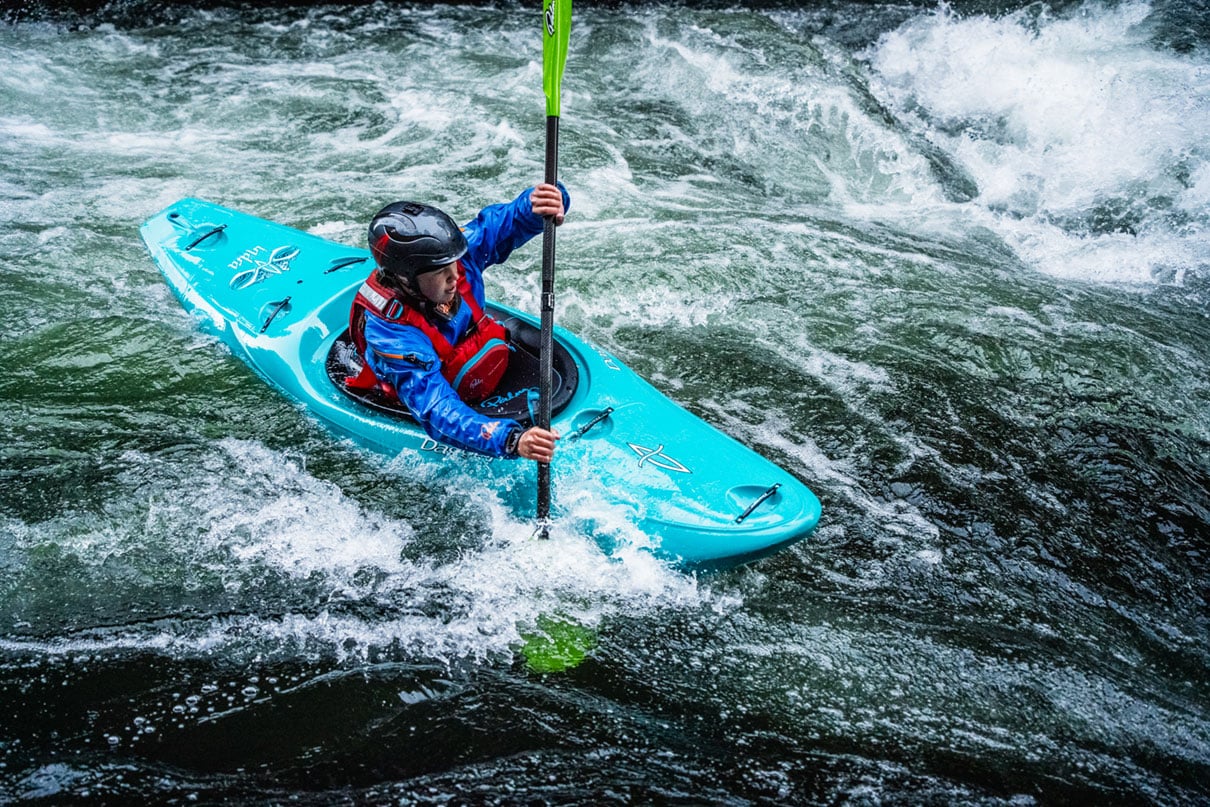
Credit: paddlingmag.com
Frequently Asked Questions
How Do You Know What Kayak Is Right For You?
Choose a kayak based on your skill level, type of water, and intended use. Consider size, weight, and stability. Test different models to ensure comfort. Check reviews and compare features. Prioritize safety and durability for a rewarding experience.
What Is The 120 Rule For Kayaking?
The 120 rule for kayaking suggests that air and water temperatures combined should be at least 120°F. This helps ensure safer conditions by preventing hypothermia. Always wear appropriate gear, like a wetsuit or drysuit, if temperatures are below this threshold to protect against cold water exposure.
What Are The Three Golden Rules Of Kayaking?
The three golden rules of kayaking are: maintain control of your kayak, paddle efficiently, and stay aware of your environment. Always prioritize safety, respect nature, and continuously improve your skills for a better kayaking experience.
Is A Lighter Or Heavier Kayak Better?
A lighter kayak offers easier maneuverability and transport, ideal for beginners and casual paddlers. Heavier kayaks provide stability and durability, suitable for advanced users and rough waters. Choose based on experience level and intended use for the best performance.
Conclusion
Choosing the right kayak can enhance your water adventures. Consider size, type, and material. Think about your paddling style and storage space. Always try before buying, if possible. Safety features matter, too. A comfortable seat and sturdy design are essential.
Research well to find the best fit for your needs. Enjoy exploring new waters with your perfect kayak. Remember, the right choice ensures memorable and safe journeys. Happy paddling!