Are you struggling to find the perfect way to store your kayak? You’re not alone.
Many kayak enthusiasts face the challenge of keeping their prized possession safe and in top condition when it’s not in use. Proper storage is crucial to maintaining your kayak’s longevity and performance, but it can seem daunting if you don’t know where to start.
Imagine the peace of mind you’ll feel knowing your kayak is stored safely, ready for your next adventure. In this guide, you’ll discover simple, effective methods to store your kayak that will save you space, time, and money. Dive in to learn how to protect your investment and ensure it remains in pristine condition for years to come.
Indoor Storage Solutions
Storing kayaks indoors protects them from weather damage. Use wall mounts or overhead racks to save floor space. Proper padding prevents scratches and maintains kayak shape.
Storing your kayak indoors can be a smart choice to protect it from harsh weather and prolong its lifespan. Indoor storage solutions not only ensure your kayak stays in top condition but also help maximize space efficiency in your home. Whether you have ample space or are working with tight quarters, there are several creative ways to accommodate your kayak inside.Garage Setup
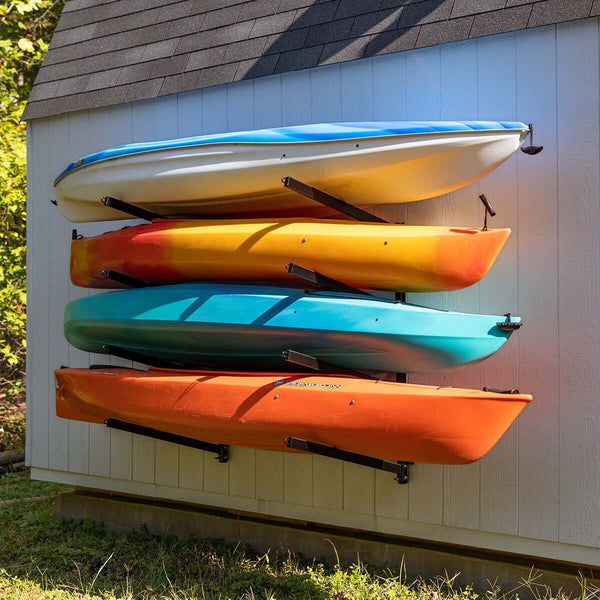
Transforming your garage into a kayak storage hub is easier than you might think. Start by identifying a wall with enough space to mount racks or hooks. Wall-mounted systems are perfect for keeping your kayak off the ground and out of harm’s way. Consider installing adjustable racks that can accommodate different kayak sizes. This versatility is especially useful if you own more than one kayak or plan to expand your collection. You can also use vertical storage solutions, like wall hooks, which allow you to store your kayak upright. This method is ideal for saving space while still maintaining easy access.Basement Options
Basements often provide ample space for kayak storage, but they require careful planning to avoid damage. Ensure your basement is dry and free from moisture to prevent any mold or mildew from forming on your kayak. Use freestanding racks or shelving units to keep your kayak elevated and protected. This setup allows you to store other gear and accessories beneath or around your kayak efficiently. If your basement has low ceilings, consider using pulley systems to hoist your kayak up for storage. This method keeps your kayak secure and out of the way, freeing up valuable floor space.Suspension Systems
Suspension systems offer a unique solution for kayak storage indoors. They utilize ceiling space, which is often underused, to hold your kayak securely. Opt for a pulley system that allows you to easily lift and lower your kayak. This not only saves space but also makes it convenient to access your kayak without heavy lifting. Ensure the suspension system is securely anchored to the ceiling beams. You want peace of mind knowing your kayak is safe above your head. Have you considered how your indoor storage solution might impact your kayak’s accessibility and your home’s aesthetics? By choosing the right method, you can achieve a balance between functionality and design. Embrace the challenge of finding the perfect indoor storage solution that suits your space and lifestyle.
Credit: www.amazon.com
Outdoor Storage Options
Storing kayaks outdoors can be simple with the right solutions. Use wall-mounted racks or freestanding cradles to keep kayaks safe and secure. Cover them with UV-protective tarps to shield from weather elements.
Outdoor storage options for kayaks offer convenience and protection. Ensuring your kayak is well-stored outdoors can extend its lifespan. Here, we’ll explore effective methods to keep your kayak safe and ready for your next adventure.Covered Areas
Covered areas provide shelter from direct sunlight and rain. Carports, porches, or gazebos can work well. These structures shield your kayak from harmful UV rays. UV rays can cause fading and damage over time. A covered area also keeps your kayak dry during rain. This prevents water damage and mold growth.Use Of Racks
Racks offer a practical and organized storage solution. Wall-mounted racks save space and keep kayaks off the ground. Freestanding racks can hold multiple kayaks securely. Racks prevent deformities by evenly distributing weight. Choose racks made of durable materials like stainless steel. This ensures long-term use and stability.Weatherproof Covers
Weatherproof covers protect kayaks from harsh weather conditions. Look for covers made with waterproof materials. These covers prevent water from seeping through. They also offer UV protection to preserve kayak color. Make sure the cover fits snugly to avoid wind damage. A secure cover adds an extra layer of defense against the elements.Protecting From Elements
Storing kayaks properly shields them from harsh weather. Use covers to protect from sun and rain damage. Store kayaks indoors or under a shelter to prevent exposure to extreme temperatures and elements.
Protecting your kayak from the elements is crucial for its longevity. Exposure to harsh weather can damage your kayak over time. Understanding how to shield it from the sun, moisture, and temperature changes helps maintain its condition. Let’s explore some essential tips.Uv Protection
Sunlight can cause your kayak’s material to fade and weaken. Store your kayak indoors if possible. Use a UV-protective cover to shield it from direct sunlight. These covers are affordable and effective. Applying a UV-protective spray can also help. This adds an extra layer of defense against harmful rays.Moisture Control
Moisture can lead to mold and mildew growth. Dry your kayak thoroughly before storage. Store it in a dry, ventilated area. Consider using a kayak rack that elevates it off the ground. This allows air to circulate and prevents water buildup. Desiccant packs can also absorb excess moisture.Temperature Considerations
Extreme temperatures can warp your kayak. Avoid storing your kayak in direct heat or cold. If possible, store it in a temperature-controlled environment. Insulating covers can help protect against temperature fluctuations. Always check your kayak for any signs of damage before and after storage.
Credit: www.amazon.com
Positioning For Stability
Positioning your kayak correctly ensures its long life. Store kayaks horizontally or with supports to prevent damage. Keep them away from direct sunlight and extreme weather for best results.
Positioning your kayak correctly ensures its longevity and stability. Proper storage prevents damage and maintains performance. It also saves space in your garage or storage area. Let’s explore the best ways to position your kayak for stability and safety.Horizontal Placement
Storing your kayak horizontally provides solid support. Use padded bars or racks for safety. Position the kayak on its side to distribute weight evenly. This method prevents hull distortion over time. Ensure the kayak is balanced and not tipping. Secure the kayak with straps to avoid movement. Check the stability regularly.Vertical Storage
Vertical storage is a space-saving option. Stand the kayak on its stern with a padded base. Ensure the bow is supported against a wall or structure. This prevents tipping and damage. Use wall hooks or straps to secure it in place. Make sure the kayak is stable and not leaning. Vertical storage reduces floor space usage.Avoiding Pressure Points
Avoid pressure points to prevent damage. Use wide, padded supports that cradle the kayak. Keep the weight evenly distributed. Avoid storing the kayak on hard surfaces. Pressure points can cause dents or warping. Regularly inspect the kayak for signs of stress. Adjust the supports to maintain even weight distribution.Maintenance Practices
Proper kayak storage prevents damage and prolongs lifespan. Keep kayaks away from direct sunlight and moisture. Use racks or wall mounts for vertical storage to save space and maintain shape.
Proper maintenance practices are essential to extending the lifespan of your kayak and ensuring it remains in top condition for every adventure. By incorporating regular cleaning, thorough material inspection, and effective repair techniques, you can keep your kayak looking and performing like new. Let’s dive into these maintenance practices to help you make the most of your kayaking experience.Regular Cleaning
Keeping your kayak clean is the first step in maintaining its condition. After each use, rinse your kayak with fresh water to remove salt, sand, and dirt. This prevents abrasive particles from damaging the surface. Use a mild soap and a soft sponge for a deeper clean. Avoid harsh chemicals as they can degrade the kayak’s material over time. Pay special attention to areas like the cockpit and hatches where grime tends to accumulate. Lastly, let your kayak dry completely before storing it to prevent mold and mildew growth. Moisture can cause unpleasant odors and weaken the kayak’s structure over time.Material Inspection
Inspecting your kayak’s material regularly is crucial for spotting any potential issues early. Check for cracks, dents, or scratches on the hull that might affect its performance. Pay attention to the kayak’s seams and joints. These areas are prone to wear and tear, especially if your kayak is frequently exposed to rough waters or rocky surfaces. Don’t forget to examine the kayak’s accessories, such as paddles, seats, and straps. Ensuring these components are in good condition is key to a safe and enjoyable paddling experience.Repair Techniques
If you find any damages during your inspection, it’s important to address them promptly. Small scratches can often be buffed out using fine sandpaper and a bit of elbow grease. For more significant repairs, like cracks or deep gouges, consider using a repair kit specifically designed for your kayak’s material. These kits usually include patches and adhesives that can restore your kayak’s integrity. If repairs seem beyond your skill level, don’t hesitate to consult a professional. Investing in professional repairs can save you from more costly damage down the line. Taking these maintenance practices seriously can make a world of difference in your kayaking experience. Have you ever found unexpected damage on your kayak? How did you handle it? Sharing stories helps us all learn and prepare for future adventures.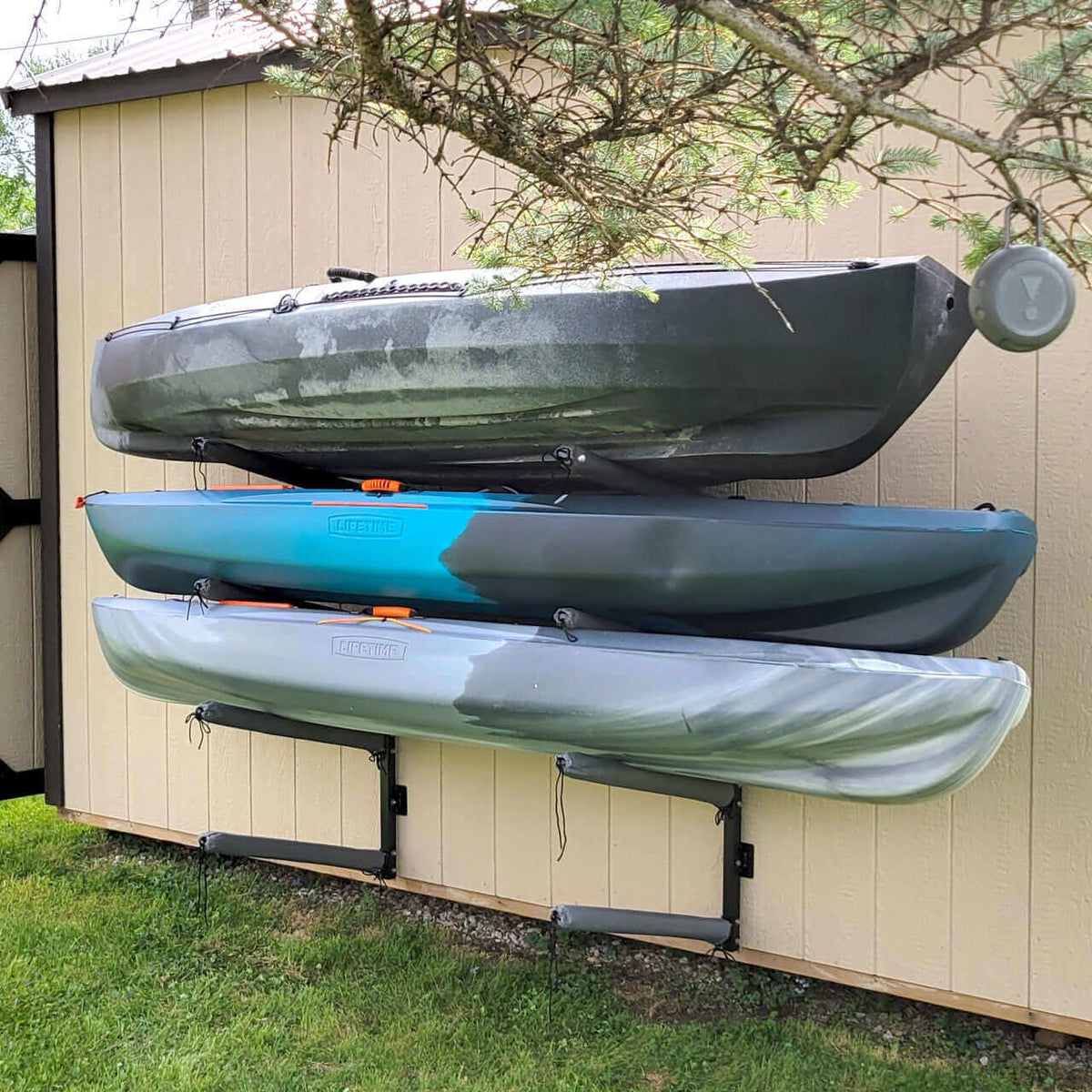
Credit: vibekayaks.com
Security Measures
Proper storage of kayaks involves securing them against theft and damage. Use locks and chains to keep kayaks safe. Protect from weather by using covers or storing indoors.
Security Measures are crucial for keeping your kayak safe. Protecting your investment ensures peace of mind and extends the kayak’s lifespan. Implementing strong security measures helps prevent theft and damage. Understanding different security options helps in choosing the best protection. Here, we explore some effective strategies.Locking Systems
Locking your kayak is essential. Use durable locks and cables. Secure the kayak to an immovable object. Choose weather-resistant locks for longevity. Consider a combination lock for added security. Locking systems deter thieves and ensure safety.Security Cameras
Install security cameras for monitoring. Cameras act as a deterrent. Place cameras in visible spots. Ensure clear views of the kayak storage area. Choose cameras with night vision capabilities. Review footage regularly for peace of mind. Security cameras enhance overall protection.Insurance Options
Consider insurance for additional security. Insurance covers theft and damage. Choose a policy that suits your needs. Compare different insurance options. Read policy terms carefully. Insurance provides financial protection. It offers reassurance and security.Frequently Asked Questions
How To Store Kayaks When Not In Use?
Store kayaks indoors or use a weather-resistant cover outdoors. Keep them off the ground using racks or hangers. Avoid direct sunlight to prevent damage. Ensure they’re clean and dry before storing. Regularly check for any potential mold or mildew.
Is It Better To Store A Kayak Vertically Or Horizontally?
Store a kayak horizontally to prevent warping and damage. Use padded cradles or racks for support. Vertical storage can stress the hull over time. Ensure proper weight distribution for longevity. Keeping it off the ground and away from direct sunlight enhances durability.
Can You Store A Kayak On Its Bottom?
Storing a kayak on its bottom can cause deformation. It’s best to store it on its side or hanging. This prevents pressure damage and maintains its shape. Ensure proper support to avoid dents or bends. Regular checks ensure the kayak remains in good condition for future use.
How Do You Store A Kayak For The Winter?
Store a kayak indoors or under cover to protect it from elements. Ensure it’s clean and dry. Use kayak racks or suspend it from straps to maintain shape. Avoid direct sunlight and extreme temperatures. Periodically check for any signs of damage or wear.
Conclusion
Kayak storage needs careful planning. Protect your kayak from sun and moisture. Use wall racks or ceiling hoists for small spaces. Cover your kayak with a tarp or a special cover. Regular checks keep your kayak safe and ready. A well-stored kayak lasts longer and performs better.
Don’t forget to secure your kayak to prevent theft. Follow these tips and enjoy your paddling adventures. Keep your kayak in top shape for many years to come. Happy kayaking!