

Imagine gliding through Alaska’s pristine waters, surrounded by towering glaciers and breathtaking landscapes. It’s a kayaker’s dream come true!
But before you set off on this incredible adventure, there’s one crucial question to answer: what should you wear? The right gear can make the difference between an unforgettable experience and a frosty, uncomfortable trip. You want to stay warm, dry, and safe while embracing the thrill of kayaking in one of the world’s most stunning environments.
In this guide, you’ll discover exactly what to wear to ensure your adventure is as comfortable and enjoyable as possible. Stick around, and you’ll be well-prepared to face Alaska’s unique challenges with confidence.
Layering For Alaskan Weather
Dressing for kayaking in Alaska requires smart layering. Start with moisture-wicking base layers to keep dry. Add insulating mid-layers for warmth, and finish with a waterproof outer layer to protect against rain and cold winds. Don’t forget neoprene gloves and booties for added comfort and safety on the water.
Kayaking in Alaska is an adventure that promises breathtaking landscapes and thrilling encounters with nature. However, the state’s unpredictable weather demands strategic layering to ensure comfort and safety. Whether you’re navigating icy waters or basking in the unexpected warmth of a sunny day, wearing the right layers can make all the difference. Let’s delve into the essentials of layering for Alaskan weather.Base Layer Essentials
Your base layer is crucial in regulating body temperature and managing moisture. Opt for moisture-wicking fabrics like merino wool or synthetic materials. They keep sweat off your skin, ensuring you stay dry and warm. Steer clear of cotton, as it retains moisture and can leave you cold and uncomfortable. Consider the thickness of your base layer based on your activity level and the day’s forecast. On particularly cold days, a thicker base layer can provide additional warmth. Always prioritize comfort and flexibility to allow for free movement.Mid-layer Options
The mid-layer acts as insulation, trapping heat close to your body. Fleece jackets or vests are excellent choices for this layer. They offer warmth without adding bulk, allowing you to paddle with ease. Down is another great option, especially for its lightweight and compressible nature. Think about your personal tolerance for cold. If you tend to feel cold easily, consider adding an extra mid-layer. Remember, it’s easier to remove layers if you get too warm than to add layers if you start off too cold.Outer Layer Protection
Your outer layer should shield you from wind, rain, and splashes. A waterproof and windproof jacket is essential. Look for features like adjustable hoods and cuffs to keep water out. Breathability is also key to prevent overheating and allow moisture to escape. Don’t forget about your lower body. Waterproof pants or bibs are vital for keeping your legs dry and comfortable. Consider choosing pants that allow for easy movement while seated in a kayak. Alaska’s weather can change rapidly, so it’s wise to carry an extra layer in your dry bag. Are you prepared for sudden temperature drops or unexpected rain showers? With the right layers, you can focus on the adventure, not the discomfort.Choosing The Right Footwear
Opt for waterproof shoes when kayaking in Alaska. Neoprene boots keep feet dry and warm. Consider shoes with good grip to avoid slipping on wet surfaces.
Choosing the right footwear is crucial for kayaking in Alaska. Your feet need protection from cold waters and rocky shores. The right shoes will keep your feet warm and dry.Waterproof Boots
Waterproof boots are essential for kayaking in Alaska. They provide insulation against the cold water. These boots also offer excellent grip on slippery rocks. Choose boots made from durable materials. They should be high enough to prevent water entry. A snug fit is important to keep your feet comfortable.Neoprene Socks
Neoprene socks are another great option. They add an extra layer of warmth inside boots. These socks are lightweight and flexible. Neoprene material is water-resistant and insulating. Pair them with waterproof boots for extra protection. Ensure they fit well to avoid discomfort.Selecting A Quality Pfd
Kayaking in Alaska offers breathtaking views and thrilling adventures. Safety should be a top priority. One essential piece of safety gear is a Personal Flotation Device (PFD). Selecting a quality PFD ensures safety and comfort. A well-chosen PFD provides buoyancy and freedom of movement. It keeps you safe in the water while allowing easy paddling. Below are important considerations for selecting the right PFD.
Features To Look For
Look for a PFD with durable materials and a sturdy zipper. Reflective strips increase visibility in low light. Multiple pockets are handy for storing small items. Ventilation is crucial for comfort during long paddles. Consider adjustable straps for a snug fit.
Proper Fit And Adjustments
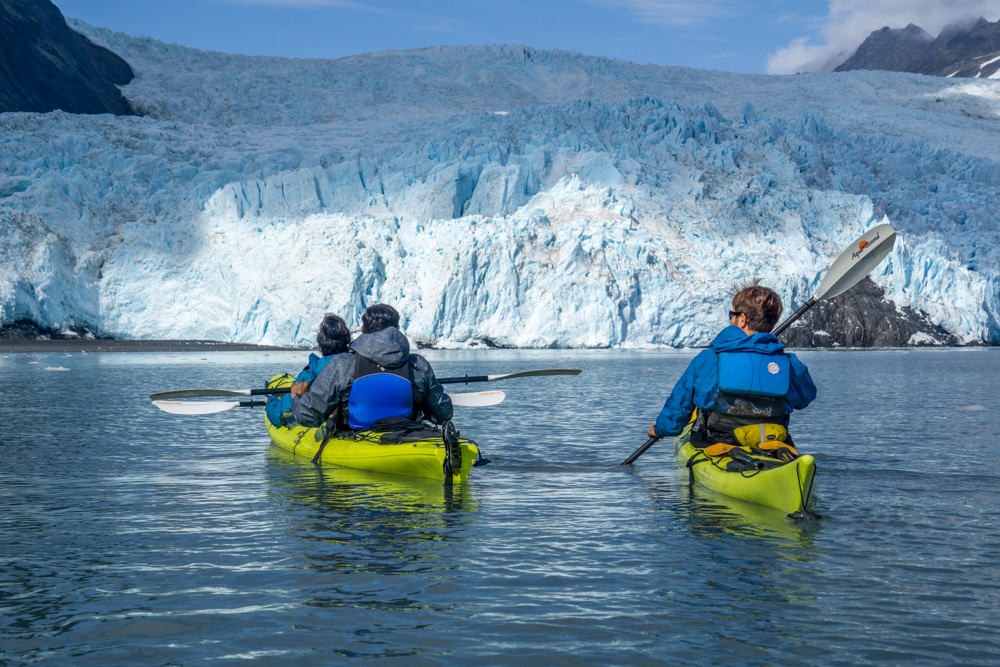
A PFD must fit properly to be effective. It should not ride up when pulled at the shoulders. The fit should be snug but not restrictive. Try the PFD over your usual kayaking clothing. Adjust the straps for a secure fit. Make sure it allows a full range of motion.
Credit: www.alaska.org
Headwear For Cold Conditions
Bundle up with thermal hats when kayaking in Alaska’s icy waters. Wool or fleece options provide warmth and comfort. A snug fit keeps cold winds at bay, ensuring an enjoyable adventure.
Kayaking in Alaska presents a breathtaking adventure, but the cold conditions demand careful attention to your headwear. Keeping your head warm is crucial, especially when the icy winds whip around you. A well-chosen hat and protection for your face and neck can make all the difference between an enjoyable experience and a chilly struggle. Let’s delve into the essential components of headwear for kayaking in Alaska.Insulated Hats
An insulated hat is your first line of defense against the cold. Look for hats made of materials like fleece or wool, which provide excellent warmth and comfort. Many seasoned kayakers swear by the versatility of a beanie. It fits snugly and can be easily worn under a helmet or hood. Consider hats with ear flaps for added protection. Those tiny flaps can shield your ears from icy breezes, making a huge difference in your overall warmth.Face And Neck Protection
Your face and neck are exposed to the elements, so covering them is crucial. Neck gaiters or balaclavas offer seamless protection, keeping drafts at bay. Choose a breathable fabric to prevent moisture build-up. This ensures you stay dry and comfortable throughout your adventure. Imagine feeling the chill without a neck guard—it’s a quick way to cut your trip short. Opt for multi-functional designs that can be adjusted to cover your nose and mouth when needed. What type of face and neck protection do you prefer? It might be worth trying different styles to find the one that suits you best.Handwear For Paddling
Kayaking in Alaska offers breathtaking views and exhilarating adventures, but the chilly waters demand smart gear choices. Your hands are crucial to maintaining a firm paddle grip and staying warm. The right handwear can make a world of difference in your paddling experience. Here’s how to keep your hands cozy and functional while navigating the Alaskan waters.
Gloves For Grip And Warmth
Think of gloves as your go-to for optimal dexterity and warmth. They provide a snug fit, allowing you to maintain a strong grip on your paddle without compromising comfort. Neoprene gloves are popular among kayakers for their insulating properties. They shield your hands from the cold and wet conditions, while offering flexibility for easy movement.
Another option to consider is fleece-lined gloves. They offer both warmth and a good grip, making them ideal for those early morning paddles. When choosing gloves, ensure they fit well and allow for a range of motion. A poorly fitting glove can lead to discomfort and decreased paddling efficiency.
Waterproof Mittens
Mittens might initially seem less practical for kayaking, but they offer unmatched warmth. Waterproof mittens are perfect for those particularly icy Alaskan days. While they may limit finger movement, their design ensures your hands stay warm by allowing heat to circulate.
Some kayakers opt for mittens with removable inserts. This feature offers flexibility for adjusting to changing temperatures. It’s worth considering if you plan to be out on the water for extended periods. Can you imagine anything worse than cold, numb fingers while paddling? Protect your hands with reliable waterproof mittens.
Sun Protection Considerations
Protecting your skin is crucial while kayaking in Alaska. Wear UV-resistant clothing, a wide-brimmed hat, and polarized sunglasses. Applying waterproof sunscreen ensures additional protection against harmful rays.
Kayaking in Alaska is an adventure where nature’s beauty shines bright, but it’s important to protect yourself from the sun. Even in cooler climates, UV rays can be intense, especially when they’re reflected off the water’s surface. Being prepared with sun protection can make your kayaking experience more enjoyable and safe.Sunglasses With Uv Protection
Wearing sunglasses with UV protection is crucial when kayaking in Alaska. The sun’s rays can be harsh on your eyes, particularly with the added glare from the water. Choose sunglasses that offer 100% UV protection to shield your eyes effectively. Polarized lenses can be a game-changer, reducing glare and enhancing visibility. Have you ever tried spotting wildlife without squinting? With the right sunglasses, you can enjoy the stunning views without straining your eyes.Sunscreen For Sensitive Areas
Applying sunscreen to sensitive areas is essential, even under cloudy skies. Your nose, cheeks, and ears are particularly vulnerable to sunburn. Select a broad-spectrum sunscreen with at least SPF 30 and water-resistant properties. Think about those times you forgot sunscreen and ended up with a painful burn. A small tube of sunscreen can fit easily into your gear, ensuring you’re protected throughout your journey. Remember, reapplying every couple of hours can prevent discomfort and keep your skin healthy.Extra Gear For Safety
Kayaking in Alaska requires more than just a paddle and a life jacket. This adventure demands extra gear for safety. The wild waters and unpredictable weather can challenge even seasoned kayakers. Proper preparation is key to enjoying the breathtaking views safely. Let’s explore essential safety gear.
Whistle And Signaling Devices
A whistle is vital for alerting others in case of emergencies. Its sound cuts through the noise of rushing water. Easy to carry, it can be attached to your life jacket. Signaling devices like mirrors or flares are also useful. They help catch the attention of rescuers or fellow kayakers.
First Aid Kit
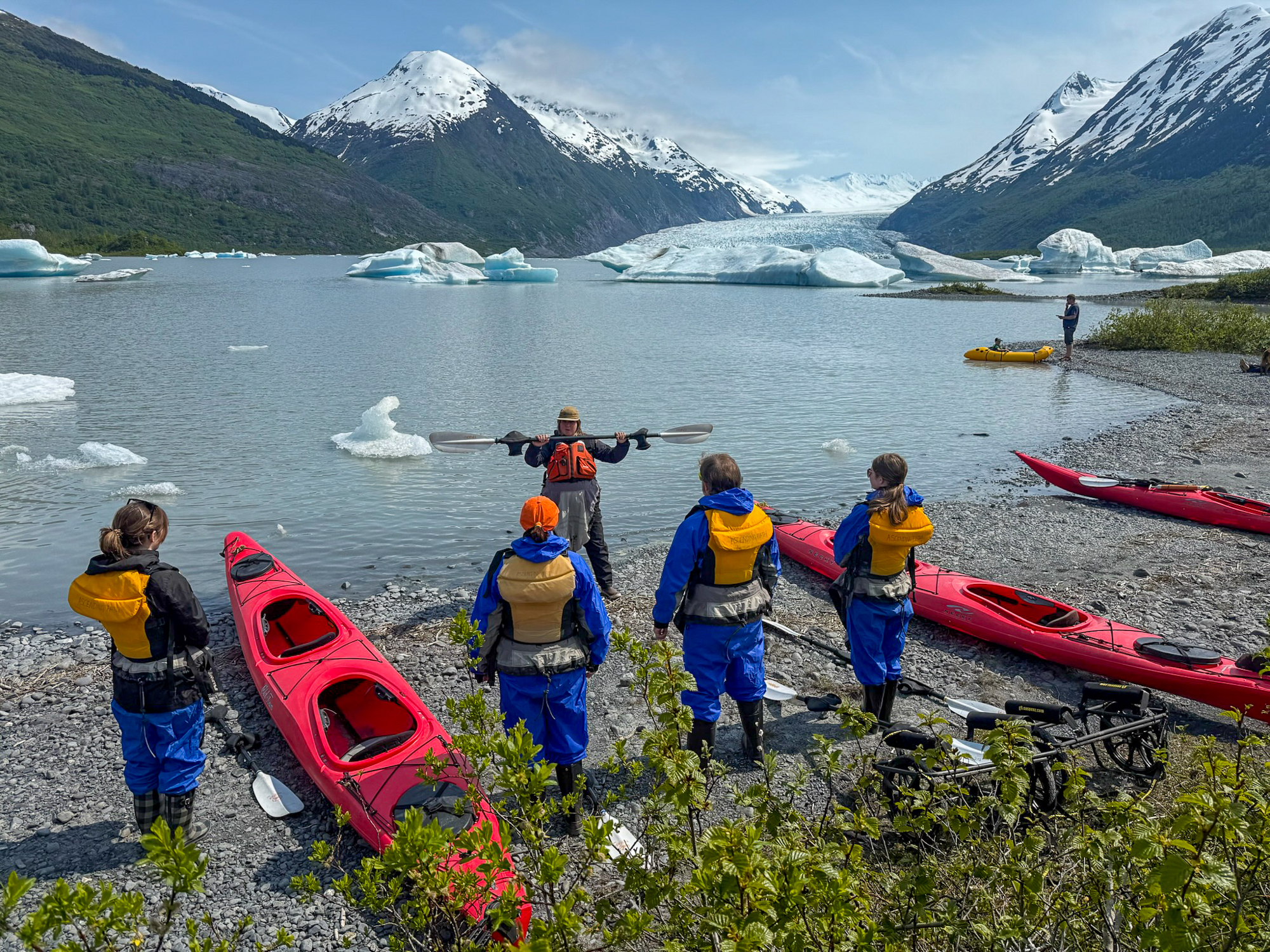
A compact first aid kit is another must-have. It should include bandages, antiseptic wipes, and pain relief medication. Small injuries can occur from sharp rocks or sudden falls. Having supplies on hand ensures minor injuries don’t ruin your adventure. Choose a waterproof container to keep the kit dry.
Credit: www.greatlandadventures.com
Packing Dry Bags
Packing dry bags is essential for kayaking in Alaska’s unpredictable weather. Ensure your gear stays dry by using waterproof bags for clothing and electronics. Choose breathable layers and warm, moisture-wicking materials to stay comfortable and safe on the water.
Packing dry bags is essential for a successful kayaking trip in Alaska. The unpredictable weather and rough waters can pose challenges. Keeping your gear dry is crucial. A well-packed dry bag ensures that your essentials remain safe. Let’s explore how to choose the right size and organize your essentials.Choosing The Right Size
Selecting the correct dry bag size is important. Consider the duration of your trip. For a day trip, a 10-20 liter bag may suffice. Longer trips might need 30 liters or more. Assess what you need to carry. Clothes, food, and safety gear take up space. Ensure the bag is not too bulky. It should fit comfortably in your kayak.Organizing Essentials
Proper organization helps you access items quickly. Use smaller bags within the main dry bag. Group similar items together. Clothes in one, food in another. Use waterproof pouches for electronics. Label each pouch for easy identification. Place frequently used items on top. This saves time and keeps you efficient. Packing dry bags properly is an art. With careful planning, your Alaskan kayaking trip will be smooth.
Credit: www.facebook.com
Frequently Asked Questions
How To Dress For Kayaking In Alaska?
Wear a waterproof dry suit for kayaking in Alaska. Layer with moisture-wicking base layers and thermal insulation. Choose neoprene gloves and booties for warmth. Opt for a sun hat or beanie, depending on weather. Ensure your life jacket fits well for safety.
What Is The Best Clothing For Kayaking?
Choose quick-drying, moisture-wicking clothing for kayaking. Wear layers to adjust to changing temperatures. Opt for a sun-protective shirt, waterproof jacket, and comfortable shoes. Consider a hat and sunglasses for sun protection.
Can I Wear Normal Clothes For Kayaking?
Wearing normal clothes for kayaking isn’t ideal. Opt for quick-drying, water-resistant clothing. Choose lightweight, breathable fabrics to stay comfortable. Avoid cotton as it retains moisture. Proper attire enhances safety and comfort while kayaking.
Should You Wear A Bathing Suit While Kayaking?
Yes, wearing a bathing suit while kayaking is advisable. It allows flexibility and dries quickly if wet. Opt for comfortable, non-restrictive swimwear. Always consider water temperature and sun protection. Lightweight, moisture-wicking materials are ideal for comfort and safety.
Conclusion
Dressing right enhances your Alaskan kayaking experience. Prioritize warmth and comfort. Layers help manage the changing weather. Waterproof gear keeps you dry. A snug life jacket ensures safety. Choose quick-drying fabrics to stay comfortable. Protect your feet with sturdy water shoes.
Don’t forget a hat and sunglasses for sun protection. Gloves can keep hands warm and improve grip. Dressing smartly makes your adventure more enjoyable. Stay safe and have fun exploring Alaska’s waters!





