
Imagine this: you’re out on the water, enjoying a beautiful day of kayaking, when suddenly you find yourself in the water and your kayak floating nearby. Panic might set in for a moment, but worry not!
Getting back into your kayak from the water is a skill you can master with just a bit of practice. This guide is designed just for you—to help you feel confident and prepared, no matter what the water throws your way.
Dive into this article to discover simple, step-by-step techniques that will make re-entering your kayak from the water as easy as pie. Empower yourself with these tips and never let a little splash keep you from exploring the vast beauty of the waterways. Ready to turn potential mishaps into moments of triumph? Keep reading to learn how you can do just that!
Choosing The Right Equipment
Getting into a kayak from the water requires the right equipment. Choosing the right kayak and gear ensures a safe and enjoyable experience. The equipment you select plays a crucial role in your kayaking adventure. Let’s explore the essentials for a successful water entry.
Selecting A Suitable Kayak
Picking the right kayak is essential for stability. Recreational kayaks are ideal for beginners. These kayaks are wider and more stable. They are easy to maneuver and balance. Touring kayaks are faster but require more skill. Consider your skill level before choosing. The kayak’s length and width affect stability. Shorter kayaks are easier to handle in water. Wider kayaks offer better balance. Make sure the kayak suits your body size and weight.
Essential Gear For Safety
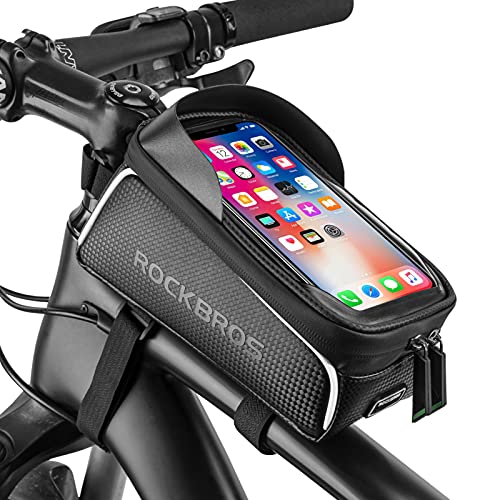
Safety gear is vital for kayaking. A life jacket is a must-have item. It keeps you buoyant in water. Choose a life jacket that fits well. It should not restrict movement. A whistle is essential for signaling. It helps in emergencies. Consider a waterproof phone case. It protects your phone from water damage. A paddle leash secures your paddle. It prevents loss in water. A helmet offers head protection. It is important in rocky areas. Ensure your gear is in good condition. Always check before use.
Preparing For The Water Entry
Preparing for the water entry is an essential skill for anyone looking to master kayaking. This involves understanding the environment and honing your techniques to ensure a smooth transition from water to kayak. Whether you’re a beginner or an experienced paddler, getting into a kayak from the water can be challenging if you’re not properly prepared. Let’s dive into the key aspects that will help you glide gracefully into your kayak.
Assessing Water Conditions
Before you attempt to get into your kayak, take a moment to evaluate the water conditions. Is the water calm, or are there waves that could disrupt your balance? Calm waters are ideal for practicing, but if you find yourself in rougher conditions, extra caution is necessary.
Observe the wind direction and strength. Strong winds can make the kayak drift, complicating your entry. Windy days might not be the best time to practice, but they can teach you about balance and control.
Check the temperature and clarity of the water. Cold water can sap your energy quickly, and murky waters might hide obstacles. Always prioritize safety and wear a life jacket.
Practicing Balance Techniques
Balance is crucial when getting into a kayak from the water. Start by practicing your balance in shallow waters where you can stand easily. This will help you understand how your body shifts when mounting the kayak.
Use your core muscles to stabilize yourself. As you approach the kayak, keep your movements deliberate and controlled. This will prevent sudden shifts that can tip the kayak.
Try different techniques to find what works best for you. Some paddlers find success by approaching the kayak from the side, while others might find it easier from the back. Experiment and see what feels most natural.
- Position yourself parallel to the kayak for a straightforward entry.
- Keep your weight low and centered during the transition.
- Practice using your paddle as a stabilizer to maintain balance.
What strategies have you discovered to enhance your balance while getting into your kayak? Share your experiences and insights, and let’s learn from each other.
Step-by-step Water Entry
Getting into a kayak from the water can seem challenging, especially for beginners. But with a bit of practice and following the right steps, you’ll find it both rewarding and fun. This guide walks you through a straightforward process to help you master the art of water entry into a kayak.
Approaching The Kayak
Start by swimming towards your kayak calmly. Keep your movements smooth to avoid rocking the kayak too much. Aim to approach from the side, where you have more stability.
Have you ever noticed how a kayak seems to drift away just when you’re about to reach it? Use a firm grip to hold onto the cockpit rim as you get close. This will keep the kayak from slipping away as you prepare to climb in.
Stabilizing The Kayak
Once you have a firm hold, it’s crucial to stabilize the kayak. Place one hand on the opposite side of the kayak to balance it. This technique distributes your weight evenly, preventing tipping.
If the kayak starts to tilt, don’t panic. Adjust your grip and posture, and wait until it steadies. Remember, a calm approach keeps you in control.
Mounting The Kayak
Now, the moment of truth—mounting the kayak. Use your upper body strength to pull yourself up and onto the kayak deck. Swing your legs up and into the cockpit in one smooth motion.
Are you wondering how to maintain balance during this transition? Keep your weight centered and low as you slide into the seat. Practice makes perfect, so don’t be discouraged if it takes a few tries to get it right.
Getting into a kayak from the water is a skill you can easily master with patience and practice. Each successful entry boosts your confidence and enhances your kayaking experience. So, the next time you’re out on the water, will you give it a try?

Credit: www.youtube.com
Common Mistakes To Avoid
Getting into a kayak from water can be tricky. Avoid pushing down on the kayak rim to maintain stability. Using your paddle to balance can prevent tipping and ensure a smooth entry.
Common Mistakes to Avoid Getting into a kayak from the water can be tricky, and avoiding common mistakes will make the process smoother and safer. Many paddlers, especially beginners, often overlook key elements that can lead to mishaps. Let’s dive into some frequent errors and how you can avoid them.Incorrect Positioning
Positioning is crucial when getting back into a kayak from the water. A common mistake is trying to climb in from the side, which can cause the kayak to flip. Instead, position yourself at the back and pull yourself forward, maintaining balance. Another error is not centering your weight over the kayak. Keep your body low and centered to prevent tipping. Remember, rushing this step can lead to unnecessary spills.Ignoring Safety Precautions
Safety should never take a backseat. Many paddlers neglect to wear a life jacket, thinking it’s not necessary. However, strong currents or sudden slips can catch you off guard. Ensure you have a whistle and a paddle float within reach. These tools can assist in emergencies and should always be part of your kayaking gear. Have you checked your equipment lately to ensure everything is intact? Lastly, practice re-entering your kayak in calm waters before venturing into more challenging conditions. This preparation will boost your confidence and ensure you’re ready for anything.Safety Tips For Kayaking
Getting into a kayak from the water requires calmness and balance. Position the kayak parallel to you, then hold onto the cockpit and kick your legs to boost yourself in. Ensure your weight is evenly distributed to prevent tipping. Practice makes perfect for a smooth entry.
Kayaking can be an exhilarating adventure, but ensuring your safety on the water is crucial. Whether you’re a novice or an experienced paddler, understanding and implementing essential safety tips can make your kayaking experience more enjoyable and secure. Let’s dive into some key safety considerations that every kayaker should keep in mind.Wearing A Life Jacket
A life jacket isn’t just a recommendation; it’s a necessity. Always wear a properly fitted life jacket that allows for easy movement and won’t hinder your paddling. Think of it as your best friend on the water—reliable, supportive, and always there when you need it. Consider the time a sudden wave almost tipped my kayak. The life jacket kept me buoyant and calm, allowing me to regain control swiftly. Would you jump out of a plane without a parachute? Then why kayak without a life jacket?Understanding Weather Impacts
Weather can be unpredictable, and it’s vital to keep an eye on the forecast. Strong winds and sudden storms can turn a peaceful paddle into a challenging ordeal. Before heading out, check the weather conditions and plan accordingly. Once, I underestimated a cloudy sky that quickly turned stormy. It taught me the importance of respecting Mother Nature. Have you ever had a day ruined by unexpected weather? Don’t let it happen while you’re on the water.Communicating With Group
If you’re kayaking with a group, communication is key. Establish clear signals or use waterproof communication devices to stay connected. This can be a lifesaver when someone needs assistance or spots an obstacle. During a group outing, we lost sight of a fellow kayaker due to dense fog. Our pre-discussed signals helped us reunite quickly. How would you alert your friends if you drifted apart? Having a plan can prevent panic and ensure everyone’s safety. By keeping these safety tips in mind, you can focus on enjoying your kayaking adventure, knowing that you’re prepared for whatever the water throws your way. Stay safe, paddle smart, and make the most of your time on the water!
Credit: aquabound.com
Expert Recommendations
Getting back into a kayak from the water requires calmness and balance. Position yourself beside the kayak, grip the side, and kick your legs to hoist yourself up. Slide your legs back into the kayak, maintaining a low center of gravity to prevent tipping.
Practice makes perfect!
Getting into a kayak from the water can be an exhilarating experience, but it requires the right technique and skill. It’s not just about strength; it’s about understanding the dynamics of your body and the kayak. Expert recommendations can significantly enhance your ability to master this skill efficiently and safely.Training With Professionals
Engaging with experienced instructors can make a world of difference. Professional trainers offer insights and techniques that are not easily found online or in books. Their guidance is tailored to your individual needs and skills. You might learn how to position your body correctly or how to leverage your weight efficiently. Consider enrolling in a kayaking class or workshop. You’ll gain firsthand experience and receive instant feedback, which is invaluable in honing your skills. What advice might surprise you from a seasoned kayaker?Practicing Regularly
Consistency is key to mastering any skill, and kayaking is no exception. Regular practice helps you build muscle memory and boost your confidence. Set aside time each week to get out on the water. Even short sessions can make a big difference. Challenge yourself with different conditions, whether it’s calm waters or gentle waves. How can you incorporate kayaking into your routine seamlessly?Learning Advanced Techniques
Once you’ve got the basics down, it’s time to explore advanced techniques. These might include the “heel hook” method or using a paddle float for assistance. Understanding these techniques can provide you with more options in challenging situations. Advanced methods often require a deeper understanding of kayak balance and personal agility. You may find yourself asking: which technique feels most natural to you? By following expert recommendations, you can enhance your skills and confidence on the water, making kayaking an even more enjoyable experience.
Credit: tomoutdoors.com
Frequently Asked Questions
How To Get Into A Kayak From Shore For Beginners?
Position the kayak parallel to the shore. Hold the paddle across the cockpit for balance. Step in carefully, keeping weight centered. Sit down slowly and adjust your seat. Push off gently with your paddle to start kayaking. Practice makes perfect for a smooth entry.
How Do Seniors Get In And Out Of A Kayak?
Seniors should use stable kayaks with supportive handles. Enter the kayak from shallow water or a dock. Steady themselves with a paddle or a partner’s help. Exit by reversing the process, ensuring balance and safety. Practice regularly to build confidence and comfort.
What Is The 120 Rule For Kayaking?
The 120 rule for kayaking states that air and water temperatures combined should be at least 120°F. This ensures safer kayaking conditions by minimizing risks of hypothermia. Always wear appropriate gear and check weather conditions to ensure a safe kayaking experience.
What Is The Leading Cause Of Death In Kayaks?
Drowning is the leading cause of death in kayaks. It often occurs due to lack of a life jacket. Wearing a life jacket significantly reduces the risk. Always ensure safety measures before kayaking to prevent accidents.
Conclusion
Getting back into a kayak from the water is manageable. Practice helps you stay calm and confident. Remember the key steps. Position the kayak properly, balance your weight, and use your arms to lift. Once seated, adjust your paddle and relax.
Safety first. Always wear a life jacket and kayak with friends. Enjoy your kayaking adventures. Each time you try, it gets easier. Feel the thrill of paddling again. Embrace the challenge. Water is your friend. Kayaking is a fun skill to learn.
Keep practicing, and you’ll enjoy every moment on the water. Happy kayaking!