
Imagine this: you’re ready for a thrilling day on the water, the sun is shining, and you’ve picked out the perfect kayak. But as you prepare to set off on your adventure, one question lingers in your mind: how much does a kayak weigh?
Understanding the weight of your kayak isn’t just about convenience—it’s crucial for transportation, storage, and ultimately, your safety on the water. Whether you’re a seasoned paddler or a curious newbie, knowing the weight of your kayak can make all the difference in your outdoor experience.
Dive into this article to uncover everything you need to know about kayak weights, and make your next aquatic journey smoother and more enjoyable.
Types Of Kayaks
Kayak weight varies by type, impacting ease of transport and maneuverability. Recreational kayaks weigh 30-50 pounds. Tandem kayaks, built for two, typically range from 50-75 pounds.
Kayaking is a fantastic way to explore the water, connect with nature, and enjoy some tranquility. But did you know that the type of kayak you choose can significantly impact your paddling experience? Different types of kayaks cater to specific activities, and their weights vary accordingly. Understanding the differences can help you select the right kayak that matches your needs and preferences.Recreational Kayaks
Recreational kayaks are perfect for those who enjoy a leisurely paddle on calm waters. These kayaks are typically lightweight, making them easy to transport and maneuver. Most recreational kayaks weigh between 35 to 50 pounds. They are designed for stability and ease of use, ideal for beginners. Have you ever tried lifting one? You’ll find it’s manageable for solo adventurers.Touring Kayaks
Touring kayaks are built for long-distance paddling adventures. They tend to be longer and heavier than recreational kayaks, with weights ranging from 50 to 75 pounds. Their design prioritizes speed and efficiency, allowing you to glide smoothly through the water. If you’re considering a multi-day trip, a touring kayak might be your best bet. Can you imagine the thrill of slicing through the water with ease?Whitewater Kayaks
Whitewater kayaks are crafted for adrenaline-pumping river runs. These kayaks are smaller and more robust, with weights typically between 30 to 45 pounds. Their compact size provides agility and control in turbulent waters. If you’re seeking heart-pounding excitement, a whitewater kayak will keep you on the edge. Ever wondered how it feels to conquer those rapids? The lightweight nature makes it easier to carry and maneuver through challenging terrains.Fishing Kayaks
Fishing kayaks are designed with stability and storage in mind. They often feature additional equipment like rod holders and tackle boxes, making them heavier, usually between 60 to 80 pounds. These kayaks prioritize comfort and functionality, perfect for anglers. Do you enjoy the patience and skill of fishing? A fishing kayak might be your trusty companion on the water, offering ample space for your gear.Inflatable Kayaks
Inflatable kayaks offer unmatched convenience and portability. When deflated, they can easily fit into a backpack, making them a popular choice for travelers. These kayaks weigh significantly less than their rigid counterparts, typically around 20 to 40 pounds. Imagine the ease of setting up your kayak and hitting the water without the hassle of heavy lifting. Have you ever thought about taking your kayak on your next vacation? Choosing the right kayak involves understanding your needs and preferences. Are you more inclined towards leisure or adventure? Whether you’re paddling through serene lakes or challenging rapids, there’s a kayak designed for you.Factors Influencing Kayak Weight
Understanding the weight of a kayak is essential. It affects portability and performance. Several factors influence a kayak’s weight. These include material, size, and added features. Each factor contributes differently.
Material Composition
The material used significantly impacts kayak weight. Common materials include plastic, fiberglass, and carbon fiber. Plastic kayaks are usually the heaviest. They are durable and cost-effective. Fiberglass kayaks weigh less. They offer a good balance between weight and strength. Carbon fiber kayaks are the lightest. They provide high performance but cost more.
Kayak Size And Dimensions
The size and dimensions of a kayak also affect its weight. Longer kayaks generally weigh more. They offer better speed and tracking. Shorter kayaks are lighter and easier to transport. The width of a kayak can add weight too. Wider kayaks provide more stability. But they can be heavier than narrow ones.
Added Features And Accessories
Additional features increase a kayak’s weight. Features like seats, storage compartments, and rudders add extra pounds. Accessories such as paddles and anchors contribute too. While these features add convenience, they also add weight. Consider your needs and balance weight with functionality.
Average Weights By Kayak Type
Kayak weights vary by type, affecting portability and performance. Recreational kayaks weigh around 35-50 pounds, while touring models are lighter. Inflatable kayaks can weigh as little as 20 pounds, offering easy transport.
Understanding the average weight of a kayak can greatly influence your choice, especially when considering transportation, storage, and ease of use. Different types of kayaks come with varying weights, each designed to meet specific needs and preferences. Whether you’re a seasoned paddler or a beginner, knowing these weight ranges can help you make a more informed decision.Lightweight Options
For those prioritizing portability, lightweight kayaks are a game-changer. Typically weighing between 20 and 40 pounds, these kayaks are easy to carry and store. They’re perfect for solo adventurers or anyone who frequently moves their kayak without help. Inflatable kayaks often fall into this category. They offer the convenience of easy transport, fitting into the trunk of a car. However, they may not provide the same durability as heavier models.Standard Weight Ranges
Most recreational and touring kayaks fall into the standard weight category. These kayaks usually weigh between 40 and 70 pounds. They strike a balance between durability and manageability, making them a popular choice for many paddlers. If you’ve ever tried lifting a standard kayak onto a roof rack, you’ll appreciate why knowing the weight matters. This range offers stability in the water, which is essential for a smooth and enjoyable paddling experience.Heavy-duty Models
For those who need robust performance, heavy-duty models are the go-to. Weighing over 70 pounds, these kayaks are built for rugged environments and can handle more challenging waters. They’re ideal for fishing or tandem kayaking, where extra gear or a second person adds to the load. While these kayaks offer exceptional stability and durability, consider how you’ll transport them. Do you have a vehicle that can accommodate a heavier kayak? Will you have assistance to lift it? These are crucial questions to ponder before making a choice. Understanding these weight categories can help you align your kayak selection with your personal needs and lifestyle. Which type fits your adventure style?
Credit: vibekayaks.com
Benefits Of Lightweight Kayaks
Lightweight kayaks offer many advantages for paddlers. They make kayaking more enjoyable and accessible. With lighter models, you can easily move and control your kayak. This makes your adventure on the water more fun and less tiring.
Ease Of Transportation
Lightweight kayaks are easy to carry. You can load and unload them without much effort. This is ideal for those without much upper body strength. It also makes them a great choice for kids and older adults. Carrying a lightweight kayak is less stressful and can be done solo. They fit easily on car roof racks and in storage spaces.
Enhanced Maneuverability
Lighter kayaks turn quickly and respond faster. This is helpful in narrow or winding waterways. You can navigate sharp turns with ease. Lightweight kayaks also help you paddle longer. Less weight means less energy used. This allows you to focus on enjoying the scenery.
Ideal For Solo Paddlers
Solo paddlers benefit from lightweight kayaks. They can handle the kayak alone without help. Launching and landing become simple tasks. This independence is perfect for those who like solo adventures. It gives a sense of freedom on the water.
Considerations For Heavier Kayaks
When you think about kayaking, the weight of your kayak can significantly impact your experience on the water. Heavier kayaks come with unique considerations that can enhance or challenge your paddling adventures. Understanding these factors can help you make an informed decision about the type of kayak that best suits your needs.
Stability And Durability
Heavier kayaks often excel in stability, making them a great choice for beginners or those seeking a more secure ride. Their weight contributes to a lower center of gravity, which can prevent tipping. This stability is crucial when navigating through choppy waters or when you’re just getting started with kayaking.
Durability is another advantage of heavier kayaks. Made from robust materials, they withstand rough conditions and potential impacts. If you’re prone to adventurous outings where your kayak might encounter rocks or other obstacles, a heavier kayak could be a reliable partner.
Suitable For Tandem Paddling
Do you enjoy kayaking with a partner? Heavier kayaks are often designed to accommodate tandem paddling. The extra weight provides the necessary balance and space for two paddlers, ensuring a smooth and enjoyable ride.
These kayaks offer ample room and seating arrangements, so both paddlers can comfortably maneuver. This design consideration allows for shared experiences without compromising on stability or performance.
Storage And Handling
One of the challenges with heavier kayaks is storage and handling. You might find it requires more effort to transport and store them compared to lighter models. Consider your storage space and how you’ll move the kayak from land to water.
If you have limited storage or struggle with lifting heavy items, you might need additional equipment like kayak carts or racks. Planning for these logistical aspects can save you time and energy, allowing you to focus more on enjoying your kayaking adventures.
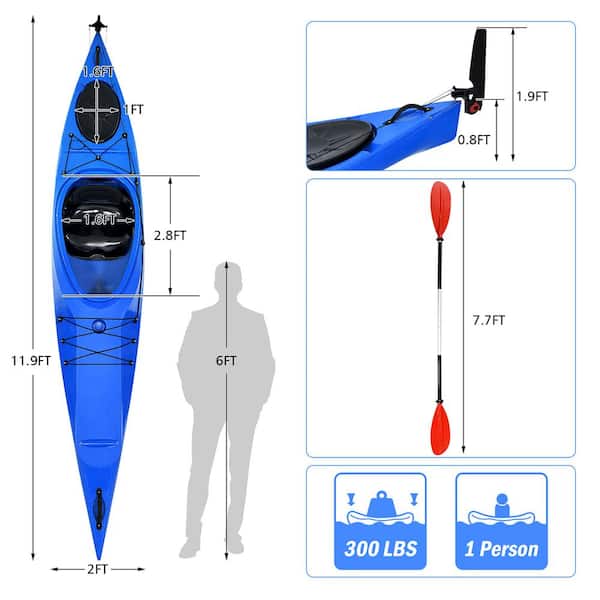
Credit: www.homedepot.com
Choosing The Right Kayak Weight
Choosing the right kayak weight is essential for comfort and ease of transport. Kayaks generally weigh between 20 to 100 pounds. Consider factors like your strength and transportation methods when selecting a kayak.
Choosing the Right Kayak Weight Embarking on a kayaking adventure requires more than just enthusiasm. Selecting the right kayak weight is crucial for an enjoyable experience. But what exactly should you consider when choosing the ideal weight? Let’s dive into the factors that can help you make an informed decision.Assessing Personal Needs
Your personal needs dictate much of your kayaking experience. Are you planning long trips or short paddles? A lighter kayak might be easier to maneuver for quick outings. Consider your physical strength and endurance. If lifting heavy objects isn’t your forte, a lightweight kayak may be more suitable.Transport And Storage Options
Think about how you’ll transport and store your kayak. Do you have a vehicle that can handle a heavier kayak, or would a lighter one fit better? If you live in an apartment with limited storage space, a lightweight and compact kayak might be more convenient. Evaluate your storage area—can it accommodate a heavier kayak without hassle?Balancing Weight And Performance
Finding the right balance between weight and performance can be tricky. Heavier kayaks often offer more stability and are better for rough waters. However, they can be challenging to transport. Lighter kayaks provide agility and ease of movement but might sacrifice some sturdiness. What kind of waters will you be navigating? Consider the type of performance you need for your adventures.
Credit: waterwaysusa.com
Frequently Asked Questions
How Heavy Is A Normal Kayak?
A normal kayak typically weighs between 35 to 75 pounds. The weight varies based on material and design. Lighter models are ideal for easy transport, while heavier ones may offer more stability and durability. Always consider your personal strength and transportation method when choosing a kayak.
How Much Does A 10 Ft Kayak Weigh?
A 10 ft kayak typically weighs between 40 to 60 pounds. Weight varies by material and design. Lightweight kayaks are usually made of fiberglass or carbon fiber, while heavier ones are often crafted from polyethylene. Always check the manufacturer’s specifications for the exact weight of your kayak model.
Can One Person Lift A Kayak?
Yes, one person can lift a kayak. Lightweight kayaks are easier to handle. Using proper technique and equipment like shoulder straps can help manage heavier models safely. Always lift with your legs, not your back, to avoid injury.
How Much Does An 8 Ft Kayak Weigh?
An 8 ft kayak typically weighs between 35 to 45 pounds. Weight varies by material and design. Lightweight kayaks are easier to transport, while heavier ones may offer more stability. Always check the specific model for exact weight details.
Conclusion
Kayak weight matters for comfort and ease on water. Lightweight kayaks are easier to carry and store. Heavier models offer stability and durability. Choose based on your needs and preferences. Consider transportation methods and storage space. Some kayaks are around 40 pounds, others are over 100 pounds.
Material, size, and design affect weight. Always check specifications before buying. Understanding kayak weight helps you make informed choices. Enjoy paddling adventures with the right kayak. Make sure it suits your lifestyle. Find balance between weight and functionality for a great experience.