
Are you worried about how to store your kayak outside during the harsh winter months? You’re not alone.
Many kayak owners face the same challenge each year. The fear of damaging your prized watercraft can be daunting, especially when it’s exposed to snow, ice, and freezing temperatures. But here’s the good news: with the right strategies, you can protect your kayak and ensure it’s in perfect condition when spring rolls around.
Imagine the peace of mind you’ll feel knowing your kayak is safe and sound, ready for your next adventure. Read on to discover simple, effective ways to store your kayak outside this winter, and keep it in top shape for years to come.

Credit: www.amazon.com
Choosing The Right Location
Picking a sheltered spot is crucial for outdoor kayak storage in winter. Choose an area away from strong winds and direct sunlight. Ensure the ground is even to prevent damage and keep your kayak safe.
Choosing the right location for storing your kayak outside in winter is crucial. Protecting your kayak from harsh weather conditions ensures its longevity and performance. Selecting an ideal spot involves considering factors like sunlight exposure and shelter.Avoiding Direct Sunlight
Direct sunlight can damage your kayak over time. UV rays weaken the material, causing cracks and fading. Choose a shaded area where sunlight exposure is minimal. A north-facing wall or under a tree can be ideal. This prevents prolonged sun exposure, maintaining your kayak’s integrity.Sheltered Areas
A sheltered area provides additional protection from wind and snow. Consider placing your kayak near a building or a fence. These structures act as windbreaks, reducing the impact of harsh weather. Sheltered spots also keep snow accumulation to a minimum, preventing unnecessary weight on your kayak.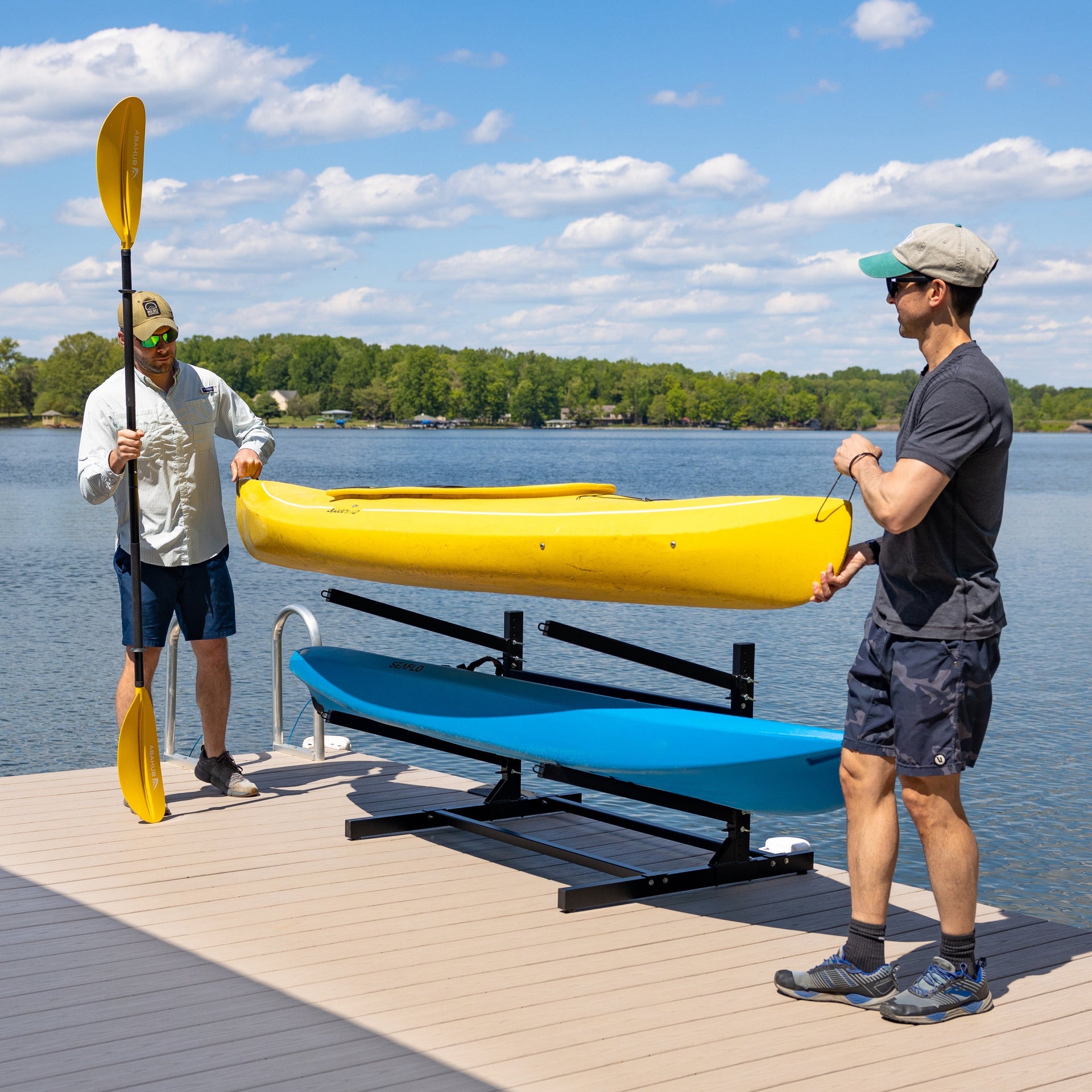
Credit: storeyourboard.com
Preparing Your Kayak
Storing your kayak outside during winter requires proper preparation to prevent damage. Use a waterproof cover and ensure it’s elevated off the ground. Secure it against harsh weather conditions to maintain its condition for future use.
Preparing your kayak for winter storage is crucial to ensure it remains in top condition when the warmer weather returns. Overlooking this step can lead to damage that might affect your kayaking adventures in the future. With a little effort now, you can save time and money later.Cleaning And Drying
Before storing your kayak, it’s essential to clean it thoroughly. Dirt, sand, and salt can cause long-term damage if left unattended. Use mild soap and water to scrub every inch, paying special attention to the hull and cockpit. Once cleaned, drying your kayak is equally important. Moisture can lead to mold and mildew, which are not only unsightly but can also cause structural damage. After washing, leave your kayak in a sunny spot or use a soft towel to ensure all water is removed. Consider using a fan in a well-ventilated area to speed up the drying process.Removing Accessories
Detach all accessories from your kayak before storing it. Items like seats, paddles, and fishing gear should be stored separately to prevent unnecessary wear. Leaving these attached can also create stress points that may warp or damage the kayak. Think about your last kayaking trip—did you struggle with bulky equipment or find that items didn’t fit quite right? Taking the time to store accessories separately can help you organize your gear better for next season. Plus, it reduces the risk of losing smaller items in the depths of a garage or shed. By focusing on these preparation steps, you’re ensuring your kayak will be ready to hit the water as soon as the ice melts. Are you ready to make the most of your winter storage?Protective Covers
Storing a kayak outside in winter requires protective covers. These covers shield against harsh weather and UV rays. A well-fitted cover keeps your kayak safe from snow, ice, and moisture, ensuring longevity and performance.
Storing your kayak outside in winter requires careful preparation. Protective covers play a vital role in safeguarding your kayak from harsh weather. They shield against snow, rain, and UV rays. Choosing the right cover ensures your kayak remains in good condition through the cold months. Let’s explore how to select and secure a durable cover.Selecting A Durable Cover
Choose a cover made from high-quality, weather-resistant materials. Look for UV protection to prevent sun damage. Waterproof covers keep moisture out, reducing mold and mildew risk. Measure your kayak to ensure a snug fit. A well-fitted cover provides better protection against the elements. Some covers offer additional features like straps or buckles. These features help in securing the cover tightly around your kayak.Securing The Cover
Make sure the cover fits tightly around the kayak. Use straps or bungee cords to secure it in place. This prevents wind from blowing the cover off. Check that all openings are closed to keep out water and debris. Consider using a lock or cable for added security. This helps prevent theft and ensures the cover remains intact. Regularly check the cover for any signs of wear or damage. Replace it if necessary to maintain optimal protection for your kayak.Elevating The Kayak
Protect your kayak from winter weather by covering it with a waterproof tarp. Elevate it on sturdy racks to avoid ground moisture. Ensure proper ventilation to prevent mold and mildew.
Storing your kayak outside during the winter months can be a challenge, especially when the ground is covered in snow and ice. Elevating your kayak is an effective way to protect it from harsh weather conditions. By keeping your kayak off the cold, damp ground, you prevent damage and extend its lifespan. Let’s explore some practical methods to elevate your kayak safely and efficiently.Using A Kayak Rack
Investing in a kayak rack is a wise decision for any kayak owner. These racks are designed to hold your kayak above the ground, providing stability and protection. They come in various designs, including freestanding racks and wall-mounted options. Freestanding racks are ideal if you have a spacious yard. They allow you to move the kayak easily and position it for optimal storage. Wall-mounted racks, on the other hand, save space and can be installed on the side of a garage or shed. When using a rack, ensure it’s sturdy and can support the weight of your kayak. You might wonder about the cost, but consider it an investment in your kayak’s longevity. Plus, assembling a kayak rack can be a fun weekend project that adds value to your outdoor space.Diy Solutions
If buying a kayak rack isn’t in your budget, you can create a DIY solution with materials you may already have at home. Simple wooden sawhorses can serve as an effective base to elevate your kayak. Place two sawhorses parallel to each other, ensuring they’re spaced appropriately to support your kayak’s weight and length. Rope or webbing can also be used to hang your kayak from a sturdy tree branch or garage beam. Loop the rope securely around the kayak, ensuring it’s balanced and won’t slip during winter storms. For a more creative approach, consider using old tires or cinder blocks as supports. Stack them to the desired height and lay wooden planks across to form a stable platform. Each DIY method has its pros and cons, so choose one that fits your space and resources. Have you ever tried building your own kayak storage solution? It’s a rewarding challenge that tests your ingenuity and craftsmanship.Preventing Pest Intrusion
Storing a kayak outside in winter requires protection against pests. Cover it with a durable tarp to deter critters. Elevate the kayak on a rack or blocks, reducing ground contact to prevent nesting. Regularly inspect for signs of pest intrusion to maintain kayak integrity.
Preventing Pest Intrusion Storing your kayak outside during winter can be challenging, especially when it comes to keeping pests at bay. Mice, insects, and other critters are drawn to the shelter and warmth that a kayak might offer. Ensuring your kayak remains pest-free will not only preserve its condition but also save you time and frustration when you’re ready to hit the water again. How can you effectively keep these unwanted guests out?Sealing Openings
Begin by inspecting your kayak for any openings or crevices where pests might enter. Even small gaps can be inviting for tiny critters. Use weather-resistant tape or silicone sealant to close these spaces securely. Make sure to check areas like the cockpit, hatches, and any drainage holes. If your kayak has a removable seat, consider storing it separately indoors to eliminate additional entry points. Have you ever noticed how quickly pests can find their way in? It’s surprising how efficient they can be, so take the time to seal every potential entrance.Natural Deterrents
Sometimes, simple and natural solutions work best in keeping pests away. Consider placing sachets of peppermint oil or cedar chips around your kayak. These natural deterrents are effective in repelling mice and insects without causing harm to the environment. You might have heard of using mothballs, but be cautious, as they can be harmful to pets and wildlife. Instead, opt for these safer alternatives. Additionally, regular checks and repositioning of these deterrents will ensure that their effectiveness doesn’t wane over time. Making your kayak unattractive to pests is key to a hassle-free winter storage experience. Which natural method will you try first?Regular Maintenance
Regular maintenance of your kayak during the winter months is crucial to prolong its life and ensure it’s ready for use when the warmer weather arrives. Outdoor elements can be harsh, and neglecting your kayak can lead to costly repairs or even irreparable damage. By incorporating a routine check-up and care schedule, you can keep your kayak in optimal condition.
Inspecting For Damage
Examine your kayak thoroughly for any signs of damage. Look for cracks, dents, or any structural issues that might have occurred during previous outings. Pay special attention to the seams and joints where wear and tear are most likely to occur.
Use a flashlight to inspect hard-to-see areas. Even minor scratches can become larger problems if left unchecked. Consider how often you paddle and the conditions you face. Are there more scratches after rocky excursions?
Addressing Wear And Tear
Addressing wear and tear promptly can save you from more significant issues down the line. Repair small cracks or scratches using a kayak repair kit. This simple step can prevent water from seeping into the kayak material.
Check the hardware, such as handles and straps. Are they still secure? Tightening loose screws and replacing worn-out parts can enhance your kayak’s longevity. What steps can you take today to ensure your kayak’s resilience tomorrow?
Regular maintenance isn’t just about fixing what’s broken; it’s about preserving your kayak’s integrity. Taking proactive steps can help you enjoy a safe and worry-free paddling season when the ice finally melts.
Security Measures
Properly securing your kayak outdoors in winter is crucial for its longevity. Use a durable cover to shield from snow. Elevate the kayak on a rack to prevent contact with the ground.
Security is key when storing your kayak outside in winter. Proper measures can prevent theft and damage. Follow these guidelines to keep your kayak safe and secure during the colder months.Locking The Kayak
A good lock deters potential thieves. Use a strong cable or chain lock. Secure it around a sturdy object. Ensure the lock is weather-resistant. This prevents rust and damage. Cover the kayak with a tarp. This hides it from prying eyes. A hidden kayak is less tempting to steal.Using Surveillance
Install surveillance cameras around your storage area. They act as a strong deterrent. Thieves avoid places with visible cameras. Choose cameras with night vision. This ensures clear footage at all times. Motion-activated cameras save power. They only record when movement is detected. Consider getting a camera with an app. This allows you to monitor your kayak remotely. Regular checks of the footage can provide peace of mind.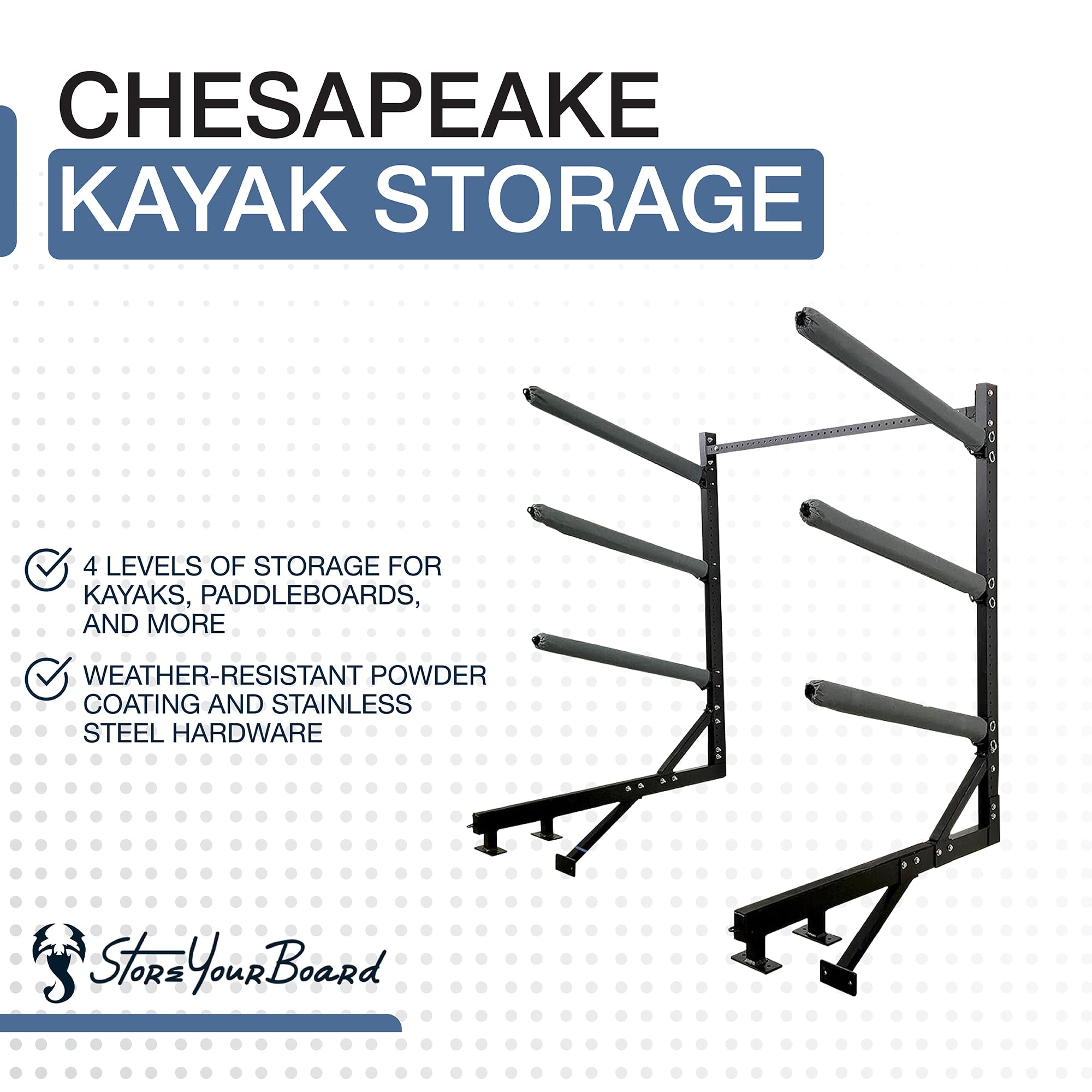
Credit: www.amazon.com
Frequently Asked Questions
Can You Store A Kayak Outside In Winter?
Yes, store a kayak outside in winter by using protective covers. Ensure it’s elevated and secure from snow accumulation. Keep it away from direct sunlight to prevent material damage. Regularly check for moisture and clear snow to maintain its condition.
Proper storage ensures your kayak’s longevity and readiness for use.
Is It Better To Store A Kayak Vertically Or Horizontally?
Storing a kayak horizontally is better to prevent warping. Use padded supports for even weight distribution. Keep it indoors or covered to protect from weather. Ensure it’s clean and dry before storing to avoid mold and damage. Regularly check the kayak for any signs of wear or damage.
Do Kayaks Need To Be Covered In Winter?
Yes, cover kayaks in winter to protect them from snow, ice, and UV damage. A cover prevents moisture buildup and reduces wear. Proper storage extends the kayak’s lifespan and maintains its condition. Secure the cover tightly to avoid damage from wind or animals.
How Do You Winterize A Kayak?
Clean and dry the kayak thoroughly. Remove all removable parts and store them separately. Apply a UV protectant. Store the kayak indoors or use a cover if outdoors. Ensure it’s elevated to prevent ground moisture damage. Regularly check for pests or damage during storage.
Conclusion
Storing your kayak outside in winter is possible with care. Choose a sheltered spot. Use a kayak cover to protect it from snow and ice. Elevate the kayak to prevent ground moisture damage. Secure it well to avoid wind damage.
Regularly check for any signs of wear or damage. These steps ensure your kayak remains in good condition. Enjoy peace of mind knowing it’s safe. Proper storage extends its lifespan and keeps it ready for the next adventure. Protect your investment and enjoy many more kayaking seasons.
Stay prepared, stay safe.