Picture this: You’re gliding across a serene lake, surrounded by nature’s beauty, your kayak cutting through the water effortlessly. But wait, something feels off.
Your arms are straining, and your paddling feels awkward. The culprit? The wrong paddle size. Finding the right kayak paddle size can transform your kayaking experience from a struggle to a joy. It’s not just about comfort; it’s about efficiency, speed, and control.
In this guide, you will discover the secrets to selecting the perfect paddle size tailored to your needs. Let’s dive in and ensure your next adventure on the water is smooth and enjoyable!

Credit: www.instagram.com
Importance Of Paddle Size
Selecting the right kayak paddle size enhances comfort and efficiency. A suitable paddle size matches your height and kayak width. Proper sizing reduces fatigue, making your kayaking experience more enjoyable and less strenuous.
The size of your kayak paddle is more than just a trivial detail—it’s a key factor that can make or break your paddling experience. A paddle that’s too long or too short can lead to discomfort and inefficiency. Imagine spending a day on the water, only to realize you’re exhausted from an ill-fitting paddle. Paddle size affects your stroke, speed, and overall control of the kayak, influencing your ability to enjoy and navigate the waters with ease.Understanding Paddle Length
The length of your paddle is crucial for maintaining balance and control. A paddle that’s too long might feel cumbersome, causing strain on your shoulders and arms. On the other hand, a paddle that’s too short can make it difficult to reach the water, reducing your stroke power. Consider your height and the width of your kayak to find a paddle that fits comfortably.Impact On Paddling Efficiency
Efficiency is key when you’re out on the water. The right paddle size helps maximize your energy output, allowing you to glide smoothly through the water. A well-sized paddle requires less effort to maneuver, which means you can paddle longer without tiring. Reflect on your paddling style and frequency to select a size that complements your technique.Comfort And Ergonomics
Comfort should be a priority in your paddle selection. A paddle that feels right in your hands can significantly enhance your kayaking experience. Ergonomics play a role in preventing fatigue and injury. Test paddles of different sizes to find one that aligns with your grip and stroke style, ensuring a comfortable and enjoyable ride.Adjusting For Different Conditions
Your paddle size might need adjustments based on varying water conditions. Are you navigating calm lakes or challenging rapids? Each scenario demands a different paddle approach. You might find that a slightly shorter paddle offers better control in rough waters, while a longer paddle is advantageous for speed on calm surfaces. Adaptability is key to optimizing your kayaking adventures. Remember, choosing the right paddle size is about enhancing your experience on the water. Consider your needs, experiment with options, and focus on comfort and efficiency. What paddle size will help you conquer your next kayaking challenge?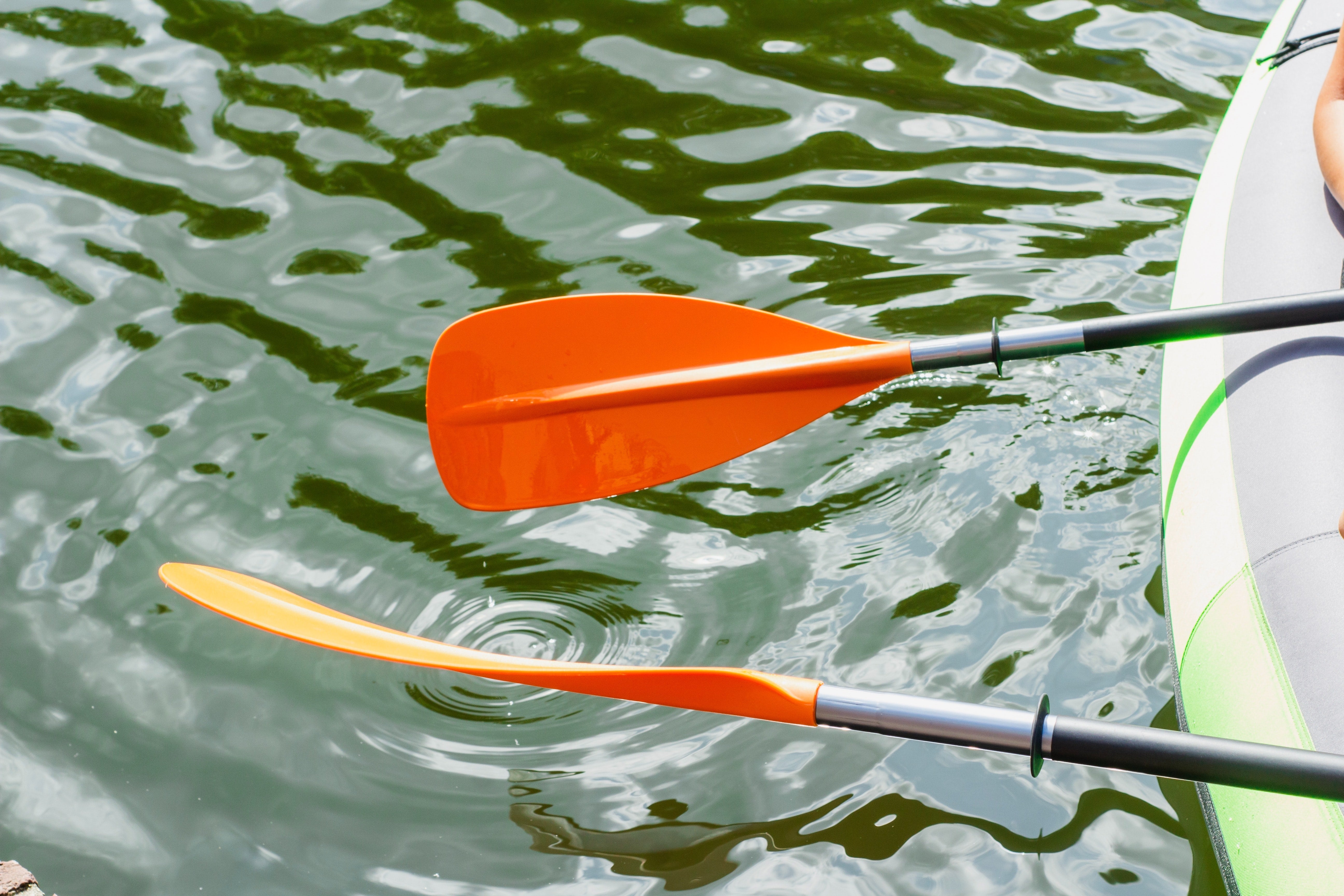
Credit: www.baysports.com.au
Factors Affecting Paddle Size
Choosing the right kayak paddle size depends on factors like your height, kayak width, and paddling style. Taller paddlers or wider kayaks may require longer paddles for efficient strokes. Proper paddle size enhances comfort and performance, making your kayaking experience more enjoyable.
Choosing the right kayak paddle size can transform your paddling experience from a struggle to a breeze. Paddle size is influenced by several key factors that are unique to each paddler and their kayak. Whether you’re a seasoned kayaker or a beginner, understanding these factors can make your time on the water more enjoyable and efficient. Let’s dive into the specifics that will help you make an informed decision.Paddler’s Height
Your height plays a crucial role in determining the ideal paddle size. Taller paddlers typically need longer paddles to ensure they can reach the water comfortably without straining their shoulders. Imagine trying to paddle with something too short; you’d likely feel cramped and inefficient. On the flip side, shorter paddlers benefit from shorter paddles that allow for a more natural and fluid stroke. Measure your height accurately and consider using a paddle sizing chart as a starting point.Kayak Width
The width of your kayak is another pivotal factor. Wider kayaks require longer paddles to accommodate the extra distance needed to reach the water. If your kayak is narrow, a shorter paddle may suffice, allowing for quicker and more controlled movements. It’s essential to balance paddle length with kayak width to avoid awkward paddling positions that can tire you out quickly. Think about the width of your kayak next time you’re selecting a paddle—does your current paddle feel comfortable?Paddling Style
Your paddling style can significantly influence the paddle size that works best for you. Are you someone who loves a relaxed, leisurely paddle or do you prefer high-energy, fast-paced strokes? For a more aggressive style, a shorter paddle might be advantageous, offering better control and speed. Conversely, if you enjoy a laid-back paddling session, a longer paddle can provide smooth, consistent strokes, enhancing your experience. Consider your paddling habits and adjust your paddle size accordingly. These factors are vital in choosing the right paddle size, ensuring comfort and efficiency as you glide through the waters. Take the time to evaluate each aspect carefully, and you’ll find the perfect paddle that matches your needs. What type of paddle size do you think would enhance your kayaking adventures?Measuring Paddle Length
Choosing the right kayak paddle size ensures comfort and efficiency on the water. Paddle length depends on your height and kayak width. It’s crucial to find a balance for smooth paddling and reduced fatigue.
Choosing the right kayak paddle size is crucial for an enjoyable and efficient paddling experience. A paddle that’s too long or too short can lead to discomfort and inefficient strokes. Understanding how to measure paddle length will help you make the best choice for your kayaking adventures.Standard Measurements
When selecting a paddle, consider your height and the width of your kayak. Paddles are typically measured in centimeters. A general guideline is that taller paddlers or those with wider kayaks should opt for longer paddles. Many brands provide charts to help you determine the right size. For example, if you’re under 5’5″ and have a kayak that’s 28 inches wide, a paddle around 210 cm might be ideal. But these are just starting points—personal preference and paddling style also play important roles.Adjustable Paddles
Adjustable paddles offer flexibility, allowing you to modify the length based on different conditions or personal comfort. They are perfect for those who kayak in varied environments. Imagine starting your journey on a calm lake where a shorter paddle is sufficient. As conditions change and you find yourself navigating a river with strong currents, extending your paddle can provide better control and leverage. Have you ever thought about sharing your paddle with friends of different heights? Adjustable paddles make this easy, ensuring everyone has a comfortable and efficient paddling experience.Paddle Shaft Considerations
Selecting the right paddle size enhances your kayaking experience. Consider your height, kayak width, and paddling style. Proper paddle shaft length ensures comfort and efficiency on the water.
Choosing the right kayak paddle is crucial for enhancing your paddling experience. The paddle shaft plays a significant role in determining comfort and efficiency. It’s not just about picking a paddle that looks good, but one that meets your specific needs. Let’s dive into the key considerations for paddle shafts that will help you make an informed decision.Straight Vs. Bent Shafts
Choosing between straight and bent shafts can impact your paddling technique. A straight shaft is versatile and works well for most paddlers, offering simplicity and ease of use. On the other hand, a bent shaft might appeal to you if you’re looking for a more ergonomic grip, which can help reduce wrist fatigue during long paddles. Have you tried both types? You might find that a bent shaft feels more natural, particularly on extended trips. Consider testing each style in your local outfitter’s demo pool to see which suits your preference.Material Choices
The material of your paddle shaft influences both performance and durability. Common materials include aluminum, fiberglass, and carbon fiber. Aluminum is budget-friendly and robust, making it a great choice for beginners or casual kayakers. Fiberglass shafts offer a balance between weight and strength, providing a lightweight option that doesn’t compromise on durability. If you’re seeking the best in performance, carbon fiber is the premium choice, being both extremely light and strong. However, it comes at a higher cost. Think about where and how often you’ll be paddling. If you’re navigating rocky rivers, you might prioritize durability over weight. For long-distance paddling on calm waters, a lighter material might enhance your experience. Next time you’re out shopping for a paddle, consider these shaft characteristics. The right choice can make all the difference in your kayaking adventures.Blade Shape And Size
Selecting the right kayak paddle involves considering blade shape and size. Wider blades offer more power, ideal for short bursts or strong currents. Longer, narrower blades suit endurance paddling, providing smoother strokes.
Choosing the right kayak paddle size is crucial for maximizing your efficiency and enjoyment on the water. One key aspect to consider is the blade shape and size. These elements directly impact your paddling style and the energy you exert during your journey. Picking the right blade not only enhances your performance but also aligns with your kayaking goals.High Angle Vs. Low Angle
The blade shape dictates how you paddle. High angle blades are typically shorter and wider, designed for aggressive paddling. If you’re aiming for speed and maneuverability, this might be your choice. Imagine slicing through the water with swift, powerful strokes during a race or an adventurous trip. Low angle blades, on the other hand, are longer and narrower, suitable for a more relaxed paddling style. They’re perfect for long-distance kayaking where endurance is key. Picture yourself gliding smoothly across a serene lake, conserving energy while enjoying the scenery. Which angle matches your kayaking aspirations?Surface Area Impact
Blade surface area affects the resistance you feel when paddling. A larger surface area provides more power, ideal for strong paddlers who want to cover more ground quickly. Consider the thrill of feeling the surge with each stroke, propelling yourself forward with confidence. Conversely, a smaller surface area requires less effort, reducing strain and fatigue over time. This can be beneficial for those leisurely days on the water or if you’re new to kayaking. You’ll find it easier to maintain a steady pace without tiring quickly. So, how do you balance power and comfort in your paddle choice? Think about your paddling strength, the distance you plan to cover, and the type of water you’ll navigate.Testing And Adjusting
Testing and adjusting kayak paddle size ensures comfort and efficiency while paddling. Start by trying different paddle lengths to find the best fit. Make adjustments based on your paddling style and water conditions for optimal performance.
Choosing the right kayak paddle size is crucial, but getting it perfect often requires some testing and adjusting. You may have selected a paddle based on recommended size charts, but real-world conditions sometimes call for fine-tuning. Ever wondered how your paddle will feel on the water? Testing and adjusting are key to finding that ideal balance, ensuring your paddle enhances your kayaking experience rather than hindering it.On-water Trials
Taking your paddle for a spin on the water is the ultimate test. You might notice your paddle feels too long, making it cumbersome, or too short, limiting your reach. Try paddling in different conditions—calm lakes, fast-moving rivers, or even the ocean. Each environment may affect how your paddle performs. Keep a mental note of any discomfort or inefficiencies you encounter. Is your stroke feeling labored? Are your hands sore after a short trip? These observations can guide necessary adjustments.Fine-tuning Adjustments
Once you’ve pinpointed the issues during your on-water trials, it’s time for adjustments. Start by tweaking the paddle length if it’s adjustable. Even a small change can make a big difference in comfort and performance. Consider your paddling style. If you prefer a high-angle stroke, a slightly shorter paddle may work better. For a more relaxed, low-angle stroke, longer paddles might be ideal. Ask yourself: Is this paddle helping me glide effortlessly, or am I fighting against it? Adjust until the paddle feels like an extension of your body, enhancing your movements seamlessly. Engage with your paddling community or seek advice from experienced kayakers. Sometimes, a fresh perspective can bring insights you hadn’t considered.Common Mistakes To Avoid
Choosing the right kayak paddle size is crucial for comfort and efficiency. Many overlook personal height and kayak width, leading to poor performance. Avoid picking a paddle based solely on price or brand, as it may not suit your needs.
Choosing the right kayak paddle size is more than just a numbers game. It’s about understanding the nuances that can make or break your paddling experience. As you embark on this journey, be mindful of common mistakes that many paddlers make, which can lead to discomfort and inefficiency on the water. Avoiding these pitfalls will help you enjoy smooth and enjoyable kayaking adventures.Overlooking Comfort
Comfort is key when selecting a kayak paddle. It’s easy to get caught up in technical specifications and forget about how the paddle feels in your hands. A paddle that doesn’t feel right can lead to fatigue and even blisters. Consider how the grip feels; it should be comfortable for long periods. Think about the paddling motion—does it feel natural? If you’re constantly adjusting your grip or struggling with awkward movements, that’s a sign your paddle isn’t right for you. Test different paddles to find one that feels comfortable, even during intense paddling sessions.Ignoring Weight
The weight of your paddle plays a crucial role in your paddling efficiency. A heavier paddle might offer more power, but it can also tire you out quickly. Conversely, a lighter paddle can be easier to maneuver but might not provide the strength you need in rough waters. Find a balance that suits your paddling style and strength. Consider how long you’ll be paddling and the conditions you’ll face. If you plan on long expeditions, opting for a lighter paddle might save you from unnecessary fatigue. Take it a step further by considering the material of the paddle. Carbon fiber paddles, for instance, are lighter than aluminum ones and can significantly enhance your paddling experience. What weight feels right in your hands? Testing different options can help you pinpoint the ideal choice. Avoid these common mistakes, and you’ll be well on your way to selecting the perfect kayak paddle size for your adventures.Expert Recommendations
Selecting the right kayak paddle size enhances your paddling experience. Consider your height, kayak width, and paddling style. A well-chosen paddle ensures comfort and efficiency on the water.
Choosing the right kayak paddle size can make a world of difference in your kayaking experience. Expert recommendations can guide you towards a paddle that suits your style and needs. Gleaning insights from professionals can help you avoid common pitfalls and enjoy your time on the water.Advice From Professionals
Professionals emphasize the importance of matching paddle length with your kayak’s width and your height. If you’re taller or have a wider kayak, a longer paddle might be necessary. A seasoned paddler once shared how switching to a shorter paddle transformed his speed and agility during whitewater kayaking. Consider the type of kayaking you’ll be doing. Touring kayaks often require longer paddles for efficient long-distance strokes. On the other hand, shorter paddles can be advantageous for quick maneuvers in whitewater or surf kayaking.Popular Paddle Brands
Several brands stand out for their quality and innovation in kayak paddles. Werner Paddles is renowned for its lightweight materials and ergonomic designs that reduce fatigue. A friend swears by their adjustable paddle, which allowed for perfect customization during a multi-day river trip. Bending Branches offers robust and affordable options, ideal for beginners. Their paddles are known for durability, ensuring they can withstand rough conditions without breaking the bank. If you’re looking for high-performance paddles, Aqua-Bound is a favorite among professionals. Their carbon fiber options provide exceptional strength without added weight, enhancing your paddling efficiency. Choosing the right paddle can feel overwhelming, but leveraging expert advice and reputable brands can simplify the process. What considerations will influence your choice?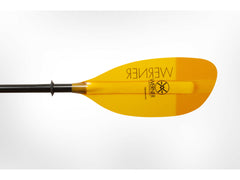
Credit: www.olympicoutdoorcenter.com
Frequently Asked Questions
How Do I Know What Size Paddle I Need For My Kayak?
Determine your paddle size by considering your height, kayak width, and paddling style. Use sizing charts for guidance. Visit a local store for personalized advice and try different paddles to find a comfortable fit. Proper paddle sizing enhances your kayaking experience and efficiency.
What Are The Three Golden Rules Of Kayaking?
The three golden rules of kayaking are: 1) Always wear a life jacket. 2) Know your limits and paddle within them. 3) Respect the water and weather conditions.
How Do I Know If My Kayak Paddle Is Too Short?
Your kayak paddle might be too short if you often hit your knuckles on the kayak’s sides. You may also experience inefficient strokes or struggle to maintain speed. Consider your torso height and kayak width to determine the ideal paddle length for you.
Proper paddle fit ensures better performance and comfort.
What Size Kayak Do I Need For My Height And Weight?
Choose a kayak based on your weight and height. For stability, select longer kayaks if you’re tall or heavy. Shorter kayaks offer better maneuverability for lighter individuals. Always check manufacturer’s weight capacity for safety.
Conclusion
Choosing the right kayak paddle size is crucial for a great experience. Consider your height, kayak width, and paddle style. Experiment with different sizes to find your perfect fit. Comfort matters. A well-chosen paddle reduces fatigue and enhances control. Enjoy exploring new waters with ease.
Remember, the right paddle makes a difference in your adventure. Feel confident in your choice and have fun kayaking. It’s all about finding what works best for you. Happy paddling!