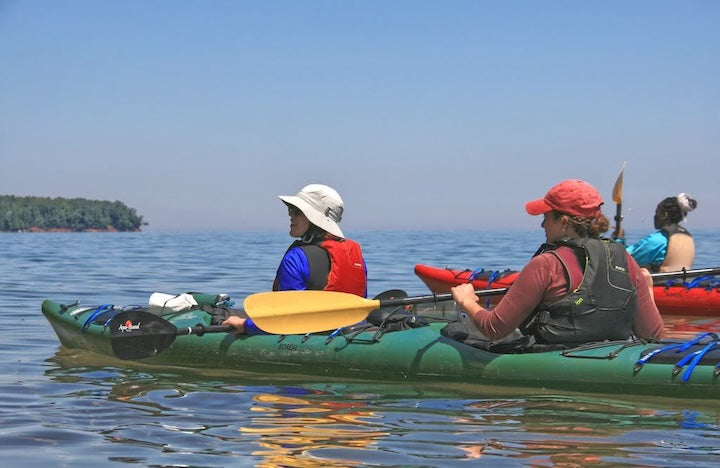
Ever watched someone gliding effortlessly across a serene lake in a kayak and thought, “I wish I could do that”? You’re not alone.
Kayaking offers a unique blend of tranquility and excitement, making it a favorite for adventurers and nature lovers alike. But before you can enjoy the gentle sway of the water, you need to learn the art of rowing a kayak.
Imagine the freedom of paddling through crystal-clear waters, exploring hidden coves, and feeling the gentle breeze on your face. This guide will show you how to master the basics of kayaking, so you can confidently hit the water and start creating unforgettable memories. Ready to dive in? Let’s get paddling!
Choosing The Right Equipment
Choosing the right equipment is crucial for a great kayaking experience. The right kayak and paddle can make your journey smooth and enjoyable. Safety gear is also essential to ensure your protection on the water.
Selecting The Kayak
Consider the type of water you’ll be navigating. Recreational kayaks are perfect for calm waters. Touring kayaks are ideal for long trips and open water. Check the kayak’s stability and size. A stable kayak is easier for beginners. Ensure the kayak fits your body size comfortably.
Picking The Paddle
Paddle length depends on your height and kayak width. A longer paddle suits wider kayaks. Choose a lightweight paddle for easy handling. Blade shape affects paddling efficiency. Narrow blades are good for leisurely paddling. Wider blades offer more speed.
Essential Safety Gear
A life jacket is a must for every kayaker. It ensures buoyancy and safety. Wear a helmet if kayaking in rocky areas. It protects your head from impacts. Pack a whistle and flashlight for emergencies. These tools help signal for assistance.
Getting Started
Getting started with kayaking is exciting. It’s a great way to explore water bodies and enjoy nature. Before you begin, you need to make sure everything is set up correctly. This will help you have a safe and enjoyable experience on the water.
Finding The Right Launch Spot
Choose a calm area to launch your kayak. Avoid places with strong currents or waves. Look for sandy or grassy spots. These will prevent damage to your kayak. Make sure the area is wide enough for easy entry. Check for any obstacles or rocks nearby.
Adjusting The Seat And Footrests
Set your kayak seat to a comfortable position. Your back should be supported. Adjust the footrests to fit your height. Your knees should be slightly bent. Proper adjustment helps maintain balance. It also prevents fatigue during your trip.
Basic Rowing Techniques
Learning to row a kayak can be an exciting adventure. Understanding basic rowing techniques is essential for a smooth experience. These techniques ensure efficient paddling and enhance your enjoyment on the water. Let’s explore the foundational skills every kayaker should know.
Proper Grip On The Paddle
A proper grip on the paddle is crucial for control. Start by holding the paddle with both hands. Keep them shoulder-width apart. Your knuckles should align with the top of the blade. This gives you better leverage. Ensure your grip is firm but not too tight. A relaxed grip prevents fatigue. Hold the paddle like shaking hands. This helps in maintaining comfort and control.
Forward Stroke Basics
The forward stroke propels the kayak forward. Begin by dipping the blade into the water near your toes. Pull the paddle back alongside the kayak. Use your core muscles, not just your arms. Rotate your torso with each stroke. This movement increases power and reduces strain. Lift the paddle from the water near your hips. Repeat the process on the other side. Keep a steady rhythm for smooth paddling.
Backward Stroke Fundamentals
The backward stroke helps in reversing direction. Start by placing the blade in the water near your hips. Push the paddle forward along the kayak’s side. Engage your core to aid in the motion. Rotate your torso with each push. This technique ensures effective movement. Lift the paddle out of the water near your toes. Alternate sides to maintain a straight path. Practice these strokes to improve maneuverability.

Credit: www.reddit.com
Navigating And Steering
Grasp the paddle firmly to control your kayak’s direction. Use alternating strokes on each side to steer smoothly. Keep your body centered and maintain a steady rhythm for balance and efficiency.
Navigating and steering your kayak is more than just paddling through the water; it’s about mastering the art of control and direction. Whether you’re cutting through a calm lake or maneuvering through a winding river, having a solid grasp on steering techniques is essential. The key to effective navigation lies in the strokes you employ and how you adapt them to your kayaking journey.Using The J-stroke
The J-Stroke is a subtle yet powerful technique that helps maintain a straight course without needing to switch paddle sides constantly. Start with a forward stroke and as the paddle nears your hip, rotate your wrist outward to push the blade away from the kayak, forming a ‘J’ shape in the water. This stroke is particularly handy for solo paddlers. It allows you to keep moving forward without zigzagging. Practice this in calm waters until it feels like second nature.Executing The Sweep Stroke
The Sweep Stroke is your go-to move for making wide turns and avoiding obstacles. To execute this stroke, place the paddle in the water near your toes and sweep it in a wide arc towards the stern of your kayak. This motion will turn your kayak in the opposite direction of the stroke. It’s especially useful in rivers where quick turns are necessary. Regular practice will refine your ability to adjust your path smoothly. How do you navigate when the waters get tricky? Mastering these strokes not only enhances your kayaking skills but also boosts your confidence on the water. Embrace the challenge and become the captain of your own adventure.Maintaining Balance
Maintaining balance while rowing a kayak requires equal pressure from both arms. Keep your core engaged for stability. Steady movements ensure smooth paddling and prevent tipping.
Maintaining balance in a kayak is crucial for a smooth ride. It ensures your safety and enhances your paddling experience. Mastering balance is key to staying dry and confident on the water.Centering Your Weight
Sit comfortably in the middle of the kayak. This helps distribute your weight evenly. Keep your feet flat on the kayak floor. Your knees should be slightly bent. Use your core muscles to stay stable. Avoid leaning too far to one side. Small shifts can affect balance. Practice makes perfect. Start in calm waters.Reacting To Waves
Waves can challenge your balance. Stay relaxed and keep your grip light. Let the kayak move with the waves. Lean slightly into larger waves. This prevents tipping over. Use your paddle for support. Brace it against the water if needed. Always stay alert. Watch for incoming waves.
Credit: www.youtube.com
Advanced Tips For Efficiency
Kayaking is not just about paddling; it’s about mastering the art of efficiency on the water. As you gain experience, refining your technique can make your strokes more effective and your journey smoother. Here are some advanced tips to help you row a kayak with greater efficiency, ensuring you make the most of your time on the water.
Improving Stroke Techniques
Efficient strokes are the backbone of effective kayaking. Focus on maintaining a consistent rhythm; this helps you conserve energy while maximizing speed. Ensure your paddle enters the water at an angle, slicing through with minimal splash. This reduces resistance, allowing you to glide effortlessly.
Have you ever noticed how the pros keep their elbows slightly bent? This technique reduces strain on your shoulders and enhances power transfer. Try it next time—you might be surprised how much smoother your ride becomes.
Enhancing Core Strength
Your core is crucial for stability and power in kayaking. Strengthening it can drastically improve your performance. Incorporate exercises like planks and Russian twists into your routine. These movements build the muscles needed to maintain balance and generate force.
Think about how a strong core helps you stay centered during unexpected waves. It’s not just about muscle—it’s about control. As you paddle, engage your core with each stroke, driving your kayak forward with purpose.
What exercises have you found most effective in boosting your kayaking prowess? Share your experiences and see how they can help others on their journey to becoming more efficient paddlers.
Safety On The Water
Rowing a kayak safely requires balance and proper technique. Hold the paddle firmly and use your core for power. Always wear a life jacket and stay aware of your surroundings to ensure a safe kayaking experience.
Safety on the Water Kayaking is an exciting adventure. But safety must come first. Knowing the risks and how to avoid them is crucial. Proper planning ensures a fun and safe experience. Always be aware and prepared.Recognizing Weather Patterns
Weather can change quickly on the water. Check forecasts before heading out. Look for signs of approaching storms. Dark clouds or sudden winds are warning signals. Learn to read the sky and adjust plans. Safe kayaking depends on understanding weather patterns.Understanding Water Currents
Water currents affect kayaking safety. They can be unpredictable. Strong currents make paddling hard and risky. Study the area’s current patterns beforehand. Use maps and guides to know safe routes. Avoid areas with rapid currents. Knowing the water’s behavior keeps you safe.
Credit: www.tiktok.com
Frequently Asked Questions
How To Properly Row In A Kayak?
Sit up straight and grip the paddle firmly. Rotate your torso for power. Keep strokes short and efficient. Use your core and arms to propel the kayak. Maintain a steady rhythm for smooth navigation.
What Are The Three Golden Rules Of Kayaking?
Wear a life jacket, know your limits, and respect the water’s power. Stay safe, paddle wisely, and enjoy kayaking.
What Is The 120 Rule For Kayaking?
The 120 rule for kayaking involves adding air and water temperatures, ensuring they total at least 120°F. This helps determine safe paddling conditions, with colder environments increasing risks of hypothermia. Dress appropriately and use protective gear to stay safe while kayaking in cooler temperatures.
How To Kayak Properly For Beginners?
Start kayaking by choosing the right kayak and gear. Learn proper paddling techniques and maintain a balanced posture. Practice in calm waters and gradually progress to more challenging environments. Stay aware of your surroundings and prioritize safety. Always wear a life jacket.
Conclusion
Rowing a kayak can be a fun adventure. Start with the basics. Practice your paddle strokes regularly. Balance is key, so stay centered. Remember to enjoy the water and surroundings. Safety should always come first. Wear a life jacket and stay aware.
With practice, confidence will grow. Share your kayaking experiences with friends. Invite them to join your next trip. Explore new waters and create memories. Kayaking is a wonderful way to connect with nature. Stay curious and keep paddling forward. Your skills will improve over time.
Enjoy every moment on the water. Safe travels and happy kayaking!