
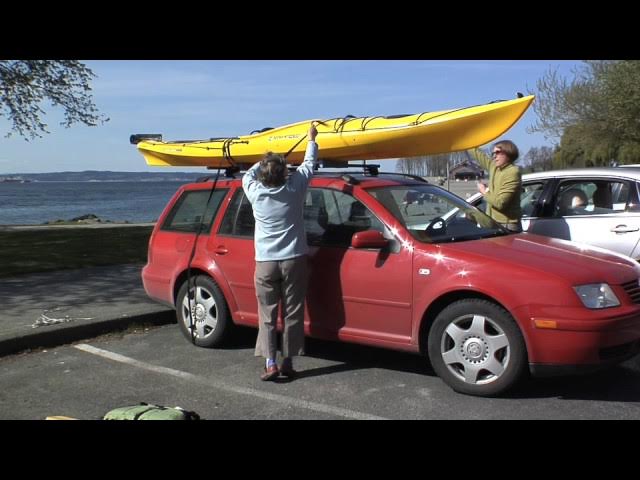
Picture this: a serene lake glistening under the sun, surrounded by lush greenery, and the gentle rhythm of the water calling your name. You’ve got your canoe ready, but there’s one small problem—you need to transport it safely to your dream destination.
How can you make sure it’s securely tied to your car, avoiding any road mishaps or damage? This is a question many adventure enthusiasts like you face. Don’t worry; you’re about to discover the foolproof way to secure your canoe, ensuring peace of mind during your travels.
With simple steps and practical tips, you’ll soon be on your way to enjoying nature’s beauty without a hitch. Are you ready to unlock the secrets of mastering this skill? Dive in, and let’s get started!

Credit: www.instagram.com
Choosing The Right Equipment
Choosing the right equipment is crucial for safely transporting your canoe. Proper gear ensures stability, prevents damage, and makes the process easier. This section will guide you through selecting the best equipment for the job.
Types Of Canoe Racks
Canoe racks are designed to hold your canoe securely. They come in various types, each offering different benefits:
- Foam Blocks:Simple and affordable, these blocks rest on the car roof.
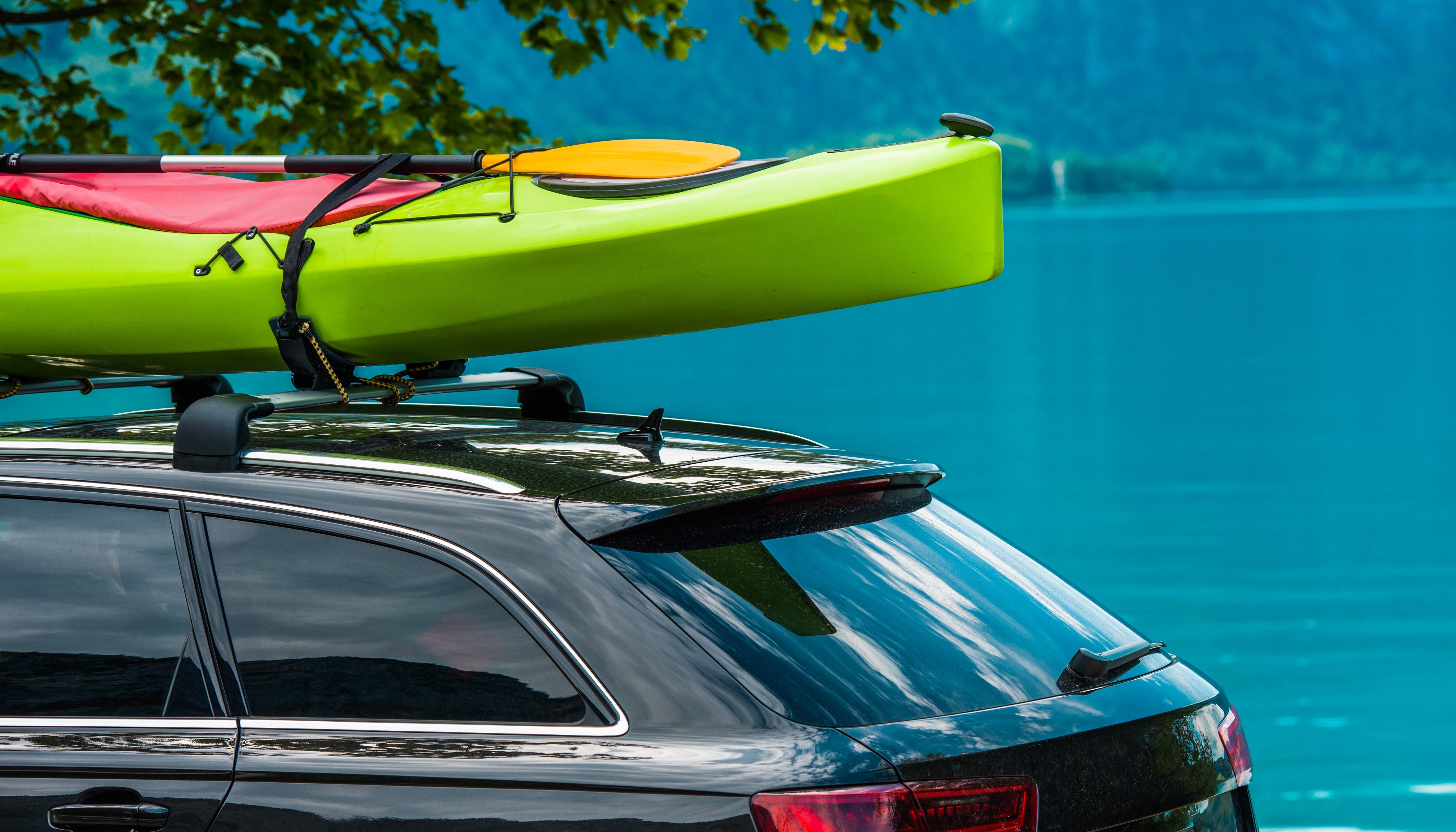
- Crossbars:These bars attach to the vehicle’s roof rails, providing strong support.
- J-Racks:These hold the canoe on its side, saving space and reducing wind resistance.
Choose a rack that fits your car and canoe size. Consider ease of installation and removal.
Selecting Durable Straps
Durable straps are essential for securing your canoe to the rack. Look for strong, weather-resistant materials.
- Nylon Straps:Known for their strength and flexibility, ideal for outdoor use.
- Ratchet Straps:These offer a secure grip and are easy to tighten.
- Cam Buckle Straps:Simple to adjust, these provide a reliable hold.
Ensure straps are long enough to wrap around the canoe and rack. Avoid worn or damaged straps to ensure safety.

Credit: www.baysports.com.au
Preparing The Canoe
Securely tying a canoe to a car involves using sturdy straps. Position the canoe evenly on the roof rack. Tighten the straps, ensuring they hold the canoe firmly in place. Double-check for any loose ends to prevent shifting during travel.
Preparing the canoe for transport is crucial. It ensures a smooth and safe journey. You’ll want to take a few steps before loading the canoe onto your car. These steps help prevent damage to both the canoe and the vehicle. Let’s explore how to properly prepare your canoe.
Inspecting The Canoe
Start by checking the canoe for any damage. Look for cracks or dents. These can worsen during transport. Ensure all parts are secure. Pay attention to the seats and handles. If anything is loose, fix it before moving the canoe. A thorough inspection helps maintain the canoe’s condition.
Positioning The Canoe
Place the canoe right side up on the ground. This makes lifting easier. Position it parallel to the car for smooth loading. Check if the roof rack is ready. The canoe’s weight should be balanced on the rack. This prevents it from tilting during the drive. Proper positioning is key for a stable journey.
Securing The Canoe To The Car
Securing a canoe to a car involves using sturdy straps and a roof rack. Ensure the canoe is centered and balanced. Tighten the straps firmly to prevent movement during transit.
Securing your canoe to your car is a crucial step before hitting the road. Ensuring your canoe is safely attached not only protects your valuable gear but also ensures the safety of everyone on the road. Whether you’re a seasoned paddler or new to canoeing, mastering this process can save you from potential mishaps and give you peace of mind during your journey.
Attaching The Straps
Start by placing the canoe upside down on the roof rack. Make sure it is centered with equal overhang on both sides. Use cam buckle straps to secure the canoe. Loop the strap over the canoe, ensuring it doesn’t twist. Fasten the strap to the roof rack on the opposite side. Pull the strap tight, and secure it with the buckle. Repeat this process for the front and back of the canoe.
Double Checking Strap Tightness
Once the canoe is strapped down, check each strap for slack. Tighten any loose straps to avoid movement during transit. Give the canoe a gentle shake to ensure it’s securely fastened. If there’s noticeable movement, adjust the straps accordingly. Always double-check your work. Could you imagine the stress if your canoe came loose on the highway? A few extra minutes spent now can prevent that nightmare. It’s always a good idea to bring extra straps just in case. Safety first means you can focus on the adventure ahead.
Testing Stability
Securing a canoe to a car ensures safe transport. Use strong straps and tie-downs for stability. Check the canoe’s balance before driving.
Testing the stability of your canoe once it’s tied to your car is a crucial step you don’t want to overlook. Imagine cruising down the highway, only to see your beloved canoe wobbling in your rearview mirror. Stability ensures peace of mind and keeps your canoe secure during transit.
Checking For Movement
After securing your canoe, give it a firm shake. Watch for any movement or shifting. Even a slight wobble can mean it’s not properly fastened. Canoes can be tricky because their shape doesn’t always align perfectly with your car’s roof. If you notice any movement, it’s time to reassess your setup. Ask yourself, “Would I feel safe driving with this setup on a windy day?” If the answer is no, adjustments are necessary.
Adjusting As Needed
If movement is detected, it’s time to adjust. Start by tightening the straps. Make sure each strap is snug but not overly tight. You don’t want to damage your canoe or car. Consider adding extra padding between the canoe and car roof if needed. Sometimes, simply repositioning the canoe slightly can improve stability. Check all angles and ensure the canoe sits evenly on the car. This might take a few tries, but your patience will pay off with a secure and safe journey.
Safety Tips For Transportation
Ensure the canoe is centered on your car’s roof rack. Secure it tightly with strong straps, checking for any movement. Double-check all knots and strap tightness to prevent shifting during transport.
Transporting a canoe on your car can turn into a thrilling adventure or a headache, depending on how you prepare. Safety is paramount, not just for you but for everyone on the road. Ensuring your canoe is securely tied to your vehicle involves more than just a few straps; it requires vigilance and know-how. With the right precautions, you can enjoy peace of mind and a seamless journey to your favorite paddling spot.
Monitoring During Travel
Once on the road, regularly check your rearview mirrors to ensure the canoe remains stable. A quick glance can save you from potential hazards. Consider stopping at intervals to inspect the tie-downs. It’s surprising how a bumpy road can loosen even the tightest of knots. If the canoe starts to shift, pull over safely to adjust. It’s better to take a few minutes to fix the issue than to face an accident.
Avoiding Common Mistakes
One common mistake is using frayed or old ropes. They may seem reliable, but they can snap under pressure. Avoid tying knots that you’re unfamiliar with. A poorly tied knot can unravel, causing your canoe to slide off. Lastly, never assume tight is tight enough. Test each strap by tugging firmly; it should not give way easily. Taking these precautions can make your journey smoother. What steps will you take to ensure your canoe arrives safely?
Legal Considerations
Ensure your canoe is securely tied to avoid accidents on the road. Check local laws for transporting canoes. Compliance with regulations can prevent legal issues while traveling.
Legal considerations are essential when tying a canoe to a car. Overlooking these can lead to fines or accidents. Ensure your canoe is secure and compliant with local laws. Each region has its own rules. Let’s dive into the key legal aspects.
Understanding Local Regulations
Knowing local regulations is crucial. Different areas have specific rules about transporting canoes. Some places require specific tying methods or equipment. You might need certain types of straps or ropes. Check if your area has a maximum load limit for roof racks. Ignoring these rules could lead to penalties. Research your local Department of Motor Vehicles (DMV) guidelines. They often have detailed instructions online.
Ensuring Visibility
Visibility is vital for safe transportation. Your canoe should not block your view. Ensure it does not cover mirrors or lights. Attach a bright flag or marker to the canoe’s end. This makes it visible to other drivers. Reflective tape can be useful for nighttime travel. It helps others see your load clearly. Check mirrors frequently to ensure the canoe stays in place. This prevents surprises on the road. Safety and visibility go hand in hand.
Credit: www.baysports.com.au
Frequently Asked Questions
How To Strap A Canoe To Your Car?
Secure the canoe with foam blocks or racks. Place it upside down on the car roof. Use straps to tie it down tightly. Ensure straps go through the car doors. Check stability by shaking the canoe gently. Adjust straps if necessary.
Drive slowly and check frequently during travel.
What Is The Best Knot For Tying A Kayak To A Car?
The Trucker’s Hitch is the best knot for securing a kayak to a car. It provides excellent tension and security. This knot is easy to tie, adjust, and untie, making it ideal for transporting kayaks safely. Always ensure the kayak is stable before driving.
How Far Can A Canoe Stick Out Of A Car?
A canoe can stick out of a car up to three feet in the front and four feet in the rear. Ensure it is properly secured and check local regulations for specific requirements. Safety flags or reflectors may be required if the canoe extends beyond these limits.
Is It Legal To Tie Something To The Top Of Your Car?
Yes, tying items to your car roof is legal. Ensure it’s secure and doesn’t obstruct visibility. Follow local regulations regarding weight and size limits. Properly fastened loads prevent accidents and fines. Use appropriate equipment like roof racks or straps for safety.
Always check state laws for specific guidelines.
Conclusion
Tying a canoe to a car isn’t hard. Safety comes first. Use sturdy ropes and proper knots. Check everything twice before driving. Follow these steps for peace of mind. Keep your canoe secure on the road. Prevent accidents and save time.
Enjoy smooth travels with your canoe safely in place. Practice makes perfect. Each trip gets easier. Remember to share these tips with friends. Happy paddling!





