
Have you ever experienced a sudden hiccup during your peaceful canoeing adventure? Imagine the joy of navigating serene waters, only to be interrupted by an unexpected joint issue.
It’s frustrating, isn’t it? You might be wondering how to fix your canoeing joint and get back to the seamless experience you cherish. Whether you’re an avid paddler or just starting out, dealing with a canoeing joint problem can be a real damper on your outdoor fun.
But don’t worry; you’re not alone. Many canoe enthusiasts face this challenge, and the good news is, there’s a solution. You’ll discover simple, effective ways to address and resolve joint issues, ensuring your canoe glides smoothly through any waterway. Are you ready to unlock the secrets to a flawless canoeing experience? Read on to learn practical tips and tricks that will transform your canoeing adventures, eliminating those pesky joint problems once and for all.
Credit: hometownhero.com
Identifying Canoeing Joint Issues
Fixing canoeing joint issues involves regular maintenance and proper alignment. Lubricate joints to prevent wear and tear. Ensure all parts fit snugly to avoid unnecessary friction.
Identifying issues with your canoeing joints is essential for smooth paddling. Joint problems can impact performance and lead to discomfort. Understanding signs and causes helps in resolving these issues effectively. Let’s delve into how to spot and address joint problems.Signs Of Joint Problems
Recognizing joint issues early can prevent further damage. Here are common signs:- Difficulty in steering the canoe.
- Unusual sounds from joints during movement.
- Visible wear or cracks on joint surfaces.
- Reduced flexibility or movement in the joint area.
Common Causes
Several factors can lead to joint issues in canoes. Here are frequent causes:- Overuse or excessive strain during paddling.
- Lack of regular maintenance and lubrication.
- Exposure to harsh weather conditions.
- Inadequate cleaning after use.
Preventive Measures
Regularly check canoe joints for signs of wear. Use waterproof sealant to protect against moisture and rust. Tighten loose bolts to ensure stability and safety during canoeing adventures.
Preventive measures can save canoeists from joint pain and injuries. Understanding proper techniques and maintaining equipment are crucial for a smooth and safe experience. By following these guidelines, canoeists can enjoy their adventures without discomfort.Proper Paddling Techniques
Good paddling techniques reduce strain on joints. Keep your back straight while paddling. Engage your core muscles for stability. Use your whole body, not just your arms, to paddle. This distributes the effort evenly, reducing stress on your joints. Make sure your paddle length suits your height and reach. An incorrect paddle size can cause unnecessary strain.Equipment Maintenance
Regular equipment maintenance ensures safety and comfort. Check your paddle and canoe for damage before each trip. Repair or replace worn-out parts to prevent accidents. Ensure your seat is comfortable and well-cushioned. Adjust it for proper support to avoid back pain. Store equipment in a dry place to prevent material degradation. Proper storage extends the lifespan of your gear.Immediate Remedies
Relieve canoeing joint pain with rest and ice packs to reduce swelling. Gentle stretching and strengthening exercises can help improve joint flexibility. Consider consulting a physiotherapist for personalized advice.
When joint pain threatens to dampen your canoeing adventures, knowing some immediate remedies can make all the difference. Quick and effective actions can help alleviate discomfort and allow you to continue enjoying the water. Let’s dive into some practical solutions that you can apply right away.Stretching Exercises
Stretching is a vital first step to address joint pain. It helps improve flexibility and reduce stiffness. Consider incorporating a few simple stretches into your routine:- Arm Circles: Stand straight and extend your arms out to the sides. Gently rotate them in small circles to warm up your shoulder joints.
- Wrist Flexor Stretch: Extend your arm in front of you, palm up. Use your other hand to gently pull back on your fingers, stretching the wrist flexors.
- Torso Twists: Sit down with your legs crossed and gently twist your upper body from side to side to relieve tension in your back and core.
First Aid Tips
Immediate first aid is crucial when joint pain strikes unexpectedly. Having a basic first aid kit handy can save the day. Here are some essential tips:- Cold Compress: Apply a cold pack or a bag of ice wrapped in a cloth to the affected area for 15-20 minutes to reduce swelling and numb the pain.
- Elevation: If possible, elevate the joint above your heart level to decrease swelling.
- Compression Bandage: Use an elastic bandage to wrap the joint, providing support and minimizing movement that could exacerbate the pain.
Long-term Solutions
Strengthen your canoeing joint for long-term stability by incorporating regular stretching and strengthening exercises. Maintain proper technique and posture during canoeing to prevent future wear and tear.
Long-term solutions for fixing canoeing joints require dedication and consistency. These strategies focus on strengthening the body and improving overall health. They not only aid in joint recovery but also promote a healthier lifestyle. Below are some effective methods to achieve lasting results.Strengthening Exercises
Strengthening exercises build muscle support around the joints. They enhance stability and reduce strain. Simple workouts can greatly improve joint function.- Start with low-impact activities like swimming.
- Incorporate resistance bands for gradual strength building.
- Focus on exercises that target specific joint areas.
Diet And Nutrition
Diet plays a vital role in joint health. Balanced nutrition aids in recovery and strengthens the body. Include foods rich in omega-3 fatty acids, like fish and walnuts.- Add leafy greens and fruits to your meals.
- Stay hydrated to maintain joint lubrication.
- Limit processed foods and sugary snacks.
Consulting Professionals
When dealing with canoeing joint pain, consulting professionals can be crucial. They offer guidance and treatment for recovery. Knowing when to seek help and choosing the right expert is essential.
When To See A Doctor
Recognizing signs that need medical attention is important. Persistent pain is one such sign. Swelling that doesn’t go away is another. If movement becomes limited, consult a doctor. Early intervention can prevent further damage.
Choosing The Right Therapist
Find a therapist who understands sports injuries. Check their credentials and experience. A therapist with good reviews is preferable. Personal referrals can also be helpful. Ensure they create a personalized treatment plan. This ensures effective recovery tailored to your needs.

Credit: www.facebook.com
Alternative Therapies
Canoeing can be a peaceful escape from the hustle and bustle of daily life, yet it can also lead to joint discomfort if not done with proper technique and care. If you’re looking for ways to ease the strain on your joints, alternative therapies might be the answer. These therapies offer non-invasive solutions that can enhance your well-being. Let’s dive into how chiropractic care and acupuncture can be beneficial.
Chiropractic Care
Chiropractic care focuses on aligning your spine and joints to improve overall body function. It’s like giving your body a tune-up, ensuring that everything is in its right place. Have you ever felt that satisfying feeling when a chiropractor adjusts your back? This adjustment can relieve pressure on nerves and reduce inflammation, which might be the culprit behind your canoeing joint pain.
Imagine walking out of a chiropractic session feeling lighter, and moving with more ease. Many canoeing enthusiasts find that regular visits help maintain their body’s flexibility, which is crucial for those long paddling sessions. Could this be the missing piece in your joint care routine?
Acupuncture Benefits
Acupuncture is an ancient practice that involves inserting thin needles into specific points on your body. It’s a unique experience that might seem daunting at first, but many find it surprisingly relaxing. This therapy is believed to stimulate your body’s natural healing process, reducing pain and improving joint function.
Picture yourself lying comfortably on a table, feeling the gentle warmth spread through your body as the needles work their magic. Acupuncture can help restore balance in your body and might be just what you need to keep your joints healthy for canoeing. Have you considered trying acupuncture as a holistic approach to joint pain relief?
Both chiropractic care and acupuncture offer unique benefits that can help you enjoy canoeing without the nagging joint pain. Exploring these therapies might just provide the relief and improvement you’ve been searching for. Why not give them a try and see how they can enhance your canoeing experience?
Canoeing Safely
Canoeing is a delightful way to experience nature and enjoy serene waterways. However, ensuring your safety is crucial for a fulfilling and injury-free adventure. Canoeing safely involves more than just wearing a life jacket; it’s about being aware, prepared, and proactive in maintaining joint health as you paddle through the waters.
Safety Gear Recommendations
Investing in the right safety gear can make a significant difference in your canoeing experience. A high-quality life jacket is non-negotiable; it should fit snugly without restricting movement. Consider water shoes or sandals that provide excellent grip and protect your feet from sharp objects.
- Wearing a helmet can prevent head injuries, especially in rough waters.
- Sunglasses with UV protection shield your eyes from the sun’s glare.
- Waterproof bags are ideal for keeping your belongings safe.
These simple gear choices not only protect you but enhance your overall comfort and enjoyment while canoeing.
Best Practices For Joint Health
Canoeing can be demanding on your joints, especially the shoulders and knees. Incorporating stretches before and after your canoeing sessions can help maintain flexibility and prevent injuries. A simple shoulder rotation can ease tension, while knee bends strengthen your lower joints.
Hydration is key. Keeping your joints lubricated by drinking ample water can make paddling smoother. Proper posture while paddling also reduces strain on your joints. Sit upright and engage your core for better support.
Have you ever noticed how fatigue creeps in when you’re paddling for too long? Taking regular breaks to rest and stretch can stave off joint pain and keep your canoeing experience enjoyable.

Credit: www.reddit.com
Frequently Asked Questions
What Causes Joint Canoes?
Joint canoes may be caused by arthritis, injuries, or infections. Overuse and aging can also contribute to joint discomfort. Maintaining a healthy lifestyle and seeking medical advice can help manage symptoms and prevent further complications.
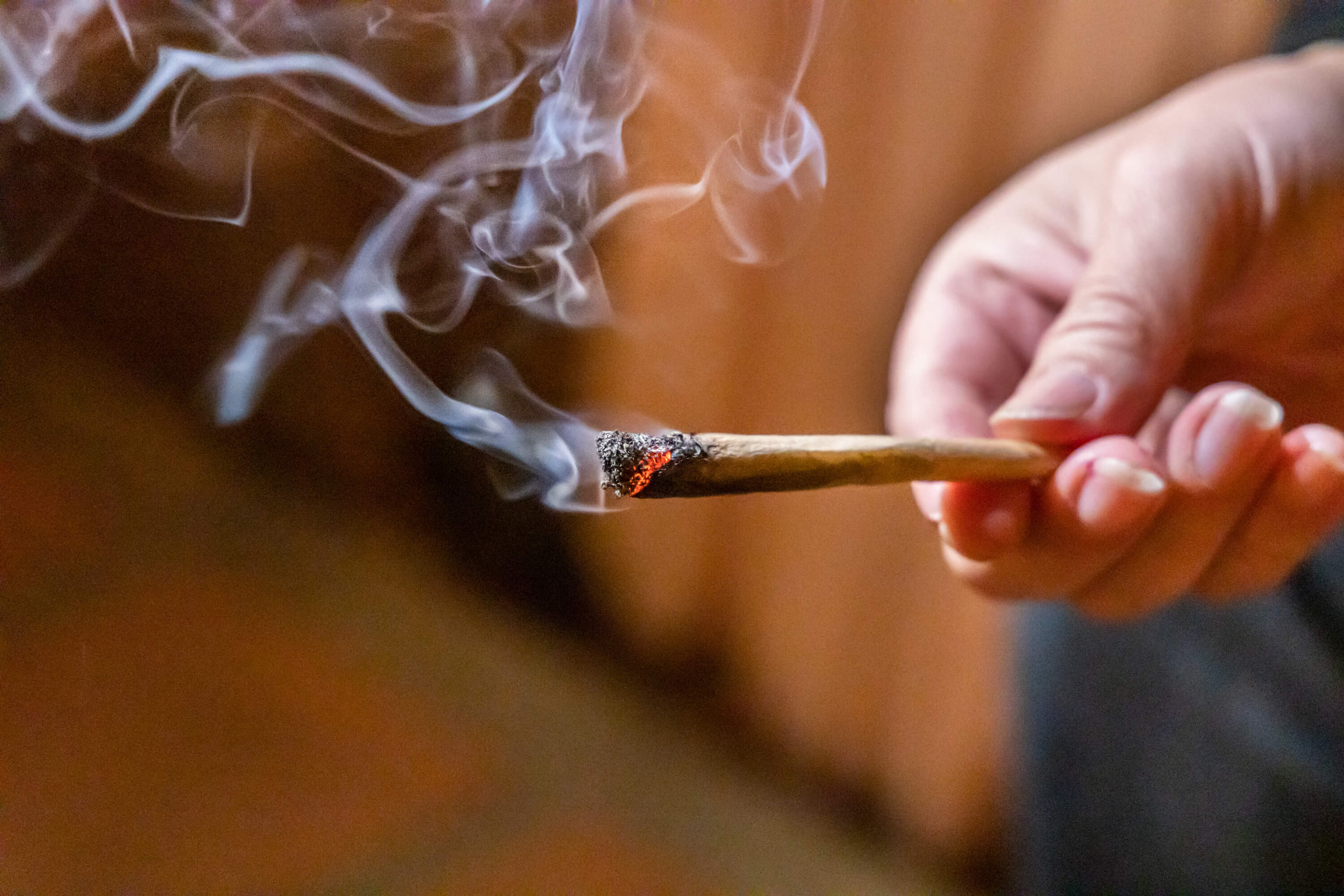
How To Light A Joint So It Doesn’t Canoe?
To avoid canoeing, evenly toast the joint’s tip before inhaling. Rotate it slowly while lighting. Use gentle puffs to maintain even burning. Opt for a lighter or hemp wick for better control. Keep the joint horizontal to ensure an even burn.
How To Make Prerolls Not Canoe?
Pack the preroll evenly, ensuring no air pockets. Use a quality filter for stability. Roll it tightly to prevent uneven burning. Avoid overloading the preroll with material, as this causes canoeing. Light the preroll evenly to promote a uniform burn.
Why Does My Preroll Keep Canoeing?
Prerolls canoe due to uneven packing or moisture content. Ensure even packing and dry cannabis. Rotate or relight to fix. Use quality papers and avoid over-tight rolling to prevent canoeing. Proper technique and attention to detail ensure smooth burning and enjoyable smoking experience.
Conclusion
Fixing canoeing joint issues can be simple with these steps. Consistent maintenance keeps your canoe in top shape. Check joints regularly for wear and tear. Clean and lubricate to prevent damage. Replace any worn parts immediately. Use quality materials for repairs.
This ensures long-lasting results. Stay safe and enjoy your time on the water. A well-maintained canoe enhances your paddling experience. Remember, taking care of your canoe saves money and time. Happy paddling!