Imagine stepping into a world where style meets function and comfort is never compromised. Welcome to the realm of athletic wear!
Whether you’re a seasoned athlete or someone who enjoys a casual jog, the clothes you choose can make all the difference. Athletic wear is more than just a fashion statement; it’s about enhancing your performance, boosting your confidence, and ensuring you feel your best during every workout.
With advances in fabric technology and design, athletic wear has evolved to cater to your every need, from moisture-wicking materials to ergonomic designs. Are you ready to discover how the right gear can transform your fitness routine and elevate your lifestyle? Keep reading to unlock the secrets behind athletic wear and find out how it can impact your performance and well-being.
History Of Athletic Wear
Athletic wear refers to clothing designed for physical exercise and sports activities. It originated in the 19th century, evolving from heavy fabrics to lightweight, breathable materials. Today, athletic wear blends style and function, catering to both athletes and everyday wearers.
The history of athletic wear is a fascinating journey that reflects changes in society, technology, and fashion. From its humble beginnings to its present-day status as a cultural and style icon, athletic wear has evolved tremendously. Understanding its past gives insight into how it became an essential part of our wardrobes today.The Early Days: Function Over Fashion
In the late 19th and early 20th centuries, athletic wear was primarily about functionality. Athletes wore simple, utilitarian clothing that allowed freedom of movement. Think woolen jerseys and trousers, designed to keep you warm and comfortable. During this period, there was little concern for aesthetics. The focus was on practicality and performance. Can you imagine running a marathon in wool?The Rise Of Sportswear Brands
The mid-20th century marked the rise of sportswear brands, transforming athletic wear into a booming industry. Companies like Adidas and Nike began to emerge, offering specialized clothing for various sports. These brands introduced innovations like moisture-wicking fabrics and better fits. This was a game-changer, making sportswear not only functional but also stylish.From The Track To The Streets
In the 1980s and 1990s, athletic wear began to cross over into everyday fashion. This era saw the birth of the athleisure trend, where sportswear was worn for casual outings. The influence of pop culture played a significant role in this shift. Celebrities and athletes wearing these outfits made them desirable for non-sporting activities.The Modern Era: Technology Meets Style
Today, athletic wear is at the cutting edge of technology and style. High-tech materials offer breathability, flexibility, and even smart features like heart rate monitoring. Fashion designers collaborate with sports brands to create pieces that are both trendy and functional. This collaboration has blurred the lines between athletic wear and high fashion.The Future: What’s Next For Athletic Wear?
As we look to the future, one can’t help but wonder: how will athletic wear continue to evolve? Sustainable materials and digital enhancements are already making waves. The focus on health and wellness suggests that athletic wear will remain a staple. What innovations do you think will define the next era of athletic wear? By understanding its history, you can appreciate the role athletic wear plays not just in sports, but in everyday life. Whether you’re hitting the gym or grabbing coffee, your choice of attire is part of a long and evolving story.Evolution Of Fabrics
Athletic wear has evolved with fabrics that enhance performance and comfort. Modern designs focus on breathability and flexibility. These innovations support athletes in various activities, offering style and functionality.
The evolution of fabrics in athletic wear marks a fascinating journey. Over the years, materials have transformed to meet the demands of athletes. From the early days of natural fibers to today’s high-tech synthetics, each step brought new possibilities. The goal has always been to enhance comfort, performance, and durability.Natural To Synthetic Materials
Initially, athletic wear relied on natural fibers like cotton and wool. These materials were breathable but lacked flexibility and moisture control. As sports evolved, the need for better fabrics grew. Enter synthetic materials. Nylon and polyester became popular choices. They offered greater stretch, durability, and moisture-wicking properties. Synthetics also allowed for lightweight designs, crucial for athletic performance.Technological Advancements
Technology played a key role in fabric development. New techniques improved fabric features significantly. Microfiber technology introduced finer fibers, enhancing softness and moisture management. Innovations like spandex brought superior stretch and recovery. Athletes could now enjoy unrestricted movement. Furthermore, anti-odor and UV protection treatments became standard. These advancements made athletic wear more versatile and comfortable.Key Features Of Athletic Wear
Athletic wear offers comfort, flexibility, and support for physical activities. It features moisture-wicking fabrics and breathable materials. Designed to enhance performance and minimize discomfort.
Understanding the key features of athletic wear can elevate your workout experience. These essentials are not just about aesthetics but about enhancing performance. Each feature contributes uniquely to comfort, efficiency, and durability.Moisture-wicking
Athletic wear often incorporates moisture-wicking technology to keep you dry. This feature pulls sweat away from your skin, allowing it to evaporate quickly. Have you ever felt that sticky sensation during a workout? Moisture-wicking fabrics solve that issue by ensuring sweat doesn’t linger.Breathability
Breathability is a game-changer, especially during intense workouts. This feature ensures adequate airflow, helping regulate your body temperature. Imagine running a marathon in a fabric that breathes—your body stays cooler and you perform better.Flexibility And Comfort
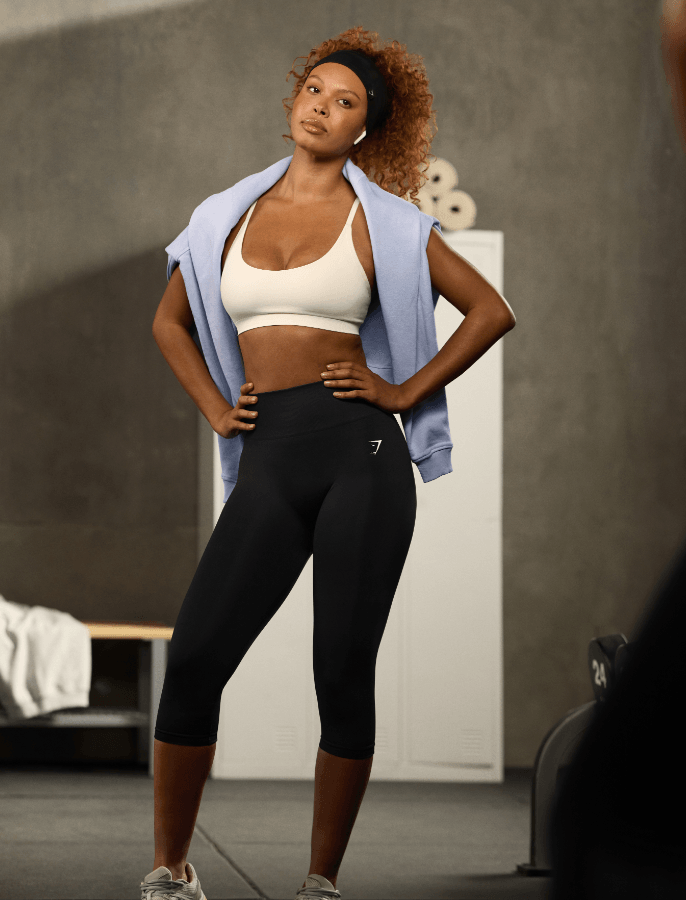
Flexibility in athletic wear allows for a full range of motion. Stretchy fabrics move with you, reducing restrictions during exercises. Comfort goes hand in hand, as well-fitted gear minimizes chafing and distractions. Picture yourself doing yoga in a pair of leggings that feel like a second skin, offering freedom and ease with every pose. These features ensure your athletic wear supports, rather than hinders, your performance. What key features do you look for in your gear?
Credit: www.gymshark.com
Types Of Athletic Wear
Athletic wear includes various types designed for different sports and activities. Common types are compression wear, designed for support and blood flow, and moisture-wicking fabrics, ideal for keeping cool during workouts. Specialized gear like running shoes and yoga pants caters to specific needs, enhancing performance and comfort.
Athletic wear is more than just clothing. It’s designed for active lifestyles. Comfort and functionality are key in athletic wear. Different types cater to various activities and preferences.Tops And T-shirts
Tops and T-shirts are essential in athletic wear. They come in various styles. Some prefer sleeveless tops for more arm movement. Others choose long-sleeve shirts for added warmth. Breathable materials like cotton and polyester are popular. They wick away sweat and keep you cool. Choose based on activity and weather conditions.Shorts And Pants
Shorts and pants offer flexibility in movement. Shorts are ideal for warm weather activities. Running shorts provide comfort and ease. Yoga pants are stretchy and perfect for stretching exercises. Some prefer leggings for a snug fit. Pants with moisture-wicking properties are great for outdoor sports.Footwear
Footwear is crucial for any sport or activity. Running shoes provide cushioning and support. Trail shoes offer grip on uneven surfaces. Cross-trainers are versatile for multiple activities. Proper footwear prevents injuries and enhances performance. Choose shoes that fit well and suit your activity.Accessories
Accessories complete your athletic outfit. Headbands keep hair out of your face. Wristbands absorb sweat during intense workouts. Sports socks provide comfort and reduce blisters. Fitness trackers monitor your progress. Water bottles ensure you stay hydrated. Choose accessories that enhance your athletic experience.Popular Brands
Athletic wear includes clothing designed for sports and exercise. Popular brands offer comfort, style, and performance. These outfits are made with materials that allow movement and breathability.
Athletic wear has evolved into a significant part of daily life. People wear it for exercise and casual outings. Several brands have dominated this market. They offer innovative designs and high-quality materials.Nike
Nike is a leading name in athletic wear. Known for its iconic swoosh logo. They offer a wide range of products. From running shoes to stylish tracksuits. Nike focuses on comfort and performance. Their products often feature advanced technology. Like moisture-wicking fabrics and cushioned soles.Adidas
Adidas combines style with functionality. Their three-stripe design is easily recognizable. They provide clothing for various sports. Soccer, running, and basketball, to name a few. Adidas is known for its durable and comfortable gear. Many athletes trust their innovative designs.Under Armour
Under Armour emphasizes performance and innovation. They are pioneers in moisture-wicking technology. Their gear suits both athletes and fitness enthusiasts. Under Armour offers a range of compression and loose-fit wear. They aim to enhance performance and comfort.Lululemon
Lululemon specializes in yoga and active lifestyle apparel. They focus on high-quality, breathable fabrics. Known for their stylish and comfortable leggings. Lululemon caters to both men and women. Their products blend functionality with fashionable designs.Choosing The Right Athletic Wear
Athletic wear refers to clothing designed for sports and exercise activities. It provides comfort, flexibility, and support, essential for optimal performance. Choosing the right fit and material enhances your workout experience and reduces the risk of injury.
Choosing the right athletic wear is essential for comfort and performance. The wrong outfit can hinder your progress. You need clothing that suits your activity and fits well. Quality athletic wear boosts confidence. It helps you perform at your best. This section guides you in selecting the perfect gear.Activity-specific Clothing
Different sports require different attire. Running needs breathable, moisture-wicking fabrics. Yoga demands stretchy materials. They allow freedom of movement. Weightlifting calls for supportive garments. Basketball players often choose loose-fitting shorts. Consider your activity before buying. Each sport has unique needs. Choose clothes designed for your specific exercise.Sizing And Fit
Correct sizing is crucial. Ill-fitting clothes can cause discomfort. They may restrict movement. Always check size charts. Measure yourself accurately. Consider your body shape. Brands differ in sizing. Try clothes on when possible. Look for a snug fit. But not too tight. Comfort is key. Proper fit enhances performance. It prevents distractions during workouts.Sustainability In Athletic Wear
Athletic wear includes clothing designed for sports and physical activities. Sustainability in athletic wear focuses on eco-friendly materials and production methods. Brands are now prioritizing recycling, organic fabrics, and ethical labor practices to reduce environmental impact.
Sustainability in athletic wear is gaining importance. People want clothes that are both stylish and environmentally friendly. Many brands now focus on reducing their environmental impact. They aim to create athletic wear that is both functional and sustainable. This shift is crucial for preserving our planet.Eco-friendly Materials
Eco-friendly materials are essential in sustainable athletic wear. Brands use recycled fabrics to minimize waste. Bamboo and organic cotton are popular choices. They reduce the need for harmful chemicals. These materials are biodegradable, helping the environment. They also provide comfort and durability for athletes.Ethical Production Practices
Ethical production practices ensure fair treatment of workers. Brands focus on safe working conditions and fair wages. This approach supports communities and promotes fairness. Factories are monitored for compliance. Transparency in production builds trust with consumers. Ethical practices help create a better world through responsible actions.
Credit: setactive.co
Future Trends
Athletic wear is evolving with a focus on sustainability and technology. Smart fabrics offer enhanced comfort and performance. Eco-friendly materials are becoming more popular, meeting the demand for responsible fashion choices.
The world of athletic wear is rapidly evolving, offering exciting possibilities for both athletes and casual wearers. The future trends in this dynamic industry promise to redefine how we think about our workout gear. From technology-infused apparel to eco-friendly options, athletic wear is paving the way for innovation and sustainability.Smart Clothing
Imagine wearing a shirt that tracks your heart rate or leggings that correct your posture. Smart clothing is turning these ideas into reality. With embedded sensors and connectivity, these garments provide real-time feedback and data. This technology helps you optimize your workout and improve performance. It’s like having a personal trainer with you at all times. Are you ready to embrace this futuristic trend?Sustainable Innovations
Sustainability in athletic wear is more than just a buzzword. Brands are increasingly focusing on eco-friendly materials and production methods. From recycled fabrics to biodegradable dyes, the options are growing. Consider athletic shoes made from ocean plastic or shirts crafted from organic cotton. These innovations not only benefit the environment but also appeal to conscious consumers. Wouldn’t you prefer gear that supports your values and the planet? As these trends gain momentum, they offer a glimpse into the future of athletic wear. Are you excited to see what’s next in this evolving landscape? Your next gym outfit might just be smarter and greener than you ever imagined.
Credit: www.cntraveler.com
Frequently Asked Questions
What Is Considered Athletic Wear?
Athletic wear includes clothing designed for sports and exercise, such as leggings, shorts, t-shirts, and sneakers. These garments offer comfort, flexibility, and moisture-wicking properties. Popular brands include Nike, Adidas, and Under Armour. Athletic wear is suitable for gym workouts, running, yoga, and other physical activities.
What Is The Meaning Of Athlete Wear?
Athlete wear refers to clothing designed for sports activities, offering comfort, flexibility, and moisture-wicking properties. It includes items like shorts, jerseys, and athletic shoes, engineered to enhance performance and reduce injury risk. Brands often use advanced materials to ensure durability and breathability, catering to both professional athletes and fitness enthusiasts.
What Is The Difference Between Sportswear And Athletic Wear?
Sportswear refers to clothing designed for casual and leisure activities. Athletic wear is specifically made for physical exercise, offering performance-enhancing features. Both prioritize comfort, but athletic wear focuses more on functionality and support during workouts.
Are Hoodies Considered Athletic Wear?
Hoodies can be considered athletic wear due to their comfort and versatility. Many sports brands design hoodies for workouts and training. They often feature moisture-wicking materials, making them ideal for physical activities. Hoodies are popular in casual and athletic settings, blending style and functionality effectively.
Conclusion
Athletic wear blends style with function. It boosts performance and comfort. Choosing the right gear is crucial for any sport. Breathable fabrics and flexible designs offer great movement. This clothing supports varied activities, from running to yoga. It keeps you focused on your goals.
Stay cool and dry, even during intense workouts. Invest in quality pieces that last longer. Athletic wear evolves with trends, embracing new technologies. Find what suits your needs best. Remember, the right gear makes a difference. Dress for success in your fitness journey.
Comfort and style go hand in hand. Enjoy your active lifestyle with the perfect athletic wear.