
Imagine you’re planning your next adventure on the water. You want to glide across a serene lake or navigate through exciting river rapids.
But there’s one big question: should you choose a kayak or a canoe? You’re not alone in wondering about the differences between these two popular watercraft. Understanding the key distinctions can make your experience more enjoyable and tailored to your needs.
This article will help you uncover the unique features, benefits, and ideal uses for each type of boat. You’ll discover how their design impacts stability, speed, and maneuverability. Plus, you’ll find out which one aligns best with your sense of adventure. By the end, you’ll be equipped with the knowledge to make the perfect choice for your next paddling journey. Dive in, and let your curiosity guide you to the answers you’ve been seeking.
Credit: stevecleverdon.com
Kayak Basics
Kayaking offers a unique blend of adventure and serenity, making it a beloved activity for outdoor enthusiasts. Whether you’re gliding through calm waters or navigating exhilarating rapids, understanding the basics of a kayak is essential for both safety and enjoyment. Let’s dive into the key elements that define a kayak and its versatile uses.
Design And Structure
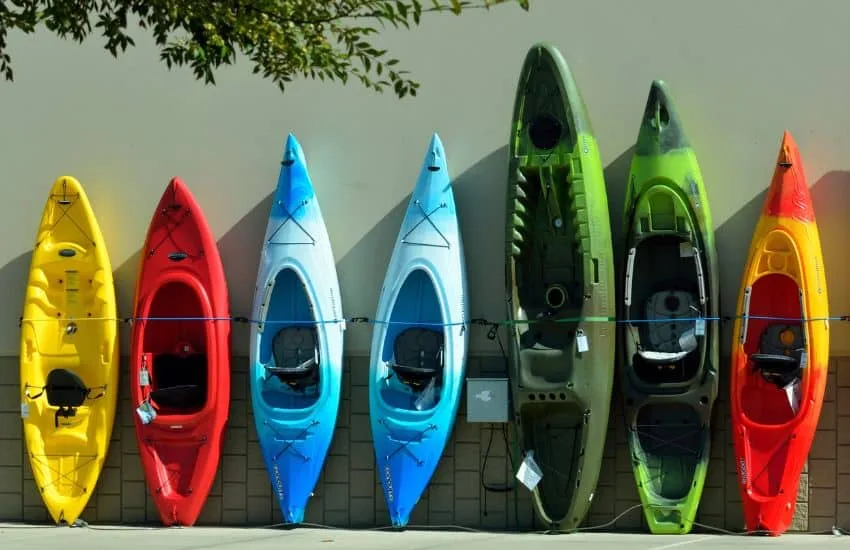
Kayaks are typically sleek and narrow, designed to slice through water with minimal resistance. They have a closed deck, allowing the paddler to sit with their legs extended inside. This design enhances stability and speed, making it ideal for both tranquil lakes and dynamic rivers.
Interestingly, the design varies between different types of kayaks. Some are crafted for speed and agility, while others prioritize stability and comfort. Have you ever tried sitting in a kayak and noticed the snug fit? This is intentional, providing greater control and maneuverability.
Types Of Kayaks
- Recreational Kayaks:Perfect for beginners, these kayaks are stable and easy to maneuver. They’re great for leisurely paddling in calm waters.
- Touring Kayaks:These are designed for longer journeys. They have increased storage space for gear and are built to handle varied water conditions.
- Whitewater Kayaks:Compact and highly maneuverable, these kayaks are built for navigating fast-moving waters and rapids.
- Inflatable Kayaks:Convenient and portable, these are ideal for travelers who need easy storage and transport.
Each type serves distinct purposes, so consider your needs and the environment you plan to explore. It’s fascinating how a simple choice can dramatically alter your kayaking experience!
Common Uses
Kayaks are incredibly versatile. They’re not just for sports enthusiasts; they cater to a wide range of activities. From fishing on a quiet lake to exploring hidden coastal caves, the possibilities are endless.
Many people find kayaking a peaceful way to connect with nature. Imagine paddling silently through a misty morning, observing wildlife undisturbed. It’s a practice in mindfulness and presence.
But kayaking also satisfies the thrill-seekers. Tackling challenging rapids or open ocean swells offers an adrenaline rush like no other. Have you ever felt the surge of excitement as you master a tricky waterway? It’s a testament to the kayak’s adaptability and your growing skill.
Canoe Basics
Understanding the basics of a canoe can open up a whole new world of adventure for you. Whether you’re gliding across a serene lake or navigating a winding river, a canoe offers a unique paddling experience. But what exactly makes a canoe different from a kayak? Let’s dive into the essentials of canoeing.
Design And Structure
A canoe’s design is distinct and recognizable. Typically, canoes are open on top, allowing you to sit or kneel inside the boat. The sides are higher compared to kayaks, providing more protection from splashing water.
Most canoes are built with a wider hull, which makes them stable and ideal for beginners. They often have two or more seats, making them perfect for group adventures. You propel a canoe using a single-bladed paddle, which requires some skill to master the art of maneuvering.
Types Of Canoes
Canoes come in various types, each suited for different activities. The most common is the recreational canoe, designed for calm waters and casual outings. It’s the go-to choice for families and newcomers to paddling.
If you’re into more adventurous activities, the whitewater canoe is built to handle rough, turbulent waters. Then there’s the touring canoe, which is designed for long-distance trips and offers ample space for gear and supplies.
Common Uses
Canoes are versatile and used in a variety of settings. Many enjoy them for leisurely paddling on lakes or slow-moving rivers. They’re perfect for fishing, as their stability allows you to stand up and cast your line with ease.
For those who crave excitement, canoes can also be used in racing and whitewater paddling. They provide an excellent way to explore remote areas that are otherwise inaccessible, offering a sense of adventure and discovery.
Have you ever thought about where a canoe could take you? Whether it’s a peaceful day on the lake or a thrilling ride down a river, the possibilities are endless. Embrace the opportunity to connect with nature and enjoy the open water from the unique perspective of a canoe.
Paddling Techniques
Kayaks are steered with double-bladed paddles, allowing smooth strokes on both sides. Canoes use single-bladed paddles, requiring alternating strokes for navigation. This results in different paddling techniques and experiences between the two types of watercraft.
Paddling techniques can make or break your experience on the water. Whether you’re in a kayak or a canoe, how you wield your paddle affects your speed, direction, and stability. Understanding the nuances of paddling can transform a leisurely outing into an efficient and enjoyable adventure. Let’s dive into the specifics of kayak and canoe paddling to see what sets them apart.Kayak Paddling
Kayak paddling involves using a double-bladed paddle. This allows you to alternate strokes on either side of the kayak without switching hands. The result is a smooth, continuous motion that propels the kayak forward efficiently. In a kayak, you sit low and close to the water, which gives you better control and stability. You use your core muscles along with your arms to power each stroke. This not only conserves energy but also improves your speed and maneuverability. Have you ever tried adjusting your stroke to navigate tight turns? In a kayak, you can use techniques like the sweep stroke for sharp turns or the draw stroke to move sideways. These strategies highlight the versatility of kayak paddling.Canoe Paddling
Canoe paddling typically uses a single-bladed paddle. Paddlers often switch sides to maintain a straight path, which can require more coordination and teamwork, especially in a tandem canoe. Sitting or kneeling in a canoe, you have a higher vantage point, which offers a different experience compared to a kayak. This position can be advantageous for scouting your path or spotting wildlife along the shore. Ever noticed how canoeists often use a J-stroke to keep their craft moving straight? This stroke combines a forward stroke with a twist of the paddle to counteract the canoe’s natural tendency to veer. It’s a unique skill that, once mastered, adds to the charm of canoe paddling. Which paddling technique resonates with you? Whether you prefer the fluidity of a kayak or the rhythmic teamwork of a canoe, each offers its own set of challenges and rewards.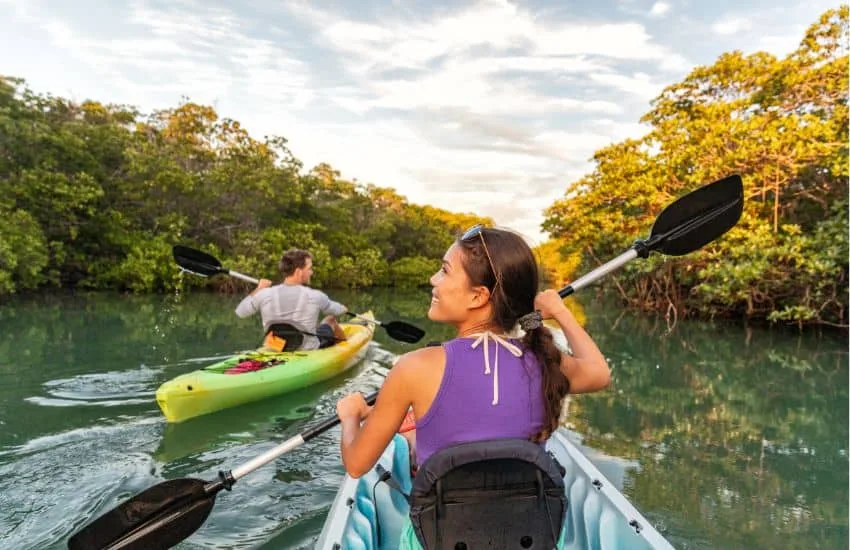
Credit: stevecleverdon.com
Performance Differences
Kayaks and canoes offer unique experiences on the water. Their performance differences can significantly impact your choice. Understanding these differences helps in selecting the right vessel for your adventure.
Speed And Maneuverability
Kayaks tend to be faster than canoes. Their sleek design cuts through water effortlessly. Paddlers can achieve higher speeds with less effort. Kayaks are built for agility, allowing quick turns. This makes them ideal for navigating tight spaces or rapids.
Canoes provide a different experience. They are slower but can carry more weight. Their wide shape makes them less agile. Yet, they offer a smooth ride on calm waters. Steering requires more effort compared to kayaks. Their larger turning radius impacts maneuverability.
Stability Factors
Canoes are known for their stability. Their wide base offers balance, especially for beginners. This makes them perfect for fishing or relaxing trips. The stability helps in calm waters but can be challenging in rough conditions.
Kayaks have a narrower base, affecting their stability. They can feel less steady, especially in rough waters. Experienced paddlers appreciate their responsiveness. The design helps in maintaining balance while moving fast. Adjusting to this balance can take time for newcomers.
Material And Construction
Kayaks have a closed deck and are often made of lightweight materials like fiberglass or plastic. Canoes feature an open design, typically constructed from materials such as wood or aluminum.
Understanding the materials and construction of kayaks and canoes can greatly influence your choice between the two. Each type of watercraft is designed for specific experiences, and the material used in construction plays a pivotal role in their performance, durability, and price. Have you ever wondered why some kayaks feel lighter than others or why certain canoes withstand rougher waters? Let’s dive into the details.Kayak Materials
Kayaks are often constructed from a variety of materials, each catering to different needs and preferences. Plastic (Polyethylene) is the most common material, known for its durability and affordability. It’s ideal for beginners because it can withstand bumps and scrapes. Fiberglass kayaks offer a lighter weight and sleek finish, making them perfect for those looking to glide effortlessly across the water. Although they can be more expensive, the performance boost is noticeable. For a premium experience, composite materials like Kevlar and carbon fiber provide the lightest and fastest option. However, they come with a higher price tag, reserved for seasoned enthusiasts who value speed and agility.Canoe Materials
Canoes traditionally feature a broader range of materials, each lending itself to specific water activities. Wooden canoes are classic and offer a beautiful aesthetic. They require more maintenance but provide a nostalgic paddling experience. Aluminum canoes are robust and resistant to impact, making them an excellent choice for rugged adventures. They’re heavier but can handle rocky environments well. Royalex, a multi-layer composite, was popular for its lightweight and durable nature. Though no longer in production, it set a standard for modern plastic canoes, which now use similar technology to offer a balance between weight and resilience. Choosing the right material depends on your priorities. Are you seeking speed, durability, or perhaps a blend of both? Understanding these material differences can transform your paddling experience, aligning it perfectly with your adventures on the water.Cost Considerations
When deciding between a kayak and a canoe, cost plays a vital role. Understanding the price differences helps in choosing the right watercraft. Both options offer unique experiences, but their costs vary significantly. Let’s explore the price ranges for each.
Price Range For Kayaks
Kayaks generally have a wide price range. Budget-friendly kayaks start around $200. These are typically inflatable or entry-level models. Mid-range kayaks can cost between $500 and $1,000. They offer better materials and more features. High-end kayaks can exceed $1,500. These are designed for serious enthusiasts, with advanced features and durable construction.
Price Range For Canoes
Canoes also vary in price. Entry-level canoes usually start at $300. These models are often made from simple materials. Mid-range canoes range from $600 to $1,200. They provide better durability and comfort. High-end canoes can go beyond $2,000. They are built for performance and longevity, ideal for frequent use.
Safety And Comfort
Safety and Comfort Kayaks often offer more stability and speed, while canoes provide a roomier and more comfortable experience. Paddlers in kayaks feel enclosed and secure, while canoes offer an open, spacious feeling.
Safety and comfort are vital aspects of any water adventure. Whether paddling in a kayak or canoe, ensuring a secure and pleasant experience is essential. Each vessel offers unique features that cater to these needs. Understanding these differences can enhance your time on the water.Safety Equipment
Kayaks often come with built-in safety features. They include buoyancy aids and sealed compartments. These prevent the kayak from sinking in case of capsizing. Canoes generally require additional safety gear. This may include floatation devices and life jackets. Beginners should prioritize these safety measures to avoid accidents.Comfort Features
Kayaks are designed with ergonomic seating. Their seats provide back support and adjustable footrests. This ensures a comfortable paddling position. Canoes offer spacious seating areas. This allows paddlers more freedom to stretch. Padded seats can be added for extra comfort. Both vessels aim to maximize comfort during long excursions.
Credit: www.baysports.com.au
Choosing The Right Option
Kayaks and canoes differ in design and seating. Kayaks have a closed cockpit, while canoes are open-top. Paddling technique also varies; kayakers use double-bladed paddles, and canoeists use single-bladed ones.
Choosing the right option between a kayak and a canoe can feel like a daunting task, especially when both offer unique experiences on the water. Understanding the subtle differences can help you make an informed choice that suits your needs and preferences. Let’s dive into the specifics so you can find the best fit for your next adventure.Personal Preferences
Your personal preferences play a significant role in deciding between a kayak and a canoe. Do you prefer to sit low with your legs extended, or would you rather sit or kneel on a higher seat? Kayaks typically offer a snug fit and are ideal for those who enjoy a more enclosed feel. Meanwhile, canoes provide an open space, which might appeal to those who enjoy a roomier experience. Consider what feels most comfortable for you.Intended Use
Think about how you intend to use your watercraft. Are you planning a leisurely paddle on calm lakes, or are you looking to tackle white-water rapids? Kayaks are often favored for their speed and agility, making them ideal for adventurous waters. Canoes, with their stability and capacity, are perfect for family outings or carrying gear for a camping trip. Identify your primary use to guide your decision.Environmental Considerations
The environment where you plan to paddle also influences your choice. Will you be navigating narrow, winding rivers or wide-open lakes? Kayaks excel in tight spaces and are better for windy conditions due to their low profile. Canoes, however, handle larger waves well and are great for open water with minimal wind. Reflect on the typical conditions you’ll encounter to make a well-suited choice. By weighing these aspects, you can better determine whether a kayak or canoe aligns with your expectations and lifestyle. Which one resonates more with your sense of adventure?Frequently Asked Questions
Is Canoeing Harder Than Kayaking?
Canoeing can be harder than kayaking for beginners due to balance and paddling technique. Canoes are open and can be more challenging in windy conditions. Kayaks offer better stability and maneuverability, making them easier for many. Personal preference and experience level play significant roles in determining difficulty.
Which Is Safer, A Canoe Or A Kayak?
Kayaks generally offer more stability and control, making them safer for beginners. Canoes can be safe with proper training. Always wear a life jacket and follow safety guidelines for both. Consider conditions, experience, and purpose to choose the safest option for your needs.
What Is The Difference Between A Competitive Canoe And A Kayak?
Canoes are open, paddled with a single-blade paddle, and kneeling is common. Kayaks are enclosed, use a double-blade paddle, and involve sitting.
Is A Canoe Or Kayak Better For Beginners?
A canoe offers more stability and space, making it ideal for beginners. Kayaks provide better maneuverability for those seeking adventure. Choose based on your comfort and intended use. Beginners often prefer canoes for calm waters, while kayaks are great for exploring and speed.
Consider lessons for a safe start.
Conclusion
Kayaks and canoes both offer unique water adventures. Kayaks are sleek and enclosed. Canoes are open and spacious. Each has its own charm and purpose. Kayaks suit fast, agile waters. Canoes are great for calm lakes and family trips. Choosing between them depends on your needs and preferences.
Consider the water type and your experience level. Both offer fun and excitement. Try both to find your favorite. Enjoy exploring the waters!