
Imagine yourself nestled in a kayak, the world around you a serene expanse of water and sky. As you grip the paddle, a sense of anticipation tingles in your fingertips.
With the first stroke, the kayak begins to move, gliding smoothly over the surface. You feel the thrill of acceleration, the exhilaration of speed, and a newfound connection to the water beneath you. This isn’t just about paddling; it’s about unlocking a unique experience that combines adventure, tranquility, and a touch of nature’s magic.
Curious about what happens next when you start paddling and how this simple action can transform your entire day? Let’s dive deeper into the nuances of kayaking and discover why each paddle stroke is more than just a movement—it’s an invitation to explore a world of possibilities.
Kayaking Basics
Kayaking is a thrilling outdoor activity. It offers both adventure and tranquility. Whether gliding across calm waters or navigating fast rapids, kayaking provides a unique connection with nature. Understanding the basics is crucial for a safe and enjoyable experience. Let’s explore the different types of kayaks and the essential gear you need.
Types Of Kayaks
Kayaks come in various styles, each suited for different activities:
- Recreational Kayaks:Ideal for calm lakes and gentle rivers. They are stable and easy to maneuver.
- Touring Kayaks:Designed for longer trips. They offer better speed and storage.
- Whitewater Kayaks:Built for fast-moving rivers. They are shorter and more agile.
- Inflatable Kayaks:Convenient for transport and storage. They are versatile and durable.
- Fishing Kayaks:Equipped with features for anglers. They provide stability and storage for gear.
Essential Gear For Kayaking
Safety and comfort depend on having the right gear. Here’s what you need:
- Paddle:Choose a lightweight paddle for ease of use.
- Life Jacket:A must-have for safety. Ensure it fits snugly.
- Helmet:Essential for whitewater kayaking. Protect your head from impacts.
- Spray Skirt:Keeps water out of the kayak. Useful in rough conditions.
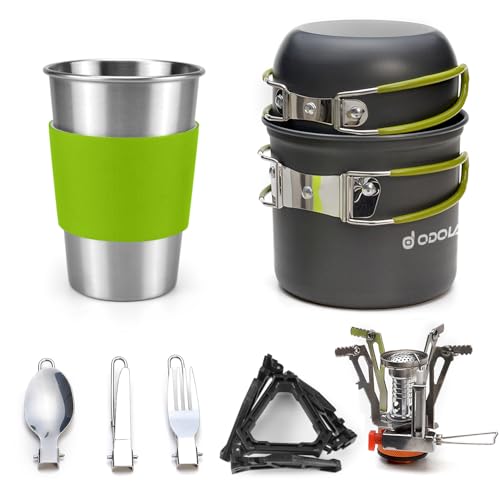
- Dry Bag:Protects your belongings from water. Keep essentials dry.
- First Aid Kit:Always be prepared for emergencies. Pack basic supplies.
Credit: medium.com
The Science Of Paddling
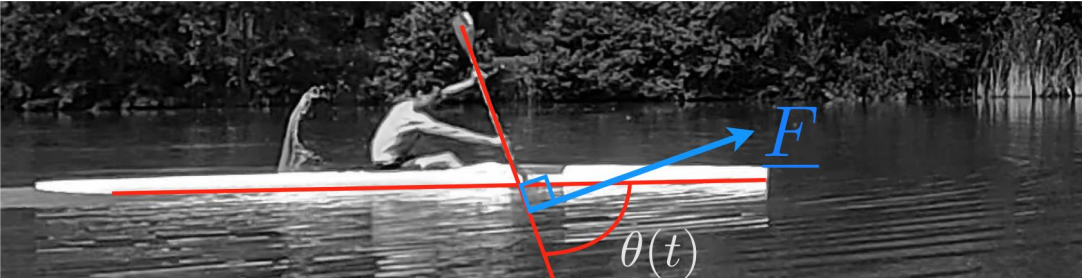
A person in a kayak starts paddling, causing the kayak to accelerate through the water. Each paddle stroke generates forward momentum, propelling the kayak faster. The science behind this involves force, friction, and buoyancy working together.
The art of paddling a kayak involves more than just physical movement. Understanding the science behind it can enhance your paddling experience. As you push through the water, various forces come into play, affecting your speed and control.Forces At Play
Paddling a kayak engages several forces. Gravity pulls the kayak downwards, while buoyancy keeps it afloat. The paddle acts as a lever, allowing you to push against the water. As you paddle, resistance from the water works against your motion. Balancing these forces helps maintain stability and direction.Momentum And Acceleration
Momentum refers to the motion created by paddling. The faster you paddle, the more momentum your kayak gains. Acceleration occurs as you increase your paddling speed. Applying consistent force to the paddle boosts acceleration. Understanding these concepts can improve your kayaking efficiency.Techniques For Effective Paddling
Paddling effectively in a kayak can transform your experience from a tiring workout into a graceful glide across the water. Understanding the right techniques not only saves energy but also enhances your control and speed. Whether you’re a beginner or a seasoned paddler, refining your skills can make a big difference in your kayaking adventures.
Proper Paddle Grip
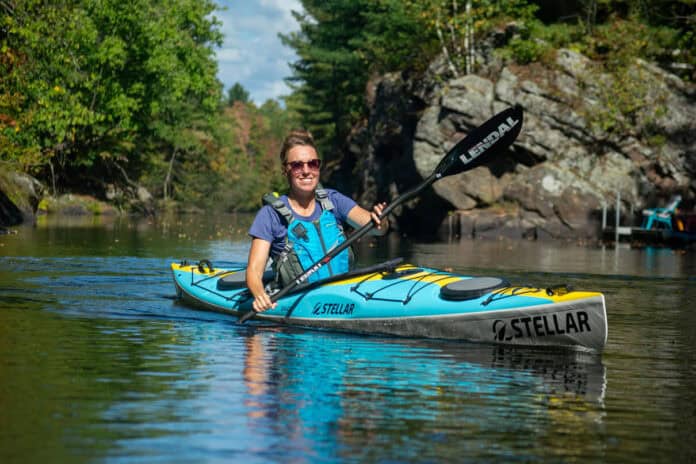
Your paddle grip is the foundation of effective paddling. Hold the paddle with your hands slightly wider than shoulder-width apart. This provides a good balance between strength and flexibility.
Imagine holding a gentle grip, as if you’re cradling a delicate object. Too tight a grip can lead to fatigue and discomfort. Relax your hands and let the paddle move smoothly through the water.
A useful tip: check the angle of your paddle. The blades should be perpendicular to the water for maximum efficiency. Adjusting your grip can help maintain this position effortlessly.
Efficient Stroke Techniques
Mastering the stroke technique is key to accelerating smoothly. Start with the forward stroke, which is the most common. Rotate your torso to engage your core muscles, not just your arms.
Think of your paddle as an extension of your body. As you dip the blade into the water near your toes, pull it back alongside the kayak. Finish the stroke at your hip and lift the paddle out of the water.
Consider varying your strokes to match different water conditions. For windy days, a lower angle stroke can offer better stability. On calm waters, a higher angle can increase speed.
Have you ever noticed how a slight change in technique can alter your kayak’s speed and direction? Experiment with different strokes and grips to find what suits you best. Your body will thank you for it.
Credit: paddlingmag.com
Thrill Of Acceleration
Feel the thrill as a person in a kayak begins paddling, sending the kayak swiftly forward. The water splashes and the kayak gains speed, creating an exciting sense of acceleration. Each paddle stroke brings a rush of energy and momentum.
The thrill of acceleration while paddling a kayak is an experience like no other. Imagine the initial push, the sudden surge forward, and the feeling of slicing through the water. This exhilarating moment is not just about speed; it’s about the sheer joy of movement and the energy coursing through your body.Adrenaline Rush
Your heart races as you dig your paddle into the water. Each stroke propels you faster, sending a jolt of adrenaline through your veins. The excitement builds with every push, making you feel alive and invigorated. The kayak becomes an extension of your body. You feel the water’s resistance and your own strength working in harmony. This connection heightens the adrenaline rush, enhancing the adventure.Connection With Nature
Acceleration in a kayak offers a unique bond with nature. You glide seamlessly over water, feeling the breeze on your face and the sun’s warmth on your skin. This natural symphony is a reminder of the world beyond screens and schedules. Paddling in sync with the water’s rhythm creates a sense of unity with your surroundings. You notice the subtle ripples, the distant calls of birds, and the serenity of the open water. This connection enriches the experience, making each moment memorable. How does this acceleration change your perspective on the power and beauty of nature? Embrace the thrill and let it inspire your next adventure.Safety Tips For Kayakers
A person in a kayak should wear a life jacket before paddling. Ensure all gear is securely fastened. Stay aware of weather changes to avoid unexpected conditions.
Safety should always be a priority for kayakers. Whether you’re a beginner or an experienced paddler, understanding key safety tips ensures a pleasant and secure adventure on the water. Below are essential guidelines to follow for a safe kayaking experience.Weather Awareness
Check the weather forecast before heading out. Sudden weather changes can occur. Keep an eye on the sky for signs of storms or strong winds. Calm waters can quickly become dangerous. Dress appropriately for the weather. Wear layers that can keep you warm and dry. A hat and sunscreen are essential on sunny days. If the weather worsens, find shelter or head back to shore.Emergency Preparedness
Always carry a whistle and a flashlight. These items help signal for help if needed. Know basic first aid skills. They are useful in case of minor injuries. Keep a first aid kit in your kayak. It should be waterproof. Share your trip plan with someone on land. Inform them of your expected return time. This ensures someone will check on you if needed.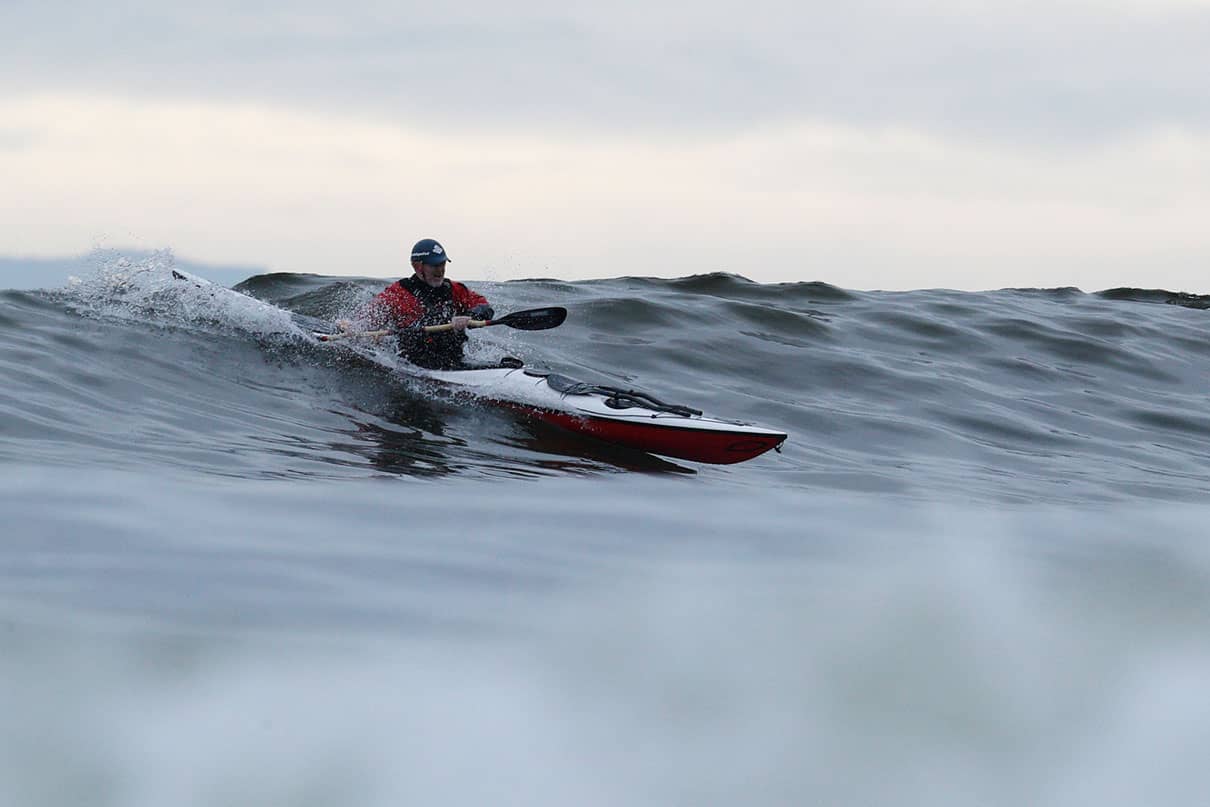
Credit: paddlingmag.com
Exploring New Waters
A person in a kayak begins paddling, feeling the thrill as it accelerates across the water’s surface. Each stroke propels the kayak faster, slicing through the waves with ease and excitement.
Exploring New Waters Embarking on a kayaking adventure opens doors to new discoveries. Each paddle stroke brings you closer to uncharted territories. The thrill of exploring is unmatched. This journey is not just about physical movement. It’s a chance to connect with nature and witness its beauty.Choosing Exciting Locations
Selecting the right location sets the tone for your adventure. Look for places that promise stunning vistas and serene waters. Coastal regions often offer diverse marine life. Rivers can provide a unique blend of landscapes. Lakes are perfect for a calm, reflective experience. Do some research to find hidden gems near you.Respecting Local Wildlife
Wildlife adds wonder to your journey. Be mindful of their habitats and movements. Keep a safe distance from animals. Avoid disturbing nesting areas or feeding grounds. This ensures your presence doesn’t harm their environment. Respecting wildlife enriches your kayaking experience.Frequently Asked Questions
How Does A Kayak Accelerate?
A kayak accelerates when the paddler applies force to the water. This action propels the kayak forward. Consistent and powerful strokes increase the kayak’s speed. Proper paddling technique is crucial for effective acceleration. The kayaker’s strength and rhythm also play significant roles in determining acceleration.
What Affects A Kayak’s Speed?
Several factors influence a kayak’s speed. These include water conditions, wind direction, and the paddler’s technique. The kayak’s design and weight also affect speed. Efficient paddling and maintaining a streamlined position help increase speed. Experience and skill level are essential for maximizing speed.
How Can I Improve My Paddling Technique?
Improving paddling technique requires practice and proper guidance. Focus on your stroke’s entry and exit points. Ensure your body remains balanced and relaxed. Engage your core muscles for added power. Watching instructional videos or taking lessons can also be beneficial.
Consistent practice leads to improvement.
Why Is Balancing Important In Kayaking?
Balancing is crucial for safety and efficiency in kayaking. It helps maintain a straight path and prevents capsizing. Good balance allows for effective paddling and smoother turns. It also aids in managing unexpected water conditions. Practicing balance improves overall kayaking skills.
Conclusion
Paddling a kayak offers excitement and adventure. It’s about movement and freedom. Each paddle stroke brings you closer to nature. Acceleration on the water feels powerful and thrilling. Kayaking improves your strength and focus. It’s also great for mental relaxation.
Beginners and experts alike find joy in paddling. The connection with water is calming. Exploring rivers or lakes is rewarding and peaceful. So, grab a kayak and paddle. Enjoy the journey and embrace the adventure. Happy paddling!