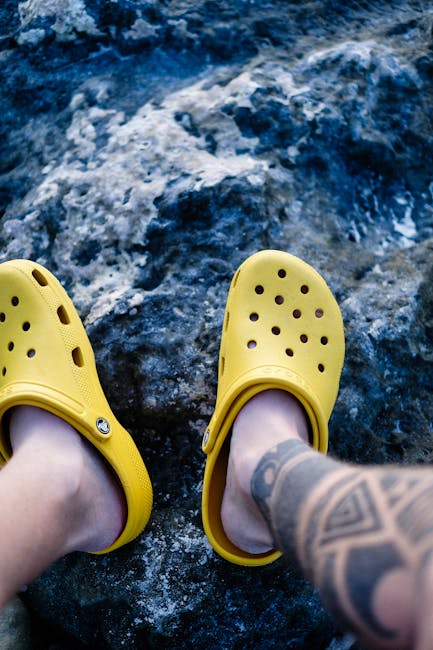
When you’re gearing up for a day of kayaking, every piece of your outfit matters, right down to your footwear. So, have you ever wondered if Crocs are a good choice for your next adventure on the water?
You’re not alone. Many kayaking enthusiasts are curious about this seemingly unconventional option. The comfort and practicality of Crocs are undeniable, but do they really hold up when you’re paddling through rapids or gliding across a serene lake? Imagine having shoes that are not only comfortable but also enhance your kayaking experience.
Dive into this article to discover whether Crocs are your perfect kayaking companion or if you should be looking elsewhere. You might just find the answer that changes the way you prepare for your next water-bound journey.

Credit: www.instagram.com
Kayaking Footwear Basics
Choosing the right footwear for kayaking is crucial for your comfort and safety on the water. The ideal kayaking shoes should offer protection, grip, and comfort, while being suitable for both wet and dry conditions. Before you decide if Crocs are the right choice, let’s dive into the basics of what makes good kayaking footwear.
Understanding Water Resistance
Your feet are going to get wet when kayaking, so water-resistant or quick-drying materials are essential. Shoes that hold water will become heavy and uncomfortable. Look for materials like neoprene or mesh that allow water to drain quickly.
Ensuring Proper Grip
Slippery surfaces are a common challenge while kayaking. A shoe with a non-slip sole is crucial to prevent accidents. Check for a textured sole pattern that provides grip on wet surfaces.
Considering Comfort And Fit
Long hours in a kayak demand comfortable footwear. Ensure your shoes fit well but aren’t too tight. Adjustable straps can help customize fit and keep your shoes secure during paddling.
Evaluating Protection
Your kayaking shoes should protect your feet from sharp objects and rough terrain. Closed-toe designs are usually preferred over open sandals. This ensures your toes are safe from unexpected encounters with rocks or debris.
Weighing Breathability
Breathable shoes keep your feet cool and reduce sweating. Look for shoes with ventilation holes or breathable fabrics. This feature enhances comfort, especially in warm weather.
When I first tried kayaking, I wore regular sneakers and learned the hard way about the importance of proper footwear. They became waterlogged and heavy, making my experience less enjoyable. Ask yourself, are you ready to swap comfort and functionality for style when kayaking?
Features Of Crocs
Crocs have become popular for their comfort and versatility. Many people wonder if they are suitable for kayaking. Understanding their features can help determine their suitability. Let’s explore some key features of Crocs.
Material And Design
Crocs are made from a unique foam material called Croslite. This material is lightweight and durable. It provides cushioning and support for your feet. The design includes ventilation holes. These holes allow air and water to pass through easily. This makes them breathable and quick-drying. The open design also makes them easy to slip on and off. They come in a variety of colors and styles, offering personal choice.
Grip And Traction
Crocs feature a non-slip sole. This sole provides good grip on wet surfaces. It reduces the risk of slipping when entering or exiting the kayak. The pattern on the sole enhances traction. This helps maintain stability on various surfaces. Their lightweight nature helps with balance and mobility during kayaking.
Water Resistance
Crocs are highly water-resistant. They do not absorb water like traditional shoes. This feature is essential for kayaking. Their material allows them to dry quickly. This keeps your feet comfortable and dry. The open design helps water drain out easily. This prevents water from pooling inside the shoe. Crocs can handle wet conditions well, making them a practical choice for water activities.
Comfort Considerations
When you’re out on the water, the comfort of your footwear can make or break your kayaking experience. Crocs have gained popularity for their unique design and comfort features, but are they really the best choice for kayaking? Let’s dive into some key comfort considerations to help you decide if Crocs are the right fit for your paddling adventures.
Cushioning And Support
Crocs are known for their cushioned soles, which provide a soft landing for your feet. This can be a blessing during long hours on the water. The foam-like material absorbs shock, reducing fatigue and enhancing comfort. However, while the cushioning is great for casual wear, it might not offer the structured support needed for intense kayaking sessions. Consider how much support your feet require, especially if you plan to kayak for extended periods.
Fit And Adjustability
The fit of your footwear is crucial for maintaining control and comfort. Crocs come with adjustable straps, allowing for a more customized fit. This can be particularly useful when your feet are wet and prone to slipping. Yet, some users find that the loose fit can become a hindrance, especially in swift waters where stability is key. Try them on in a wet environment to see how they perform before committing to a long trip.

Credit: www.ebay.com
Safety Aspects
Choosing the right footwear is crucial for kayaking safety. Crocs offer comfort and quick-drying features. Yet, they may lack the grip needed on slippery surfaces.
Kayaking is a thrilling adventure. Safety is a crucial aspect to consider. Footwear plays a significant role in ensuring a safe kayaking experience. Crocs, known for their comfort, are a popular choice. But are they safe for kayaking? Let’s explore the safety aspects.Slip Resistance
Crocs feature a unique tread pattern. This design offers good slip resistance. Wet surfaces can be tricky. Crocs help maintain grip in such conditions. This reduces the risk of slipping. The rubber material enhances traction. It’s important for stability on slippery kayaks.Protection From Elements
Kayaking exposes your feet to various elements. Sun, water, and debris are common. Crocs provide decent protection. Their closed-toe design shields your feet. This prevents injuries from sharp objects. The material also offers some UV protection. Your feet stay safe from sunburn.Practicality For Kayaking
Crocs offer comfort and ease for kayaking. Their slip-resistant soles provide good grip on wet surfaces. Lightweight design makes them ideal for quick drying and easy packing.
Kayaking is all about enjoying the water, feeling the breeze, and sometimes, getting a bit wet. Choosing the right footwear is crucial for an enjoyable experience, and Crocs are often considered by many. But are they practical for kayaking? Let’s dive into their practicality with a closer look at their ease of use and durability.Ease Of Use
Crocs are incredibly easy to slip on and off. When you’re getting in and out of a kayak, this convenience can be a huge plus. You don’t have to fuss with laces or worry about them getting soggy. Their lightweight design means they won’t weigh you down. Imagine paddling with heavy shoes—definitely not ideal. Plus, they float! If they slip off in the water, retrieving them is a breeze. Crocs also feature holes that allow water to drain quickly. Your feet can dry faster, reducing the risk of blisters. Isn’t staying comfortable throughout your paddle trip the ultimate goal?Durability
When choosing kayaking gear, durability is a top concern. Crocs are made from Croslite material, known for its long-lasting properties. They can withstand repeated exposure to water without wearing out quickly. Consider the rocky shores you might encounter. Crocs offer some protection against sharp edges and rough surfaces, helping to prevent foot injuries. Although they’re not indestructible, Crocs are surprisingly tough. They can endure the rigors of a kayaking trip while keeping your feet comfortable. Could they be the reliable companion you need on the water?Comparing Crocs To Other Footwear
When kayaking, choosing the right footwear is crucial for comfort and safety. Crocs are a popular choice, but how do they compare to other options? Let’s examine sandals, water shoes, and barefoot options to help you make an informed decision.
Sandals
Sandals provide excellent ventilation, keeping your feet cool during hot days. They are easy to slip on and off, making them convenient. However, open designs can lead to debris entering and causing discomfort. Sandals often lack the grip needed for slippery surfaces, which is essential in kayaking.
Water Shoes
Water shoes offer great grip and protect your feet from sharp objects. They dry quickly, maintaining comfort after stepping in water. Their snug fit helps prevent slipping, adding safety. Some may find them less breathable compared to Crocs. However, they excel in providing stability and protection.
Barefoot Options
Going barefoot allows natural movement and feel. It can be liberating, but risks cuts and bruises from rocks and debris. There is no grip, which can be dangerous on slippery surfaces. Barefoot options are not ideal for long kayaking trips, as they offer little protection.
User Experiences
Crocs offer comfort and grip, making them suitable for kayaking. Their lightweight design and quick-drying material enhance the experience. Users appreciate their practicality on water adventures.
Kayaking enthusiasts often debate the suitability of Crocs for their adventures. User experiences with Crocs on the water vary widely. Some kayakers swear by their comfort and practicality. Others voice concerns about their performance. Let’s explore what real users have to say.Testimonials
Many kayakers share positive experiences with Crocs. They praise their lightweight design. Crocs are easy to slip on and off. This is useful for quick transitions. Users appreciate their breathability. Feet stay comfortable during long paddles. Some highlight the sturdy grip on wet surfaces. This grip provides added security on slippery docks. A few users love the colorful options. Crocs allow them to express their personality.Common Concerns
Despite positive testimonials, some concerns exist. A common worry is their fit. Crocs might not offer enough support for long trips. Some users find them too loose. Loose shoes can cause blisters. Another concern is the lack of protection. Crocs have open holes, exposing feet to debris. Some kayakers prefer more coverage. A few users mention slipping on wet rocks. They wish Crocs had better traction in certain conditions.Environmental Impact
Crocs have become a popular choice for kayaking enthusiasts. Their lightweight design and comfort are key. Yet, their environmental impact raises questions. Understanding how they affect the planet is crucial for eco-conscious kayakers.
Sustainability Of Materials
Crocs use Croslite, a closed-cell resin. It’s not biodegradable but is durable. This reduces the need for frequent replacements, saving resources. The company states Croslite is less harmful than traditional plastics. They aim to minimize waste during production. Efforts are ongoing to recycle more materials.
Long-term Usage
Durability plays a role in environmental impact. Crocs are known for their longevity. They last for years with proper care. This reduces the carbon footprint linked to frequent purchases. Long-lasting products help lower landfill waste.
Users often pass on used Crocs to friends or family. This extends their life further. Reusing footwear benefits the environment. It’s a small step towards sustainable living.

Credit: www.instagram.com
Frequently Asked Questions
Can I Wear Crocs To Kayaking?
Yes, you can wear Crocs for kayaking. They offer comfort, quick drying, and good grip. Ensure they fit well to avoid losing them in water. Consider water shoes for better protection and support.
Which Shoes Should I Wear For Kayaking?
Choose water shoes or neoprene boots for kayaking. They offer grip, protection, and keep feet warm and dry. Avoid flip-flops or sandals as they can slip and provide less protection. Opt for shoes with secure closures and drainage holes for comfort and practicality during your kayaking adventure.
What Should You Not Wear While Kayaking?
Avoid cotton clothing as it absorbs water and takes long to dry. Skip bulky clothes for mobility. Avoid flip-flops, as they slip easily. Opt for water-resistant materials and secure footwear. Dress for the weather and wear a life jacket for safety.
What’s The Best Thing To Wear Kayaking?
Wear a quick-drying shirt, shorts, or swimsuit for kayaking. Choose water shoes or sandals with good grip. Don’t forget a life jacket and sun protection like a hat and sunglasses. Dress in layers for varying temperatures and bring a waterproof jacket for unexpected rain.
Conclusion
Crocs can be a good choice for kayaking. Their lightweight design offers comfort. Quick-drying material keeps feet dry. Slip-resistant soles help with stability. But consider the water conditions. Rough waters need more secure footwear. Always prioritize safety on the water.
Evaluate your personal needs and preferences. Test them on a calm day. See how they perform for you. Remember, comfort and safety are key. Choose what’s best for your kayaking experience. Make an informed decision. Enjoy your time on the water.
Stay safe and comfortable.