Are you planning a kayaking adventure and wondering about the necessity of life vests? You’re not alone.
Many kayaking enthusiasts find themselves asking, “Are life vests required on kayaks? ” This seemingly simple question could be the key to ensuring your safety on the water. In this blog post, we’ll dive into the regulations, safety benefits, and potential risks associated with life vests on kayaks.
You’ll discover why this piece of equipment might just be the most important part of your kayaking gear. By the end of this article, you’ll not only know the rules but also feel confident in making the safest choice for your next trip. So, let’s unravel the truth about life vests and kayaking, ensuring every paddle stroke you take is backed by peace of mind.
Life Vest Regulations
When planning a kayaking adventure, understanding life vest regulations is crucial for safety and legality. Different rules apply depending on where you are paddling. These rules ensure that everyone on the water is safe and prepared for any situation.
Federal Guidelines
The U.S. Coast Guard requires that every kayak must have a life vest for each person on board. It’s not just about having them; they must be easily accessible. Simply storing them under a pile of gear won’t cut it.
Think about unexpected weather changes. Wouldn’t it be comforting to know that you can quickly grab your life vest when needed? This federal regulation is about preparedness, not just compliance.
State-specific Laws
State laws can differ significantly from federal guidelines. Some states might require that you wear a life vest at all times, while others may have more relaxed rules.
For example, in California, it’s mandatory for children under 13 to wear a life vest at all times on a kayak. Knowing your state’s specific laws ensures you stay safe and avoid fines.
Do you know the rules in your state? Checking local regulations can be the difference between a carefree day on the water and an unexpected penalty.
International Standards
If you’re kayaking internationally, be aware that safety standards can vary widely. In some countries, life vest laws might be stricter due to different water conditions and hazards.
For instance, in Australia, life vests are required for all kayakers on certain waters, like coastal areas. Understanding these standards is crucial for ensuring your safety when paddling abroad.
Are you planning an international kayaking trip? Researching the local regulations can provide peace of mind and enhance your adventure.
Safety Importance
Safety Importance on a kayak is paramount, especially when you’re surrounded by unpredictable waters. Life vests are not just a legal requirement; they’re a lifesaver. Many people underestimate the importance of wearing a life vest, thinking it’s just a cumbersome accessory. But its role in ensuring your safety cannot be overstated.
Risk Factors In Water
When you’re kayaking, the water is your playground but can quickly become a danger zone. Currents can change suddenly, and waves can rise unexpectedly. Even experienced kayakers can find themselves in precarious situations. Do you know how cold water can lead to hypothermia in minutes? Without a life vest, your ability to stay afloat is compromised, increasing the risk of drowning.
Statistics On Drowning
It’s shocking how many drownings occur every year due to the lack of life vests. According to the Centers for Disease Control and Prevention (CDC), drowning is the leading cause of death for children aged 1 to 4. Adults aren’t immune either; over 80% of boating deaths involve individuals not wearing life vests. Do you want to take the chance of becoming part of these statistics?
Expert Opinions
Experts unanimously agree on the importance of life vests when kayaking. The United States Coast Guard recommends wearing a life vest at all times while on water. Experienced kayakers often share stories of how life vests have saved them in unexpected situations. Imagine kayaking with peace of mind, knowing that a life vest increases your survival chances by 50%. Is your comfort worth risking your safety?
Types Of Life Vests
Choosing the right life vest for kayaking is crucial. It ensures safety on the water. There are several types available, each with unique features. Understanding these can help you pick the best one for your needs.
Inflatable Vests
Inflatable vests are lightweight and comfortable. They inflate manually or automatically. These vests are compact, ideal for experienced kayakers. While they offer great mobility, they require regular maintenance. Always check for leaks and proper inflation mechanisms.
Foam Vests
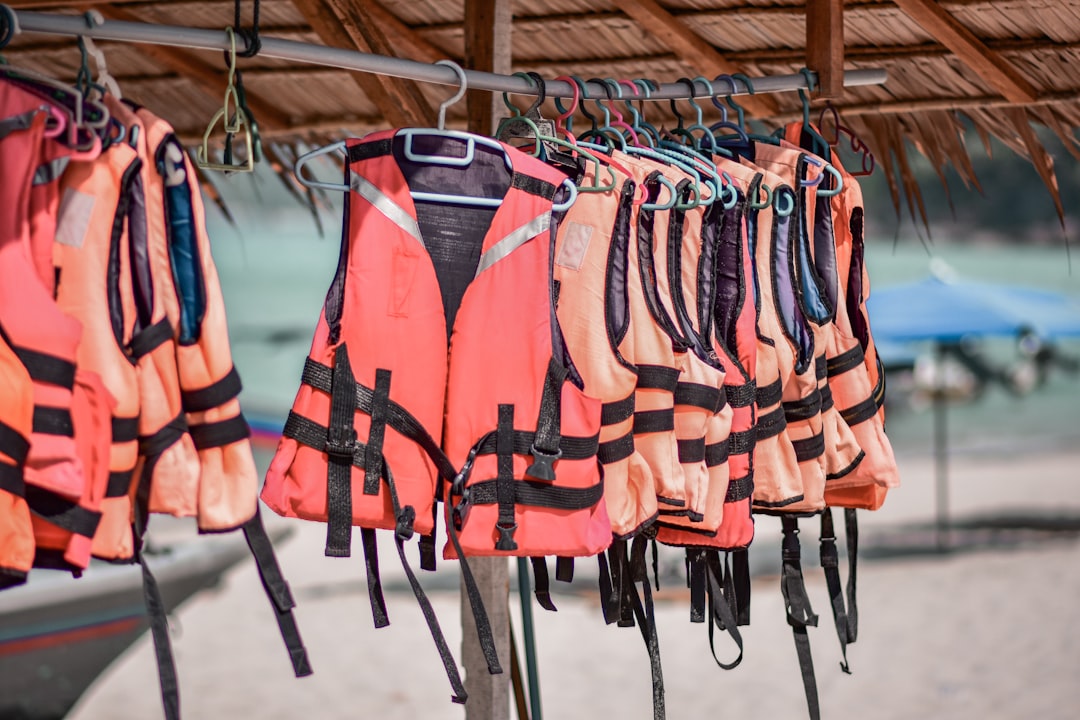
Foam vests are the most common type. They are durable and require little maintenance. Made from buoyant material, they provide consistent flotation. They are bulkier than inflatable vests. Yet, they offer reliable safety and warmth in cold water.
Hybrid Vests
Hybrid vests combine features of inflatable and foam vests. They provide flexibility and buoyancy. These vests are versatile, suitable for various water activities. They offer extra comfort with adjustable straps. A hybrid vest can adapt to different conditions efficiently.

Credit: sheridanmedia.com
Choosing The Right Vest
Kayaking safety often involves wearing a life vest, as regulations vary by location. Ensuring you have the proper vest can prevent accidents and enhance your kayaking experience. Always check local laws to see if life vests are mandatory for kayaks in your area.
Choosing the right life vest for kayaking is crucial for safety. A well-suited vest enhances comfort and security on the water. Knowing what to look for helps in making the best choice.Size And Fit Considerations
Choose a vest that fits snugly but allows movement. An ill-fitting vest can restrict motion or slip off. Ensure it doesn’t ride up when you lift your arms. Check the manufacturer’s size chart for guidance. Adjustable straps help achieve a better fit. Try different styles to find the most comfortable one.Material And Durability
Materials affect a vest’s performance and lifespan. Look for vests made from durable, water-resistant fabrics. Nylon and polyester are common choices. They offer good durability and quick drying. Check the stitching and closures for quality. A well-constructed vest lasts longer and provides better safety.Features To Look For
Different vests come with various features. Consider pockets for storage of small items. Reflective strips improve visibility in low light. Some vests have built-in whistles for emergencies. Look for ventilation to stay cool on hot days. Ensure the vest has a U.S. Coast Guard approval label. This ensures compliance with safety standards.Kayaking Safety Tips
Kayaking offers a thrilling connection with nature, but safety is crucial. Understanding essential safety tips can ensure a fun and secure adventure. This section provides key insights into kayaking safety, focusing on weather, preparedness, and group benefits.
Weather And Water Conditions
Check the forecast before heading out. Avoid kayaking in storms or high winds. Calm water is safer for beginners. Observe the water’s flow and temperature. Cold water can lead to hypothermia quickly. Dress appropriately for the conditions.
Emergency Preparedness
Carry a whistle and a waterproof phone case. These tools can help in emergencies. Know basic first aid and learn how to perform self-rescue techniques. Inform someone about your kayaking plan and expected return time.
Group Kayaking Benefits
Kayaking with friends enhances safety. Groups can assist each other if needed. Shared experiences make the adventure more enjoyable. Group kayaking offers a social aspect, fostering teamwork and bonding.

Credit: www.facebook.com
Legal Consequences
When you’re planning a kayaking adventure, the last thing you want to worry about is the legal ramifications of not wearing a life vest. However, understanding the legal consequences can save you from unexpected troubles and ensure a smooth experience on the water. Let’s dive into the potential legal issues you could face if you skip wearing a life vest while kayaking.
Fines And Penalties
Imagine you’re gliding through the water, enjoying the serenity, only to be pulled over by a park ranger or coast guard. Failing to wear a life vest when it’s legally required can result in hefty fines and penalties. These fines vary by location but can be surprisingly steep, reaching hundreds of dollars.
Some areas might even impose additional penalties, including mandatory safety courses. Do you really want to spend your weekend learning about water safety in a classroom instead of being out on the lake?
Impact On Insurance
Did you know that not wearing a life vest could affect your insurance claims? Imagine capsizing and needing to file a claim for damages. If you weren’t wearing a life vest, your insurance company might refuse to cover your losses, citing negligence.
Consider the impact on your premiums as well. A history of non-compliance with safety regulations can lead to increased rates. Is it worth the risk?
Court Cases And Precedents
There have been instances where individuals faced legal action due to accidents while not wearing life vests. Court cases often highlight the importance of adhering to safety rules. These precedents can influence future legal decisions and establish stricter regulations.
It’s not just about avoiding fines; it’s about setting a responsible example for others on the water. Could your actions today shape future safety standards for kayaking enthusiasts?
Common Misconceptions
The topic of life vests on kayaks often sparks debate, and many misconceptions cloud the understanding of their necessity. These misconceptions can lead to inadequate safety measures, putting kayakers at risk. Understanding these common myths and misunderstandings can help you make informed decisions when it comes to kayaking safety.
Myths About Safety
Some believe that their swimming skills can replace the need for a life vest. This myth is dangerous as unexpected situations, like strong currents or sudden capsizes, can challenge even the best swimmers. A life vest provides a crucial safety net.
Another common myth is that life vests are uncomfortable and restrict movement. Modern designs are lightweight and tailored to allow freedom of motion while providing safety. Next time you’re on the water, try wearing one and notice the difference.
Misunderstanding Regulations
Regulations can be confusing, leading to a misunderstanding about when and where life vests are required. In many regions, the law mandates life vests for all watercraft, including kayaks. Knowing these regulations can prevent fines and ensure your safety.
Don’t assume that just because you see others kayaking without life vests, it’s legally acceptable. Regulations vary by location, so check the rules in your area before heading out.
Public Perceptions
Public perception often underestimates the risks associated with kayaking. Many see it as a leisurely activity without inherent danger. This perception can lead to neglecting safety measures like wearing life vests.
Consider asking yourself: Is public opinion worth risking your safety on the water? Prioritizing your well-being over popular beliefs can make your kayaking experience safer and more enjoyable.

Credit: m.facebook.com
Frequently Asked Questions
Do You Need Life Vests For Kayaks?
Yes, wearing life vests on kayaks is essential for safety. Regulations often mandate life jackets. Life vests provide buoyancy and protection in emergencies. Always choose a properly fitted and approved life vest for kayaking. Prioritize safety by wearing a life jacket every time you kayak.
Do Kayakers Need To Wear Life Vests?
Yes, wearing life vests is essential for kayakers. Regulations often mandate life vests to ensure safety. Even experienced kayakers should wear them. Life vests can save lives in unexpected situations. Always prioritize safety and make sure your vest is well-fitted.
Are Life Vests Mandatory On All Kayaks?
Life vests are generally mandatory on kayaks. Regulations vary by location but emphasize safety. Always check local rules before kayaking. Wearing a life vest is a smart choice, regardless of regulations. It enhances safety and can prevent accidents.
What Types Of Life Vests Are Best For Kayaking?
The best life vests for kayaking are Type III or V. They offer comfort and mobility. Type III vests are popular for recreational kayaking. Type V vests are designed for specific activities. Choose one that fits well and meets your kayaking needs.
Conclusion
Kayaking offers freedom and adventure. But safety remains crucial. Wearing a life vest protects you on water. Laws differ by location, so check local regulations. Even experienced kayakers face risks. A life vest ensures peace of mind. It’s a simple precaution.
Easy to wear. Essential for safety. So, before you paddle out, prioritize your protection. Stay safe. Enjoy the thrill of kayaking responsibly. Remember, every paddler’s safety matters. Equip yourself properly. Embrace safety. Keep your adventures fun and secure. Your life vest is your best friend on water.