

Have you ever wondered if you could take a two-man kayak out on the water all by yourself? Maybe you’re eyeing that spacious two-seater in your garage or looking to purchase one for solo adventures.
The thought of extra space and stability might be enticing, but is it practical? We’ll dive into the ins and outs of using a two-man kayak solo. You’ll discover whether this is a smooth sailing idea or a potential paddling pitfall.
Ready to find out if a two-man kayak can be your ultimate solo escape? Let’s set off on this exploration together.
Benefits Of Solo Kayaking
Paddling a two-man kayak solo offers flexibility and control. It allows for more space and stability on the water. Perfect for those seeking solitude or a peaceful adventure.
Solo kayaking offers a peaceful and rewarding experience. Paddling alone in a two-man kayak can be enjoyable. It gives you the freedom to explore at your own pace. There are many benefits to this solo adventure. Let’s dive into them.Improved Focus And Mindfulness
Kayaking alone enhances focus. You can connect with nature more deeply. Every paddle stroke becomes meditative. This mindfulness helps you relax and enjoy the moment.Personalized Experience
Solo kayaking allows for a tailored adventure. You decide the pace and route. Stop whenever you like, explore hidden spots, and soak in the beauty around you.Physical Fitness
Paddling solo boosts physical fitness. It strengthens your arms, shoulders, and core. The effort required increases stamina and endurance. It’s a fun way to stay fit.Boosts Confidence
Navigating a kayak alone builds confidence. You rely on your skills and judgment. Successfully managing challenges boosts self-esteem. It instills a sense of accomplishment.Enhanced Wildlife Observation
Solo kayaking offers better wildlife observation. Without another person, you approach nature quietly. Animals are less disturbed, giving you a closer look at their world.Flexibility And Spontaneity
Kayaking solo brings flexibility. You can change plans on a whim. Want to explore a new path? Go ahead. Feel like taking a break? It’s your call.Cost-effective Adventure
Using a two-man kayak for solo trips can be cost-effective. You save on renting or buying an extra kayak. It makes solo adventures more affordable.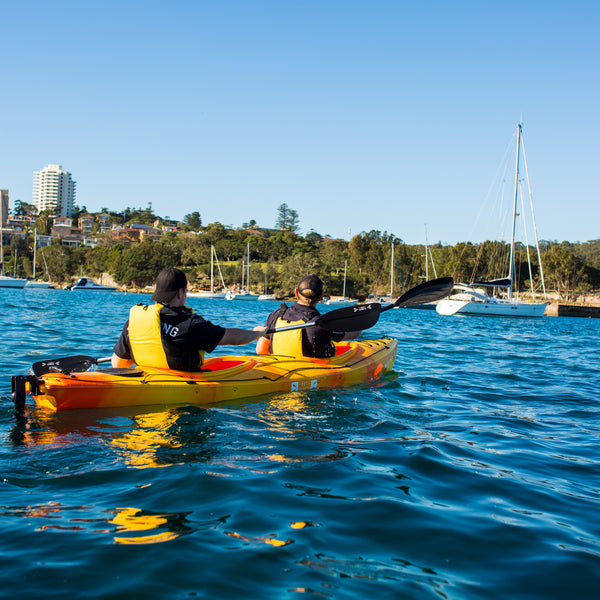
Credit: www.baysports.com.au
Choosing The Right Two Man Kayak
Can one person use a two-man kayak? Yes, but it requires balance and control. Consider the kayak’s weight and design for solo paddling. Some models offer removable seats, making it easier for one person to manage.
Choosing the right two man kayak is crucial for solo paddling. Finding a kayak that suits your needs can enhance your kayaking experience. Consider various factors like weight, size, and solo-use features. These elements ensure comfort and efficiency on the water.Weight And Size Considerations
The kayak’s weight affects portability and ease of use. A lighter kayak is easier to transport and maneuver. Consider your strength and ability to carry it alone. The size influences storage and stability. A compact kayak fits in small spaces and is more stable. Balance these factors for smooth paddling experiences.Features For Solo Use
Some two man kayaks offer adjustable seats. This feature allows you to position the seat for solo paddling. Look for kayaks with removable or foldable seats. This provides flexibility for solo adventures. Consider models with footrests or adjustable foot braces. These enhance comfort and control while paddling alone.Essential Gear For Solo Kayaking
Using a two-man kayak solo offers unique challenges and opportunities. With the right gear, it becomes a fulfilling adventure. Knowing which equipment enhances your safety, navigation, and comfort is essential. This ensures a smooth and enjoyable kayaking experience.
Safety Equipment
Safety is the top priority in solo kayaking. Always wear a life jacket. It should fit well and be comfortable. A whistle is also crucial for signaling. Consider carrying a personal locator beacon. This device can alert rescue services to your location. A waterproof first-aid kit can be a lifesaver. It should contain bandages, antiseptic wipes, and pain relievers.
Navigation Tools
Efficient navigation makes solo kayaking more enjoyable. A map of the area is fundamental. It helps you understand the terrain. A compass is useful for direction. Consider a GPS device for precise navigation. It offers real-time location tracking. Waterproofing your devices is essential. This protects them from water damage.
Comfort Enhancements
Comfort enhances the solo kayaking experience. A cushioned seat or pad makes a long trip bearable. Adjustable footrests support your posture. They help reduce fatigue. Consider a sun hat for protection against the sun. A lightweight, breathable jacket keeps you warm and dry. Bring a water bottle to stay hydrated. Hydration is crucial during physical activities.
Techniques For Solo Paddling
Paddling a two-person kayak solo can be a fun challenge. It requires some specific techniques to ensure safety and efficiency. Mastering these techniques helps you enjoy your time on the water.
Balancing The Kayak
Balance is crucial when paddling a two-man kayak alone. Start by sitting in the middle of the kayak. This helps distribute your weight evenly. If the kayak feels unstable, add some weight at the front. Use bags or equipment for this purpose. Ensure the weight is secure and won’t shift. This setup helps maintain balance and stability.
Effective Paddle Strokes
Paddle strokes must be strong and consistent. Use your core muscles for power, not just your arms. Keep your paddle close to the kayak’s side. This helps in steering and maintaining a straight path. Alternate sides with each stroke. This keeps the kayak from veering off course. Practice makes these strokes efficient and smooth.
Tips For Planning A Solo Adventure
Embarking on a solo kayak adventure can be thrilling. Using a two-man kayak alone might seem challenging but offers unique experiences. Planning is key to ensure safety and enjoyment. Here are some essential tips for planning your solo journey.
Route Selection
Choose a route that matches your skill level. Research local waterways and pick a safe path. Avoid areas with strong currents or heavy boat traffic. Look for scenic spots with calm waters. A detailed map will help you stay on course.
Weather Forecasting
Check the weather before heading out. Clear skies make for a pleasant trip. Wind and rain can make kayaking difficult. Monitor forecasts for sudden changes. Being prepared for unexpected weather ensures safety.
Packing Essentials
Pack light but include essentials. Bring water, snacks, and a first aid kit. Wear a life jacket at all times. Carry a whistle for emergencies. Ensure your phone is waterproof or in a dry bag. Safety gear is crucial for solo adventures.
Safety Precautions
Using a two-man kayak solo is possible with proper precautions. Adjust your seating for better balance and control. Always wear a life jacket and check weather conditions before heading out.
Safety is crucial when using a two-man kayak solo. This requires careful planning and preparation. Without a partner, risks increase. This section highlights key safety precautions.Emergency Protocols
Always have a safety plan. Bring a whistle for signaling distress. Carry a waterproof phone case for emergencies. Inform someone about your trip details. Include your expected return time. Pack a basic first-aid kit. Familiarize yourself with water currents and weather conditions.Communication Strategies
Effective communication is vital. Notify a friend about your plans. Use a tracking app to share your location. Regularly update someone on your status. Establish check-in times. This ensures someone knows you’re safe. Use hand signals for on-water communication with nearby kayakers. Familiar signals can alert others of danger.Enhancing The Solo Experience
Kayaking solo in a two-man kayak might sound unconventional, but it offers a unique chance to enhance your solo adventure. This larger kayak can transform your journey, providing space for gear and a sense of stability. Whether you’re seeking solitude or a deeper connection with nature, this experience can be incredibly rewarding.
Connecting With Nature
One of the best aspects of kayaking solo is the ability to truly connect with nature. A two-man kayak provides extra room, allowing you to bring along binoculars for bird watching or a camera to capture stunning landscapes. Imagine gliding through serene waters with uninterrupted views of the horizon, listening to the rhythmic sound of water against your kayak.
With fewer distractions, you can focus entirely on the beauty around you. Consider planning your route to include areas known for wildlife sightings or vibrant ecosystems. How often do you take a moment to truly appreciate the natural world?
Mindfulness Techniques
Solo kayaking is an excellent opportunity to practice mindfulness techniques. The gentle sway of the water can serve as a soothing backdrop for meditation or deep breathing exercises. As you paddle, concentrate on the sensation of the paddle in your hands and the sound of water splashing.
Try setting intentions before you begin your journey. What do you hope to achieve during this solo experience? Whether it’s clarity of thought or a sense of peace, focusing on your intentions can enrich your adventure.
Incorporate simple mindfulness practices, such as observing the ripples in the water or counting your strokes, to remain present. How might this practice change your perspective on the world around you?

Credit: www.instagram.com
Common Challenges And Solutions
Paddling a two-man kayak alone can be tricky. Balance issues arise because of the kayak’s design for two. Proper weight distribution and using kayak stabilizers can solve these problems, making solo kayaking more manageable.
Common Challenges and Solutions Paddling a two-man kayak alone presents unique challenges. These challenges can affect your kayaking experience. Understanding these obstacles helps in overcoming them effectively.Handling Fatigue
Paddling a larger kayak alone can be tiring. The kayak’s weight requires more effort. This leads to quicker fatigue. To manage this, take regular breaks. Hydrate often to maintain energy levels. Adjust your paddling technique to reduce strain. Use your core muscles instead of just your arms. This distributes the effort more evenly. Proper posture helps in efficient paddling. Invest in a comfortable seat cushion for support.Managing Unexpected Situations
Weather can change suddenly on water. A solo paddler must be prepared. Carry a weather radio for updates. Always have a map and compass on hand. Familiarize yourself with the area beforehand. Equipment failure is another concern. Inspect your kayak before heading out. Ensure all gear is in good condition. Pack a repair kit for emergencies. Keep a first aid kit accessible. Safety should always be your priority.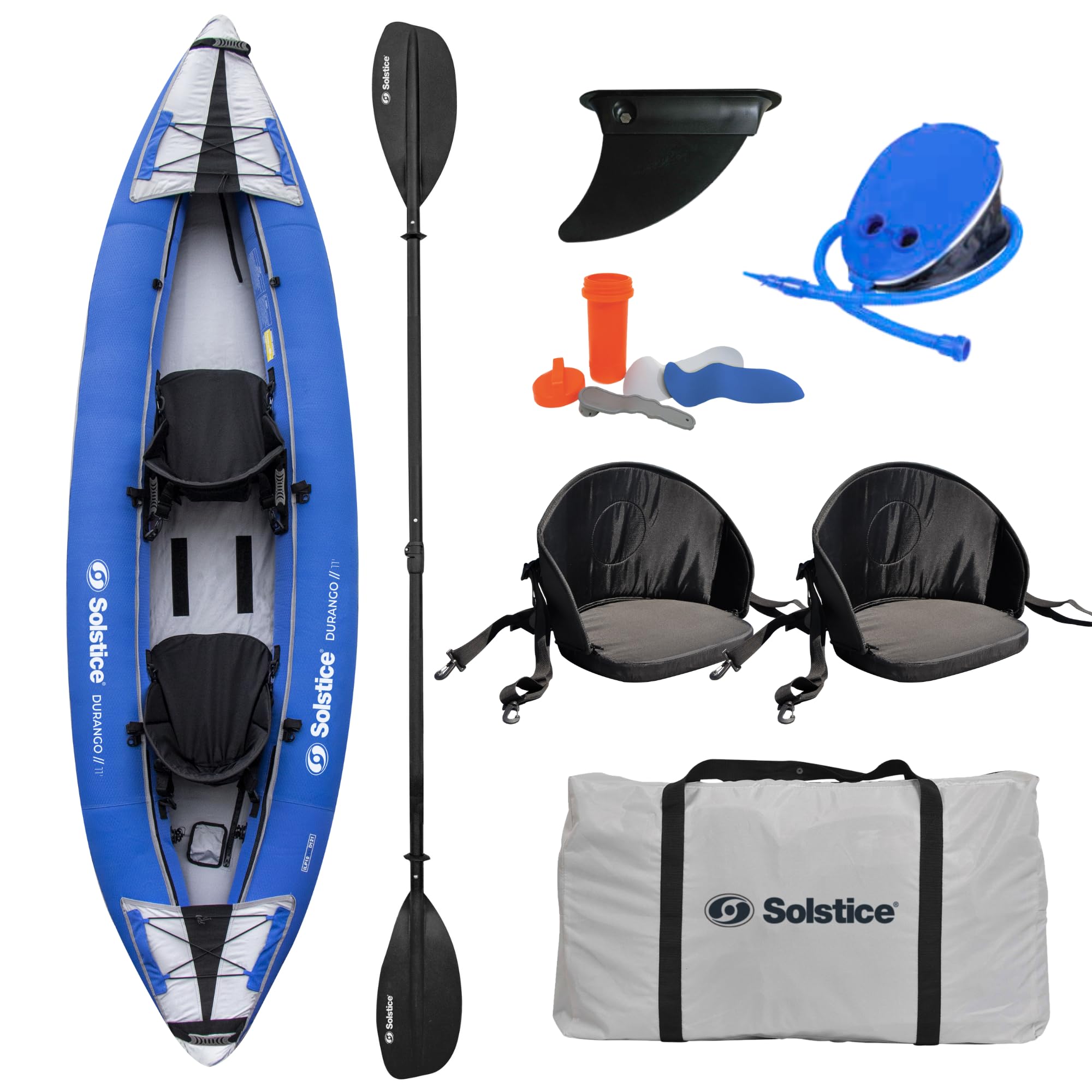
Credit: www.amazon.com
Frequently Asked Questions
Can A 2 Person Kayak Be Used By One Person?
Yes, a 2 person kayak can be used by one person. It’s essential to balance weight for stability. Adjust seating and gear placement to prevent tipping. Paddle efficiently to maintain control and enjoy your solo adventure. Select a kayak with adjustable seats for better comfort and maneuverability.
Where Should One Person Sit In A Two-person Kayak?
In a two-person kayak, the heavier person should sit at the back. This helps balance the kayak for smoother navigation. Proper weight distribution ensures stability and easier steering, especially in windy conditions or choppy waters. Always adjust seating based on individual weight and paddling strength for optimal performance.
What Is The 120 Rule For Kayaking?
The 120 rule for kayaking ensures safety in cold water. Add air and water temperatures; if below 120°F, wear a wetsuit or drysuit. This protects against hypothermia, enhancing your kayaking experience. Always prioritize safety by checking conditions before heading out.
Why Are Tandem Kayaks Called Divorce Boats?
Tandem kayaks are called “divorce boats” because they often lead to arguments. Coordination is key, and disagreements can arise over steering and paddling. Communication challenges can strain relationships. Despite the nickname, tandem kayaking can also be a fun and bonding experience with good teamwork.
Conclusion
Using a two-man kayak solo offers unique benefits. More space for gear. Stability on the water. Paddling alone can be peaceful. It’s important to balance weight evenly. Safety should always come first. Practice before venturing into deep waters. Choose calm conditions for your first try.
Watch out for strong currents. A solo adventure can be rewarding. Perfect for a day of relaxation. Enjoy nature at your own pace. Explore new places from a different view. Remember, it’s about having fun and staying safe. Paddle confidently and make memories on the water.





