Imagine gliding across a serene lake or navigating through a winding river, feeling the gentle sway of your kayak beneath you. It’s a picture-perfect day, and you might wonder: can you mix a bit of leisure with adventure by sipping a drink while you paddle?
This question might have crossed your mind as you consider your next outdoor excursion. But before you pack that cooler, let’s explore what you should know about drinking and kayaking. Whether you’re seeking a relaxing day on the water or an exhilarating experience, understanding the impact of alcohol on your kayaking trip is crucial.
Dive into this guide to ensure your adventure is both fun and safe.
Kayaking Basics
Kayaking offers a thrilling way to explore water landscapes. It’s a blend of adventure and tranquility. Understanding the basics is key to a safe and enjoyable experience. Whether you’re planning a serene paddle or an exciting journey, knowing the essentials is crucial. Let’s dive into the fundamentals of kayaking.
Types Of Kayaks
Kayaks come in various types, each designed for specific water conditions.
- Recreational Kayaks:Ideal for calm waters. They are stable and easy to use.
- Touring Kayaks:Suitable for long-distance paddling. They track well and have storage space.
- Whitewater Kayaks:Designed for fast-moving waters. They are short and maneuverable.
- Inflatable Kayaks:Portable and easy to store. Best for casual outings.
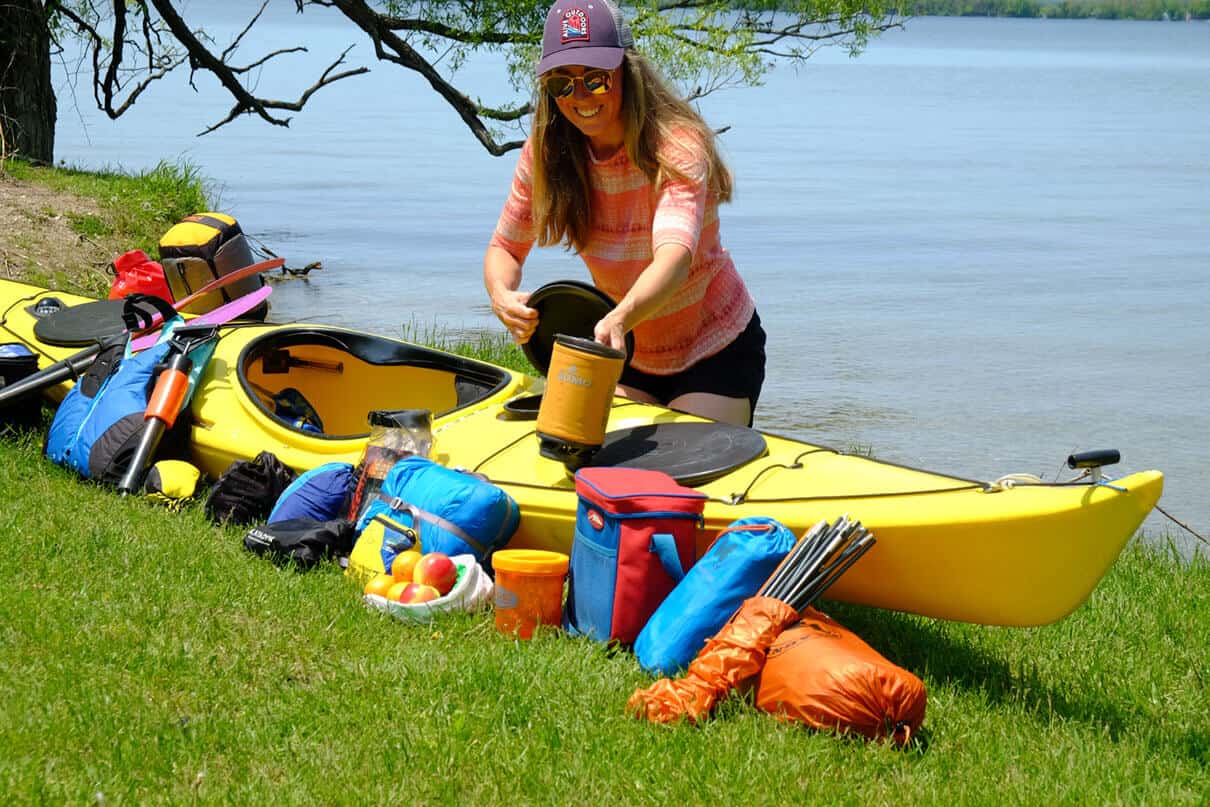
Essential Gear
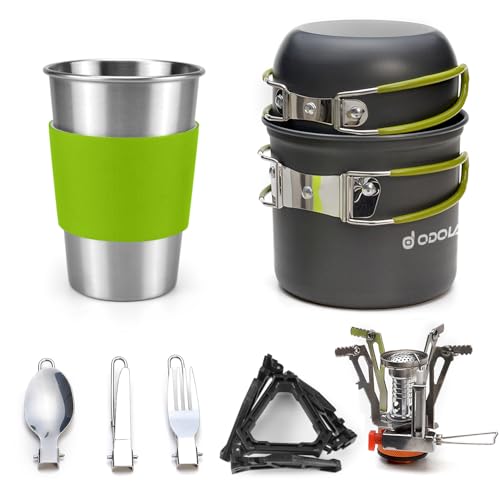
Proper gear ensures safety and enhances the kayaking experience.
- Paddle:Choose a paddle that matches your height and kayak type.
- Life Jacket (PFD):A must-have for safety. Ensure it fits well.
- Helmet:Essential for whitewater kayaking to protect your head.
- Dry Bag:Keeps your belongings safe and dry. It’s waterproof.
- Spray Skirt:Prevents water from entering the kayak. Useful in rough waters.
Credit: paddlingmag.com
Alcohol And Water Safety
Enjoying a sunny day out on the water can be incredibly relaxing, but adding alcohol into the mix can turn a fun activity into a risky venture. Kayaking requires clear judgment and coordination to navigate safely. It’s essential to understand how alcohol can impair your ability to make sound decisions and maintain control while paddling.
Impact On Judgment
Alcohol has a notorious reputation for clouding judgment. When you’re kayaking, decisions need to be quick and precise. Alcohol slows down your decision-making process, increasing the risk of accidents. Picture this: you’re approaching a rapid, but the alcohol-induced fog makes it hard to judge the safest route. Would you risk it?
Mixing alcohol with the unpredictability of water amplifies dangers. You might underestimate the strength of currents or overestimate your ability to handle rough waters. Even experienced kayakers can find themselves in precarious situations when their judgment is impaired.
Effects On Coordination
Kayaking demands physical coordination. Paddling through water requires balance and control. Alcohol impairs motor skills, making even simple tasks challenging. Imagine trying to balance your kayak after a few drinks—each movement becomes exaggerated and less precise.
Coordination issues can lead to tipping over or losing control of the kayak. This not only puts you at risk but also endangers others. A friend once shared how a few beers led to an unexpected swim when his kayak capsized. It was a wake-up call about the dangers of mixing alcohol with kayaking.
So, next time you plan a kayaking adventure, consider leaving alcohol out of the equation. Prioritize safety and ensure your day on the water is both fun and secure. Would you rather enjoy the thrill of kayaking or face the consequences of impaired judgment and coordination?
Legal Implications
Kayaking offers a thrilling way to explore waterways. But mixing alcohol with this adventure can lead to serious legal issues. Many people wonder about the legal side of drinking while kayaking. Understanding the rules is crucial to ensure a safe and lawful experience.
Regulations And Laws
Drinking and kayaking laws vary by region. In many places, kayaking while intoxicated is illegal. Laws often treat it like driving under the influence. The blood alcohol content (BAC) limits may apply on the water too. Some regions enforce strict no-alcohol policies for all boaters. Always check local laws before taking alcohol on a kayak trip. This ensures that you are compliant and safe.
Consequences Of Violations
Violating these laws can lead to severe penalties. Fines are common for those caught kayaking under the influence. In some regions, offenders face jail time. A criminal record may result, affecting future opportunities. Insurance rates can increase if you’re fined for drinking and kayaking. Always prioritize safety and legality to avoid these consequences.

Credit: www.facebook.com
Common Misconceptions
Many assume kayaking under the influence is safe. Yet, alcohol can impair judgment and balance, making it dangerous.
Common misconceptions about drinking and kayaking often lead to risky decisions on the water. People sometimes assume that a little alcohol won’t affect their paddling skills or safety. This misunderstanding can have serious consequences, not only for the person drinking but also for others sharing the water.Myths About Alcohol Tolerance
Many believe that their body can handle alcohol better than others. This myth is dangerous when kayaking. Even if you’ve had experience with alcohol, it can still impair your judgment and coordination. Everyone’s tolerance is different, and factors like fatigue and heat can amplify alcohol’s effects. You might think you’re okay to paddle, but your reaction time and balance are compromised. Consider the last time you felt tipsy after a drink. Now imagine trying to navigate a kayak in that state. Not ideal, right?False Sense Of Security
Alcohol often gives a false sense of confidence. You might feel more adventurous or think you have better control over your kayak. This can lead you to take unnecessary risks. Kayaking requires focus and quick reflexes. Alcohol blurs your ability to make sound decisions, increasing the risk of accidents. Think about how easily plans can change when you’re under the influence. A calm river can quickly become challenging, and you need to be fully aware to react effectively. Next time you consider mixing alcohol with kayaking, question whether the risk is truly worth it. Your safety and the safety of others should always come first.Safety Precautions
Drinking while kayaking increases the risk of accidents. Alcohol impairs judgment and coordination, making it unsafe. Prioritize safety by staying sober on the water.
Kayaking is an exhilarating way to explore nature’s waterways, but safety should always be your top priority. Whether you’re paddling on a serene lake or navigating rushing rapids, keeping safety precautions in mind ensures a fun and memorable experience. But what happens when alcohol is introduced into the mix? Drinking and kayaking can be a dangerous combination, and understanding the risks is crucial for your safety and the safety of those around you.Sober Kayaking Practices
Staying sober while kayaking is not just a recommendation—it’s a necessity for safe paddling. Alcohol impairs your judgment and reaction time, which are crucial when steering through water currents or avoiding obstacles. Imagine trying to navigate a kayak while tipsy; even a slight delay in reaction could lead to a capsized boat. Always prioritize alertness and responsiveness. Consider the conditions of the water and the weather, and plan your route accordingly. Keep a clear mind to make quick decisions and enjoy the natural beauty around you.Emergency Preparedness
Being prepared for emergencies can make all the difference when you’re out on the water. Before setting out, ensure you have all essential safety gear, such as a life jacket, whistle, and first-aid kit. These items can be lifesavers in unexpected situations. Have a plan in place. Share your kayaking route and expected return time with a friend or family member. In case of an emergency, knowing that someone is aware of your whereabouts can expedite rescue efforts. Also, practice self-rescue techniques; knowing how to right your kayak and get back in can be invaluable if you capsize. Consider these questions: Are you prepared for sudden changes in weather? Do you know how to signal for help if needed? Being proactive about emergency preparedness can keep your adventure both safe and enjoyable.Expert Opinions
Expert opinions on drinking while kayaking often highlight safety concerns. Professionals and studies offer insights into the risks involved. Understanding these perspectives can guide safer practices on the water.
Views From Professionals
Many kayaking instructors advise against mixing alcohol with kayaking. Alcohol impairs judgment and slows reaction times. This can lead to accidents, especially in unpredictable water conditions. Experienced kayakers emphasize clear-headedness for safety. Staying alert ensures proper navigation and quick decision-making.
Studies And Statistics
Research shows alcohol affects coordination and balance. In water sports, these skills are crucial. A study found a significant rise in accidents involving impaired kayakers. Statistics reveal higher drowning rates among kayakers under the influence. These numbers stress the importance of sobriety for safety.
Alternatives To Drinking
Kayaking offers thrilling adventures and serene moments on the water. While some might consider alcohol to enhance their experience, it’s not always the safest option. For those seeking alternatives to drinking while kayaking, there are plenty of ways to maintain the fun without compromising safety.
Non-alcoholic Options
Refreshing non-alcoholic beverages can be just as enjoyable. Try fruit-infused waters for a hydrating twist. Herbal teas offer relaxation and warmth, perfect for cooler days. Iced coffee or non-alcoholic cocktails provide a flavorful kick without the risks associated with alcohol.
- Sparkling water with a splash of lemon or lime
- Cold brew coffee for an energy boost
- Mocktails, like virgin mojitos or piña coladas
Enjoying Nature Responsibly
Drinking responsibly means appreciating the beauty around you. Listen to the calming sounds of the water. Observe wildlife in their natural habitat. Take time to breathe in the fresh air and enjoy every paddle stroke.
Engage with fellow kayakers. Share stories and experiences, fostering connections without the influence of alcohol. Participate in group activities or games that encourage teamwork and laughter. These interactions enhance the overall experience, ensuring memorable moments in nature.

Credit: www.filabot.com
Frequently Asked Questions
Can You Drink While In A Kayak?
Drinking alcohol while kayaking can be dangerous and is often illegal. Laws vary by location, so check local regulations. Alcohol impairs judgment and balance, increasing the risk of accidents. Stay sober to ensure safety for yourself and others on the water.
Always prioritize safety and responsibility when kayaking.
Can You Get A Dui Riding A Kayak?
Yes, you can get a DUI while riding a kayak. Laws vary by state, but many consider kayaks as vehicles. Operating a kayak under the influence of alcohol or drugs can lead to legal consequences. Always stay sober and prioritize safety while kayaking.
What Are The Three Rules Of Kayaking?
The three rules of kayaking are: Wear a life jacket, know your limits, and check weather conditions. Stay safe by avoiding risky waters and always paddle with a buddy.
Is It Illegal To Drink And Kayak In Texas?
Drinking while kayaking in Texas is illegal. Kayakers are subject to the same laws as boat operators. Operating a kayak under the influence can lead to fines and penalties. Always prioritize safety and follow state regulations to avoid legal issues.
Conclusion
Kayaking offers a great outdoor adventure. Mixing alcohol with kayaking raises risks. Safety must come first. Alcohol affects balance and judgment. This can lead to accidents. Water conditions can change quickly. Stay alert and prepared. Enjoy the beauty of nature sober.
Friends and family depend on your safe choices. Choose fun responsibly. Kayak with a clear mind for a better experience. Always prioritize safety over excitement. Respect water safety rules. Being careful ensures a memorable trip. Paddle smartly and enjoy the ride.
Your safety matters most.