
Imagine gliding across the pristine waters of a deep blue lake, surrounded by towering cliffs and breathtaking natural beauty. Crater Lake, nestled in the heart of Oregon, is one of those rare places where nature seems to have painted the perfect picture.
The thought of kayaking in such a magnificent setting may have crossed your mind, sparking a sense of adventure and curiosity. But is it possible? Can you kayak in Crater Lake? This is a question that many thrill-seekers and nature lovers like you are eager to uncover.
We’ll explore everything you need to know about kayaking in Crater Lake. We’ll dive into the rules, the best times to visit, and what you can expect from this unique experience. By the end, you’ll have a clear answer to your question and perhaps feel inspired to add this magical place to your adventure bucket list. So, are you ready to discover whether your kayaking dreams can become a reality in one of America’s most stunning national parks? Let’s find out.
Kayaking At Crater Lake
Kayaking at Crater Lake offers a unique opportunity to experience one of the most stunning natural wonders in the United States. The deep blue waters and dramatic cliffs create a breathtaking backdrop for adventure seekers. However, before you grab your paddle, it’s essential to understand the rules and limitations that come with kayaking in this pristine environment.
Current Regulations
Crater Lake National Park has specific regulations to ensure the preservation of its delicate ecosystem. Currently, kayaking is not permitted on Crater Lake. The pristine nature of the lake is protected to prevent the introduction of non-native species that could upset the balance of its ecosystem.
While this might be disappointing, these rules are in place to keep the lake as untouched as possible. It poses an interesting question: Would you sacrifice a unique experience for the sake of preservation?
Seasonal Restrictions
If you’re exploring other water activities near Crater Lake, be aware of the seasonal restrictions. The weather can be harsh and unpredictable, with heavy snowfall often closing roads and access points. Typically, the park is more accessible from late spring to early fall, but conditions can change rapidly.
During winter months, many parts of the park become inaccessible. Always check the park’s official website or contact the visitor center for the latest information before planning your visit.
Remember, respecting the guidelines not only ensures your safety but also helps in maintaining the park’s natural beauty for future visitors. Would you consider alternative activities like hiking or snowshoeing to enjoy the park’s splendor?

Credit: www.instagram.com
The Mystique Of Crater Lake
Crater Lake, a sparkling gem nestled in the heart of Oregon, captivates with its deep blue waters and sheer cliffs. This natural wonder isn’t just a sight to behold; it’s a journey into the mysteries of our planet. From its storied past to its unique geological features, Crater Lake invites you to explore its depths—both literally and metaphorically.
Historical Significance
Crater Lake has a rich history that dates back thousands of years. Native American legends speak of its formation, tied to a great battle between the spirits of the sky and the underworld. This cultural tapestry adds an intriguing layer to the lake’s allure, making it more than just a scenic spot.
The lake was first discovered by European settlers in 1853, and its breathtaking beauty has been drawing visitors ever since. Imagine standing where early explorers once stood, feeling the same awe they felt when they first laid eyes on the pristine waters.
Unique Geological Features
One of Crater Lake’s most fascinating aspects is its geological formation. Formed by the collapse of Mount Mazama over 7,700 years ago, the lake is a caldera, not a crater as its name suggests. This unique formation results in the lake being the deepest in the United States, reaching depths of nearly 2,000 feet.
The clarity of Crater Lake’s water is unmatched. Its pure, azure hue is due to the lack of inflowing streams or rivers, allowing sediments to settle and giving you a clear view straight into its depths. Can you imagine kayaking across such a pristine surface, where every paddle stroke brings you closer to the secrets hidden below?
Preparing For A Kayak Adventure
Embarking on a kayak adventure in Crater Lake offers a unique experience. The lake’s deep blue waters and stunning caldera views captivate visitors. Before setting off, proper preparation ensures a safe and enjoyable trip. Let’s delve into the essentials for a successful kayaking journey.
Essential Gear
Having the right gear is crucial for a kayak adventure. A reliable kayak suited for the lake’s conditions is necessary. Choose a lightweight, durable kayak for easy maneuvering. Bring a paddle that matches your height for comfort. A personal flotation device (PFD) is mandatory for safety. Don’t forget a dry bag to keep your belongings safe from water. Wear weather-appropriate clothing to stay comfortable throughout the trip.
Safety Precautions
Safety is paramount when kayaking in Crater Lake. The water is cold, so be prepared for sudden weather changes. Always wear a PFD to ensure buoyancy in case of capsizing. Inform someone about your trip plans and expected return time. Check the weather forecast before heading out. Avoid kayaking alone; having a buddy enhances safety. Be aware of your surroundings and stay clear of restricted areas. Familiarize yourself with basic kayaking techniques and rescue operations. This knowledge boosts confidence and security during your adventure.

Credit: www.facebook.com
Wildlife And Natural Beauty
Crater Lake offers a stunning backdrop for kayaking adventures. Glide over crystal-clear waters surrounded by towering cliffs and lush forests. Experience the serene beauty and diverse wildlife of this unique national park.
Kayaking in Crater Lake offers more than just the thrill of paddling across one of America’s deepest and bluest lakes. It’s a chance to immerse yourself in the wildlife and natural beauty that surrounds this pristine environment. As you glide across the water, you’re not just exploring a geographical wonder; you’re stepping into a vibrant ecosystem filled with diverse flora, fauna, and breathtaking landscapes.Flora And Fauna
Crater Lake is home to a unique blend of plant and animal life. While kayaking, you might spot a bald eagle soaring overhead or a curious otter peeking out from the shoreline. Keep an eye out for the Clark’s Nutcracker, a bird species crucial for the regeneration of the whitebark pine, a tree that thrives in the park’s high-altitude environment. Surprisingly, the lake itself hosts no native fish species. However, rainbow trout and kokanee salmon, introduced in the late 1800s, now populate the waters. Watching them dart beneath your kayak can be an unexpected delight.Scenic Views
The vistas around Crater Lake are nothing short of spectacular. As you paddle, the steep cliffs rising dramatically from the water’s edge offer stunning panoramas. The clear, cobalt-blue waters provide a mirror-like reflection of the surrounding peaks and sky. Have you ever seen Wizard Island? It’s a small volcanic cinder cone rising prominently from the lake’s surface. It adds a mystical touch to the already enchanting landscape. Each turn of your kayak can reveal new angles of this natural wonder, making every moment feel like a postcard. As you explore the lake, consider the forces of nature that shaped it. The stillness of the water contrasts with the dramatic history of volcanic eruptions and glacial carving. This juxtaposition creates a unique sense of peace and awe, inviting you to ponder your place in this vast, beautiful world.Alternatives To Kayaking
While kayaking in Crater Lake offers an incredible experience, it’s not always feasible for everyone. Fortunately, there are several other activities that allow you to soak in the beauty of this majestic location. Whether you prefer to stay on solid ground or take to the waters in a different way, there are exciting alternatives to kayaking that can make your visit memorable.
Hiking Trails
Crater Lake boasts some of the most stunning hiking trails you’ll ever encounter. The trails vary in difficulty, catering to both novice hikers and seasoned trekkers. From the Rim Trail, which offers breathtaking views of the lake from above, to the Wizard Island Summit Trail for those looking to explore the island up close, there’s something for everyone.
Imagine yourself standing at a viewpoint, the wind gently brushing against your face as you gaze at the deep blue waters below. Hiking allows you to connect with nature intimately, witnessing the flora and fauna unique to this region. Have you ever wondered what secrets the forest holds? Each step on the trail might lead you to unexpected discoveries.
Boat Tours
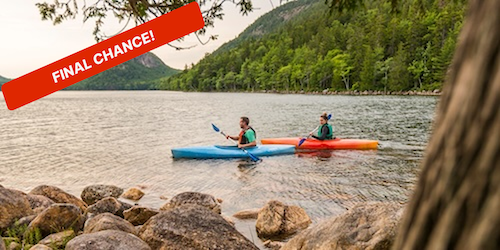
If you prefer to stay on the water without the exertion of paddling, Crater Lake’s boat tours are an excellent choice. These tours offer guided insights about the lake’s geology and history, enriching your visit with fascinating stories and facts. You can relax and take in the scenery while learning about the lake’s unique volcanic origins.
Picture yourself gliding over the pristine waters, the gentle ripples creating a serene atmosphere. Have you ever dreamt of exploring an ancient caldera from the comfort of a boat? The tour guides often have anecdotes that bring the lake’s past to life, making it more than just a scenic view but a journey through time.
Credit: outings.sierraclub.org
Tips From Experienced Kayakers
Kayaking in Crater Lake is a dream for many adventurers. But before you paddle out into its stunning blue waters, there are insights from seasoned kayakers that can enhance your experience. These tips will guide you through the best practices and share personal stories that highlight the unique challenges and joys of kayaking in this picturesque spot.
Best Practices
- Check the Weather:Crater Lake’s weather can be unpredictable. Always check the forecast and be prepared for sudden changes.
- Safety Gear is Essential:Wear a life jacket and carry a whistle. These are not just recommendations but are required by park regulations.
- Stay Near the Shoreline:The lake’s depths can be daunting. Experienced kayakers suggest staying close to the shore for safety and easier navigation.
- Time Your Visit:Mornings often provide calm waters, perfect for a serene kayaking experience. Crowds are thinner, offering a more peaceful adventure.
Personal Stories
Imagine paddling through the tranquil waters with snow-capped peaks in the backdrop. That’s exactly what one kayaker experienced during an early June visit. The serenity was unmatched, but they quickly learned the importance of layering clothes when the winds picked up.
Another kayaker shared the thrill of encountering a playful otter during their journey. This unexpected companion made the adventure memorable, emphasizing the lake’s rich wildlife.
Have you ever wondered how it feels to be surrounded by nature’s raw beauty? Many kayakers describe Crater Lake as a spiritual experience, where the vastness of the lake meets the grandeur of the cliffs, offering a perspective that’s both humbling and awe-inspiring.
These stories highlight the importance of being prepared yet open to the unexpected. As you plan your kayaking trip, consider these insights to enrich your adventure.
Frequently Asked Questions
Why Can’t You Swim At Crater Lake?
Swimming at Crater Lake is restricted due to its steep cliffs and cold water temperatures. Safety concerns arise from the limited access points and unpredictable weather. Protecting the lake’s fragile ecosystem is also a priority. Visitors can enjoy the stunning views and explore designated areas instead.
Do I Need A License To Kayak On A Lake?
You don’t need a license to kayak on most lakes. Check local regulations, as some areas may require permits. Always prioritize safety and adhere to any specific rules applicable to the lake you’re visiting. Enjoy your kayaking adventure!
How Clean Is The Water In Crater Lake?
Crater Lake’s water is extremely clean and clear, with visibility often reaching up to 100 feet. Its purity is maintained by the lack of pollutants and minimal human activity. Rain and snowfall replenish the lake, ensuring its pristine condition.
Is Crater Lake Too Cold To Swim In?
Crater Lake is often too cold for swimming, with temperatures averaging around 50°F (10°C). Most visitors find it uncomfortable.
Conclusion
Kayaking in Crater Lake is a unique experience. The clear blue water amazes every visitor. Safety is crucial for a great adventure. Follow rules to protect the lake’s beauty. Respect nature and enjoy the calm surroundings. Plan ahead to ensure a smooth trip.
Weather can change quickly, so be prepared. Crater Lake offers peace and stunning views. Perfect for nature lovers seeking tranquility. Keep memories forever and share your stories. Each visit creates a lasting impression. Experience the magic Crater Lake provides. It’s a place to cherish and remember.