
Imagine the thrill of gliding over the open ocean, feeling the salt spray on your face as you paddle through the vast, blue expanse. Kayaking offers a unique and exhilarating way to explore the sea.
But is it really possible to kayak in the ocean? The answer is a resounding yes, and it’s more accessible than you might think. By the end of this article, you’ll discover not only the possibilities but also the secrets to safely enjoying this incredible adventure.
Get ready to dive into the essentials of ocean kayaking and uncover tips that will boost your confidence and excitement. Whether you’re a seasoned paddler or a curious beginner, the ocean awaits you. Are you ready to take the plunge?
Ocean Kayaking Basics
Ocean kayaking offers thrilling experiences for adventurers. Yes, you can kayak in the ocean with proper safety gear. Beginners should start in calm waters to build skills before tackling ocean waves.
Kayaking in the ocean offers an exhilarating blend of adventure and serenity. The vast expanse of water, the sound of waves, and the sight of marine life can be a breathtaking experience. However, ocean kayaking requires different skills and equipment compared to kayaking in rivers or lakes. Let’s dive into the essentials of ocean kayaking to ensure your adventure is both safe and enjoyable.Types Of Ocean Kayaks
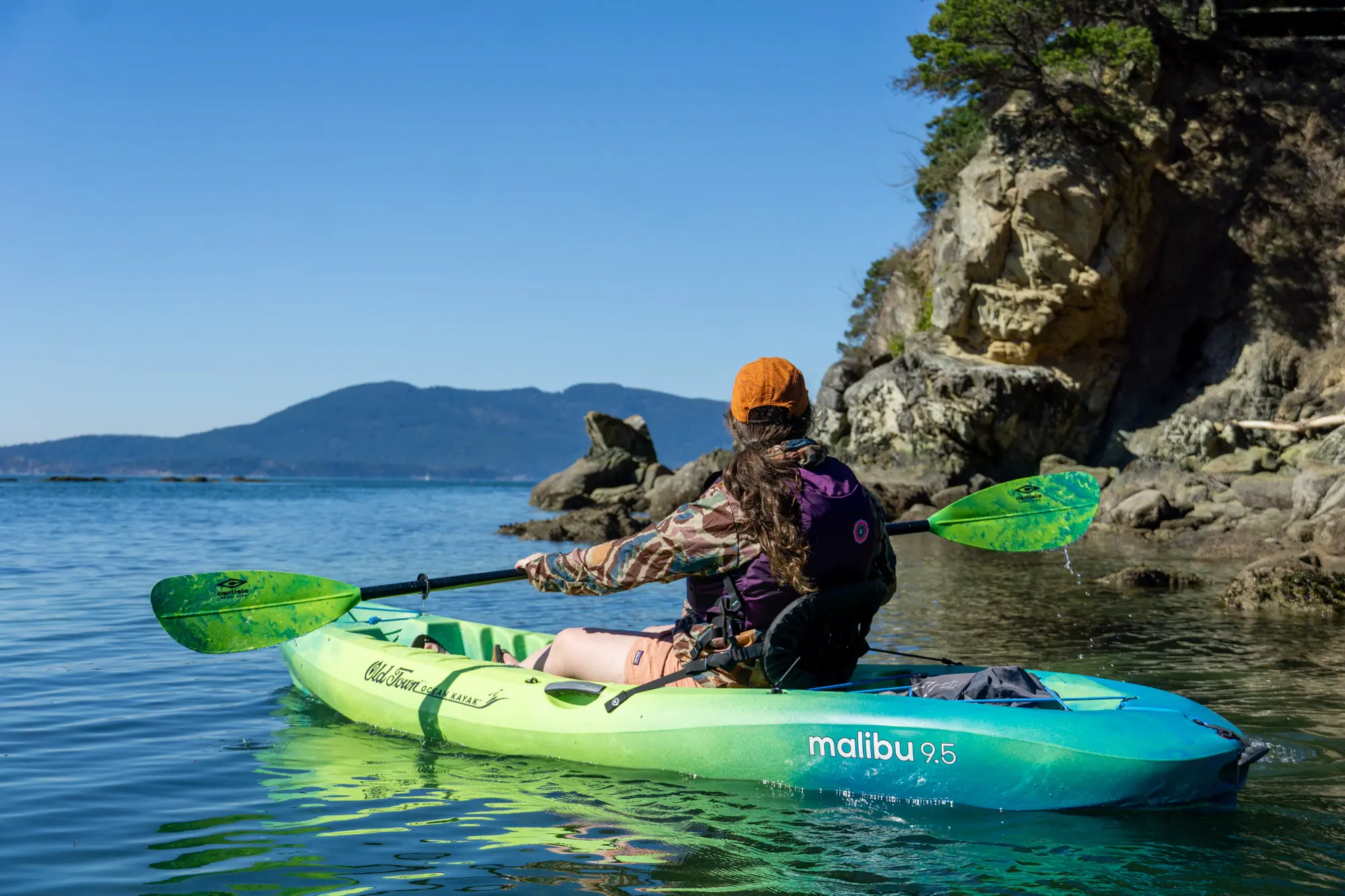
When choosing a kayak for the ocean, stability and durability are key. – Sit-on-top kayaks are popular for ocean kayaking due to their stability and ease of use. They are less likely to tip over and easy to climb back onto if you fall into the water. – Touring kayaks offer better speed and tracking, ideal for longer distances. They are typically longer and narrower, designed to cut through waves efficiently. – Inflatable kayaks are also an option for those who need portability. Modern designs have improved their durability and performance, making them a viable choice for calm ocean conditions. Consider the type of experience you seek and your skill level when selecting a kayak.Key Equipment And Gear
Safety and comfort are paramount in ocean kayaking. – Personal Flotation Device (PFD): Always wear a PFD. It’s your lifeline in case of capsizing. – Paddle: Opt for a lightweight paddle that suits your height and kayaking style. A good grip is essential for maneuverability. – Spray Skirt: If you’re using a sit-inside kayak, a spray skirt will keep water out, ensuring you stay dry and comfortable. – Navigation Tools: A compass and a waterproof map are crucial for longer trips. GPS devices can also be handy but always have a backup. – Communication Device: Carry a waterproof VHF radio or a whistle. These tools are essential for signaling in case of emergencies. Reflect on your kayaking goals and prepare accordingly. Whether it’s a leisurely paddle or an intense workout, the right gear can make all the difference. Are you ready to embrace the ocean’s challenges and beauty? Equip yourself with the right tools and knowledge, and let the sea set your spirit free.Safety Precautions
Ensure a safe kayaking experience in the ocean by wearing a life jacket and checking weather conditions. Stay visible by attaching a bright flag and use a kayak with a reliable flotation device.
Kayaking in the ocean offers a thrilling experience. The vastness of the sea and the sights are mesmerizing. Yet, safety is key. Knowing safety precautions ensures a fun and secure adventure. Understanding weather, ocean conditions, and emergency readiness is crucial.Weather And Ocean Conditions
Checking the weather forecast is vital before kayaking. Calm seas provide a safer experience. Strong winds can make paddling difficult. Beware of sudden weather changes. Ocean currents can be dangerous. Understanding tides helps in planning your route. Look for information on wave heights. High waves can be challenging for beginners.Emergency Preparedness
Prepare for emergencies with a plan. Carry a whistle for signaling distress. Wear a life jacket always. Bring a waterproof phone for emergency calls. Knowing basic first aid is helpful. Keep a map and compass handy. Inform someone of your kayaking plan. This ensures help if needed.Techniques For Ocean Kayaking
Ocean kayaking offers thrilling adventures. Mastering balance and steering is essential for safety. Understanding tides and currents enhances your experience.
Techniques for Ocean Kayaking Ocean kayaking offers a thrilling adventure. It requires skill and technique. Understanding the water’s dynamics helps you stay safe and enjoy the experience. Mastering certain techniques is crucial. This guide will introduce essential skills for ocean kayaking.Paddling Techniques
Efficient paddling is key in ocean kayaking. Use your core muscles to power your strokes. This reduces fatigue and increases speed. Keep your back straight and use your arms to guide the paddle. Short, quick strokes help maintain balance and control. Practice these techniques in calm waters first. Build confidence before venturing into open seas.Navigating Waves And Currents
Waves and currents add complexity to ocean kayaking. Approach waves head-on to minimize impact. Lean slightly forward as you crest the wave. Use the paddle to stabilize if needed. Understand current patterns in your kayaking area. This helps in planning your route. Paddle parallel to the shore when encountering strong currents. This reduces resistance and conserves energy. Always keep an eye on the weather and water conditions.Choosing The Right Location
Choosing the right location for ocean kayaking is crucial for a memorable and safe experience. The ocean offers a vast playground, but not all spots are suitable for every kayaker. Whether you’re a beginner or an experienced paddler, selecting the right location can make all the difference in your adventure.
Popular Ocean Kayaking Destinations
Several destinations around the globe are renowned for their breathtaking kayaking experiences. The calm bays of Hawaii offer stunning views of marine life and volcanic landscapes, perfect for beginners and seasoned paddlers alike. In Australia, the Great Barrier Reef presents an opportunity to paddle over vibrant coral ecosystems, while California’s Channel Islands provide a chance to explore sea caves and spot diverse wildlife.
Each destination has its unique charm and challenges. While some spots boast calm waters and easy access, others might require more skill due to stronger currents and wind conditions. It’s essential to match your skill level with the location to ensure a rewarding experience.
Factors In Location Selection
When choosing a kayaking spot, consider the local weather conditions. Wind speed and direction can significantly affect your paddling experience and safety. Tides and currents are also crucial factors; understanding these can help you avoid unexpected challenges.
Accessibility is another important consideration. Some locations might require a long trek or a boat ride to reach the launch point. Ensure you’re comfortable with the logistics involved in getting to your chosen spot.
Safety should always be a priority. Research if the area has lifeguards or rescue services available. Knowing the proximity of help can provide peace of mind, especially in unfamiliar waters.
Have you considered the local wildlife? Some areas are teeming with fascinating marine life, which can enhance your experience. However, be aware of any potential hazards, like jellyfish or sharks, and how to handle encounters safely.
By carefully selecting your kayaking location based on these factors, you set the stage for an unforgettable and safe ocean adventure. What’s your next kayaking destination going to be?
Wildlife Encounters
Kayaking in the ocean opens up a world of adventure. One of the most thrilling aspects is encountering wildlife. The vast ocean is home to a myriad of marine creatures. As you paddle, you might be lucky to spot some. This experience can be both exciting and educational. It offers a glimpse into the natural habitats of these animals.
Common Marine Animals
While kayaking, several marine animals may cross your path. Dolphins are frequent companions, often seen swimming playfully beside kayaks. Sea turtles are another joy to watch, gliding gracefully under the water. Seals might pop up on the surface, curious about your presence. If you’re kayaking near coral reefs, colorful fish darting around are a common sight.
Respecting Marine Life
Encountering wildlife is a privilege that comes with responsibility. It’s crucial to respect the animals and their habitat. Keep a safe distance to avoid disturbing them. Loud noises can scare marine life away, so maintain a quiet presence. Do not feed or touch the animals. This could disrupt their natural behavior and harm them. Always remember, you’re a guest in their home.

Credit: surfnsea.com
Benefits Of Ocean Kayaking
Kayaking in the ocean offers a unique way to explore marine life up close. It provides a great workout while enjoying the serene beauty of open waters. Ocean kayaking also helps improve balance and coordination.
Ocean kayaking offers a unique experience that combines adventure with wellness. Exploring the vastness of the ocean from a kayak can be invigorating. It presents numerous benefits for both physical and mental health.Physical Health Benefits
Kayaking in the ocean is a full-body workout. Paddling strengthens arms, shoulders, and back muscles. The core is also engaged, improving stability and balance. It enhances cardiovascular health, boosting endurance and heart rate. The resistance of the water makes muscles work harder, burning calories efficiently.Mental Health Benefits
Ocean kayaking promotes relaxation and peace. The rhythmic motion of paddling calms the mind. Being surrounded by the ocean reduces stress and anxiety. It offers a chance to disconnect from daily routines and reconnect with nature. The vastness of the ocean inspires mindfulness and reflection.Ocean Kayaking Tips For Beginners
Ocean kayaking is an exhilarating adventure that offers both breathtaking views and the thrill of navigating the waves. If you’re a beginner, it’s important to be equipped with the right knowledge and skills to ensure a safe and enjoyable experience. Let’s dive into some essential tips that will set you on the right path to becoming a confident ocean kayaker.
Training And Practice
Before you hit the ocean waves, it’s crucial to get some training. Many local kayaking shops offer beginner classes that cover the basics, like paddling techniques and safety measures. These classes not only teach you how to handle your kayak but also how to respond in case of emergencies.
Engage in regular practice sessions in calm waters, such as lakes or bays. This helps build your confidence and skills. Gradually transition to more challenging environments, increasing your ability to handle ocean currents and waves.
Consider practicing with different types of kayaks to understand which suits your style and comfort. Each type offers unique handling and stability, influencing your ocean kayaking experience.
Joining Kayaking Groups
Joining a kayaking group can be incredibly beneficial for beginners. These groups often organize outings where experienced kayakers share their insights and techniques. It’s a fantastic opportunity to learn from others and gain practical advice.
Being part of a group provides a safety net, especially in unfamiliar waters. You can learn how to read the ocean conditions and understand the best spots for kayaking. Plus, you’ll enjoy the camaraderie and shared experiences, making your kayaking adventures more memorable.
Check local social media pages or community boards for kayaking clubs in your area. These networks are a great resource for finding fellow enthusiasts and planning trips together.
Ready to take the plunge into ocean kayaking? Training and joining groups can pave the way for a rewarding experience. As you embark on this adventure, what’s your biggest concern about ocean kayaking?

Credit: www.nols.edu
Credit: gearjunkie.com
Frequently Asked Questions
What Is The 50-90 Rule In Sea Kayaking?
The 50-90 rule in sea kayaking advises paddlers to exert 50% energy for 90% of the journey. This approach conserves energy for unexpected challenges or emergencies. Adhering to this rule ensures a sustainable pace and enhances safety during long kayaking trips.
What Kind Of Kayak Can Go In The Ocean?
Ocean kayaks are typically long, narrow, and designed for stability in rough waters. Choose a sit-on-top or touring kayak with a length of 12 feet or more. Ensure it has a sealed hull and enough storage for safety gear and supplies.
These features help handle waves and currents effectively.
What Is The Leading Cause Of Death In Kayaks?
Drowning is the leading cause of death in kayaks. Proper use of life jackets significantly reduces this risk. Always ensure adequate safety measures before kayaking.
Is It Possible To Kayak Across The Ocean?
Yes, kayaking across the ocean is possible, but it’s extremely challenging. Adventurers face risks like unpredictable weather and physical exhaustion. Proper preparation, support teams, and advanced kayaking skills are essential for success. Only experienced kayakers should attempt such a journey, ensuring safety and readiness for all challenges.
Conclusion
Kayaking in the ocean is an exciting adventure. It offers unique views and challenges. Safety should always come first. Wear a life jacket and check weather conditions. Choose the right kayak for ocean waters. Start with calm days if you’re new.
Experience and practice build confidence. Respect marine life and stay aware of surroundings. Enjoying the ocean responsibly ensures a memorable experience. With the right preparation, ocean kayaking can be rewarding. Embrace the thrill, respect nature, and create lasting memories. Remember, the ocean awaits your paddle.