
Are you wondering if your kayak can brave the elements outside? You’re not alone.
Many kayak enthusiasts face the same dilemma. You’ve invested in your trusty vessel for those thrilling adventures on the water, but now you’re questioning where to store it. With limited indoor space and a desire to keep your kayak safe, the idea of outdoor storage can be both tempting and daunting.
You don’t want harsh weather to damage your prized possession, yet you need a practical solution. This article will explore whether you can store a kayak outside without compromising its integrity. By the end, you’ll have the confidence to make an informed decision that protects your kayak and keeps it ready for your next outing. Stay with us to uncover the secrets of outdoor kayak storage.

Credit: vibekayaks.com
Pros And Cons Of Outdoor Storage
Storing a kayak outside offers easy access and saves indoor space. Yet, exposure to weather can cause damage over time. Protect it with covers and proper support to extend its lifespan.
Storing a kayak outside comes with its own set of benefits and drawbacks. Understanding these can help you make an informed decision. The right storage choice depends on various factors. Consider climate, space, and personal preference. Let’s explore the pros and cons of outdoor storage for your kayak.Pros Of Outdoor Storage
One major advantage is space-saving. Keeping your kayak outdoors frees up indoor space. This can be crucial for those with limited garage or indoor storage. Outdoor storage also offers easy access. You can quickly grab your kayak and head out on the water. This convenience is ideal for spontaneous paddling trips. Additionally, outdoor storage allows for creative storage solutions. Use wall mounts, racks, or stands to keep your kayak safe.Cons Of Outdoor Storage
Weather exposure is a significant drawback. Sun, rain, and snow can damage your kayak over time. UV rays can cause fading and cracks in the material. Extreme temperatures may warp or degrade the kayak’s structure. Outdoor storage also poses security risks. Unattended equipment may attract thieves or vandals. It’s important to secure your kayak with locks or chains. Wildlife can also be an issue. Animals might nest in or around your stored kayak. This can lead to unwanted damage or mess.Protective Measures For Outdoor Storage
Invest in a quality kayak cover. This shields against weather elements and debris. Regularly inspect your kayak for signs of damage. Address any issues promptly to prevent further problems. Consider placing your kayak in a shaded area. This reduces direct exposure to harsh sunlight. Elevate your kayak off the ground. This helps prevent moisture buildup and pest intrusion. Using a tarp or canopy can add extra protection.Choosing The Right Spot
Choosing the right spot is key when storing a kayak outside. Ensure it’s a dry, shaded area to protect from sun and rain damage. Elevated storage helps keep critters away and prevents moisture buildup.
Choosing the Right Spot Storing a kayak outside requires careful planning. The right spot can preserve your kayak’s condition and extend its lifespan. Consider the environment around the storage area. Think about elements that can affect the kayak over time. Here are important factors to consider when choosing a spot.Protection From Elements
Rain, snow, and wind can damage a kayak. Choose a spot with overhead protection like a canopy or tarp. This keeps the kayak dry and safe from weather extremes. It also prevents water pooling inside the kayak which can lead to mold. A covered area is ideal for protection.Avoiding Direct Sunlight
Sunlight can fade and weaken the kayak’s material. Find a shady spot or use a UV-resistant cover. Direct sun exposure can cause cracks over time. Shade helps maintain the kayak’s color and strength. Remember, a cool spot is better than a hot one.Securing From Theft
Safety is crucial when storing a kayak outdoors. Use locks and cables to secure it. Choose a location visible from your home. This deters thieves and keeps your kayak safe. Installing a security camera nearby can also help. Always check the lock system regularly.Protective Covers
Storing a kayak outside is possible with proper protective covers. These covers shield it from harsh weather conditions like rain and sun. Keeping your kayak safe ensures durability and readiness for your next adventure.
Protecting your kayak is crucial if you store it outside. A durable cover shields it from weather, dust, and damage. Covers prolong your kayak’s life and keep it in top condition. Choosing the right cover involves understanding materials and proper use.Material Options
Selecting the right material ensures the cover’s durability. Common materials include polyester, nylon, and UV-resistant fabrics. Polyester covers are affordable and water-resistant. Nylon offers excellent durability and stretch, fitting snugly. UV-resistant fabrics protect against sun damage, maintaining kayak color and integrity.Fitting And Usage Tips
Proper fitting ensures full protection for your kayak. Measure your kayak’s length, width, and height before purchasing a cover. Ensure the cover fits snugly without excess material. Use adjustable straps or bungee cords to secure it firmly. Regularly check for wear or damage to the cover. Clean and dry the cover before storage to prevent mold or mildew.
Credit: www.amazon.ca
Elevating Your Kayak
Storing a kayak outside is possible with the right precautions. Ensure it’s covered and off the ground to protect from weather damage. Regularly check for any signs of wear or pests.
Storing your kayak outside can be a convenient choice, but it’s crucial to think about its position. Elevating your kayak off the ground can make a huge difference in maintaining its condition. Not only does it help in prolonging the life of your kayak, but it also keeps it safe from potential damage caused by ground contact. Let’s delve into how you can effectively elevate your kayak with various solutions.Benefits Of Keeping Off The Ground
Elevating your kayak has several advantages. First, it prevents direct contact with moisture from the ground, which can lead to mold or degradation over time. It also deters small critters from making a home in your kayak. Additionally, keeping the kayak elevated reduces the risk of scratches and abrasions that can occur when it’s dragged across hard surfaces. By ensuring your kayak is off the ground, you also enhance airflow around it, helping to dry it out quicker after use. This can be particularly beneficial if you often use your kayak in saltwater.Diy Solutions
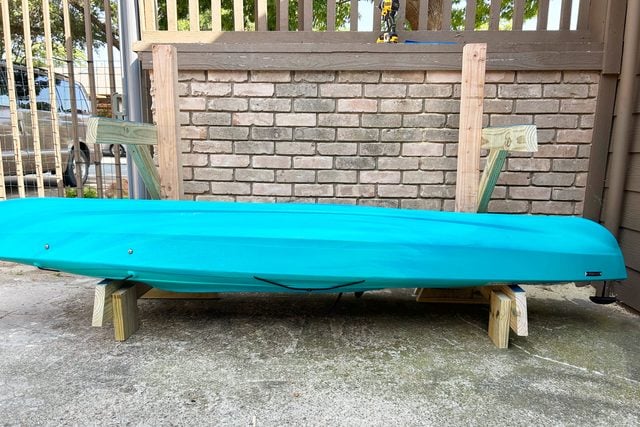
If you’re a fan of DIY projects, creating a stand can be a rewarding task. One popular solution is using PVC pipes to create a sturdy frame. PVC is affordable, easy to work with, and resistant to weather conditions. Another option involves using wooden pallets or planks. These materials can be repurposed into a simple stand with some basic carpentry skills. Make sure to sand down any rough edges to prevent damage to your kayak. Some people opt for a simple rope or strap system. This involves suspending the kayak from a tree or beam, which can be adjusted according to your kayak’s size. Just ensure the knots are secure to prevent any accidental drops.Commercial Stands
For those who prefer a ready-made solution, commercial stands are an excellent choice. Available in various styles and materials, these stands offer a blend of convenience and durability. Look for stands made from weather-resistant materials like aluminum or coated steel. Many stands come with padded arms to protect your kayak from scratches. They are also designed to hold the kayak securely, even in windy conditions. Some commercial options are foldable, making them ideal if you need to store the stand when not in use. Investing in a quality stand can save you time and effort, providing peace of mind that your kayak is safely stored.Securing Against Wind And Weather
Storing a kayak outside is possible with proper protection. Use covers to shield it from sun and rain. Elevate it to prevent ground moisture damage.
Securing your kayak against wind and weather is essential if you plan to store it outside. Mother Nature is unpredictable, and without proper precautions, your kayak could be damaged by strong gusts or harsh weather conditions. By taking steps to protect your kayak, you ensure it stays in top condition and ready for your next adventure.Using Straps And Tie-downs
Securing your kayak with straps and tie-downs is a straightforward way to safeguard it against wind. Use sturdy straps specifically designed for outdoor use. Attach these straps to stable structures such as a fence, a tree, or even a dedicated kayak rack. Ensure the straps are tight but not overly so, as this could cause damage to the hull. It’s a good idea to check the tension regularly, especially after a windy day. A well-secured kayak minimizes the risk of it tipping over or becoming airborne.Winterizing Your Kayak
Preparing your kayak for winter involves more than just securing it against the wind. Start by giving it a thorough clean to remove any dirt or salt that could cause damage over time. Consider applying a UV protectant to prevent the sun from fading the color, even during winter. Cover your kayak with a breathable, weather-resistant tarp to shield it from snow and ice. Ensure the tarp is tightly secured to prevent it from being blown away. Regularly check the kayak throughout the winter to catch any issues before they become problems. Do you have a favorite method for securing your kayak? Share your tips and let’s learn together!Preventing Pests And Critters
Storing a kayak outside demands careful planning to prevent pests and critters. Use protective covers and elevated racks to keep your kayak safe. Regular inspections and cleaning help maintain its condition and deter unwanted visitors.
Storing your kayak outside can be convenient, but it comes with its own set of challenges. One of the most overlooked aspects is keeping pests and critters at bay. These uninvited guests can damage your kayak, leaving you with costly repairs. So, how do you ensure your kayak remains pest-free? Let’s dive into some common threats and preventative measures to keep your kayak safe.Common Threats
Kayaks can attract various pests like insects, rodents, and even birds. Ants can find their way into crevices, potentially causing structural damage. Rodents might gnaw on straps and fabric, compromising your kayak’s integrity. Birds might use your kayak as a nesting spot, leaving behind droppings that can lead to corrosion. Each of these critters poses a unique risk, making it essential to recognize what you’re up against.Preventative Measures
To keep pests away, consider using kayak covers that fit snugly over your vessel. This prevents access and keeps your kayak clean. Regularly check for signs of pests, like droppings or nests, and remove them promptly. You might also want to place your kayak on a rack or elevate it off the ground. This reduces the chance of contact with rodents and insects. Using natural repellents around the storage area can deter critters effectively. For instance, peppermint oil is known to repel mice. Sprinkling it around your kayak can make a significant difference. But remember, consistency is key. Regular maintenance and vigilance are your best allies in preventing pest invasions. Are you ready to protect your kayak from these pesky intruders? What other strategies have worked for you in the past?Regular Maintenance And Checks
Regular maintenance ensures your kayak remains in good condition when stored outside. Check for damage and clean it regularly. Protect it from harsh weather to extend its lifespan.
Regular maintenance is vital for storing a kayak outside. Regular checks ensure longevity and performance. This care includes inspecting for damage and following a cleaning routine.Inspecting For Damage
Examine your kayak for any signs of wear. Look for cracks or dents. These can worsen over time. Pay attention to the hull and seams. Address any issues promptly. This prevents further damage.Cleaning And Care Routine
A consistent cleaning routine helps maintain the kayak’s condition. Wash it with fresh water regularly. Remove any debris or dirt. Dry it thoroughly to avoid mold. Use protective sprays to shield from UV rays. Keep your kayak in tip-top shape.Alternative Storage Options
Kayak enthusiasts often face the challenge of finding suitable storage options. Keeping a kayak outdoors might not always be ideal due to weather conditions. Exploring alternative storage solutions can offer a more secure and convenient choice.
Renting Storage Space
Consider renting a storage unit for your kayak. Storage facilities offer various sizes to accommodate different kayak dimensions. This option provides protection from harsh weather and theft. Many facilities feature climate control, which prevents damage from temperature fluctuations. Renting space is often affordable and flexible. You can choose short-term or long-term rental plans based on your needs. Accessibility is another advantage, as most facilities offer 24/7 access. This ensures you can retrieve your kayak whenever you want.
Community Storage Solutions
Community storage solutions are an excellent option for kayak owners. Many local clubs and organizations offer shared storage facilities. These spaces are specifically designed for kayaks and other water sports equipment. Engaging with your community can lead to finding free or low-cost storage opportunities. Shared spaces promote networking with fellow kayak enthusiasts. This can lead to valuable advice and tips on kayak storage and maintenance. Participating in community storage encourages collaboration and fosters a sense of camaraderie. It also supports a sustainable approach to storage by utilizing existing resources.
Credit: www.familyhandyman.com
Frequently Asked Questions
Is It Okay To Leave A Kayak In The Sun?
Leaving a kayak in the sun can cause damage. UV rays may weaken and fade the material. It’s best to store kayaks in the shade or use a UV-protective cover to prevent harm. Regular maintenance and protection extend the kayak’s lifespan, ensuring it remains in good condition.
Can Lifetime Kayaks Be Stored Outside?
Yes, Lifetime kayaks can be stored outside. Use a cover to protect them from sun, rain, and snow. Ensure they’re elevated to prevent damage from ground moisture. Regularly inspect for any wear or damage to maintain longevity. Proper outdoor storage helps extend the kayak’s lifespan.
Can A Kayak Be Stored Vertically?
Yes, a kayak can be stored vertically. Ensure it is secure to prevent falls and damage. Use wall mounts or straps for support. Protect the kayak from direct sunlight to avoid material degradation. Proper vertical storage can save space and keep the kayak safe.
How Do You Store A Kayak In The Winter?
Store a kayak indoors or under a cover to protect it from snow and ice. Use a rack or padded surface to prevent deformation. Position the kayak on its side or upside down to maintain its shape. Ensure proper ventilation to avoid moisture build-up.
Secure it to prevent movement.
Conclusion
Storing a kayak outside is possible with the right precautions. Protect it from harsh weather. Use covers and secure it well. Check for damage regularly. Outdoor storage can work if done correctly. Ensure it’s elevated to prevent ground moisture. Consider your climate and location.
Think about security to avoid theft. A little effort ensures your kayak stays in great shape. Outdoor storage can be convenient and effective. Keep these tips in mind for best results. Enjoy your kayaking adventures with peace of mind. Your kayak will be ready when you need it.