Imagine paddling through serene waters, surrounded by nature’s tranquility, with the sun warming your back. Kayaking offers a unique escape, a chance to reconnect with the world around you.
But before you push off into the gentle waves, a question might pop into your mind: “Do I need a boat license for a kayak? ” You aren’t alone in wondering this. Understanding the legalities can feel daunting, but it’s essential for a worry-free adventure.
In this guide, you’ll discover whether a license is necessary, ensuring your kayaking experience is both safe and enjoyable. So, are you ready to find out what you need to know? Let’s dive in!

Credit: www.youtube.com
Boat Licensing Basics
Understanding boat licensing basics is essential for water enthusiasts. Knowing whether your kayak requires a boat license can save you time and hassle. This section explores the essentials of boat licensing and what it means for various watercraft.
Definition Of Boat License
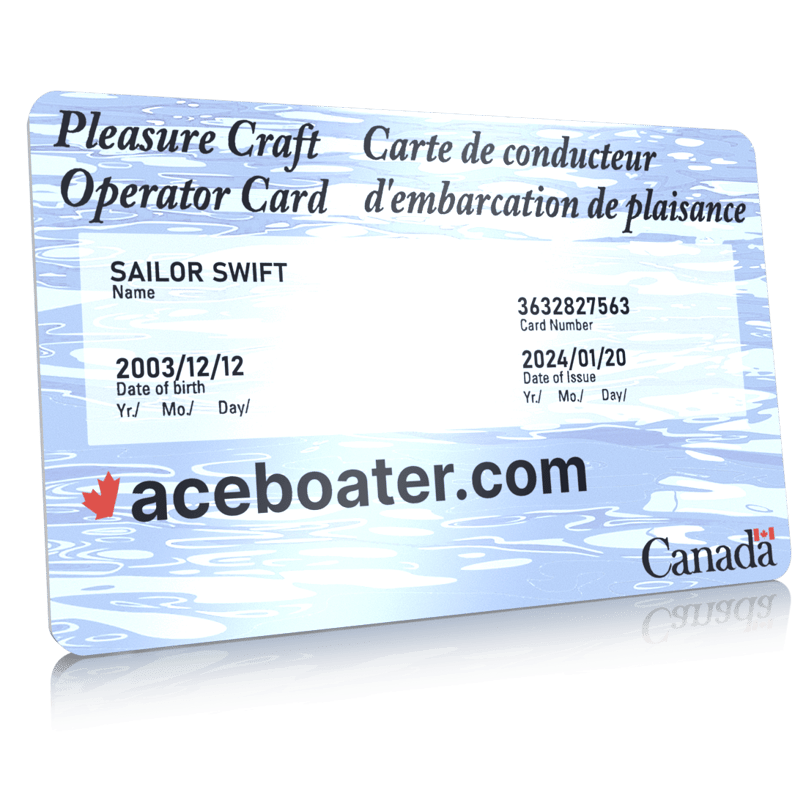
A boat license is a legal document. It grants permission to operate a vessel on public waters. It ensures that the operator meets safety and regulatory standards. Licensing requirements vary by location and watercraft type. Knowing these rules helps you navigate waters legally.
Types Of Watercraft Requiring Licenses
Not all watercraft need a license. Here are common types that do:
- Motorboats: These generally require a license due to their speed and power.
- Personal Watercraft: Jet skis often need licensing for safe operation.
- Sailboats: Larger sailboats may require licensing, especially if motorized.
Kayaks, on the other hand, typically do not need a license. They are considered non-motorized and low-risk. Always check local regulations, as requirements can differ. Understanding these basics ensures compliance and safety on the water.
Credit: www.boaterexam.com
Kayak Classification
Kayaks are popular for their simplicity and accessibility. People love them for exploring waterways and enjoying nature. Understanding kayak classification helps in determining the need for a license. Kayaks are usually small, lightweight, and powered by paddles. This sets them apart from larger, motorized boats.
Difference Between Kayaks And Motorized Boats
Kayaks rely on human power. Paddlers use oars to navigate. In contrast, motorized boats use engines. This makes them faster and more powerful. Kayaks are quieter and eco-friendly. They can access areas where motorized boats cannot go. Size and speed are key differences.
Legal Status Of Kayaks
Kayaks are often exempt from licensing. Many regions do not require a license for non-motorized vessels. Regulations vary by location. It’s important to check local laws. Some places may require registration for safety. Always ensure compliance with regional rules.
Licensing Requirements By Region
Navigating the waters in a kayak can be a thrilling adventure. Before setting off, it’s crucial to know the licensing requirements for kayaks. These regulations differ significantly across regions, ensuring safety and compliance. Understanding these rules will help you enjoy your kayaking experience without any legal hassle.
United States Regulations
In the United States, kayak regulations vary by state. Most states don’t require a license for non-motorized kayaks. Some states might ask for registration if your kayak has a motor. It’s essential to check your state’s specific rules. Always ensure you have safety gear like life jackets, as they are mandatory.
European Regulations
European countries have diverse rules for kayaks. In many places, kayaks don’t need a license. Yet, regulations can be stricter in certain waterways or national parks. Countries like Germany may require registration for motorized kayaks. Always verify local guidelines before kayaking. This ensures a safe and legal experience.
Other Global Regulations
Globally, kayak rules differ widely. In Canada, kayaks usually don’t need a license unless motorized. Australia has similar guidelines but mandates safety gear. In Asian countries, licensing can depend on the location. It’s wise to research specific regulations before kayaking abroad. This knowledge helps avoid legal issues and ensures a safe adventure.
Safety And Education
When you’re out on the water in your kayak, safety and education are paramount. While a boat license might not be required, understanding how to navigate and handle your kayak safely is crucial. Let’s explore why taking safety courses and seeking voluntary certifications can enhance your kayaking experience.
Importance Of Safety Courses
Safety courses equip you with essential skills that could save your life. They teach you how to handle different water conditions and how to respond in emergencies. You might think you can figure it out on your own, but these courses offer structured learning from experienced instructors.
Many organizations provide basic and advanced safety courses. You’ll learn about weather patterns, rescue techniques, and how to avoid common mistakes. Taking a course is a small investment of your time for a potentially life-saving payoff.
Voluntary Certifications
Voluntary certifications aren’t legally required, but they add a layer of credibility and confidence. These certifications show that you take kayaking seriously and have a solid foundation in safety and navigation.
Consider how a certified kayaker might be perceived versus someone without any formal training. Certifications can also make it easier to rent kayaks or join group excursions, as they demonstrate your competence and commitment to safety. Are you ready to take your kayaking skills to the next level?
Benefits Of Licensing
Kayaking offers a serene escape into nature, but there’s more to it than just paddling. While many assume licensing isn’t necessary for kayaks, having one can bring several advantages. Licensing can enhance your experience, offering benefits like improved safety and environmental stewardship.
Enhanced Safety Measures
Licensing ensures kayakers are aware of essential safety practices. It promotes knowledge about navigating water currents and weather changes. Licensed individuals often receive training on emergency protocols. This training can prevent accidents and ensure a safe journey. Understanding water traffic rules also reduces collision risks. Licensing can provide access to local safety updates, helping kayakers stay informed.
Environmental Protection
Licensing can encourage respect for aquatic ecosystems. It often includes education on protecting wildlife and habitats. Kayakers learn to minimize disturbances in natural areas. This knowledge aids in preserving water quality and biodiversity. Licensing can foster a sense of responsibility towards nature conservation. It also supports community efforts in maintaining clean waterways. By understanding ecological impact, kayakers contribute to a healthier environment.

Credit: www.watersportswhiz.com
Alternatives To Licensing
Getting a boat license for a kayak might seem unnecessary. But understanding alternatives can save you time and effort. Many kayak enthusiasts explore other ways to comply with local regulations. These options can often be simpler and more affordable.
Local Permits And Registrations
Some regions offer local permits for kayaks. These permits often cost less than full boat licenses. Check with local authorities for specific requirements. Permits may include safety checks or minimal fees. They ensure your kayak is recognized legally on the water. Also, they can provide peace of mind for both beginners and seasoned paddlers.
Community-based Kayaking Clubs
Joining a community-based kayaking club can offer benefits. Clubs often provide guidance on legal kayaking requirements. They can also help with group insurance plans, covering members on the water. Clubs create a support system for paddlers. They offer shared knowledge and experience. This can be invaluable for staying safe and informed.
Frequently Asked Questions
Do Kayaks Need To Be Registered In Tx?
Kayaks in Texas generally don’t require registration unless they have a motor. Non-motorized kayaks are exempt. Always check local regulations for updates.
Do You Need A License For Your Kayak?
Kayak licensing requirements vary by location. Check local regulations to determine if a license is needed. Some places require registration, especially for motorized kayaks. Always verify with local authorities to ensure compliance.
Is A Kayak Classified As A Boat?
Yes, a kayak is classified as a type of boat. It is a small, narrow watercraft. People use kayaks for recreation, fishing, and sports. They are propelled using a double-bladed paddle. Kayaks are versatile and popular in various water activities.
They offer a unique, close-to-water experience.
Do I Need To Register A Kayak In Wa?
In Washington, you don’t need to register a non-motorized kayak. Motorized kayaks require registration. Always check local regulations for updates.
Conclusion
Navigating kayak regulations is simpler than you might think. Most places don’t require a boat license for kayaking. Always check local rules, though. Safety gear matters. Wear a life jacket. Stay informed on water conditions. Respect nature and other water users.
Kayaking offers freedom and adventure. Enjoy the peaceful waters and scenic views. Share your experiences. Invite friends to join. It’s a fun way to explore. Remember, safety first. Happy paddling!