Imagine gliding smoothly across a serene lake, surrounded by nature’s beauty, with nothing but the sound of your paddle cutting through the water. Kayaking offers you the perfect escape, a chance to explore the great outdoors from a whole new perspective.
But before you dive in, there’s one question that might be lingering in your mind: “Do I need a licence to kayak? ” You’re not alone in wondering about the rules and requirements that come with this thrilling adventure. Understanding whether you need a licence can help you enjoy your kayaking experience to the fullest, without any unexpected hiccups.
Let’s unravel this mystery together, ensuring you’re ready to paddle with confidence.
Credit: flatwaterkayakclub.com
Kayaking Regulations
Kayaking offers a thrilling escape into nature. But knowing the rules is crucial. Navigating the waters legally can vary based on location and purpose. Understanding these guidelines ensures a safe and enjoyable adventure.
General Rules
Most places don’t require a license for recreational kayaking. It is essential to wear a life jacket. Check local waterways regulations for specific rules. Some areas may have age restrictions or require registration. Always follow safety protocols to avoid accidents.
Regional Variations
Rules differ by state and region. Some states mandate registration for certain types of kayaks. Others may have specific restrictions on where you can kayak. Coastal regions might have more stringent safety requirements. Always research local regulations before heading out.
International Guidelines
Traveling abroad with your kayak? Rules vary widely in different countries. Some nations might require a permit or license. Others focus on environmental protection, ensuring kayakers respect wildlife habitats. Understanding international guidelines helps maintain global standards and safety.
Safety Requirements
Kayaking may not require a license, but safety gear like life jackets is essential. Local rules vary, so check regulations before heading out.
Kayaking offers adventure and tranquility on the water. Safety is essential to enjoy this activity. Understanding the safety requirements can prevent accidents and enhance your kayaking experience. Below, we explore the key safety requirements for kayaking.Mandatory Equipment
Kayakers must have essential safety gear. A life jacket is crucial for everyone. It should fit well and be Coast Guard approved. Carry a whistle to signal for help. A paddle leash keeps your paddle close. Don’t forget a bilge pump to remove water from the kayak. Consider a waterproof bag for your phone and essentials.Safety Training
Safety training prepares kayakers for various situations. Basic kayaking courses teach paddling techniques. Learn how to read water currents. Understand weather conditions and their impact. Training includes capsizing recovery skills. Practice these skills regularly.Emergency Procedures
Know what to do in emergencies. Always inform someone about your trip plan. Carry a first aid kit for minor injuries. Learn how to signal for help using a whistle or flares. Stay calm and conserve energy in emergencies. Familiarize yourself with local emergency contacts.Licensing And Permits
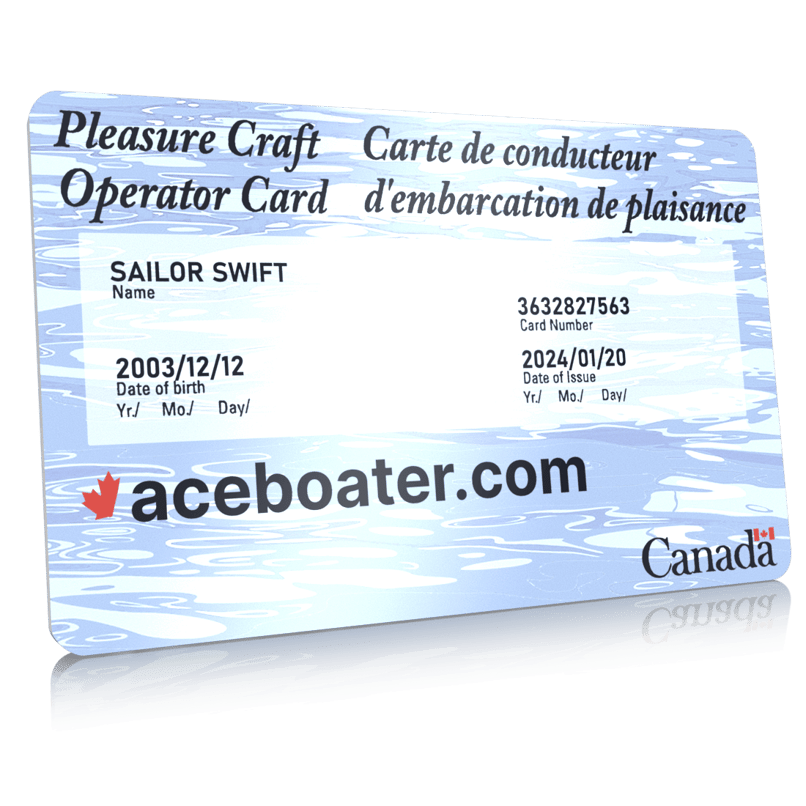
Wondering if a license is needed for kayaking? Rules differ by location. Some areas require permits or registrations, while others don’t. Always check local regulations before heading out on the water.
Kayaking offers a unique way to explore nature. Before heading out, consider the need for a licence. Rules about kayaking licences vary by location. Understanding these can save you from legal troubles.When A Licence Is Required
In some places, a licence is needed for kayaking. This often depends on the type of waterway. National parks and protected areas may have stricter rules. Always check local regulations before your trip. Coastal and international waters might have different requirements.Types Of Licences
Kayaking licences can differ by type. Common types include:- Recreational Licence: For casual paddling in non-restricted areas.
- Commercial Licence: Required for business-related kayaking activities.
- Special Permits: Needed for specific events or competitions.
How To Obtain A Licence
Getting a kayaking licence is straightforward. Follow these steps: 1. Research local regulations. Visit the official government website for information. 2. Fill out the required application forms. These are often available online. 3. Submit necessary documents. This may include identification and proof of residency. 4. Pay any applicable fees. Costs can vary based on the licence type. 5. Wait for approval. Processing times depend on the issuing authority. Having the right licence ensures a hassle-free kayaking experience. Always keep your documents handy during your trip.
Credit: www.boatsales.com.au
Environmental Considerations
When you think of kayaking, the thrill of gliding through water might be your first thought. However, it’s vital to consider the environmental impact of your adventure. Ensuring you’re respectful of nature not only preserves it for future kayakers but can also enhance your experience. Let’s dive into some key considerations.
Protected Areas
Many waterways are part of protected areas like national parks or wildlife reserves. These areas often have specific rules and restrictions to protect the natural habitat. Make sure to research and understand the regulations before you set out.
Some regions might require special permits for kayaking. This is not just bureaucratic red tape; it’s a way to control the number of visitors and minimize human impact. Always check with local authorities or park management for details.
Impact On Wildlife
Kayaking can disturb local wildlife if not done considerately. Birds nesting along the shore or fish spawning in the water are particularly sensitive. Keep a respectful distance and avoid making loud noises.
You might encounter wildlife that seems curious or unafraid. Resist the temptation to feed or interact with them. Human food can be harmful, and interaction can alter their natural behaviors.
Sustainable Practices
Adopting sustainable practices is crucial for preserving the kayaking environment. Use biodegradable sunscreen and avoid single-use plastics. These small changes can significantly reduce your ecological footprint.
Consider participating in local clean-up events. Not only do they help keep waterways pristine, but they also connect you with like-minded outdoor enthusiasts. Could your next kayaking trip also be an opportunity to give back to nature?
Remember, every action counts. By being mindful of the environment, you’re ensuring that these beautiful waterways remain a source of joy and wonder for generations to come. How will you make your next kayaking adventure environmentally friendly?
Local Laws And Guidelines
Understanding local laws and guidelines for kayaking is essential. Each place has unique rules. These rules ensure safety and protect the environment. Before kayaking, research specific regulations in your area. This helps avoid fines and accidents. Familiarity with local laws enhances your kayaking experience.
State-specific Regulations
Each state has its own kayaking rules. Some states require a license. Others may have age restrictions. Check if your state mandates safety equipment. This could include life jackets or whistles. Visit local government websites for accurate information. Always follow state guidelines to ensure safety.
Community Initiatives
Local communities often have initiatives for kayakers. They provide safety courses and environmental awareness programs. Joining these programs can be beneficial. You learn safe kayaking practices. You also understand the importance of protecting local water bodies. These initiatives foster a sense of community among kayakers.
Compliance Tips
Always carry required safety gear. This includes life jackets and whistles. Stay updated with weather conditions. Avoid kayaking in harsh weather. Respect wildlife and natural habitats. Dispose of trash properly. Follow local guidelines to ensure a safe and enjoyable experience.

Credit: www.reddit.com
Benefits Of Licensing
Licensing for kayaking ensures safety and adherence to local regulations. It promotes responsible watercraft usage and environmental protection. Access to certain waterways may require a license, enhancing the overall kayaking experience.
The decision to obtain a kayak license can offer numerous advantages. Licensing can enhance your kayaking experience, ensuring you enjoy your time on the water safely and with broader access. Here are some key benefits:Enhanced Safety
Licensing often involves safety training and guidelines. This education helps kayakers understand water conditions and emergency procedures. It also teaches the importance of using proper gear. This knowledge reduces the risk of accidents and injuries. Knowing safety measures boosts confidence while paddling.Access To Restricted Areas
Certain waterways require a license for access. Licensing provides entry to these exclusive spots. These areas often feature unique wildlife and stunning views. Licensed kayakers can explore places others cannot. This offers a richer kayaking experience.Community Support
Licensed kayakers often join clubs and groups. These communities offer support and camaraderie. Members share tips, organize trips, and provide assistance. Being part of a community enhances the overall kayaking journey. It fosters friendships and encourages skill development.Common Misconceptions
Kayaking offers a thrilling escape into nature’s beauty. Yet, many wonder about legal requirements. Questions about needing a license often arise. Misunderstandings can lead to confusion. Let’s clear up these common misconceptions.
Myths About Licensing
Many believe a license is always required to kayak. This isn’t always true. Rules vary by region and water type. Some places have no licensing requirements. Others may require permits for specific activities. Confusion often stems from mixed information.
Some think licenses are needed to rent kayaks. Most rental places handle legal details. They usually provide necessary permissions. This myth can deter potential kayakers. It creates unnecessary barriers to enjoying the sport.
Clarifying Legal Obligations
Legal obligations depend on where you plan to kayak. Coastal areas often have different rules than inland waters. Checking local regulations is crucial. It ensures a smooth experience. Some states require safety courses instead of licenses. Completing these courses enhances safety and confidence.
Understanding the distinction between permits and licenses is important. Permits may be needed for protected areas. Licensing might be required for commercial activities. Knowing these differences helps avoid potential legal issues.
Frequently Asked Questions
Do You Need A License For Your Kayak?
Kayak licensing rules vary by location. Check local regulations for requirements. Some areas need registration, others don’t. Always verify before kayaking.
Do Kayaks Need To Be Registered In Tx?
In Texas, kayaks do not need to be registered unless they have a motor. Paddle-driven kayaks are exempt from registration requirements. Always check local regulations for any updates or changes.
What Is Required To Kayak In Ohio?
Kayaking in Ohio requires wearing a life jacket and registering your kayak. Follow local rules for specific waterways. Ensure safety gear is available, including a whistle. Check weather conditions before heading out. Enjoy Ohio’s beautiful lakes and rivers responsibly.
Do I Need To Register A Kayak In Wa?
No, you don’t need to register non-motorized kayaks in Washington State. Registration is only required for motorized vessels. Ensure your kayak meets safety requirements and carry necessary safety equipment.
Conclusion
Kayaking is fun and accessible for everyone. Licenses depend on your location. It’s crucial to check local regulations before hitting the water. Some places might require a permit. Others are more relaxed. Always prioritize safety. Wear a life jacket and carry necessary gear.
Enjoy nature’s beauty while paddling. Respect wildlife and fellow kayakers. Embrace the adventure without worries. Prepare well, and you’ll have a great time. Stay informed and paddle responsibly. Let the water guide your journey. Happy kayaking!