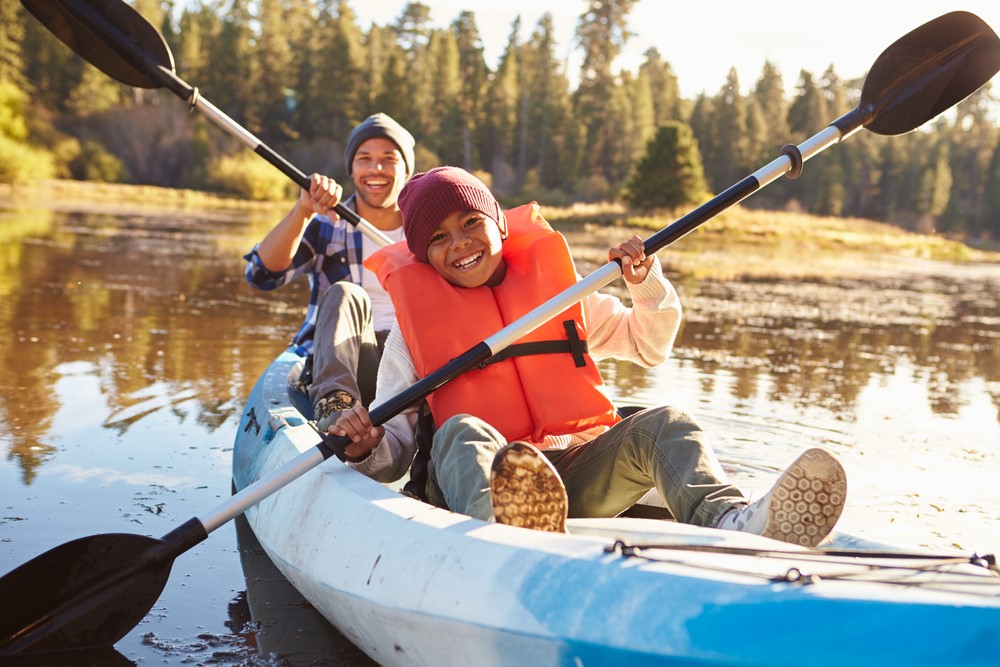
When you’re out on the water, feeling the gentle sway of a kayak beneath you, the last thing you want is a nagging question lingering in your mind: “Do I really need to wear a life jacket?” It’s a simple piece of gear, yet it can stir up a sea of doubt.
Perhaps you’re confident in your swimming skills, or maybe you think the waters are calm enough to go without one. But is that a risk worth taking? We’ll navigate the ins and outs of this crucial safety question. You’ll discover why wearing a life jacket isn’t just a rule—it could be your lifeline.
We’ll explore not only the legal requirements but also the practical reasons that make this decision a no-brainer for any kayaker. By the end, you’ll have the knowledge you need to make an informed choice that ensures your kayaking adventures remain safe and enjoyable. Ready to dive in? Let’s get started.

Credit: m.facebook.com
Life Jacket Regulations
Wearing life jackets in a kayak is often required by law for safety. Regulations vary by location and age. Always check local rules to ensure compliance and safety on the water.
Life jacket regulations are crucial for ensuring safety while kayaking. Whether you’re a seasoned paddler or a beginner, understanding these regulations can make your time on the water both enjoyable and secure. But have you ever wondered what the legal requirements for life jackets in kayaks are, and how they vary depending on your location?Legal Requirements
Life jacket laws for kayaking are designed to protect you from potential hazards on the water. In many places, regulations mandate that life jackets must be worn at all times when kayaking. These requirements often depend on the age of the kayaker, the type of water body, and the local laws. For instance, in the United States, the Coast Guard requires that all kayaks have a wearable life jacket for each person on board. Additionally, certain states have specific rules requiring children under a certain age to wear life jackets at all times. Understanding these legal requirements is essential. Not only do they ensure your safety, but they also prevent any legal penalties for non-compliance. Are you familiar with the life jacket laws in your area?Variations By Location
Life jacket regulations can vary significantly depending on where you are kayaking. Some regions with calmer waters may have more relaxed rules, while others in high-traffic or challenging conditions enforce stricter mandates. For example, in Canada, provinces like British Columbia have specific life jacket requirements for kayakers, which can differ from the regulations in Nova Scotia. Similarly, countries in Europe might have their own set of rules based on local weather and water conditions. It’s crucial to research the regulations specific to your kayaking location before heading out. This not only ensures compliance but also enhances your safety. Have you checked the local life jacket regulations for your next kayaking adventure?Types Of Life Jackets
Different types of life jackets serve various needs for kayaking. Some are designed for comfort, while others focus on safety. Always ensure your chosen life jacket meets safety standards for kayaking activities.
When you’re out kayaking, safety is paramount, and a key part of that is choosing the right life jacket. The type of life jacket you select can significantly impact your comfort and safety on the water. Understanding the different types can help you make an informed decision that suits your needs and preferences. Here’s a closer look at the main types of life jackets you might consider for your kayaking adventures.Standard Life Vests
Standard life vests, also known as Type III PFDs (Personal Flotation Devices), are commonly used by kayakers. They offer a balance of buoyancy and comfort, making them ideal for calm waters. These vests are designed to keep you afloat and allow for a wide range of motion. While kayaking on a serene lake last summer, I noticed how a standard life vest didn’t restrict my paddling. It’s like wearing a snug jacket that keeps you safe without sacrificing ease of movement. Plus, many come with pockets, perfect for storing small essentials like snacks or a whistle.Inflatable Life Jackets
Inflatable life jackets are a popular choice for those who value minimalism and comfort. They are less bulky than standard vests and inflate when needed, either manually or automatically. These jackets provide excellent buoyancy without the bulk, making them a favorite for longer kayaking trips. Imagine paddling down a winding river, feeling the breeze on your face, without the weight of a bulky vest. That’s the freedom inflatable life jackets offer. However, remember to check the inflation mechanism regularly to ensure it functions properly when you need it most.Hybrid Life Jackets
Hybrid life jackets combine the best of both worlds, offering both foam and inflatable components. This design provides consistent buoyancy with the option for additional inflation when necessary. They are versatile and can be used in various water conditions, from calm lakes to more challenging rivers. During a kayaking trip with friends, one opted for a hybrid jacket and appreciated the peace of mind it offered. It provided the security of a standard vest with the added comfort of an inflatable. If you’re someone who likes to be prepared for all scenarios, a hybrid life jacket might be your best bet. Choosing the right life jacket is crucial for your safety and enjoyment on the water. Think about the conditions you’ll be kayaking in and your comfort preferences when deciding. Which type of life jacket will you trust to keep you safe on your next adventure?Choosing The Right Life Jacket
Wearing a life jacket in a kayak is essential for safety. Many places require it by law. It helps keep you afloat in emergencies, ensuring a safer kayaking experience.
Choosing the right life jacket for kayaking isn’t just about following regulations; it’s about ensuring your safety and comfort on the water. Whether you’re paddling through calm lakes or navigating rapids, a well-chosen life jacket can make a significant difference. But with so many options out there, how do you choose the perfect one?Size And Fit
A life jacket that doesn’t fit well can be almost as dangerous as not wearing one at all. It’s crucial to find a jacket that snugly fits your body. A good fit ensures the jacket won’t slip off in the water but still allows for comfortable movement. When trying on a life jacket, fasten all the straps and make sure it doesn’t rise above your chin or ears. A well-fitted jacket should feel snug but not restrictive. Test it by moving your arms and sitting down, mimicking paddling movements.Material And Design
The material of your life jacket affects both comfort and durability. Look for jackets made from materials that resist wear and tear, like nylon or polyester. These materials are not only robust but also quick-drying, essential for prolonged water activities. Design is just as important. Many modern life jackets come with pockets, reflective strips, and attachment points for safety gear. Consider your kayaking environment and choose a design that complements your needs. Do you need extra pockets for gear? Or perhaps a high-visibility color for safety?Buoyancy Levels
Buoyancy is what keeps you afloat, so it’s a key factor in your decision. Life jackets are categorized by buoyancy levels, often measured in Newtons. This determines how much weight they can support in the water. Your choice will depend on your weight, the type of water you’re navigating, and your swimming ability. For example, calmer waters may require less buoyancy compared to the ocean. Always check the manufacturer’s recommendations to ensure you’re getting the right support for your needs. In the end, the right life jacket is one that fits you well, suits your kayaking style, and meets safety requirements. Next time you’re gearing up for a kayaking adventure, take a moment to consider these factors. Your safety is worth the extra effort.Benefits Of Wearing Life Jackets
Wearing a life jacket while kayaking offers many benefits. These advantages are crucial for both beginners and seasoned paddlers. From ensuring safety to enhancing visibility, life jackets play a vital role.
Increased Safety
Life jackets keep you afloat in emergencies. They reduce drowning risks significantly. Designed to turn you face-up, they can save lives. Even strong swimmers benefit from this added protection.
Enhanced Visibility
Many life jackets come in bright colors. These colors make you more visible on water. This visibility is essential during rescue operations. It helps boats and rescuers spot you quickly.
Temperature Protection
Life jackets offer insulation against cold water. They help maintain body temperature. This protection is crucial in cold climates. It reduces the risk of hypothermia effectively.
Common Misconceptions
Many people believe life jackets are unnecessary in kayaks. These misconceptions can lead to dangerous situations. Understanding these myths helps ensure safety on the water.
Overconfidence In Calm Waters
Some kayakers think calm waters are always safe. They assume life jackets are not needed. Weather and water conditions can change rapidly. Calm waters can turn rough without warning. Life jackets provide essential safety in unpredictable conditions. Overconfidence can lead to risks that are easily avoided. Wearing a life jacket can save lives even in seemingly safe conditions.
Misjudging Swimming Skills
Many believe strong swimming skills make life jackets unnecessary. This is a common misconception. Swimming in open water is different from swimming in a pool. Cold water can shock the body, reducing swimming ability. Currents can be stronger than expected. Even experienced swimmers benefit from wearing life jackets. They provide an extra layer of safety and peace of mind. Trusting swimming skills too much can lead to dangerous situations.

Credit: www.instagram.com
Safety Tips For Kayaking
Kayaking offers thrilling experiences on water, but safety remains vital. Knowing safety tips ensures your adventure is enjoyable and secure. Preparing for unexpected situations helps protect yourself and others. Below, explore essential safety considerations for kayaking.
Weather Considerations
Always check the weather forecast before heading out. Sudden changes can be dangerous. Understand wind patterns, as strong gusts make paddling tough. Cloudy skies might indicate approaching storms. Safe kayaking depends on favorable weather conditions.
Buddy System
Kayak with a friend to enhance safety. A buddy provides assistance in emergencies. Together, you can monitor each other’s condition. Mutual support boosts confidence on the water. Solo kayaking increases risks, especially in remote areas.
Communication Devices
Carry a communication device like a phone or radio. In emergencies, contact help quickly. Ensure your device is waterproof and charged. Reliable communication saves precious time. It’s a crucial tool for safety while kayaking.
Maintaining Your Life Jacket
Wearing a life jacket in a kayak is crucial for safety. Regular maintenance ensures it stays in top condition. Check for wear and tear, and ensure all buckles and zippers function properly.
Maintaining your life jacket is crucial for safety on the water. A well-kept life jacket ensures reliability during kayaking adventures. Regular inspections, proper storage, and timely replacement of worn gear contribute to its longevity and effectiveness.Regular Inspections
Check your life jacket often for signs of damage. Look for tears, frayed straps, or broken buckles. Inspect the flotation material for any signs of wear or deterioration. Ensure all zippers and fasteners work smoothly. Regular checks help identify issues before they become serious.Proper Storage
Store your life jacket in a cool, dry place. Avoid direct sunlight as it can weaken the fabric. Keep it away from chemicals or sharp objects. Hanging it up can help maintain its shape. Proper storage prolongs the life jacket’s usability.Replacing Worn-out Gear
Replace life jackets showing significant wear and tear. Signs like faded material or damaged straps indicate it’s time for a new one. A compromised life jacket may not function correctly. Ensure your gear is in top condition for safety.
Credit: globalnews.ca
Frequently Asked Questions
How Old Do You Have To Be To Not Wear A Life Jacket In A Kayak In Massachusetts?
In Massachusetts, children under 12 must wear life jackets while kayaking. Adults must wear them from September 15 to May 15.
Is It Mandatory To Wear Life Jackets Kayaking?
Yes, wearing life jackets is mandatory in many regions. It ensures safety by providing buoyancy in case of capsizing. Regulations vary by location, so check local laws. Even if not required, it’s highly recommended for safety, especially in unpredictable waters.
Can Life Jackets Prevent Drowning In Kayaks?
Life jackets significantly reduce the risk of drowning. They keep you afloat even if unconscious. It’s crucial to wear a properly fitted jacket. While not foolproof, they offer vital protection in emergencies, enhancing your safety on the water.
Are There Specific Life Jackets For Kayaking?
Yes, kayaking life jackets are designed for comfort and mobility. They’re typically lightweight and allow arm movement. Choose a jacket with pockets for convenience. Ensure it fits well and meets safety standards. Specific designs cater to different kayaking activities.
Conclusion
Wearing a life jacket in a kayak is crucial for safety. It protects you in case of accidents. Many places have laws about wearing them. Always check local regulations before heading out. Safety should always come first. Even experienced kayakers should wear life jackets.
They save lives in unexpected situations. Choose a comfortable jacket that fits well. Make sure it’s suitable for kayaking. Encourage others to wear life jackets too. Set a good example on the water. Enjoy kayaking with peace of mind. Stay safe, stay prepared, and have fun exploring.