Are you dreaming of gliding through serene waters, paddle in hand, surrounded by nature’s beauty? Kayaking offers an incredible escape and a chance to explore the outdoors like never before.
But before you dip your paddle in the water, you might be wondering: Do you need a license to kayak? This question is crucial for anyone eager to embark on their next adventure without any hiccups. Whether you’re a seasoned paddler or a curious beginner, knowing the rules can save you time, money, and headaches.
Dive into this guide where we unravel the mystery behind kayaking licenses, ensuring your next trip is smooth sailing. Stay with us, and you’ll discover the essentials that every kayaker should know to enjoy a hassle-free experience.
Kayaking Regulations By Country
Kayaking regulations vary by country. Some countries require a license to kayak, while others do not. Always check local rules before hitting the water.
Understanding kayaking regulations is essential for safe adventures. Rules vary across countries. Some places require licenses or permits. Others have few restrictions. Knowing these differences helps avoid fines and ensures a pleasant experience. Here’s a look at kayaking regulations in several countries.United States
In the United States, kayaking rules differ by state. Most states don’t need a license for non-motorized kayaks. Some states require registration or permits for certain waters. It’s wise to check local regulations before heading out.Canada
In Canada, licensing isn’t necessary for kayaks. Safety gear like life jackets is mandatory. Each province may have specific rules. Checking with local authorities ensures compliance and safety.United Kingdom
The UK doesn’t require a license for kayaking on the sea. Inland waterways often need a permit or membership. The British Canoeing membership offers access to many waterways. It’s a practical option for frequent paddlers.Australia
In Australia, kayaking regulations vary by state. Generally, no license is needed for non-motorized kayaks. Safety equipment is crucial and strictly enforced. Some regions may require permits for access to certain areas.New Zealand
New Zealand doesn’t mandate licenses for kayaks. Emphasis is on safety and environmental care. Life jackets are a must. Local rules may apply to certain waterways. Checking with local councils provides clarity.France
France allows kayaking without a license on many waters. Permits are needed for some protected areas. Kayakers must follow safety guidelines strictly. It’s important to respect nature and other water users.Germany
Germany’s waterways often require permits or licenses. Non-motorized kayaks in certain regions are exempt. Always carry safety gear and check local regulations. Respect for wildlife and nature is emphasized.Italy
Italy generally doesn’t require a license for kayaking. Specific regions or protected areas might need permits. Safety gear is mandatory. Awareness of local rules ensures a safe kayaking experience.Spain
In Spain, licensing isn’t needed for most kayaking activities. Some areas might require permits, especially nature reserves. It’s important to respect local rules and carry necessary safety gear.South Africa
South Africa doesn’t require a license for non-motorized kayaks. Some regions may need permits. Safety gear is essential for all kayaking trips. Checking with local authorities is advisable for specific rules.Types Of Kayaking Licenses
Kayaking is a versatile and exciting activity that can be enjoyed in various settings, from serene lakes to thrilling white-water rapids. Whether you’re planning a peaceful paddle or seeking an adrenaline rush, understanding the types of kayaking licenses available is crucial. Not only does it ensure you’re compliant with local regulations, but it also enhances your safety and enjoyment on the water.
Recreational Kayaking
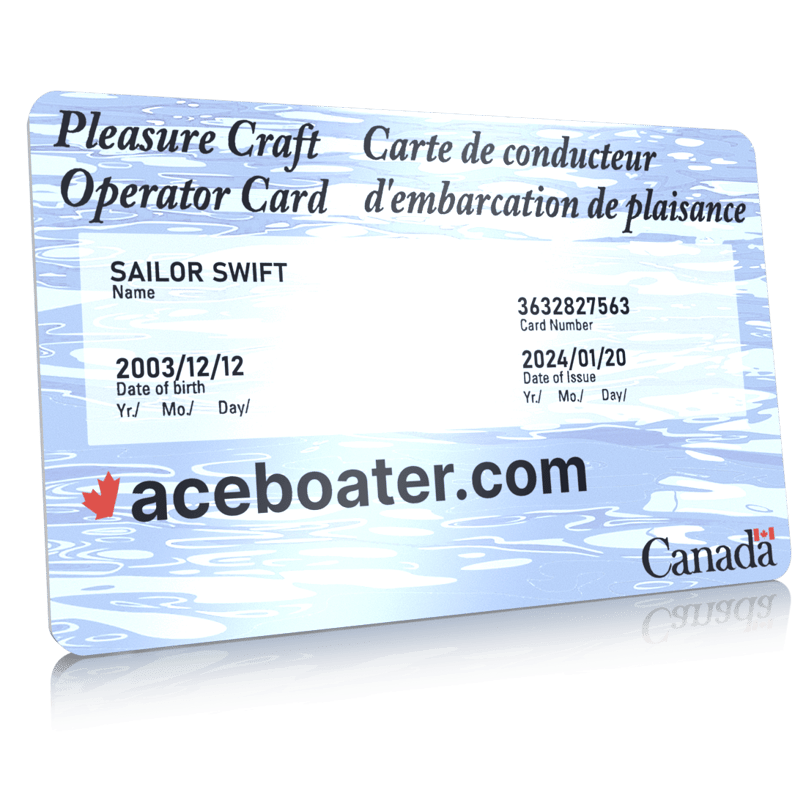
If your kayaking adventures are purely for leisure, a recreational kayaking license might be what you need. This type of license is often required in certain areas where water traffic is regulated to ensure safety.
Consider the lake where you first paddled—did you know some serene spots require permits to maintain environmental balance? A recreational license may involve a simple registration process, which can vary from state to state.
Check local guidelines to determine if your favorite kayaking spot mandates a license. It’s always better to be prepared than to face fines or restrictions.
Commercial Kayaking
Are you thinking of turning your kayaking passion into a business? Commercial kayaking licenses are essential for those who offer guided tours or rent out equipment.
This type of license often requires adherence to more stringent safety standards and insurance policies. Remember your friend who started a kayaking tour business last summer? They had to ensure every guide was certified and the gear met quality standards.
Obtaining a commercial kayaking license not only builds trust with clients but also provides legal protection. It’s an investment in your business’s credibility and longevity. Are you ready to take the plunge into the commercial world?
Safety Equipment Requirements
Kayaking offers a thrilling adventure on water. Safety is crucial for a smooth experience. Understanding the necessary safety equipment is vital. These items protect you and ensure compliance with regulations. Let’s explore the essential gear for kayaking safety.
Personal Flotation Devices
A Personal Flotation Device (PFD) is essential for every kayaker. It helps keep you afloat if you fall into the water. PFDs come in different sizes and styles. Choose one that fits comfortably. Make sure it is approved by the Coast Guard. Wearing a PFD is a simple way to stay safe.
Navigation Lights
Navigation lights are important for kayaking at night or in low visibility. They help others see you on the water. Use a white light visible from all directions. Attach it to your kayak or wear it on your body. This enhances your visibility and reduces collision risk.
Sound Signaling Devices
Sound signaling devices are useful for alerting others. A simple whistle can be very effective. It allows you to signal your location in foggy conditions. Keep the whistle within reach. It is an easy and affordable safety tool.
Credit: flatwaterkayakclub.com
Environmental Considerations
Kayaking offers a unique way to connect with nature. It lets you explore waterways closely and appreciate the beauty around you. While enjoying this sport, it’s important to consider the environmental impact. Kayaking in protected waters and being mindful of wildlife are crucial for preserving nature.
Protected Waters
Many areas have designated protected waters. These zones aim to conserve the natural environment. Kayaking in these regions requires adherence to specific rules. You might need a permit or follow guidelines. These measures prevent damage to fragile ecosystems. Respecting these rules helps maintain the beauty of these waters for future generations.
Wildlife Conservation
Kayaking often brings encounters with wildlife. Observing animals in their natural habitat is thrilling. But, it’s vital to keep a respectful distance. Disturbing wildlife can have negative effects. Noise or proximity may stress animals, affecting their behavior. Stay quiet and avoid sudden movements. This ensures your presence doesn’t disrupt their environment. Following wildlife conservation practices supports healthy ecosystems.
Where To Obtain A Kayaking License
Kayaking typically does not require a license. Local regulations may vary, so checking with regional authorities is wise. Some areas might ask for permits, especially for guided tours or certain protected waters.
When it comes to kayaking, understanding whether you need a license and where to obtain one can be a bit confusing. The requirements vary depending on your location and the type of water you plan to navigate. So, where do you start your search for a kayaking license? Let’s explore the most common places you can obtain one.Local Authorities
Your first stop should be checking with local authorities or governmental bodies responsible for water activities. These could be your city or county offices, or specific departments like Parks and Recreation. They often provide the most accurate information on licensing requirements in your area. In some places, you might find that no license is needed for non-motorized kayaks. However, other regions may require permits, especially if you’re planning to kayak in protected or high-traffic waterways. It’s worth a visit or a phone call to ensure you have the correct information.Online Certification Programs
In today’s digital age, online certification programs offer a convenient way to get a kayaking license if required. These platforms not only provide certification but also offer valuable courses on kayaking safety and skills. Websites like the American Canoe Association or British Canoeing often provide comprehensive online courses. These courses typically cover essential topics like navigation, safety, and environmental awareness, which can be crucial if you’re a beginner or planning to kayak in unfamiliar waters. Online programs can be particularly beneficial if you’re short on time or live far from local licensing offices. They provide flexibility, allowing you to complete your certification at your own pace. Ultimately, whether you need a license or not, these resources ensure that you’re well-prepared and knowledgeable, making your kayaking experience safer and more enjoyable. Have you considered where you’ll obtain your kayaking license? Exploring these options might just reveal the best path for your adventure.
Credit: flatwaterkayakclub.com
Training And Certification
Kayaking often doesn’t require a license, but training and certification can enhance safety and skills. Local regulations may vary, so checking with authorities is crucial.
Training and certification in kayaking offer valuable skills for enthusiasts. While a license is often not required, proper training ensures safety and enhances your experience on the water. Courses cover various aspects of kayaking, from basic skills to advanced techniques. Learning from certified professionals can make a significant difference in your confidence and ability.Basic Kayaking Skills
Mastering basic kayaking skills is essential for all paddlers. These skills include paddling strokes, steering, and balancing the kayak. Knowing how to enter and exit the kayak safely is crucial. Understanding how to use the paddle effectively can improve your control. Practicing these skills in calm waters is recommended before tackling more challenging conditions.Advanced Safety Techniques
Advanced safety techniques are vital for handling unexpected situations. Knowing how to perform a wet exit is important if the kayak capsizes. Learning to roll the kayak back upright can prevent accidents. Familiarize yourself with rescue procedures for self-recovery and assisting others. Understanding weather patterns and reading water conditions enhances safety during trips.Benefits Of Holding A Kayaking License
Holding a kayaking license can offer several benefits. It not only enhances your skills but also provides access to unique opportunities. Whether you’re a beginner or a seasoned paddler, a license can be a valuable asset.
Access To Restricted Areas
A kayaking license often grants entry to restricted areas. These places are usually off-limits to unlicensed paddlers. Licensed kayakers can explore pristine waters and hidden gems. This access can lead to breathtaking experiences and unforgettable adventures.
Improved Safety Awareness
With a kayaking license, your safety awareness improves significantly. Training for the license covers essential safety protocols. You learn about weather conditions, water currents, and emergency procedures. This knowledge helps you make informed decisions on the water.

Credit: www.facebook.com
Common Myths About Kayaking Licenses
Kayaking is a fantastic way to connect with nature and enjoy the serene beauty of water bodies. However, there’s a swirl of confusion around the need for kayaking licenses. Many myths cloud the truth, leaving enthusiasts puzzled about whether they need one. Let’s debunk some common myths to clear the waters.
Licenses For All Kayaks
A common misconception is that every kayak requires a license, irrespective of its type or size. In reality, licensing requirements vary significantly based on where you plan to paddle. While motorized kayaks might need documentation, most non-motorized kayaks are exempt in many regions.
Think about it—how often do you see a kayaker flashing a license on a remote lake or river? The lack of universal licensing underscores the diverse regulations worldwide. Always check local guidelines to ensure compliance, but don’t be surprised if your kayak can glide freely without paperwork.
Same Rules Everywhere
Another myth suggests that kayaking rules are uniform across all areas. This couldn’t be further from the truth. Regulations differ not just from country to country, but often state to state, and even lake to lake.
Consider this: you might paddle license-free in one region, but cross into another where a permit is mandatory. This inconsistency can lead to confusion, so it’s crucial to research the specific requirements of your destination. Have you ever faced unexpected rules while kayaking? It’s always an adventure navigating the regulatory waters!
While the myths surrounding kayaking licenses can be perplexing, understanding local regulations can help you paddle with peace of mind. So next time you’re heading out, ask yourself—are you prepared for the local licensing waters?
Legal Consequences Of Kayaking Without A License
Kayaking without a license can lead to fines and restrictions. Rules vary by location, so check local regulations. Staying informed about permits prevents legal issues and ensures a safe adventure.
Kayaking is an exhilarating way to explore nature, offering both adventure and tranquility. But before you set out on the water, it’s crucial to understand the legal consequences of kayaking without a license. Navigating these waters without the necessary legal documentation can have serious repercussions. You might think, “It’s just kayaking, what could go wrong?” The truth is, ignoring licensing requirements could lead to fines, impact your insurance, and more. Let’s dive into what could happen if you overlook these legalities.Fines And Penalties
Skipping the license can be costly. Authorities may impose fines on those caught kayaking without proper documentation. For instance, in some regions, penalties could range from $50 to $500, depending on local laws and the severity of the infraction. Think of it as an unexpected expense that could easily be avoided. Besides the financial burden, being penalized might also affect your record, potentially complicating future kayaking or boating activities.Insurance Implications
Insurance is another critical factor. If you’re involved in an accident while kayaking without a license, your insurance might not cover the damages. This could leave you financially responsible for repairs, medical bills, or other liabilities. Imagine being in a situation where you have to pay out of pocket because your policy doesn’t support unauthorized activities. It’s a risk not worth taking. Having the right insurance coverage can also provide peace of mind, knowing you’re protected in unforeseen circumstances. Always check with your insurer about specific kayaking coverage, and ensure you’re within legal boundaries to maintain that protection.Frequently Asked Questions
Do You Need A License For Your Kayak?
You might need a kayak license depending on your location and waterway regulations. Check local laws for requirements. Some areas mandate registration, while others don’t. It’s essential to verify rules before kayaking. Always prioritize safety and compliance with local authorities.
Do Kayaks Need To Be Registered In Tx?
Kayaks in Texas do not require registration if they are non-motorized. Motorized kayaks must be registered. Always carry safety equipment while kayaking. Check local regulations for any updates or specific requirements.
What Is Required To Kayak In Ohio?
To kayak in Ohio, you need a life jacket and kayak registration. Follow local rules and regulations. Check water conditions and weather forecasts. Always prioritize safety while kayaking.
Do I Need To Register A Kayak In Wa?
In Washington state, you do not need to register non-motorized kayaks. However, motorized kayaks require registration. Always check local regulations for updates.
Conclusion
Kayaking offers fun and adventure on the water. Licenses depend on location and rules. Some places require them, others don’t. Always check local regulations before heading out. Safety is crucial, so wear life jackets and follow guidelines. Whether you’re a beginner or expert, kayaking is a rewarding experience.
Respect the environment and enjoy the beauty around you. Prepare your gear, know the rules, and have an amazing time paddling. Happy kayaking!