
Do you ever wonder if you really need a life vest while kayaking? Picture this: a serene day on the water, the gentle rhythm of your paddle, and the feeling of freedom.
But beneath the calm surface lies an unpredictable element. Your safety should never be an afterthought. This article explores why wearing a life vest is crucial, even when the water seems inviting. By understanding the hidden risks and the peace of mind a life vest offers, you can make informed decisions for your next kayaking adventure.
Stick around to discover how this simple choice can transform your experience on the water.
Importance Of Life Vests
Wearing a life vest in a kayak is crucial for safety. It provides buoyancy and helps prevent drowning. Even experienced paddlers can face unexpected challenges on water.
The importance of life vests in kayaking cannot be overstated. They are essential for ensuring safety and compliance while enjoying this thrilling water sport. Wearing a life vest isn’t just about ticking off a safety checklist; it’s about being prepared for the unexpected challenges that water can present.Safety In Water Sports
Safety should always be your top priority when engaging in water sports like kayaking. Whether you’re a beginner or an experienced paddler, the water’s unpredictable nature can catch anyone off guard. A life vest provides buoyancy, helping you stay afloat if you capsize or fall into the water unexpectedly. Imagine paddling through a serene river, the sun shining warmly on your back. Suddenly, a strong current sweeps your kayak sideways. In such moments, a life vest becomes your best ally, ensuring that you stay above water and can regain your composure. Kayaking might seem safe on calm waters, but conditions can change rapidly. A sudden gust of wind or an unexpected wave can tip your kayak. Wearing a life vest means you’re prepared, reducing the risk of drowning or injury.Legal Requirements
Understanding the legal requirements for life vests in kayaking is crucial. Most regions have specific regulations mandating the use of personal flotation devices (PFDs) like life vests. Failing to comply could not only put your life at risk but also result in fines or penalties. For example, in the United States, the U.S. Coast Guard requires that each kayaker has a U.S. Coast Guard-approved life vest on board. Some states take it a step further, insisting that you wear it at all times while on the water. These legal requirements aren’t just bureaucratic red tape. They’re in place because accidents can happen to anyone, regardless of skill level. By wearing a life vest, you show respect for both the law and your safety.
Credit: www.reddit.com
Types Of Life Vests
Choosing the right life vest for kayaking ensures safety on the water. Different types include inflatable vests, inherently buoyant vests, and hybrid vests. Each offers unique features like comfort, buoyancy, and mobility, catering to various kayaking needs and preferences.
When you’re out on the water, safety should be your top priority. Choosing the right life vest for kayaking can make a world of difference. But with so many types available, which one should you pick? Each type has its unique features, benefits, and drawbacks. Let’s dive into the different types of life vests to help you make an informed decision.Inflatable Vests
Inflatable vests are lightweight and comfortable, making them a popular choice among kayakers. They offer maximum mobility, allowing you to paddle without restriction. These vests inflate either manually or automatically upon water immersion, providing buoyancy when needed. However, they require regular maintenance and checking to ensure functionality. Would you trust an inflatable vest in a sudden emergency, or do you prefer something more reliable?Foam Vests
Foam vests are the traditional option, known for their durability and reliability. They provide constant buoyancy without needing any activation, making them ideal for rough waters or unpredictable weather. Foam vests often come with multiple pockets, perfect for storing small essentials. Despite their bulkier design, they offer peace of mind with consistent performance. Have you ever felt the reassurance of a foam vest in turbulent waters?Hybrid Vests
Hybrid vests combine the best of both worlds—offering the compactness of inflatables with the reliability of foam. They provide backup foam buoyancy in case the inflatable element fails. This makes them a versatile choice for kayakers who venture into varying conditions. While hybrids may come at a higher price, they offer flexibility and security. Is the added assurance of a hybrid worth the investment for your kayaking adventures? Choosing the right life vest is not just about comfort; it’s about choosing safety and peace of mind. Which type aligns best with your kayaking needs and style?Choosing The Right Vest
Selecting the right life vest for kayaking is essential for safety on the water. Choose a vest designed for kayaking, ensuring it fits comfortably and provides adequate buoyancy. Prioritize vests with adjustable straps for a secure fit during your paddling adventures.
Choosing the right life vest for kayaking isn’t just about safety; it’s about ensuring comfort and freedom of movement while you’re out on the water. A well-chosen vest can make a significant difference in your paddling experience, providing you with peace of mind and allowing you to focus more on enjoying the journey. But how do you select the perfect one?Size And Fit
A life vest that fits well is crucial. Imagine kayaking with a vest that’s either too tight or too loose—uncomfortable, right? To get the right fit, measure your chest size and compare it with the manufacturer’s sizing chart. Consider trying on different sizes, as brands can vary. The vest should be snug but allow you to paddle freely. If you can slip more than two fingers between the vest and your body, it might be too loose.Material And Durability
The material of your life vest impacts both its durability and comfort. Nylon and neoprene are common choices. Nylon vests are usually lighter and less expensive, making them a good option for beginners or casual kayakers. Neoprene vests, on the other hand, offer more warmth and comfort but at a higher price. Think about your kayaking environment—if you’re in colder waters, neoprene might be worth the investment. Look for vests with reinforced stitching and quality zippers to ensure they last through your adventures. Have you ever paddled without considering the durability of your gear? It’s a lesson learned quickly when equipment fails. Choosing the right material not only enhances your kayaking experience but also ensures longevity and safety.Kayaking Risk Factors
Wearing a life vest in a kayak is crucial for safety. Water conditions can change quickly, increasing risk. A life vest ensures buoyancy and protection against unexpected hazards.
Kayaking is an exciting adventure. But it comes with risks. Understanding these risks is crucial. It helps you stay safe on the water. Some factors make kayaking more dangerous. These include water conditions and skill level.Water Conditions
Water conditions change quickly. Calm lakes might become rough. Rivers have strong currents. Ocean waves are unpredictable. All these affect your safety. Check the weather forecast before you go. Look for signs of storms or strong winds. Rain can also make conditions tough. Wear a life vest to stay safe in any water.Skill Level
Your skill level matters. Beginners face more challenges. They might struggle in rough waters. Experienced kayakers handle difficult conditions better. Practice regularly to improve your skills. Start in calm waters. Gain confidence before trying harder routes. Always wear a life vest, no matter your skill level. It ensures safety for everyone.Life Vest Features
Life vests in kayaks ensure safety on water. Essential features include adjustable straps, buoyant material, and reflective strips. They help you stay afloat, visible, and secure during kayaking adventures.
Life vests are essential safety gear for kayaking. They offer more than just buoyancy. Choosing the right life vest is crucial. Key features enhance your experience on the water.Visibility
Visibility is a top feature. Bright colors and reflective strips help. They make you noticeable in the water. This is vital for safety. During emergencies, rescue teams spot you quickly. Choose a vest with high visibility. It increases your chances of being seen.Comfort And Mobility
Comfort and mobility are essential. A good fit ensures you can paddle freely. Look for adjustable straps. They help customize the fit. Lightweight materials improve comfort. Breathable fabrics prevent overheating. These features make long hours on the water enjoyable.Emergency Situations
Kayaking is a thrilling adventure, but it can quickly turn into a nerve-racking experience during emergency situations. Safety should be your top priority, especially when you are navigating unpredictable waters. A life vest isn’t just an accessory—it’s your lifeline when things go awry. Whether you’re a seasoned paddler or a beginner, understanding the importance of wearing a life vest in emergencies could be the difference between life and death.
Capsizing
Capsizing is one of the most common risks in kayaking. Imagine you’re paddling through a serene lake, when suddenly your kayak flips over. In such moments, panic often takes over. A life vest provides buoyancy, allowing you to focus on getting back to safety rather than struggling to stay afloat. Have you ever tried swimming fully clothed? It’s tougher than it sounds. With a life vest, you can conserve energy, making it easier to flip your kayak back or reach the shore.
Weather Changes
Weather can change in the blink of an eye, especially on open waters. A sunny day can quickly turn into a stormy nightmare. Strong winds and rain can make maneuvering your kayak challenging. In such conditions, a life vest becomes crucial. It ensures that even if the kayak tips over, you remain buoyant and visible to rescue teams. Have you checked the weather forecast before setting out? It might save you a lot of trouble. But if unexpected weather hits, a life vest is your best ally.
Safety Tips For Kayakers
Wearing a life vest in a kayak is essential for safety. It provides buoyancy and support in emergencies. Ensure your vest fits well and meets safety standards.
Kayaking is an exciting adventure. Yet, safety is crucial. Wearing a life vest is important. It is your first line of defense. Here are some safety tips for kayakers to ensure a secure journey.Checking Equipment
Before setting off, inspect your kayak. Ensure there are no leaks or damage. A well-maintained kayak offers better protection. Examine your paddle for any cracks or weaknesses. A sturdy paddle helps in navigating safely. Verify your life vest is in good condition. It should fit snugly without being too tight. Check for any signs of wear and tear. Reliable equipment enhances your safety.Planning Your Route
Choose a route that matches your skill level. Avoid challenging waters if you are a beginner. Study the weather forecast before heading out. Sudden storms can be dangerous. Know the water currents in your chosen area. Fast currents can be challenging to manage. Inform someone about your route plan. They should know your estimated return time. This ensures help arrives if needed. Proper planning reduces risks significantly.
Credit: m.facebook.com
Common Misconceptions
Many think wearing a life vest in a kayak is unnecessary. These ideas often stem from common misconceptions. It’s crucial to address these myths to ensure safety. Let’s debunk them together.
Experienced Kayakers
Experienced kayakers often skip wearing life vests. They believe their skills will keep them safe. Skills are important, but water is unpredictable. Even experts face unexpected challenges. Sudden weather changes can occur. Currents can be stronger than expected. Safety should always come first.
Short Distances
Some think short trips don’t need life vests. They assume close proximity to shore ensures safety. But accidents happen quickly. A minor mishap can lead to danger. Water temperature and fatigue also play roles. Wearing a life vest is always wise. It provides peace of mind and security.
Credit: www.wholesalemarine.com
Frequently Asked Questions
Do I Need A Life Vest To Kayak?
Yes, wearing a life vest while kayaking is essential for safety. Many places legally require it. A life vest provides buoyancy and can save your life in case of an accident. Always choose a properly fitting life vest for comfort and effectiveness.
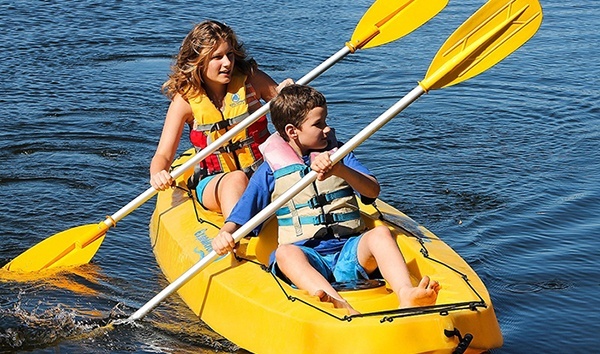
Prioritize safety when kayaking by wearing a life vest.
Is A Life Vest Mandatory For Kayaking?
Wearing a life vest while kayaking is highly recommended. It enhances safety in case of unexpected falls. Many regions legally require it. Regardless of skill level, a life vest is crucial for personal safety.
Can You Kayak Without A Life Vest?
While you technically can kayak without a life vest, it’s not advisable. Life vests provide essential safety. They help in emergencies, ensuring you stay afloat in the water. Always prioritize safety over convenience.
What Type Of Life Vest Is Best For Kayaking?
Choose a life vest specifically designed for kayaking. They offer greater mobility and comfort. Look for vests with adjustable straps and breathable materials. Ensure it fits snugly but comfortably.
Conclusion
Wearing a life vest in a kayak ensures safety. It’s crucial. Even experienced paddlers face unexpected situations. Water conditions can change quickly. A life vest offers peace of mind. It keeps you afloat during accidents. Simple safety measures can save lives.
Always prioritize your safety on water. Equip yourself with a reliable life vest. Every kayaking adventure deserves safe preparation. Stay safe and enjoy the journey.