
Are you ready to explore the serene waters on your kayak? Before you paddle away, there’s one crucial question you need to answer: Do you need a life jacket for kayaking?
It might seem straightforward, but the answer can be more complex than you think. This decision impacts your safety and peace of mind on the water. You’ll discover why wearing a life jacket is not just a recommendation but a necessity.
We’ll unpack everything from legal requirements to the vital role life jackets play in keeping you safe. Stay with us to ensure your kayaking adventures are as safe as they are thrilling. Your safety is worth every moment of your attention.
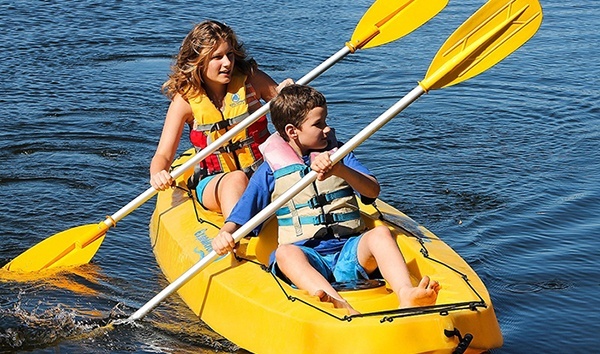
Credit: www.wholesalemarine.com
Importance Of Life Jackets
Life jackets are vital for safety during kayaking adventures. They offer protection against drowning, providing buoyancy and keeping you afloat. Wearing a life jacket is essential, whether you’re a beginner or an expert kayaker. It ensures you stay safe in unpredictable water conditions. Let’s explore the importance of life jackets in more detail.
Role In Preventing Drowning
Life jackets play a crucial role in preventing drowning. They keep your head above water, allowing you to breathe. This is especially important in rough waters or if you become unconscious. Life jackets help you remain visible to rescuers. Visibility is key in emergencies.
For those who can’t swim, life jackets provide needed flotation. They make kayaking safer and more enjoyable. Everyone should wear a life jacket to reduce risks. Even strong swimmers need this protection.
Legal Requirements
Many regions have laws requiring life jackets for kayaking. These laws aim to protect individuals from accidents. Not wearing a life jacket can lead to fines. Compliance ensures safety and avoids penalties.
Regulations vary by location and age. It’s important to know the rules where you kayak. Ensure your life jacket is approved and fits properly. This guarantees it meets legal standards and offers full protection.

Credit: m.facebook.com
Types Of Life Jackets
Choosing the right life jacket for kayaking is crucial. Different types include Type III, ideal for paddlers, and Type V, offering specific features for kayaking activities. Ensure your jacket fits well and provides comfort for long hours on the water.
Choosing the right life jacket for kayaking can be a daunting task, given the variety of options available. Each type offers unique benefits tailored to different kayaking experiences. Whether you’re navigating calm lakes or tackling whitewater rapids, understanding the types of life jackets can make your kayaking adventure safer and more enjoyable.Inflatable Vs Foam
Inflatable life jackets are popular for their lightweight and compact design. They inflate either manually or automatically when submerged in water. This type is favored by those who prefer minimal bulk and maximum flexibility. However, they require regular maintenance and are not suitable for high-impact water activities. Foam life jackets, on the other hand, are known for their reliability and constant buoyancy. They do not need to be activated and provide immediate flotation support. Foam jackets are ideal for kayaking in rough waters where you may need immediate assistance. However, they can be bulkier, which might restrict your movement slightly.Selecting The Right Fit
Finding the right fit for your life jacket is crucial. A poorly fitting jacket can hinder your movement and may not provide adequate safety. Make sure the jacket is snug but comfortable, allowing for full range of motion. Consider your clothing layers. If you’re kayaking in colder climates, you’ll likely be wearing additional layers, so ensure your life jacket accommodates this. Adjustability is key—look for jackets with adjustable straps to customize the fit. Try on different styles. Everyone’s body shape is different, and what works for one person may not work for another. Visit a store and test several life jackets to find the one that feels right for you. Remember, comfort is just as important as safety. Have you ever felt restricted by your life jacket while paddling? Finding the right balance between safety and comfort can transform your kayaking experience.Life Jacket Features
Life jackets for kayaking must ensure buoyancy, a snug fit, and freedom of movement. Essential features include adjustable straps and durable material. Reflective elements enhance visibility in low-light conditions, making these jackets crucial for safety on the water.
When you’re kayaking, your life jacket is more than just a legal requirement; it’s your lifeline. Choosing the right one can be the difference between a joyful adventure and a precarious situation. Life jackets are designed with specific features that enhance safety and comfort. Knowing these features can empower you to make an informed choice.Buoyancy Rating
The buoyancy rating of a life jacket is crucial because it determines how well it can keep you afloat. Life jackets are typically rated in pounds of buoyancy. Most adult-sized jackets provide at least 15.5 to 22 pounds, which is enough to keep most people afloat in calm waters. Consider your weight and the conditions you’ll be kayaking in. If you’re venturing into turbulent waters, you might need a jacket with higher buoyancy. Always check the label to ensure it meets the safety standards required for your specific activity.Comfort And Mobility
A life jacket should not only be safe but also comfortable enough for long hours on the water. Look for designs that offer adjustable straps and a snug fit. This ensures that the jacket stays in place without restricting your movement. Some life jackets come with features like breathable mesh panels and lightweight materials. These can make a world of difference, especially on hot days. Imagine paddling effortlessly, your jacket moving with you rather than against you. Have you ever had a life jacket that felt more like a straightjacket? The right fit and features can prevent this, allowing you to focus on the thrill of kayaking rather than constant discomfort.Proper Usage Of Life Jackets
Ensuring the proper usage of life jackets while kayaking is crucial for your safety. A life jacket can be a lifesaver, quite literally, in the event of an unexpected capsize or emergency. Yet, many people overlook the importance of wearing it correctly and maintaining it well, which can significantly diminish its effectiveness.
Correct Way To Wear
Wearing a life jacket correctly ensures it works when you need it the most. Start by selecting a jacket that fits snugly but comfortably. If it’s too loose, it might slip off during a fall.
Adjust the straps to fit your body tightly. You should be able to fit a finger between your shoulder and the jacket, but no more. Consider a personal experience where a snug fit saved me from slipping out during a sudden flip in the river. Would your life jacket stay on if you fell out of your kayak?
- Always secure all buckles and zippers.
- Ensure the jacket is not riding up or chafing.
- Check the buoyancy rating matches your weight and the water conditions.
Maintenance Tips
Proper maintenance extends the life of your life jacket and keeps it functional. After each use, rinse it with fresh water to remove salt or dirt. Allow it to air dry completely before storing.
Avoid placing it in direct sunlight or near heat sources, as this can degrade the material. Think about the last time you checked your life jacket for wear and tear. A small tear can compromise its safety.
- Inspect for any signs of damage regularly.
- Store in a cool, dry place away from chemicals and sharp objects.
- Replace life jackets every few years, or sooner if there are signs of wear.
By focusing on the correct usage and maintenance of your life jacket, you prioritize your safety on the water. Are you prepared to make these small adjustments to ensure you’re protected on your next kayaking adventure?
Safety Tips For Kayaking
Kayaking is an exciting way to explore the great outdoors. Safety should always come first. Whether you are a beginner or an experienced paddler, knowing the safety tips is crucial. These tips ensure a safe and enjoyable kayaking experience. Wearing a life jacket is just one aspect of staying safe. Let’s dive into other important safety measures.
Weather Awareness
Always check the weather forecast before heading out. Sudden changes can be dangerous. Look for signs of bad weather like dark clouds or strong winds. Carry a weather radio or a reliable app for updates. Avoid kayaking during thunderstorms or high winds. Clear skies and calm waters are best for a safe trip.
Communication And Signals
Communication with fellow kayakers is vital. Use hand signals to convey messages. Simple gestures can signal stop, danger, or need for help. Carry a whistle or a waterproof communication device. This helps in emergencies. Never kayak alone, if possible. Having a buddy ensures someone is there to help if needed.
Common Mistakes To Avoid
Kayaking can be thrilling, but safety is crucial. Many overlook important aspects when choosing a life jacket. Avoiding common mistakes ensures a safer experience on the water.
Ignoring Size Guidelines
A life jacket must fit properly to work effectively. Many people pick one without checking size charts. A loose jacket can slip off in the water. A tight jacket can restrict movement. Always measure your chest and weight before buying. Follow manufacturer guidelines for the best fit.
Neglecting Regular Checks
Life jackets can wear out over time. Regular checks are essential to ensure safety. Look for frayed straps or damaged buckles. Check the flotation material for leaks or cracks. Replace a jacket showing signs of wear. Perform checks before each kayaking trip. This ensures the jacket will function properly when needed.
Expert Advice On Kayaking Safety
Kayaking offers a thrilling way to explore nature, but safety should always be a priority. A crucial aspect of kayaking safety is wearing a life jacket. Whether you’re a beginner or seasoned kayaker, expert advice on safety practices can make your adventure more enjoyable and secure. Let’s delve into some recommended practices, supported by real-life testimonials, to ensure you make the most of your kayaking experience.
Recommended Practices
- Always wear a life jacket. It should fit snugly but allow freedom of movement.
- Check the weather and water conditions before heading out. This can prevent unexpected surprises.
- Carry a whistle or signaling device. It’s a simple tool that can make a big difference in emergencies.
- Learn basic paddling techniques and rescue procedures. This knowledge enhances your confidence and safety.
- Inform someone of your kayaking plans. Share your route and expected return time.
Have you ever thought about how a small oversight could turn an adventure into a challenge? By following these practices, you can ensure that your kayaking journey remains safe and enjoyable.
Real-life Testimonials
Consider John’s experience from his last kayaking trip. “I thought I didn’t need a life jacket on calm waters,” he recalls, “But when my kayak tipped unexpectedly, I was grateful I had it on.” His story highlights the unpredictable nature of water adventures.
Then there’s Sarah, who always checks the weather before heading out. “One time, I ignored a storm warning,” she admits. “The winds picked up, and it became a struggle to paddle back.” Her tale serves as a reminder of the importance of preparation.
These testimonials underline a simple truth: safety measures are not just guidelines; they’re lifelines. How do you prepare for your kayaking trips, and are you taking all necessary precautions?
Credit: wyattdowling.ca
Frequently Asked Questions
Do I Need A Life Jacket In A Kayak?
Yes, wearing a life jacket in a kayak is essential for safety. Many regions legally require it. It helps keep you afloat in emergencies and provides peace of mind. Always choose a life jacket that fits well and is U.
S. Coast Guard-approved for optimal protection.
Do You Need A Life Jacket For Kayaking?
Yes, wearing a life jacket while kayaking is essential for safety. It helps keep you afloat if you fall into the water. Even experienced kayakers should wear a life jacket, as unexpected situations can occur. Always choose a life jacket that fits well and meets safety standards.
What Type Of Life Jacket Is Best For Kayaking?
For kayaking, a comfortable and snug-fitting life jacket is ideal. Look for a design that allows freedom of movement. Consider a life jacket with multiple adjustment points to ensure a secure fit. It’s crucial that the life jacket is Coast Guard-approved for safety compliance.
Can You Kayak Without A Life Jacket?
While it’s possible, kayaking without a life jacket is risky and not recommended. Life jackets are crucial for safety, especially in emergencies. Many regions have legal requirements for wearing life jackets while kayaking. Always prioritize your safety by wearing a life jacket, regardless of skill level.
Conclusion
Life jackets are crucial for kayaking safety. They provide buoyancy and support. Weather and water conditions can change quickly. Staying safe should be your top priority. Life jackets protect against unexpected risks. They can save lives during emergencies. Choose a comfortable, well-fitting jacket.
This ensures you can focus on fun. Always check local safety regulations. These rules often require life jackets. Remember, safety first enhances the kayaking experience. Better safe than sorry. Enjoy your adventure with peace of mind. Keep safety gear close and stay alert.
Your safety matters more than anything else.