

Picture this: a serene day out on the water, the gentle rhythm of your paddle slicing through the calm surface, surrounded by nature’s beauty. You’re in your kayak, feeling the thrill of adventure mixed with tranquility.
But, have you ever paused to consider the importance of safety amidst this idyllic setting? The question of whether you need a life jacket on a kayak isn’t just about following rules—it’s about ensuring your safety and peace of mind.
As you read on, you’ll discover why this simple piece of gear is crucial for every kayaking trip, and how it can make your experience not only safer but also more enjoyable. Dive in to uncover insights that might just change the way you approach your next kayaking adventure.
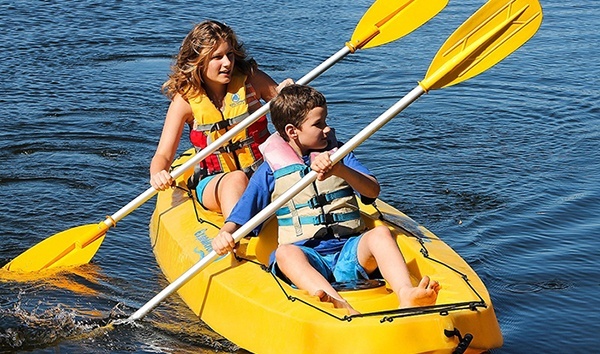
Credit: www.wholesalemarine.com
Legal Requirements
Life jackets are essential for kayakers in many places. Most laws require wearing them for safety. Always check local regulations before heading out on the water.
Navigating the legal waters of kayaking safety is crucial for any paddler. One essential aspect is understanding the legal requirements surrounding life jackets. These rules vary, influenced by federal regulations and state-specific mandates. Knowing these can save you from potential fines and ensure your safety on the water.Federal Regulations
The United States Coast Guard mandates that every vessel, including kayaks, must have a life jacket for each person onboard. These life jackets need to be U.S. Coast Guard-approved and in good, serviceable condition. The law is clear: if you’re on the water, a life jacket should be within easy reach. But here’s a question—do you always wear it, or is it enough to just have it onboard?State-specific Rules
States can enforce their own rules, which might be stricter than federal guidelines. In California, for instance, children under 13 must wear life jackets at all times on a kayak. Meanwhile, in New York, the rule extends to all paddlers from November to May, regardless of age, due to colder water temperatures. So, before hitting the water, check your state’s regulations. You wouldn’t want your peaceful day on the lake interrupted by a fine or, worse, a preventable accident.Safety Benefits
Life jackets are more than just a legal requirement when kayaking; they are your lifeline in unpredictable waters. Their primary role is to ensure your safety by keeping you buoyant and reducing the risk of drowning. But how do life jackets provide these safety benefits in specific scenarios?
Risk Of Capsizing
Kayaks, by nature, are prone to capsizing. Even experienced kayakers can find themselves upside down due to unexpected waves or a sudden shift in weight. A life jacket can save you precious seconds in these situations by keeping you afloat immediately. It eliminates the panic of struggling to stay above water, allowing you to focus on righting your kayak or signaling for help.
Weather And Water Conditions
Weather and water conditions can change rapidly, turning a calm paddling session into a challenging experience. Wind can whip up waves, and rain can decrease visibility. A life jacket acts as your security blanket, ensuring that even if the weather turns, you have the best chance of staying afloat and visible. Have you ever considered how quickly hypothermia can set in if you’re submerged? A life jacket helps reduce heat loss, keeping you a bit warmer until rescue arrives.
Types Of Life Jackets
Kayaking is a great adventure, but safety is key. Life jackets are essential for a safe experience. Different types of life jackets suit various needs. Each type offers unique benefits. Choosing the right one ensures comfort and security.
Inflatable Life Jackets
Inflatable life jackets are compact and lightweight. They don’t restrict movement while paddling. These jackets inflate with a pull cord or automatically upon water contact. They provide high buoyancy when inflated. Maintenance is crucial for reliability. Regular checks ensure they function properly.
Standard Foam Life Jackets
Standard foam life jackets are durable and reliable. Made from buoyant foam, they provide constant flotation. No activation is needed; they work immediately. Available in various sizes, they offer a snug fit. They are ideal for beginners due to simplicity. Easy to maintain and often more affordable.

Credit: m.facebook.com
Choosing The Right Life Jacket
Paddling a kayak safely requires a life jacket. It protects you in case of unexpected falls into the water. Choose a jacket designed for kayaking for comfort and mobility.
Choosing the right life jacket for your kayaking adventures is crucial for both safety and enjoyment. Not all life jackets are created equal, and selecting one that fits your needs can make a significant difference. Whether you’re a beginner or an experienced kayaker, understanding what to look for can transform your time on the water.Size And Fit
A life jacket should fit snugly but comfortably. It should not ride up when you move or, worse, when you’re in the water. Check the manufacturer’s size guide and try on different sizes to find your perfect match. When I first started kayaking, I borrowed a life jacket from a friend, thinking it would do the trick. It was too loose and floated up around my neck, making paddling awkward and uncomfortable. Lesson learned: always ensure a proper fit.Comfort And Mobility
Comfort is key when you’re spending hours on the water. Look for life jackets with adjustable straps that allow you to customize the fit. Soft, flexible materials will enhance comfort and prevent chafing. Mobility is equally important. A bulky life jacket can restrict your arm movements, making paddling challenging. Opt for designs with large armholes and a shorter length that allow you to move freely. Imagine you’re navigating through a series of rapids—your life jacket shouldn’t be a hindrance but a help. Ensure it supports your adventure, not limits it. What are your thoughts on balancing safety and comfort in a life jacket? The right choice can enhance your kayaking experience tenfold.Storage And Maintenance
Proper storage and maintenance of life jackets on a kayak ensure safety and longevity. Keep them dry and check for damage regularly. Proper care enhances performance, making your kayaking experience safer.
Life jackets are essential safety gear for kayaking adventures. Proper storage and maintenance ensure their longevity and effectiveness. This guide explores the best practices for storing and maintaining life jackets.Proper Storage Techniques
Life jackets need careful storage to stay in top condition. Keep them in a cool, dry place, away from direct sunlight. Hang them on a hook or lay them flat to prevent creases. Avoid placing heavy objects on them. This prevents the foam from becoming deformed. Inspect them regularly for mold or mildew. This helps maintain their integrity and safety features.Regular Maintenance Checks
Routine checks are vital for life jacket upkeep. Inspect the fabric and straps for wear and tear. Check the buoyancy material for damage or leaks. Test the fasteners to ensure they work properly. Clean them with mild soap and water to remove dirt and salt. Rinse thoroughly to prevent residue buildup. Let them air dry completely before storing. Regular checks ensure they perform well when needed most.Alternatives And Accessories
Exploring kayaking gear might lead you to ponder life jackets. Essential for safety, they offer peace of mind on water. Various styles and accessories enhance comfort and functionality, ensuring a secure and enjoyable kayaking experience.
When embarking on a kayaking adventure, the question of safety gear often arises, especially concerning life jackets. While life jackets are undeniably crucial, there are alternatives and accessories that can enhance your safety and comfort on the water. Exploring these options can provide you with more flexibility and personalized safety measures, making your kayaking experience even more enjoyable and secure.Life Jacket Alternatives
You might wonder if traditional life jackets are the only option available to ensure your safety. Fortunately, there are innovative alternatives that cater to different preferences and needs. One popular choice is the inflatable belt pack. This compact device wraps around your waist and can be inflated manually when needed. It’s less restrictive and offers more freedom of movement, which is ideal for those who find traditional life jackets bulky or uncomfortable. Another option is the buoyancy aid. These are typically lighter and less cumbersome than life jackets, providing buoyancy without the bulk. They are perfect for skilled swimmers who need minimal assistance in the water. Consider personal flotation devices (PFDs) that are designed for specific water activities. These are tailored to provide the necessary support without compromising agility, making them a favorite among seasoned kayakers.Additional Safety Gear
Beyond life jackets, there is a plethora of accessories that can enhance your safety on the water. Adding these to your kayaking gear can make a significant difference in your preparedness for unexpected situations. A whistle is a simple yet effective tool that can help you signal for help if needed. It’s lightweight and can be easily attached to your gear for quick access. A waterproof flashlight is another essential item. Whether you’re kayaking during early morning hours or in the evening, having a flashlight can help you navigate and signal in low-light conditions. Consider wearing a helmet, especially when kayaking in rough waters or areas with obstacles. Protecting your head from potential impacts is crucial and often overlooked. Lastly, a dry bag can keep your essentials safe and dry. Whether it’s your phone, snacks, or a first-aid kit, having a dry bag ensures that your items remain functional and accessible. As you prepare for your kayaking trip, ask yourself: What combination of gear will make you feel safest and most comfortable? By considering alternatives and additional accessories, you can tailor your safety equipment to match your personal needs and kayaking style.Common Misconceptions
Many people have misconceptions about life jackets and kayaking. These misunderstandings can lead to dangerous situations. It’s important to clear up these myths for safer kayaking adventures.
Overconfidence In Skill
Some kayakers believe they are too skilled to need a life jacket. They feel experienced enough to handle any situation without one. This overconfidence can be risky. Even expert kayakers face unexpected challenges on the water. A sudden change in weather or a hidden obstacle can surprise anyone. Wearing a life jacket ensures safety, regardless of skill level.
Misunderstanding Water Conditions
Many kayakers underestimate water conditions. Calm water may appear safe, but it can change quickly. Tides and currents can be unpredictable. They can turn a peaceful outing into a dangerous situation. A life jacket provides crucial protection in these unexpected scenarios. Understanding water conditions is essential, but always wearing a life jacket offers extra safety.

Credit: www.facebook.com
Frequently Asked Questions
Can You Use A Kayak Without A Life Jacket?
Using a kayak without a life jacket is risky. Safety regulations often require wearing one. Life jackets save lives in emergencies. Always prioritize safety on water. Check local laws for specific requirements. Kayaking with proper gear ensures a safer experience.
Do Kayakers Need To Wear Life Jackets?
Yes, kayakers are often required to wear life jackets by law. Life jackets provide essential safety by keeping you buoyant in emergencies. Wearing one can prevent drowning and is crucial for both beginners and experienced kayakers.
What Type Of Life Jacket Is Best For Kayaking?
The best life jacket for kayaking is a Type III PFD. These are designed for water sports and offer comfort and mobility. They ensure safety without restricting movement, making them ideal for paddling activities.
Are Life Jackets Mandatory For Kayaking In All States?
Life jacket laws vary by state, but many require wearing them while kayaking. It’s essential to check local regulations before kayaking. Compliance ensures safety and avoids potential fines.
Conclusion
Choosing the right gear ensures safety on the water. Life jackets are crucial for kayaking adventures. They protect and provide peace of mind. Stay safe and prepared. Weather changes can surprise, making life jackets essential. Always wear your jacket before setting out.
Enjoy your time on the water with confidence. Safety first, fun second. Remember, a life jacket can save lives. Don’t compromise on safety. Make every kayak trip safe and enjoyable. Happy paddling!





