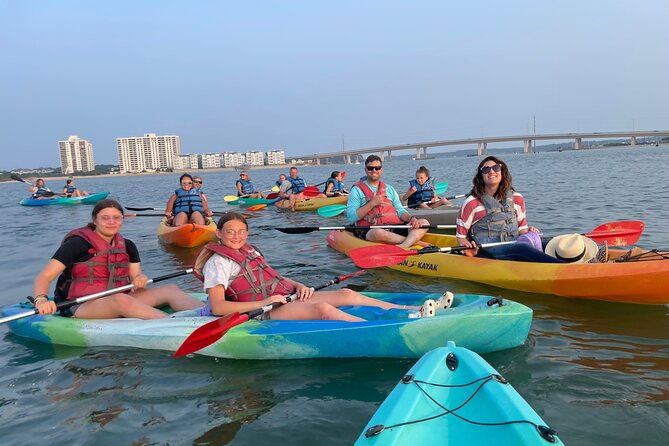
Picture this: you’re gliding across a serene lake, the gentle rhythm of your paddle setting the pace, surrounded by the beauty of nature. Kayaking offers this magical experience and more.
But here’s the big question on your mind: “Do you need to know how to swim to kayak? ” It’s a common concern, and you’re not alone in wondering. You might be imagining the thrill of the water but hesitate because swimming isn’t your strong suit.
Don’t worry, you’re in the right place. This article will clear up your doubts and help you decide if kayaking is right for you, even if you’re not a confident swimmer. Stick around, and by the end, you’ll have a clearer picture of what’s truly necessary to enjoy this exciting water activity safely. Let’s dive into the details (pun intended) and discover how you can embrace kayaking with confidence.

Credit: theabroadguide.com
Kayaking Basics
Kayaking is an exciting way to explore the great outdoors, offering both tranquility and adventure. But what if you don’t know how to swim? Is it still possible to enjoy this water sport safely? Understanding the basics of kayaking can help you decide if it’s the right activity for you. Let’s dive into some essential aspects of kayaking that you should know before hitting the water.
Types Of Kayaks
Choosing the right kayak is crucial for a comfortable experience. There are several types to consider, each designed for different environments and activities:
- Recreational Kayaks:Ideal for calm waters, these are stable and easy to maneuver, making them perfect for beginners.
- Touring Kayaks:Longer and sleeker, these are built for speed and efficiency on open waters, suitable for longer trips.
- Whitewater Kayaks:Short and sturdy, these are designed to handle the challenges of rapids and fast-flowing rivers.
- Inflatable Kayaks:Portable and lightweight, perfect for those with limited storage space or who need easy transportation.
Consider your kayaking goals and the typical water conditions you’ll encounter when selecting a kayak.
Essential Gear
Safety and comfort on the water depend on the gear you choose. Here’s a list of essential items every kayaker should have:
- Personal Flotation Device (PFD):This is non-negotiable. A well-fitting PFD is your lifeline in case of capsizing.
- Paddle:Choose a paddle that’s the right length for your height and kayak type. A good paddle can make all the difference in your kayaking experience.
- Helmet:Especially important for whitewater kayaking, a helmet protects your head from rocks and other obstacles.
- Spray Skirt:This accessory keeps water out of the kayak, essential for rough conditions or if you plan to roll your kayak.
While kayaking gear can seem overwhelming, investing in the right equipment enhances safety and enjoyment. Are you ready to embrace the adventure of kayaking with confidence? Even if swimming isn’t your strength, with the right preparation, you can enjoy the journey without worry.
Swimming And Kayaking
Kayaking is a thrilling adventure that allows you to connect with nature while testing your skills on the water. But do you need to know how to swim to enjoy this activity safely? Let’s dive into the connection between swimming and kayaking, and how your swimming ability can enhance your kayaking experience.
Safety Considerations
Safety should always be your top priority when kayaking. Wearing a life jacket is essential, even if you’re a confident swimmer. Water conditions can change rapidly, and unexpected situations can arise. A life jacket provides crucial buoyancy, helping you stay afloat.
Consider the location and conditions of your kayaking trip. Calm lakes may seem harmless, but rivers with strong currents or open waters with waves require extra caution. Being prepared with safety gear and understanding the water environment can make a significant difference.
Swimming Skills For Kayakers
Knowing how to swim isn’t mandatory for kayaking, but it does provide an extra layer of security. Swimming skills can be particularly useful if you capsize or need to navigate back to your kayak. Having confidence in the water can reduce panic and help you think clearly in challenging situations.
If you’re not a strong swimmer, consider taking lessons or practicing in a safe environment. Basic swimming techniques like floating and treading water can be invaluable. Even if you never need to use these skills, the confidence they bring can enhance your overall kayaking experience.
Have you ever found yourself unexpectedly in the water while kayaking? Reflecting on these experiences can help you assess whether improving your swimming skills could benefit your future adventures.
Benefits Of Knowing How To Swim
Knowing how to swim enhances safety and confidence while kayaking. It prepares you for unexpected situations on water. Swimming skills provide an extra layer of security and enjoyment during your kayaking adventures.
Knowing how to swim offers numerous advantages when you embark on a kayaking adventure. While it’s not a strict requirement, swimming skills can enhance your experience on the water. Imagine the peace of mind and added safety you gain when you can confidently navigate any unexpected situation.Enhanced Confidence
Being able to swim boosts your confidence while kayaking. You’re not just relying on your kayak to keep you afloat. This self-assurance allows you to fully enjoy the thrill of paddling through waves or exploring serene waters without fear. Picture yourself paddling through a scenic river, knowing you’re well-equipped to handle whatever comes your way. It’s like having an extra layer of security that lets you soak in the beauty around you.Improved Emergency Response
In kayaking, unexpected situations can arise. Knowing how to swim prepares you for quick and effective responses in emergencies. Whether it’s helping a fellow kayaker or righting your own kayak if it capsizes, swimming skills can be crucial. Consider the scenario of falling into the water. Your swimming ability enables you to stay calm, conserve energy, and get back to your kayak or shore safely. This preparedness not only ensures your safety but also empowers you to assist others in need.
Credit: www.facebook.com
Alternatives To Swimming Skills
Kayaking doesn’t always require swimming skills. Wearing a life jacket offers safety and confidence on the water. Practicing basic kayak skills on calm waters can help beginners feel secure without needing to swim.
If you’re hesitant about kayaking because you’re not a strong swimmer, there’s good news. You don’t necessarily need to be an expert in swimming to enjoy this thrilling water sport. While knowing how to swim can boost your confidence, several alternatives can ensure your safety and enjoyment on the water.Life Jackets And Other Safety Gear
One of the most crucial pieces of safety equipment for any kayaker is a life jacket, or Personal Flotation Device (PFD). Wearing a life jacket is not just a recommendation; it’s a must for non-swimmers. A good life jacket will keep you afloat even if you fall into the water. Beyond life jackets, consider additional safety gear like helmets and paddle leashes. Helmets protect you from potential head injuries, especially in rough waters. Paddle leashes ensure that your paddle stays connected to your kayak, preventing it from drifting away if you accidentally let go.Kayaking With A Partner
Another great alternative to swimming skills is paddling with a partner. Teaming up with someone experienced can make a world of difference. They can guide you, offer tips, and provide immediate assistance if needed. Kayaking with a friend also enhances the fun and enjoyment of the experience. You can share memorable moments and build teamwork skills. Plus, knowing someone is there to help can significantly ease any anxiety about not being a strong swimmer. Have you considered the comfort of having a buddy system in challenging environments? It’s a strategy that not only boosts safety but also enriches the adventure.Training And Preparation
Understanding basic swimming skills can enhance kayaking safety. While not essential, knowing how to swim provides confidence. Beginners should focus on wearing life jackets and practicing in calm waters.
Training and preparation are crucial for safe kayaking. Even if swimming isn’t required, being prepared can make kayaking more enjoyable. Understanding the essentials will build your confidence on the water.Basic Kayaking Courses
Enrolling in a basic kayaking course is a smart move. These courses cover paddling techniques and equipment use. You will learn how to handle your kayak in different conditions. Instructors provide tips on launching and landing safely. The hands-on experience boosts your skills and confidence.Water Safety Tips
Water safety is vital for every kayaker. Always wear a personal flotation device, even if you can swim. Check weather forecasts and water conditions before heading out. Paddle with a buddy for added safety. Learn to signal for help using a whistle or paddle. Familiarize yourself with local wildlife and avoid disturbing them. Prioritize safety and preparation to enjoy kayaking adventures.Common Myths
Many believe you must swim to kayak. This common myth can deter enthusiasts. Let’s debunk these misconceptions and separate fact from fiction. Understanding the truth makes kayaking accessible to everyone.
Misconceptions About Kayaking And Swimming
People often think kayaking demands strong swimming skills. This belief stems from safety concerns. Kayaks are stable and designed for varied water conditions. Wearing a life jacket ensures safety. You don’t need to swim like a pro.
Others assume if you’re not a swimmer, kayaking isn’t for you. This is false. Many kayakers enjoy the sport without being skilled swimmers. The focus is on balance and paddling technique.
Beginners worry about tipping over. In reality, modern kayaks are built to prevent capsizing. Practicing in calm waters boosts confidence. It’s more about knowing your equipment and surroundings.
Fact Vs. Fiction
Let’s address the myths with facts. It’s crucial to know the truth. Kayaking doesn’t require swimming expertise. Life jackets are essential, ensuring safety for non-swimmers. They’re designed to keep you afloat.
Another myth is that kayaking is only for athletes. This isn’t true. Kayaking is suitable for all ages and skill levels. It offers relaxation and adventure. You can enjoy it even without athletic prowess.
Some believe kayaking is dangerous due to water conditions. Factually, choosing the right environment reduces risks. Calm lakes and slow rivers are ideal for beginners. The real challenge lies in understanding water currents and weather.
Always remember, preparation is key. Learning basic techniques ensures a safe experience. With proper guidance, anyone can enjoy kayaking.
Personal Experiences
Understanding how to swim can enhance your kayaking experience, though it’s not essential for everyone. Basic swimming skills boost confidence and safety on water adventures.
Kayaking is a thrilling adventure suitable for everyone, regardless of swimming skills. Many non-swimmers have amazing stories about their kayaking experiences. These tales show that kayaking can be enjoyed safely by all. Personal experiences often reveal more than guides or instructions. They provide real-life insights and encourage others to try kayaking.Stories From Non-swimming Kayakers
Some kayakers can’t swim but have had great adventures. One kayaker shared their story of paddling through calm waters, enjoying the peaceful scenery. They felt safe with a life jacket and stayed close to the shore. Another kayaker joined a guided tour, learning tips from experienced guides. They enjoyed the journey without fear. These stories prove that even non-swimmers can have fun kayaking.Lessons Learned On The Water
Kayakers often learn valuable lessons during their trips. Many discovered the importance of wearing life jackets. This simple gear boosts confidence and ensures safety. Others learned to stay calm and focus on the paddle. Staying close to the group or shore adds security. Listening to guides and asking questions helps gain knowledge. These lessons enhance the kayaking experience for everyone.
Credit: theabroadguide.com
Expert Opinions
Expert opinions suggest that swimming skills are not essential for kayaking. Wearing a life jacket provides safety while kayaking. Understanding water conditions can enhance your kayaking experience.
In the world of kayaking, the question arises: do you need to swim? Expert opinions shed light on this topic. Understanding their insights can guide both beginners and enthusiasts.Advice From Professional Kayakers
Professional kayakers often share valuable advice. Many agree swimming skills boost confidence. Being comfortable in water helps. It reduces panic in unexpected situations. Kayakers emphasize practice. Regular practice builds skill and assurance.Safety Recommendations
Safety remains a priority. Experts stress wearing a life jacket. It’s crucial even for strong swimmers. They recommend learning basic water safety. Knowing how to float can help. Safety courses are beneficial. They teach handling emergencies. Always paddle with a partner. It increases safety and fun.Frequently Asked Questions
Can You Kayak If You Can’t Swim?
Yes, non-swimmers can kayak safely. Wear a life jacket, choose calm waters, and kayak with experienced friends. Always prioritize safety measures and be aware of your environment. Kayaking lessons can boost confidence and skills. Remember, being cautious and prepared ensures a fun and secure kayaking experience.
Is Kayaking Difficult For Beginners?
Kayaking is generally easy for beginners to learn. Basic skills can be mastered quickly with practice. Start in calm waters and use the right equipment for a better experience. Joining a class or group can help improve your skills faster.
Always prioritize safety by wearing a life jacket.
What Are The Three Golden Rules Of Kayaking?
The three golden rules of kayaking are: maintain balance, always wear a personal flotation device, and stay aware of weather conditions. Prioritize safety by checking equipment and surroundings. Choose suitable water conditions for your skill level.
How Likely Is It To Flip A Kayak?
Flipping a kayak is possible but depends on factors like experience, water conditions, and kayak type. Beginners should practice balance and safety techniques. Proper gear and training reduce the risk. Stable kayaks and calm waters minimize the chances of flipping.
Always prioritize safety and preparedness while kayaking.
Conclusion
Kayaking offers a thrilling adventure on water. Knowing how to swim enhances safety. It boosts confidence in unexpected situations. Beginners should wear life jackets. They offer essential protection. Taking lessons can be beneficial. Instructors teach safety tips and techniques. Practice makes you more comfortable.
Water conditions can change quickly. Stay alert and know your limits. Always paddle with a buddy if possible. This adds an extra layer of safety. Enjoy the beauty of nature. Remember, safety first ensures a fun experience.