
Picture this: you’re gliding across a serene lake, paddle in hand, surrounded by the calming sounds of nature. Kayaking isn’t just a peaceful escape; it’s also a fantastic workout.
But does kayaking build muscle? If you’ve ever wondered whether this popular water sport could be your secret weapon for a stronger physique, you’re not alone. You might be surprised to learn just how effective kayaking can be for muscle development.
Imagine transforming your arms, shoulders, and core, all while enjoying the great outdoors. Keep reading to discover how this exhilarating activity can turn into your ultimate fitness ally, and why your next adventure might just be the key to unlocking a more toned you.

Credit: flatwaterkayakclub.com
Muscle Engagement In Kayaking
Muscle engagement in kayaking offers a comprehensive workout. This water sport involves various muscle groups. It’s not just about paddling through the water. Kayaking demands strength, endurance, and coordination. Each stroke works different parts of your body. From arms to legs, every muscle plays a role.
Upper Body Workout
Your upper body does most of the work in kayaking. The arms and shoulders propel the kayak forward. Each paddle stroke engages your biceps and triceps. Deltoids and forearms are also active. As you pull the paddle, your back muscles engage too. This includes the latissimus dorsi and trapezius. This movement builds strength and endurance.
Core Strength Development
The core is key in kayaking. It stabilizes your body in the kayak. Every twist and turn involves core muscles. The obliques help with rotation. The abdominals keep you balanced. This constant engagement strengthens your core. A strong core improves overall performance. It enhances balance and prevents injury.
Lower Body Involvement
While the upper body is more active, the lower body isn’t passive. Legs and feet help control the kayak. They provide stability and support. The quads and hamstrings maintain balance. Feet press against the footpegs for leverage. This involvement strengthens leg muscles over time.
Cardiovascular Benefits
Kayaking enhances cardiovascular health by promoting heart strength and endurance. It also builds muscle, especially in the arms, back, and core. Regular paddling can improve overall fitness and provide a full-body workout.
Kayaking is not only a thrilling adventure but also a great workout. Among its many advantages, the cardiovascular benefits of kayaking stand out. This activity involves consistent paddling, which keeps your heart pumping efficiently. As you glide across the water, your body works hard to maintain a steady rhythm. This effort enhances your cardiovascular system, offering numerous health benefits.Endurance Building
Kayaking significantly boosts your endurance levels. Continuous paddling strengthens your heart muscles over time. As you kayak more, you build stamina. This stamina helps you engage in physical activities for longer periods without feeling tired. Over time, you’ll notice improved endurance in everyday tasks.Heart Health Improvements
Paddling regularly is excellent for your heart health. It increases your heart rate, enhancing cardiovascular fitness. A stronger heart pumps blood more efficiently throughout your body. This reduces the risk of heart-related issues. Kayaking also helps maintain healthy blood pressure levels. It is a fun way to keep your heart in top condition.Comparing Kayaking To Other Exercises
Kayaking effectively builds muscle through consistent paddling. This exercise engages arms, shoulders, and core muscles, promoting overall strength. Unlike running or cycling, it provides a unique full-body workout, enhancing muscular endurance.
When comparing kayaking to other forms of exercise, it’s fascinating to see how this water sport stands out. Kayaking is not just about paddling; it’s a full-body workout that engages multiple muscle groups. Unlike traditional gym workouts, kayaking offers the added benefit of being in nature, adding an element of tranquility and adventure to your fitness routine.Kayaking Vs. Weightlifting
Weightlifting is often praised for building muscle mass and strength. It focuses on specific muscle groups, allowing you to target areas like biceps, triceps, and quads. In contrast, kayaking offers a more holistic approach. As you paddle, you’re simultaneously working your arms, shoulders, back, and core. While weightlifting is great for bulking up, kayaking provides a balanced workout that enhances muscular endurance. Plus, it adds the challenge of maintaining stability on water, engaging your core in ways weightlifting can’t. Ever tried lifting weights in a gym with a scenic water view?Kayaking Vs. Running
Running is a popular choice for cardio enthusiasts looking to boost endurance and burn calories. It primarily targets the lower body, strengthening the legs and improving cardiovascular health. Kayaking, on the other hand, shifts the focus to the upper body, offering a unique form of cardio that tones arms and strengthens the core. Unlike the repetitive pounding of feet on pavement, kayaking provides a low-impact alternative that’s easier on the joints. Imagine swapping your running track for a serene river—wouldn’t that make cardio sessions more enjoyable? Both exercises have their merits, but kayaking adds an element of adventure that running trails can’t quite match.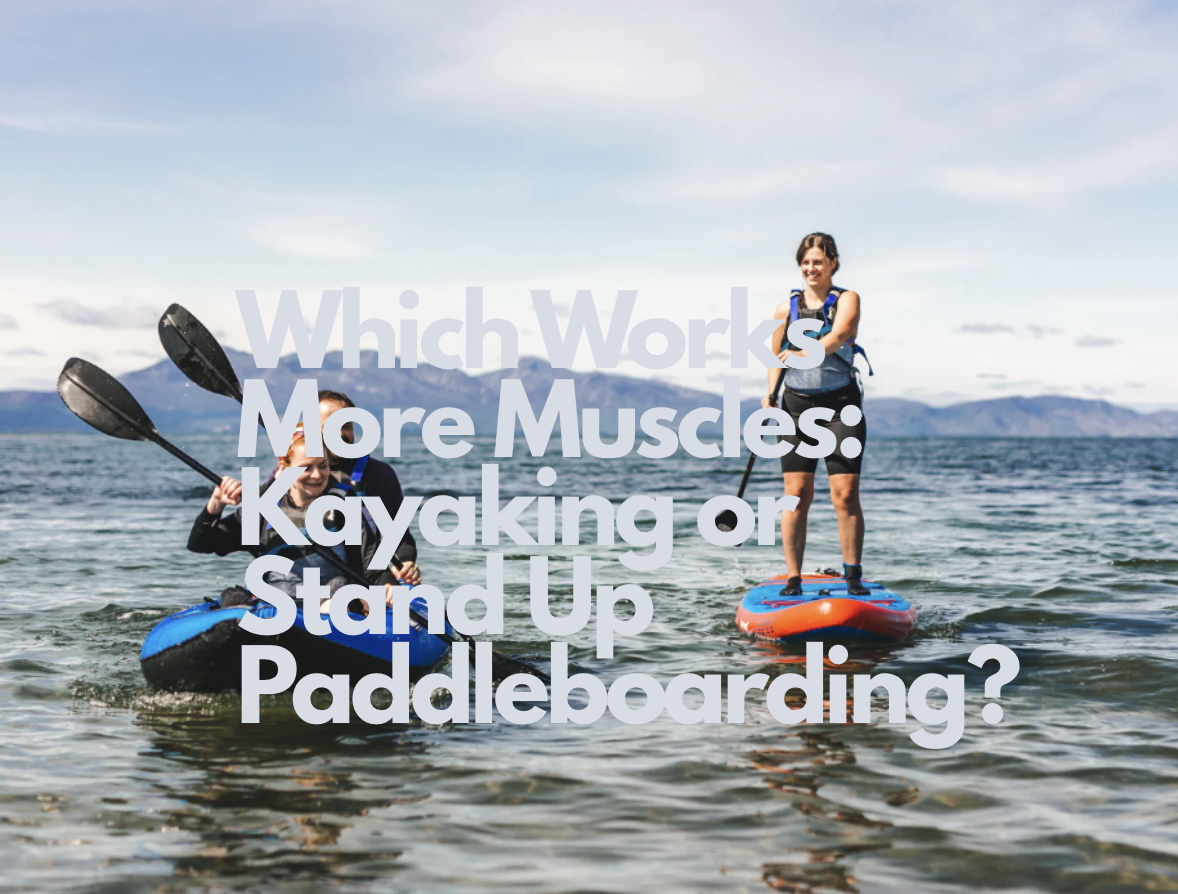
Credit: blog.lakefrontliving.com
Technique And Form Importance
Kayaking offers more than just a scenic workout. It strengthens muscles and improves fitness. Technique and form are key for maximizing these benefits. Proper technique ensures efficiency in the water. Good form helps prevent injuries. Understanding these aspects enhances your kayaking experience.
Proper Paddling Techniques
Proper paddling starts with grip. Hold the paddle with both hands, shoulder-width apart. Keep your elbows slightly bent. Ensure your core is engaged for stability. As you paddle, rotate your torso. This movement uses your core and reduces arm fatigue. Keep strokes smooth and even. This ensures a steady glide through the water.
Injury Prevention Strategies
Preventing injuries is essential for all kayakers. Warm up before hitting the water. Gentle stretches prepare your muscles. Focus on your shoulders, back, and arms. Maintain good posture throughout your session. Avoid slouching or leaning too far forward. Listen to your body. Take breaks if you feel discomfort. Strengthen key muscles off the water. Exercises like planks and rows can help. Stay hydrated and protect your skin from the sun. These simple steps keep you safe and healthy.
Mental Health And Stress Relief
Kayaking offers more than just physical benefits; it’s also a powerful tool for improving mental health and relieving stress. Whether you’re paddling through serene lakes or navigating thrilling rapids, the experience can significantly enhance your mental well-being. Let’s explore how kayaking contributes to mental health and stress relief, focusing on mindfulness, focus, and the profound connection with nature.
Mindfulness And Focus
When you’re kayaking, every stroke requires attention and precision. This naturally draws you into a state of mindfulness, where worries and distractions fade into the background. By focusing on each movement, your mind clears, offering a break from the constant chatter of daily life.
Engaging in this form of active meditation can help you gain clarity and perspective. Have you ever noticed how solutions often appear when you’re not actively searching for them? Paddling provides that mental space for ideas to flow freely.
Connection With Nature
Kayaking immerses you in nature, creating a deep connection with the world around you. The rhythmic splash of water, the rustle of leaves, and the call of distant birds can be incredibly soothing. This connection helps reduce stress levels, fostering a sense of peace and calm.
Imagine gliding through a tranquil river, surrounded by vibrant greens and blues. Such experiences remind you of the beauty and tranquility that exist beyond daily stressors. How often do you allow yourself the luxury of truly being present in nature?
By regularly kayaking, you cultivate a mental sanctuary that you can draw upon during stressful times. It’s a simple yet profound way to maintain your mental health while building physical strength.

Credit: www.youtube.com
Kayaking For Different Fitness Levels
Kayaking is not just a sport; it’s a full-body workout that can be tailored to fit your fitness level. Whether you’re a newbie or a seasoned kayaker, there’s something for everyone in the waters. The beauty of kayaking lies in its versatility, providing a balance of challenge and enjoyment for all. Have you ever wondered how paddling through serene lakes or challenging rivers can help you build muscle? Let’s delve into how kayaking can cater to different fitness levels.
Beginner-friendly Exercises
If you’re new to kayaking, starting with gentle exercises can ease you into the sport. Focus on mastering your paddle strokes and balance. These foundational skills are crucial as they engage your core and arms, helping build strength gradually. Consider paddling in calm waters where you can concentrate on technique rather than speed.
- Practice short paddling sessions, increasing duration as your stamina improves.
- Incorporate simple stretching exercises before and after paddling to avoid muscle strain.
- Use a lightweight paddle to make handling easier and reduce fatigue.
As a beginner, it’s essential to listen to your body and progress at your own pace. The key is consistency and enjoying the process. How can you make kayaking a regular part of your routine?
Advanced Techniques
For those with kayaking experience, stepping up your game involves more demanding techniques. Challenge your muscles with high-intensity paddling and advanced maneuvers. These exercises improve endurance and enhance muscle definition.
- Experiment with different strokes like the sweep stroke or draw stroke for upper body workout.
- Engage in intervals of rapid paddling followed by slow, controlled movements.
- Navigate through choppy waters or currents to test your strength and agility.
As you embrace these advanced techniques, notice how your muscles adapt and grow stronger. Think about the sense of accomplishment as you conquer tougher waters. Can these challenges push your fitness boundaries?
Incorporating Kayaking Into Fitness Routines
Kayaking engages core, arm, and back muscles, offering an effective workout. Paddling strengthens muscles while improving endurance. It’s a refreshing way to incorporate strength training into fitness routines.
Incorporating kayaking into fitness routines offers a dynamic way to build muscle. This activity combines strength, endurance, and enjoyment, making it a versatile workout. The rhythmic paddling engages upper body muscles, while balancing in the kayak works the core. Integrating kayaking into your schedule can enhance physical fitness. It can also provide a refreshing break from traditional gym routines. Below are ways to seamlessly include kayaking in your fitness journey.Scheduling Sessions
Consistency is key in any fitness routine. Plan regular kayaking sessions to see muscle growth. Start with short trips and gradually increase duration. Aim for at least two sessions weekly to maintain momentum. Consider weather conditions and daylight when scheduling. Weekend mornings are ideal for calm waters. Track progress to identify improvements and adjust schedules accordingly.Complementary Exercises
Pair kayaking with exercises that strengthen supporting muscles. Focus on activities that enhance arm and core strength. Incorporate push-ups and planks into your routine. They improve upper body endurance, aiding in paddling. Leg workouts like squats boost stability in the kayak. Stretching post-kayak prevents muscle stiffness and promotes flexibility. A balanced approach maximizes the benefits of kayaking.Frequently Asked Questions
Does Kayaking Count As A Workout?
Yes, kayaking is a workout. It engages your arms, shoulders, back, and core, enhancing strength and endurance. Regular kayaking boosts cardiovascular health and burns calories, making it an effective exercise. Enjoy nature while improving your fitness with this low-impact activity.
What Muscles Does Kayaking Activate?
Kayaking activates core muscles, including abs and obliques. It also strengthens arms, shoulders, and back muscles. Leg muscles engage for balance and support. This full-body workout enhances endurance and flexibility.
Is Kayaking A Good Core Workout?
Yes, kayaking is an excellent core workout. Paddling engages your abdominal muscles, obliques, and lower back. It improves balance and strengthens your core. Regular kayaking enhances endurance and builds muscle. Enjoy the scenic views while getting a full-body workout.
What Are The Disadvantages Of Kayaking?
Kayaking can be physically demanding, requiring strength and endurance. Weather changes pose risks like strong currents. Equipment costs can be high. Inexperience may lead to accidents or injuries. Limited storage space and transportation needs can be challenging. Wildlife encounters might be dangerous.
Proper training is essential for safety and enjoyment.
Conclusion
Kayaking offers a fun way to build muscle. It engages your arms, back, and core. Each stroke strengthens these muscles. Consistent kayaking improves endurance too. It’s not just a workout; it’s an adventure. Enjoy nature while getting fit. No need for a gym membership.
Just grab a kayak and paddle away. Perfect for those who love water and fresh air. Remember, balance is key. Combine kayaking with a balanced diet for best results. So, why wait? Start your kayaking journey today. Feel stronger and healthier.