
You’re on a mission to boost your fitness and transform your physique. You’ve heard that whey protein is a powerhouse supplement that can help you build muscle and recover faster.
But then you stumble upon the unsettling question: “Does whey protein cause diarrhea? ” This concern is enough to make anyone hesitate before adding another scoop to their shake. You’re not alone in this dilemma, and understanding the potential digestive side effects of whey protein is crucial for your health and fitness journey.
We’ll dive into the truth behind whey protein and its link to digestive issues like diarrhea. We’ll explore why this happens to some people and how you can enjoy the benefits of whey protein without the unwelcome side effects. Keep reading to discover tips and tricks to prevent digestive discomfort and make the most of your protein supplementation. Your fitness goals shouldn’t come at the cost of your comfort, and we’re here to ensure they don’t.
Whey Protein Basics
Whey protein is a popular supplement among athletes and fitness enthusiasts. It’s derived from milk and is known for its high nutritional value. People use whey protein to support muscle growth, aid recovery, and boost their overall health. But some wonder if it can cause digestive issues, like diarrhea. Understanding whey protein basics can help you make informed choices.
What Is Whey Protein?
Whey protein is a byproduct of the cheese-making process. It’s the liquid that separates from curds. This liquid is rich in protein. Manufacturers process it into powder form for easy consumption. Whey protein contains essential amino acids. These are crucial for muscle repair and growth.
Common Uses And Benefits
Whey protein is widely used for muscle building. Athletes and bodybuilders consume it post-workout for faster recovery. It helps repair muscle tissues damaged during exercise. It also supports lean muscle development. Whey protein can boost your daily protein intake. This is important for those with higher protein needs. It supports weight management by promoting satiety. People feel fuller for longer after consuming whey protein. This can help reduce overall calorie intake.
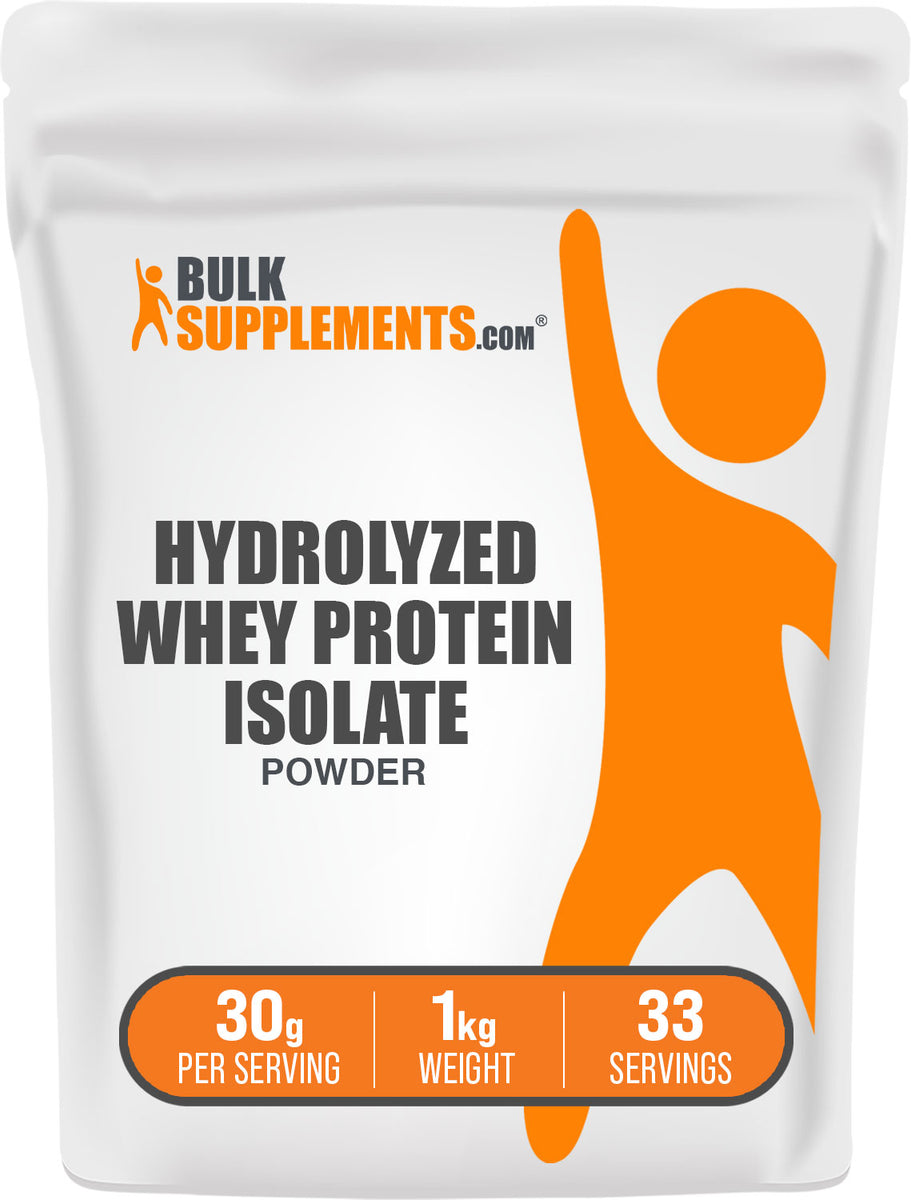
Credit: www.bulksupplements.com
Digestive Reactions To Whey Protein
Whey protein has gained popularity among fitness enthusiasts and athletes. It supports muscle growth and recovery. Some individuals experience digestive reactions to whey protein. This includes diarrhea. Understanding how whey protein affects the digestive system can help manage these reactions.
How The Body Processes Whey
Whey protein is derived from milk. It contains lactose, a sugar that some people find hard to digest. The body breaks down whey protein in the stomach and small intestine. Enzymes in the digestive tract help with this process. People with lactose intolerance may struggle with digestion. This can lead to discomfort. It’s important to know your body’s reaction to whey.
Potential Side Effects
Some people may experience side effects from whey protein. These include bloating, gas, and diarrhea. The lactose in whey protein can cause these symptoms. Individuals with lactose intolerance are more prone to these effects. Choosing a lactose-free whey protein might help. Drinking plenty of water can also aid digestion. Start with small amounts of whey protein. Gradually increase the intake to see how your body reacts.
Diarrhea And Whey Protein
Many fitness enthusiasts and health-conscious individuals consider whey protein an essential part of their diet. However, some people experience an unexpected side effect: diarrhea. You might be wondering if whey protein is to blame for your digestive woes. Let’s explore how whey protein might be connected to diarrhea and uncover whether it truly is the culprit.
Common Causes Of Diarrhea
Diarrhea can be caused by a variety of factors, ranging from dietary choices to underlying health conditions. Consuming too much caffeine or eating spicy food can upset your stomach. Stress and anxiety can also lead to digestive issues. Additionally, food allergies or intolerances, like lactose intolerance, might be the root cause of your symptoms.
Are you aware of how your body reacts to different foods? Keeping a food diary might help identify triggers that upset your stomach. Understanding these common causes can help you pinpoint whether whey protein is the real issue.
Is Whey Protein A Trigger?
Whey protein is derived from milk, which means it contains lactose. If you’re lactose intolerant, consuming whey protein could lead to diarrhea. But not all whey protein products are created equal. Some are processed to remove lactose, making them easier to digest.
Have you checked the label on your protein powder? Opting for a lactose-free whey protein or trying other protein sources like plant-based options could solve the problem. Sometimes, it’s not the whey itself but other ingredients like artificial sweeteners that cause digestive discomfort.
Before blaming whey protein entirely, consider whether you’re using it correctly. Are you consuming large amounts in one sitting? Gradually introducing protein supplements into your diet might be more beneficial for your digestive system.
Factors Influencing Digestive Issues
Whey protein is popular for muscle building and recovery. Yet, some users report digestive issues, including diarrhea. Several factors influence these digestive reactions. Understanding these can help manage or prevent discomfort.
Lactose Intolerance
Lactose intolerance can cause digestive problems with whey protein. Whey protein contains lactose, a sugar found in milk. People with lactose intolerance lack the enzyme to break it down. This can lead to bloating, gas, and diarrhea.
To reduce symptoms, choose whey protein isolate. It has less lactose than whey protein concentrate. Alternatively, opt for lactose-free protein supplements.
Dosage And Consumption Patterns
High doses of whey protein can overwhelm the digestive system. The body may struggle to process large amounts at once, leading to diarrhea. Start with small doses to see how your body reacts.
Spread your protein intake throughout the day. Smaller, frequent servings are easier to digest. Mix whey protein with water or lactose-free milk to further reduce digestive stress.
Preventive Measures
Experiencing diarrhea after consuming whey protein can be uncomfortable and inconvenient. However, by taking preventive measures, you can minimize or eliminate these symptoms. Let’s explore some practical strategies to help you enjoy the benefits of whey protein without the side effects.
Choosing The Right Whey Protein
Not all whey proteins are created equal. Some contain additives or sweeteners that might upset your stomach. Opt for a whey protein product with minimal ingredients and no artificial additives. Look for labels indicating it is lactose-free if you are sensitive to lactose.
Reading reviews can be a great way to gauge how a product affects others. You might find insights from people who have faced similar issues. A protein powder with a good balance of ingredients might be the key to a smooth experience.
Adjusting Your Diet
Sometimes the issue isn’t just the whey protein itself but how it interacts with your overall diet. If you’re consuming whey protein after a heavy meal, try taking it on an empty stomach or with a light snack. This adjustment might be just what your digestive system needs.
Consider the timing of your protein intake. Spacing out your consumption allows your body to process it more efficiently. Have you considered tracking your meals to see if certain foods exacerbate the problem? Keeping a food diary might reveal surprising patterns.
Adding fiber-rich foods to your diet can also help maintain digestive balance. Foods like fruits, vegetables, and whole grains keep your system running smoothly, reducing the likelihood of digestive distress.

Credit: www.reddit.com
Alternatives To Whey Protein
Some individuals may experience diarrhea from whey protein. Plant-based alternatives like pea, soy, and brown rice proteins are gentler on the stomach. These options provide essential nutrients without digestive discomfort.
If you’ve ever had an upset stomach after taking whey protein, you might be wondering if there are other options out there. Whether you’re lactose intolerant or just looking for something different, there are several alternatives that can offer similar benefits without the digestive discomfort. Let’s explore some of these options that could be gentler on your gut.
Plant-based Proteins
Plant-based proteins are a popular choice among those seeking a dairy-free lifestyle. Options like pea protein, rice protein, and hemp protein offer a range of amino acids necessary for muscle building and recovery. They’re easy on the stomach and often enriched with vitamins and minerals. Many people who switch to plant-based proteins notice an improvement in digestion. Have you ever tried a smoothie with pea protein? It blends smoothly and offers a creamy texture without the bloating. Plus, plant-based proteins are often hypoallergenic, making them suitable for those with food sensitivities.
Other Dairy Proteins
If you still want to stick with dairy but find whey problematic, there are other options to consider. Casein protein, another milk-derived option, digests more slowly than whey and might be easier on your stomach. This slow-release protein is perfect for a nighttime shake. Have you considered trying yogurt-based protein drinks? These options can provide protein while offering the benefits of probiotics, aiding digestion. Next time you’re at the store, check the labels to find a dairy protein that fits your dietary needs. Switching to an alternative doesn’t mean sacrificing your fitness goals. You can still fuel your body effectively while keeping your gut happy. Which protein will you choose to try next?
Expert Opinions
Expert Opinions Whey protein can cause diarrhea in some people. Experts suggest this may be due to lactose intolerance or sensitivity. Consuming smaller amounts or choosing lactose-free options might help reduce symptoms.
Whey protein is popular among fitness enthusiasts and athletes. But some report digestive issues, including diarrhea. Understanding expert opinions can help clear confusion.
Nutritionists’ Insights
Nutritionists often emphasize the importance of dosage. Consuming too much whey can overwhelm the digestive system. For some, this leads to diarrhea. They suggest starting with small amounts. Gradually increase to see how your body reacts. Choose whey protein with added digestive enzymes. This can aid in easier digestion.
Healthcare Professionals’ Advice
Healthcare professionals point out lactose intolerance as a common cause. Whey contains lactose, which some people can’t digest. They recommend trying whey protein isolate. It has less lactose compared to whey concentrate. Consulting a doctor can provide personalized advice. If symptoms persist, consider alternative protein sources. Pea or soy protein might be easier on the stomach.
Personal Experiences
Experiencing diarrhea after consuming whey protein might indicate lactose intolerance or sensitivity. Some individuals find it challenging to digest, leading to digestive issues. Exploring lactose-free options or adjusting servings could help alleviate symptoms.
Personal experiences can shed light on the complex relationship between whey protein and digestive health. Many individuals have shared their stories, offering unique insights into how whey protein affects them personally. These narratives are not just about the challenges faced but also the successes achieved.
Testimonials From Users
Across various forums and social media platforms, users have shared their encounters with whey protein. Some report experiencing mild digestive discomfort, while others mention more severe symptoms such as diarrhea. One user explained how switching to a different brand or type of whey protein improved their condition. Another found that adjusting the timing of their intake led to a more favorable experience. These testimonials highlight the importance of personalization and experimentation. Have you tried different approaches to see what works best for you?
Success Stories And Challenges
Success stories often revolve around finding the right balance. Some people discover that combining whey protein with a meal mitigates digestive issues. Others learn that starting with a smaller dose allows their body to adjust gradually. This patience often leads to better tolerance and fewer side effects. However, challenges are part of the journey too. Some individuals find that no matter what changes they make, whey protein consistently causes discomfort. This can be frustrating and may lead to exploring alternative protein sources. Have you experienced similar challenges? What adjustments could you make to improve your experience?

Credit: www.amazon.com
Frequently Asked Questions
Does Whey Protein Have A Laxative Effect?
Whey protein can cause digestive issues for some people. Its lactose content might lead to a laxative effect. Individuals with lactose intolerance are more prone to experiencing this. Consuming whey protein in moderation and choosing lactose-free options can help minimize any potential laxative effects.
Always consult a healthcare professional if symptoms persist.
Which Protein Shake Does Not Cause Diarrhea?
Opt for protein shakes with natural ingredients and no artificial additives to avoid diarrhea. Whey isolate, pea, or hemp protein are gentle on the stomach. Always check for lactose, gluten, or allergens that may trigger digestive issues. Start with small servings to test tolerance.
Why Is Whey Protein Hard On My Stomach?
Whey protein can be hard on the stomach due to lactose intolerance or sensitivity to protein concentration. Digestive enzymes may help. Always choose high-quality, easily digestible whey protein. If discomfort persists, consult a healthcare professional for personalized advice.
Can Whey Protein Cause Digestive Issues?
Yes, whey protein can cause digestive issues in some people. It can lead to diarrhea, bloating, and gas. These issues are often due to lactose intolerance or sensitivity to certain ingredients.
Conclusion
Whey protein might cause diarrhea for some individuals. Everyone reacts differently to supplements. Listen to your body and adjust intake if needed. Choose quality brands with clear ingredients. Hydration can help manage mild symptoms. Consult a health professional if issues persist.
Consider alternative protein sources if discomfort continues. Moderation is key to avoiding unwanted side effects. Keep track of your body’s responses. This helps in finding what works best for you. Remember, balance and awareness are vital for a healthy lifestyle.