
Have you ever wondered if your whey protein shake is the reason you’re feeling a bit, well, backed up? You’re not alone.
Many fitness enthusiasts and health-conscious individuals like you have pondered this very question. Whey protein is a popular supplement, praised for its benefits in muscle building and recovery. But could it be causing some unwanted side effects, like constipation? Before you reconsider your favorite post-workout drink, let’s dive into the facts.
Understanding how whey protein might affect your digestive system can help you make informed choices and keep your health on track. Read on to discover the truth about whey protein and its potential link to constipation. Your gut will thank you!
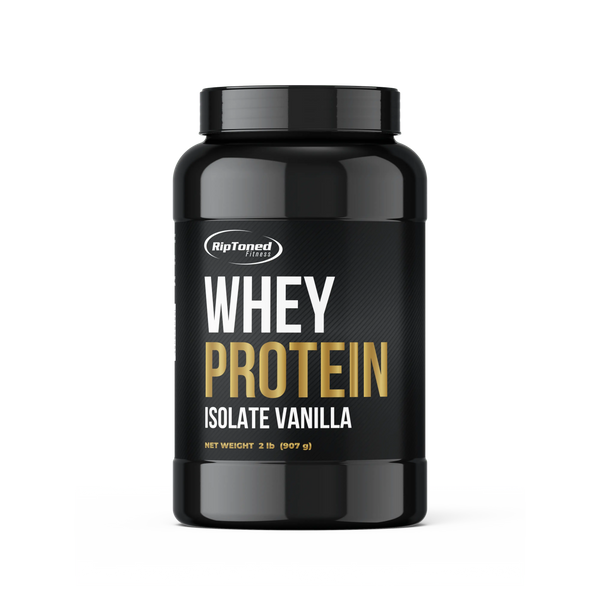
Credit: riptoned.com
Whey Protein And Digestive Health
Whey protein, while beneficial for muscle building, may cause constipation in some individuals. Drinking plenty of water and including fiber-rich foods in your diet can help reduce this effect. It’s important to monitor your body’s response and adjust your intake accordingly.
Whey protein is popular among fitness enthusiasts. It supports muscle growth and recovery. Some users report digestive issues. Constipation is a common concern. Understanding whey protein’s impact on digestion is essential.What Is Whey Protein?
Whey protein is a byproduct of cheese production. It’s a complete protein source. It contains all essential amino acids. It’s easily absorbed by the body. Its high nutritional value makes it popular.Does Whey Protein Cause Constipation?
Whey protein doesn’t usually cause constipation. Some people may experience digestive issues. Factors like hydration and diet play roles. Low fiber intake might contribute to constipation. Staying hydrated can help.How To Support Digestive Health With Whey Protein
Balance whey protein with fiber-rich foods. Include fruits and vegetables in meals. Drink plenty of water daily. Monitor your body’s response to whey protein. Adjust intake if necessary.Tips For Consuming Whey Protein Safely
Start with small amounts of whey protein. Gradually increase intake if needed. Choose high-quality whey protein products. Read labels for additional ingredients. Consult a healthcare professional if unsure.Common Causes Of Constipation
Whey protein can lead to constipation in some people due to its low fiber content. A lack of hydration and dietary fiber can exacerbate this issue, causing digestive discomfort. Adjusting your diet with more fiber-rich foods may help alleviate symptoms.
Constipation is a common issue affecting many people. It can arise due to several factors. Understanding these causes helps in managing and preventing it. Let’s explore some of the frequent culprits.Dietary Fiber Deficiency
Low fiber intake often leads to constipation. Fiber adds bulk to stools. It helps them pass easily through the intestines. Foods rich in fiber include fruits, vegetables, and whole grains.Dehydration
Lack of water can cause hard stools. Water keeps the digestive system moving smoothly. Drinking enough fluids daily is essential. Aim for at least eight glasses of water.Physical Inactivity
A sedentary lifestyle contributes to constipation. Exercise stimulates intestinal activity. Even a short walk can make a difference. Regular physical activity is beneficial for digestion.Medication Side Effects
Some medicines can slow down bowel movements. Painkillers and antidepressants are common culprits. If you suspect medication is the cause, consult your doctor.Stress And Anxiety
Stress impacts the digestive system significantly. It can slow down bowel movements. Finding ways to relax can help. Techniques like deep breathing or yoga are effective.Changes In Routine
Traveling or altering daily routines can disrupt bowel habits. The body often needs time to adjust. Maintaining a regular schedule aids in preventing constipation. Understanding these common causes provides insight into managing constipation effectively. Making small lifestyle changes can significantly improve digestive health.Role Of Dairy In Digestive Issues
Whey protein can sometimes lead to constipation. This is due to its low fiber content. Increasing water and fiber intake may help alleviate this issue.
Dairy products often play a significant role in digestive issues, affecting many individuals’ gut health and overall well-being. Whether you’re lactose intolerant, sensitive to certain dairy proteins, or simply prone to digestive discomfort, understanding how dairy impacts your system is crucial. If you’ve ever experienced bloating or constipation after consuming dairy, you’re not alone.Understanding Lactose Intolerance
Lactose intolerance is one of the most common reasons people experience digestive issues with dairy. This condition arises when your body doesn’t produce enough lactase, the enzyme needed to break down lactose, the sugar found in milk. Without enough lactase, lactose moves into your colon instead of being absorbed into your bloodstream. This can lead to symptoms like bloating, gas, and constipation.Impact Of Dairy Proteins
Whey protein, a popular supplement derived from milk, can also contribute to digestive problems. While it’s rich in essential amino acids, it may not be easily digestible for everyone. Some individuals report feeling constipated after consuming whey protein shakes. This might be due to the body’s reaction to dairy proteins or added ingredients in protein supplements.Identifying Dairy Sensitivity
Not all digestive issues stem from lactose intolerance. Some people are sensitive to the proteins found in dairy, such as casein and whey. If you notice discomfort after consuming dairy but don’t fit the typical lactose intolerance symptoms, you might have a dairy protein sensitivity. Consider keeping a food diary to track your reactions and identify any patterns.Exploring Dairy Alternatives
If dairy is troubling your digestive system, exploring alternatives might be beneficial. Plant-based milk options such as almond, soy, or oat milk can be easier on your stomach. These alternatives often provide similar nutritional benefits without the discomfort. Experiment with different types to find what suits your body best.Balancing Your Diet
Balancing your diet is key to managing digestive health. Incorporate a variety of foods rich in fiber, like fruits, vegetables, and whole grains, to help maintain regular bowel movements. Hydration also plays a crucial role in digestion. Make sure you’re drinking enough water throughout the day to support your body’s processes.Listening To Your Body
Your body often communicates its needs and discomforts. Pay attention to how you feel after consuming dairy products. If you suspect dairy is causing you digestive issues, consider speaking with a healthcare professional. They can provide personalized advice and help you navigate dietary changes.Whey Protein Composition
Whey protein can cause constipation in some people due to its lactose content. Those sensitive to lactose might experience digestive issues. Drinking enough water and consuming fiber-rich foods can help alleviate this problem.
Whey protein is popular among fitness enthusiasts. It’s known for its high-quality protein content. Understanding its composition can help address concerns, such as constipation. Here’s a breakdown of whey protein’s key components.Protein Content
Whey protein is rich in essential amino acids. It supports muscle growth and repair. Each serving contains around 20 to 25 grams of protein. This high protein content helps in building lean muscle mass. It also aids in recovery post-exercise. But excessive protein intake might slow down digestion. This could lead to constipation for some individuals.Lactose Presence
Whey protein comes from milk. It contains lactose, a natural sugar. For those with lactose intolerance, this can be an issue. They might experience digestive discomfort, including constipation. Many whey protein powders have reduced lactose levels. Isolate versions usually have less lactose than concentrate. Choosing the right type is crucial for those sensitive to lactose.Factors Influencing Constipation
Whey protein can sometimes lead to constipation due to its low fiber content. Consuming it without adequate water or fiber-rich foods may worsen digestive issues. Balancing whey intake with fruits, vegetables, and hydration helps prevent discomfort.
Understanding the factors that contribute to constipation can help manage it better. Whey protein may cause constipation in some individuals. But, multiple elements play a role in this digestive issue. Let’s explore these factors to gain clarity.Dietary Fiber Intake
Fiber plays a crucial role in digestion. It adds bulk to stools and aids bowel movements. Consuming whey protein without enough fiber can lead to constipation. Ensure your diet includes fruits, vegetables, and whole grains. These foods are rich in fiber. Balance your diet to maintain smooth digestion.Hydration Levels
Staying hydrated is vital for digestion. Water helps break down food, ensuring nutrients are absorbed. It also softens stools, making them easier to pass. Drinking enough water can prevent constipation caused by whey protein. Aim for at least 8 glasses of water daily. More if you are active or in a hot climate.Exercise And Activity
Physical activity stimulates digestion. It encourages bowel movement, reducing constipation risks. Regular exercise keeps your digestive system active. Even simple activities like walking can help. Include daily physical activities to boost digestion. This can counteract the constipating effects of whey protein.
Credit: www.instagram.com
Scientific Studies On Whey Protein
Research on whey protein and constipation shows mixed results. Some studies suggest whey protein might contribute to constipation, while others find no significant link. Individual responses can vary, making it important to monitor your body’s reaction to whey protein intake.
Scientific studies have explored the effects of whey protein on digestion. These studies aim to understand whether whey protein causes constipation. Researchers have conducted various experiments to investigate this. Several studies examine how whey protein affects the digestive system. Some research shows that whey protein is easy to digest. This means it generally doesn’t cause digestive problems for most people. Yet, individual reactions can vary. Some people may experience constipation after consuming whey protein.Protein Intake And Fiber Balance
Studies suggest a link between protein intake and fiber balance. Consuming high amounts of protein, like whey, without enough fiber might cause constipation. It’s important to maintain a balanced diet. Including fiber-rich foods can help ease digestion alongside whey protein.Effects Of Whey Protein On Gut Bacteria
Research has also looked into whey protein’s effect on gut bacteria. A healthy gut flora is crucial for smooth digestion. Some studies indicate that whey protein may positively influence gut bacteria. This could potentially reduce digestive issues, like constipation.Individual Differences In Whey Protein Digestion
Everyone’s body reacts differently to whey protein. Scientific studies often highlight this variation. Factors such as age, diet, and gut health can influence how whey protein is digested. Understanding these factors helps in managing potential digestive issues. Understanding these scientific insights can help make informed choices about whey protein.Tips For Preventing Constipation
Whey protein can lead to constipation for some. Staying hydrated helps maintain smooth digestion. Consuming fiber-rich foods like fruits and vegetables aids bowel movements.
Experiencing constipation after consuming whey protein can be an uncomfortable and frustrating situation. While whey protein itself is not a direct cause of constipation, it can contribute to digestive issues if your diet and hydration levels aren’t balanced. Understanding how to prevent constipation can make your fitness journey smoother and more enjoyable. Let’s explore some practical tips to help you maintain digestive health while enjoying the benefits of whey protein.Balanced Diet Suggestions
To prevent constipation, it’s essential to maintain a balanced diet that includes plenty of fiber. Fiber-rich foods like fruits, vegetables, and whole grains help move food smoothly through your digestive tract. Consider adding foods like apples, broccoli, and oatmeal to your daily meals. Eating a variety of nutrient-rich foods not only supports your digestive system but also enhances overall health. By balancing protein intake with other essential nutrients, you can enjoy whey protein without digestive discomfort.Proper Hydration
Proper hydration is crucial in preventing constipation. Drinking plenty of water helps soften stools and promotes regular bowel movements. Aim for at least eight glasses of water daily, adjusting as needed based on your activity level and climate. If you’re increasing your protein intake, remember that fluids are even more vital. Consider carrying a reusable water bottle with you to ensure you stay hydrated throughout the day. Could dehydration be the hidden culprit affecting your digestion? Notice how your body responds when you prioritize hydration, and adjust accordingly.Alternative Protein Sources
Whey protein can cause constipation in some people. It lacks fiber, which is essential for bowel movements. Staying hydrated and including fiber-rich foods can help maintain regularity.
Alternative protein sources provide a variety of options for those seeking to avoid whey protein. These alternatives can help prevent constipation while fulfilling your protein needs. Explore these options to find what suits your body best.Plant-based Proteins
Plant-based proteins are excellent for digestion. Common sources include lentils, chickpeas, and quinoa. They contain high fiber, aiding digestion and preventing constipation. Many people find them gentle on the stomach.Pea Protein
Pea protein is derived from yellow peas. It is easily digestible and rich in essential amino acids. Pea protein offers a smooth texture and can be added to shakes and smoothies without digestive discomfort.Rice Protein
Rice protein is hypoallergenic and suitable for sensitive stomachs. It is a good source of essential amino acids and blends well with other proteins. Many athletes prefer it for its digestibility and nutrient profile.Hemp Protein
Hemp protein is rich in omega-3 and omega-6 fatty acids. It offers a complete protein source with added health benefits. Hemp protein has a nutty flavor and can be used in baking or mixed in beverages.Egg Protein
Egg protein provides a high-quality, easily digestible alternative. It contains all essential amino acids and supports muscle growth. Egg protein powders are popular for their smooth texture and minimal digestive issues.Soy Protein
Soy protein is a complete protein source with all essential amino acids. It is plant-based and often used in vegetarian diets. Soy protein can be added to various dishes, offering flexibility and nourishment. These alternatives present diverse options, catering to different dietary needs and preferences. Each option offers unique benefits, promoting healthy digestion and providing essential nutrients.When To Consult A Healthcare Professional
Experiencing constipation after consuming whey protein might require consulting a healthcare professional. Persistent digestive issues or discomfort should not be ignored. Seeking advice can help determine the cause and find a suitable solution.
When experiencing digestive issues like constipation potentially linked to whey protein, knowing when to seek professional advice is crucial. While occasional constipation may not be alarming, persistent issues could indicate underlying problems. Consulting a healthcare professional can help you understand the root cause and find an effective solution.Persistent Digestive Discomfort
If you find yourself constantly uncomfortable after consuming whey protein, it’s time to reach out to a healthcare provider. Persistent bloating, gas, or constipation may signal that your body is reacting adversely. A professional can help determine whether it’s the whey or another dietary factor at play.Unexplained Changes In Bowel Habits
Sudden changes in your bowel habits, like severe constipation or diarrhea, warrant medical attention. These changes could suggest a more serious health concern. A healthcare professional can provide the necessary tests to diagnose any underlying conditions.Allergic Reactions
Experiencing symptoms like hives, swelling, or difficulty breathing after consuming whey protein is a red flag. These could be signs of an allergic reaction. Seeking immediate medical help is essential to prevent more serious health issues.Pre-existing Health Conditions
For those with existing health conditions, such as IBS or lactose intolerance, it’s wise to consult a healthcare professional before adding whey protein to your diet. They can guide you on how to incorporate it safely without exacerbating your condition.Consultation After Self-experimentation
Have you tried altering your protein intake or changing brands to no avail? If personal adjustments don’t alleviate your symptoms, a healthcare professional’s insight can be invaluable. They can recommend alternative supplements or dietary adjustments tailored to your needs. Remember, your health is a priority. Listening to your body and seeking professional guidance when necessary ensures you make informed decisions about your nutrition. Have you ever faced digestive issues with supplements before? How did you handle it?
Credit: riptoned.com
Frequently Asked Questions
Can Protein Whey Cause Constipation?
Yes, protein whey can cause constipation in some individuals. Lack of fiber in a high-protein diet may contribute. Drinking water and consuming fiber-rich foods can help alleviate symptoms. Always consult a healthcare professional for personalized advice.
Is Whey Protein Bad For The Colon?
Whey protein is generally safe for the colon when consumed in moderation. Excessive intake might cause digestive issues for some individuals. Always consult a healthcare provider before making significant changes to your diet. Opt for high-quality whey protein products to minimize potential risks and support colon health.
Who Should Avoid Whey Protein?
Individuals with lactose intolerance or dairy allergies should avoid whey protein. Those with kidney issues should consult a doctor before use. Pregnant or breastfeeding women should seek medical advice. People on medication should check for potential interactions. Vegans might prefer plant-based protein alternatives.
How To Avoid Constipation While Taking Protein?
To avoid constipation while taking protein, drink plenty of water and consume fiber-rich foods. Incorporate fruits, vegetables, and whole grains into your diet. Exercise regularly to stimulate bowel movements. Adjust your protein intake if needed and consider probiotics for digestive health.
Conclusion
Whey protein can cause constipation for some people. Pay attention to your body’s signals. Increase fiber intake if digestion slows. Drink enough water to aid digestion. Balance protein with fruits and vegetables. Everyone’s body reacts differently. Track your diet changes to understand effects.
Consult a doctor if constipation persists. Listening to your body helps maintain health. Adjustments can lead to better digestion. Stay informed and make mindful choices. Enjoy your fitness journey with balanced nutrition.