
Choosing the right kayak size can be a game-changer for your water adventures. Whether you’re a seasoned paddler or just dipping your toes into the sport, knowing the perfect kayak size for your needs can make all the difference.
Imagine gliding effortlessly across the water, feeling the thrill without the struggle. But with so many options out there, how do you decide? This guide is here to help you cut through the noise and find the ideal kayak size that fits your lifestyle and ambitions.
Ready to discover how to make your kayaking experience smoother and more enjoyable? Let’s dive in and find out what size kayak you truly need.
Choosing The Right Kayak Size
Consider kayak size based on your body weight and height. A longer kayak offers speed, while a wider one ensures stability. Match the kayak’s size to your skill level and intended use for optimal performance.
Choosing the right kayak size can feel like navigating through uncharted waters. With so many options available, it’s easy to feel overwhelmed. But don’t worry—selecting the perfect kayak size is all about understanding a few key factors and aligning them with your personal preferences.Factors Influencing Size
Several elements play a role in determining the ideal kayak size for you. Weight capacity is crucial; you want a kayak that can support your weight along with any gear you plan to bring. Consider the kayak’s length and width as well. Longer kayaks tend to be faster and track straighter, while shorter kayaks offer better maneuverability. Think about the type of water you’ll be paddling in. Calm lakes might suit wider, more stable kayaks, whereas narrow, swift rivers could demand a sleeker design. Storage space is another consideration—will you need room for overnight gear or just a picnic lunch?Personal Preferences
Your own preferences are just as important as the technical specs. Do you prioritize speed or stability? If you love racing across open water, a longer, narrower kayak might be your dream ride. However, if you prefer leisurely paddling with frequent stops, a shorter, wider kayak offers more stability. Consider your experience level. Beginners might feel more comfortable in a stable kayak that’s easier to control. Experienced paddlers might crave the challenge of a faster, more agile model. Reflect on your comfort too. Would you prefer a kayak with a spacious cockpit to stretch out in, or do you like a snug fit? Your choice can significantly impact your paddling experience. In the end, how do you envision your kayaking adventures? Let that vision guide you as you choose the size that fits both your needs and your dreams.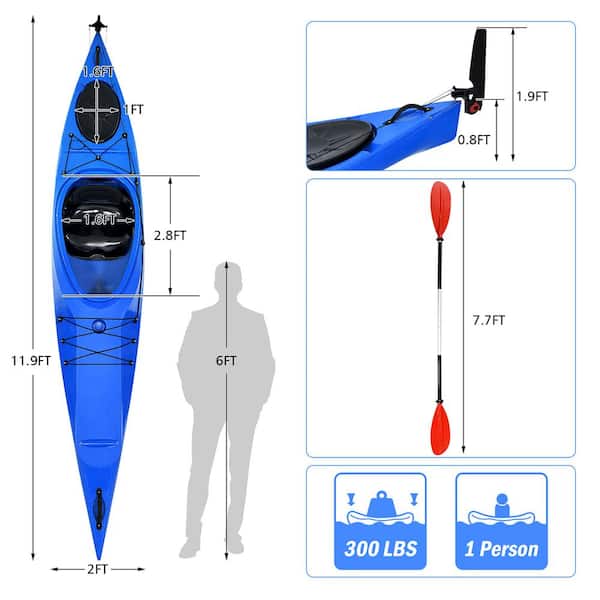
Credit: www.homedepot.com
Types Of Kayaks And Their Sizes
Choosing the right size of kayak is crucial for a seamless and enjoyable paddling experience. Different types of kayaks cater to various activities and water conditions, which makes understanding their sizes essential. Whether you’re aiming for a leisurely paddle in calm waters or seeking adrenaline-fueled rapids, knowing the specifics of each kayak type will guide you in selecting the perfect vessel. Let’s dive into the distinct types of kayaks and explore how their sizes can impact your adventure.
Recreational Kayaks
Recreational kayaks are perfect for beginners or those who enjoy casual paddling. Typically, these kayaks are wider and shorter, ranging from 9 to 12 feet in length. Their design provides stability, making them ideal for calm waters like lakes and slow-moving rivers.
Imagine a peaceful afternoon, leisurely paddling across a serene lake. The broad, stable design of a recreational kayak ensures you stay upright and comfortable. With plenty of space for your gear, you can pack a picnic and enjoy a day out on the water.
Touring Kayaks
Touring kayaks are designed for long-distance paddling and often used in more open water conditions. Generally longer, these kayaks range from 12 to 17 feet, offering greater speed and efficiency. Their sleek shape cuts through the water with ease, making them perfect for those who crave adventure.
Picture yourself gliding through coastal waters, covering miles without feeling fatigued. The longer design of a touring kayak provides better tracking, ensuring your journey is swift and direct. Consider the storage options; these kayaks often have ample room for carrying camping gear, enabling overnight excursions.
Whitewater Kayaks
Whitewater kayaks are crafted for navigating turbulent river rapids. Typically shorter and more maneuverable, these kayaks range from 6 to 9 feet in length. The compact design allows for quick turns and agile movements, crucial for navigating challenging whitewater conditions.
Visualize the thrill of tackling roaring rapids, your heart racing as you skillfully maneuver through obstacles. The responsive nature of a whitewater kayak gives you the control needed to conquer the most demanding waters. Before heading out, ask yourself: Are you ready for the exhilarating challenge that awaits?
Kayak Dimensions Explained
Choosing the right kayak dimensions is crucial for both comfort and performance on the water. Understanding the factors that influence kayak size can make your paddling experience enjoyable and efficient. Whether you’re exploring calm lakes or tackling white-water rapids, the dimensions of your kayak play a significant role in your adventure.
Length Considerations
Kayak length affects speed and tracking. Longer kayaks usually move faster and maintain a straight path, ideal for long-distance paddling. If you’re planning to explore vast waters, a kayak over 12 feet might be your best bet. However, shorter kayaks, often under 10 feet, offer better maneuverability, perfect for tight spots and quick turns.
Consider the type of water you’ll frequent. Are you tackling narrow rivers or open seas? A personal story: when I started kayaking, I chose a shorter model for its agility on winding rivers. It made a huge difference in navigating tricky turns.
Width And Stability
Width is directly linked to stability. Wider kayaks provide a stable base, great for beginners or anyone prioritizing balance over speed. Imagine standing on a wide board versus a narrow one; the wider option feels more secure.
If you’re into activities like fishing or photography, a wider kayak offers the steadiness needed for such hobbies. Think about your skill level and primary use. A friend of mine swears by his wide kayak for fishing trips, as he can comfortably cast his line without worrying about tipping over.
Weight Capacity
Weight capacity is essential for safety and performance. Overloading a kayak can compromise its stability and maneuverability. Check the manufacturer’s specifications to ensure it can handle your weight plus gear.
Consider what you’ll carry. Are you packing for a simple day trip or an overnight adventure? A kayaking trip with my gear taught me the importance of knowing your kayak’s limits. Don’t overlook this, especially if you’re planning extensive outings.
How do you envision your kayaking journey? These dimensions are more than numbers—they’re about enhancing your experience. Reflect on your priorities and choose wisely for a seamless paddle on the water.
Matching Kayak Size To Activity
Choosing the right kayak size depends on your planned activity. Shorter kayaks are ideal for whitewater adventures. Longer kayaks offer better tracking for long-distance paddling.
Matching the size of your kayak to your activity ensures a better experience. Each activity demands different kayak features for optimal performance. Whether fishing, racing, or paddling, the right size matters.Fishing
Fishing kayaks are stable and spacious. They often have extra room for gear. A wider kayak provides better balance for standing while casting. Typical lengths are between 10 to 14 feet. This size offers a good mix of stability and maneuverability. Choose a kayak with ample storage for tackle boxes and rods.Racing
Racing kayaks are long and narrow. Their streamlined design allows for speed. Most racing kayaks are over 17 feet long. This length minimizes water resistance. A narrower hull ensures fast movement through water. Racing kayaks are less stable, so experience is key.Casual Paddling
Casual paddling kayaks offer comfort and ease. They range from 9 to 12 feet long. Shorter kayaks provide better control for beginners. They are easy to transport and store. Look for a kayak that balances stability and speed. Ideal for lakes and slow rivers.Kayak Size For Different Body Types
Choosing the right kayak size is crucial for comfort and performance. Different body types require different kayak dimensions. Ensuring a good fit enhances your paddling experience. Let’s explore how height, legroom, weight, and balance influence kayak selection.
Height And Legroom
Height plays a significant role in selecting a kayak. Taller individuals need extra legroom for comfort. Kayaks with adjustable footrests are ideal for them. Shorter paddlers might find standard sizes sufficient. Check the cockpit length to ensure enough space for stretching legs.
Weight And Balance
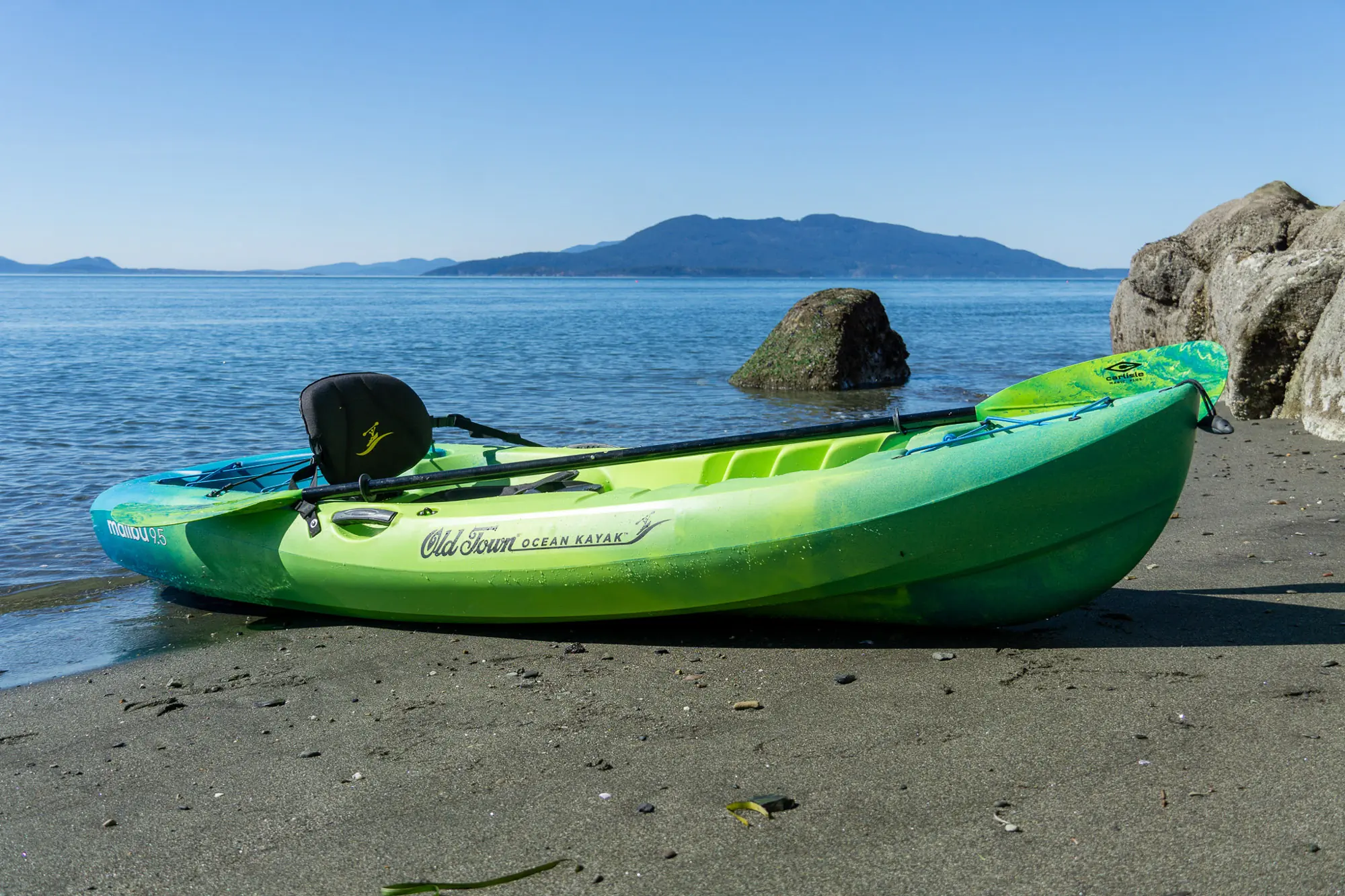
Your weight affects stability and balance on the water. Heavier paddlers need wider kayaks for better stability. Lightweight kayaks might tip easily with more weight. Consider the weight capacity to ensure safety. Balance is essential for smooth paddling and avoiding capsizing.
Credit: gearjunkie.com
Expert Tips For Selecting A Kayak
Choosing the right kayak can be a thrilling yet daunting task. With so many options available, you might wonder how to make the best choice. Here are some expert tips to guide you in selecting the perfect kayak for your adventures.
Testing Before Buying
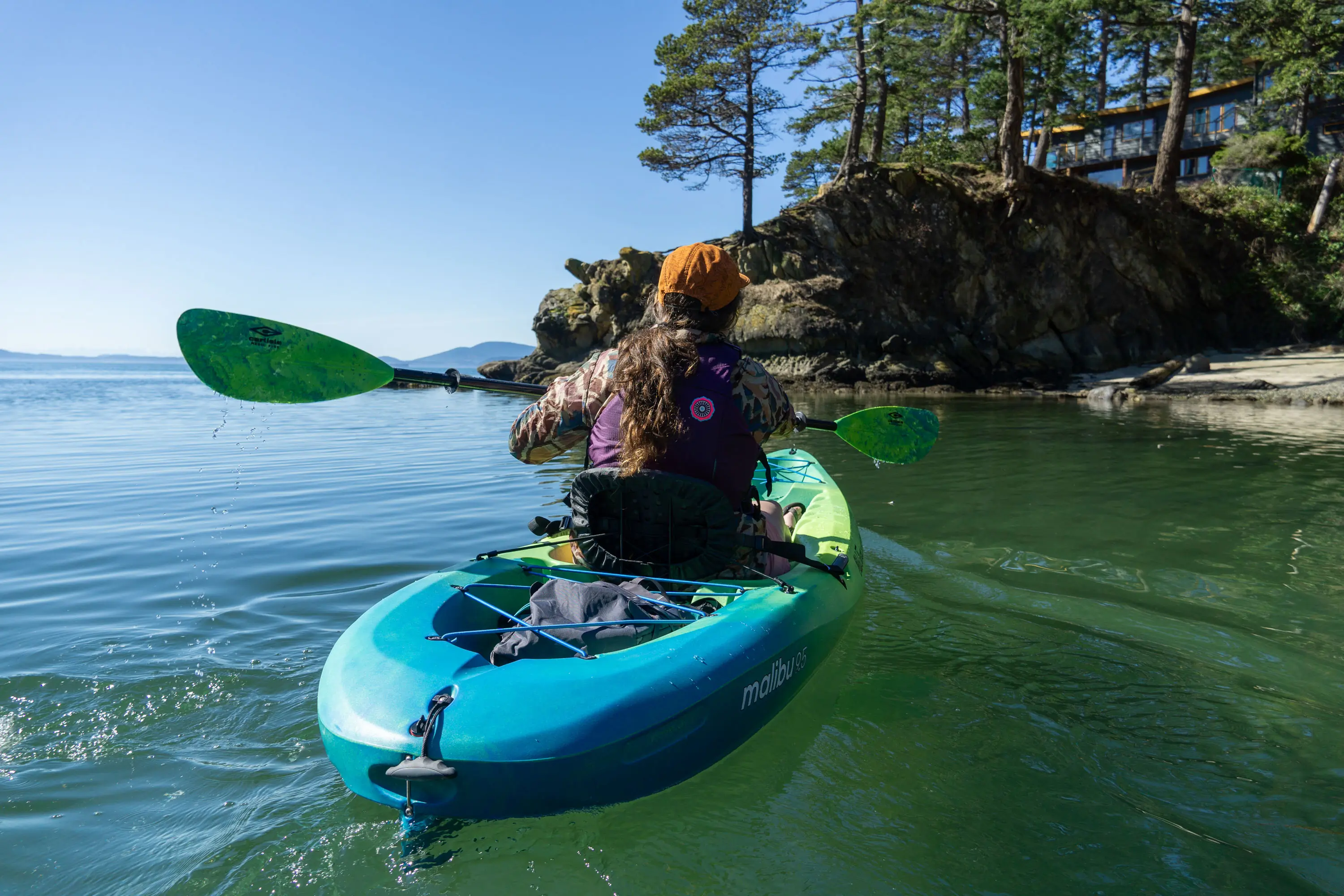
Before committing to a purchase, try out different kayaks to see what feels comfortable. Many retailers offer demo days or rentals, allowing you to paddle various models and sizes. This hands-on experience is invaluable in understanding your preferences and needs.
Consider the kayak’s stability, speed, and maneuverability during your test. Does it glide smoothly? Can you easily steer it? These factors will influence your overall experience on the water. Don’t rush the decision; take your time to test thoroughly.
Seeking Professional Advice
Consulting with a kayak expert can provide insights you might not have considered. They can help match your skill level and intended use with the right type of kayak. Whether you’re a beginner or an experienced paddler, expert advice can be crucial.
Professionals can also suggest features that enhance your kayaking experience, such as adjustable footrests or ergonomic seats. Their expertise ensures you make a well-informed choice tailored to your specific needs.
Have you thought about the type of water you’ll primarily be kayaking in? Whether it’s tranquil lakes or challenging rapids, professionals can help you find a kayak that’s perfectly suited for your adventures.
Credit: gearjunkie.com
Frequently Asked Questions
Is An 8ft Or 10ft Kayak Better?
Choose an 8ft kayak for maneuverability and easy transport, ideal for beginners and small waters. Opt for a 10ft kayak for better stability and speed, suitable for larger bodies of water and experienced paddlers. Consider your needs, skill level, and intended use to decide which kayak is better.
Is An 8 Foot Kayak Good For A 6 Foot Adult?
An 8-foot kayak can be suitable for a 6-foot adult, but comfort depends on weight and intended use. It’s ideal for calm waters and short distances. For better stability and space, consider a longer kayak. Always test for comfort and balance before purchasing.
Is A 13 Foot Kayak Too Big?
A 13-foot kayak suits experienced paddlers seeking speed and stability. It’s ideal for long trips and open waters. Beginners might find it challenging to maneuver. Always consider your skill level and intended use before choosing a kayak size.
Can A Beginner Kayak 5 Miles?
Yes, a beginner can kayak 5 miles. Start with shorter distances to build stamina and confidence. Always consider safety, weather, and water conditions.
Conclusion
Choosing the right kayak size is essential for a great experience. Consider your weight, height, and paddling style. Smaller kayaks offer easy handling. Larger ones provide more space and stability. Think about where you plan to kayak. Calm lakes or ocean waves?
Your decision impacts your enjoyment and safety. Test different sizes if possible. Comfort and confidence matter. Remember, the right kayak enhances your adventure. Ready to paddle? Start your journey with the right fit. Your perfect kayak awaits! Safe travels and happy paddling!