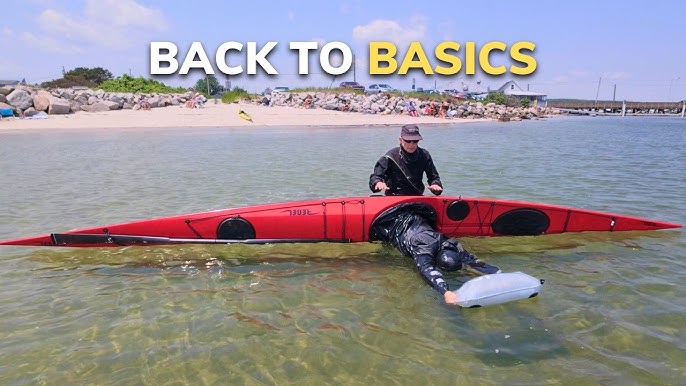
Feeling the gentle sway of the water beneath you as you paddle through serene waters can be exhilarating. But what happens when it’s time to get out of your kayak?
That moment can be a little tricky, especially if you’re new to kayaking. You might feel a bit anxious about tipping over or getting stuck. Don’t worry; you’re not alone. This guide is here to help you glide out of your kayak smoothly and confidently.
You’ll discover easy steps and practical tips to master the art of disembarking without a splash. Ready to conquer that exit like a pro? Let’s dive into the details and help you make every kayaking adventure as seamless as possible.

Credit: www.youtube.com
Preparation Before Exiting
Prepare by positioning the kayak near shallow water. Keep your paddle steady to maintain balance. Slide yourself out smoothly, using your hands for support.
Preparation Before Exiting Exiting a kayak might seem straightforward, but it’s crucial to prepare properly to ensure a smooth transition from water to land. Whether you’re a beginner or have been kayaking for years, paying attention to small details can make a big difference. Let’s explore how you can prepare before you even think about stepping out of your kayak.Assessing Water Conditions
Before you even consider exiting your kayak, take a moment to evaluate the water conditions around you. Is the water calm, or are there waves that could make it difficult to keep your balance? If you’re kayaking in a river, be aware of any currents that might pull you off course as you try to exit. Ask yourself: Is it safe to exit here, or would it be wiser to move to a calmer spot?Choosing The Right Exit Spot
Once you’ve assessed the water conditions, it’s time to choose the best spot for your exit. Look for a location with a gentle slope that allows you to easily maneuver your kayak onto land. Avoid rocky or slippery areas that could pose a risk of injury. Remember, the right exit spot not only makes the process easier but also ensures your safety.
Credit: www.facebook.com
Techniques For Exiting Safely
Exiting a kayak safely involves steady balance and patience. Grip the edge firmly as you swing your legs out. Use your arms to support yourself while standing, keeping the kayak steady.
Exiting a kayak might seem straightforward, but doing it safely requires some technique. Whether you’re paddling on a calm lake or navigating whitewater rapids, knowing how to exit your kayak properly can prevent accidents and ensure a smooth transition from water to land. Let’s explore some effective techniques to safely exit a kayak.Wet Exit Basics
A wet exit is essential if your kayak flips over in the water. Staying calm is key. – Brace Yourself: Lean forward, tuck your head, and brace your hands on the cockpit rim. – Release the Skirt: If using a spray skirt, pull the release loop to free it from the cockpit. – Push Off: Push yourself out by placing your hands on the cockpit rim and kicking your legs. Practicing this in controlled conditions can build your confidence and reflexes. Have you ever felt the rush of cold water when practicing a wet exit?Dry Exit Methods
Performing a dry exit is ideal when you’re close to shore or on calm waters. Here’s how you can do it smoothly: – Stabilize the Kayak: Position your paddle behind the cockpit, perpendicular to the kayak for stability. – Shift Your Weight: Move your weight towards the shore side, keeping the kayak balanced. – Exit with Ease: Swing your legs out one at a time onto the shore or dock and stand up carefully. This method ensures you stay dry and maintain control. Have you noticed how a stable paddle can make all the difference during a dry exit? By practicing these techniques, you can enhance your kayaking experience and ensure safety. Which method do you think you’d be more comfortable trying first?Maintaining Balance
Exiting a kayak requires careful balance. Position the kayak parallel to the shore. Slowly lift yourself up, keeping your weight centered. Place one foot on the ground, then the other, ensuring stability. Practice makes perfect for a smooth, safe exit.
Getting out of a kayak might seem daunting, especially if you’re new to the sport or dealing with a tricky exit point. Maintaining balance is crucial not just for a graceful exit, but to avoid an unexpected swim. Let’s explore how you can master this essential skill for a smooth kayaking experience.Using Paddle Support
Your paddle is more than just a tool for moving through the water—it’s also your ally in maintaining balance. When you’re ready to exit, position the paddle horizontally across the kayak, with one end resting on the shore or dock. This forms a stable tripod that supports your weight. By pressing down on the paddle, you can better stabilize yourself as you lift your body out of the kayak. Imagine the paddle as a third leg, providing extra support. Have you ever noticed how much easier it is to get out when you have that extra point of balance?Shifting Body Weight
Shifting your body weight is another key factor in maintaining balance during your kayak exit. Start by leaning slightly forward and placing your hands on the sides of the kayak for support. This helps center your weight and prevents the kayak from tipping. Move one foot at a time out of the kayak, keeping your center of gravity low. You might find it helpful to practice this motion on dry land first to get a feel for the balance. Have you ever tried this technique and noticed how much more stable you feel? By focusing on these simple techniques, you’ll find yourself exiting your kayak with confidence and grace. Whether you’re a seasoned pro or a curious beginner, mastering the art of maintaining balance is a skill worth practicing.Handling Challenging Situations
Getting out of a kayak involves stabilizing it with your paddle. Swing your legs over the side and push off gently to avoid tipping. Practice makes this process smooth and efficient.
Handling challenging situations while kayaking can be tricky. Knowing how to exit the kayak safely is crucial. It ensures your safety and enhances your kayaking experience. Whether you’re dealing with strong currents or exiting in shallow waters, each situation requires specific techniques.Dealing With Strong Currents
Strong currents can make exiting a kayak difficult. Stay calm and assess the situation first. Paddle towards a calmer area if possible. Keep your kayak facing the current. This helps maintain balance. Use your paddle to steady the kayak. Slowly move your legs out one at a time. Hold onto the kayak for stability. Once you’re ready, slide out gently. Always prioritize safety over speed.Exiting In Shallow Waters
Shallow waters can be easier for exiting. Position your kayak parallel to the shore. This makes it easier to step out. Use your paddle to balance. Place it across the kayak’s cockpit. Swing your legs over the side one by one. Let your feet touch the ground first. Push yourself up using the paddle. Stand up slowly to avoid tipping. Keep a firm grip on the kayak for stability.Safety Measures And Equipment
Wearing a life jacket ensures safety when exiting a kayak. Use your paddle for balance as you shift weight. Keep your gear dry by storing it in waterproof bags.
Safety when exiting a kayak is crucial. Proper equipment and measures prevent accidents and ensure smooth transitions. Knowing what gear to have is just as important as knowing how to use it. Each piece plays a vital role in keeping you safe on the water.Life Jacket Importance
A life jacket is your best friend. It keeps you afloat if you fall into the water. Choose one that fits snugly and meets safety standards. Always wear it, even if you are a strong swimmer. It offers support and confidence when getting out of a kayak.Emergency Gear Checklist
Carry a whistle to signal for help. A waterproof flashlight is useful in low-light conditions. Bring a small first aid kit. It should include bandages and antiseptic wipes. A multi-tool can assist with unexpected repairs. Keep a dry bag for storing valuables and essentials. Ensure your phone is in a waterproof case. These items prepare you for any emergency situation.
Credit: www.youtube.com
Post-exit Considerations
Exiting a kayak smoothly begins with positioning it parallel to the shore. Keep your balance while swinging your legs out. Stand up carefully, using your paddle for support if needed.
Exiting a kayak can be a liberating feeling, but what happens next? Post-exit considerations are crucial to ensure both your safety and the preservation of your gear. After you step out, there’s more to think about than just drying off and heading home.Securing The Kayak
Once you’re out of the kayak, the first thing you should do is secure it. This is especially important if you’re on a beach or a busy dock. A kayak left unattended can drift away or be damaged by other boats. Consider tying it to a dock or anchoring it on the shore. If you’ve paddled to a remote location, remember that tides can shift, and your kayak might not stay where you left it. Secure it with a rope or use a kayak lock if possible.Assessing Physical Condition
After a day on the water, it’s essential to assess your physical condition. Are you feeling exhausted or experiencing any aches? Listen to your body. Hydration is key, so take a moment to drink water. If you notice any soreness, gentle stretching can help alleviate tension. Reflect on your paddling technique—could it be improved to avoid discomfort next time? Taking care of your physical well-being ensures that your next kayaking adventure is just as enjoyable. Are there any adjustments you could make to your kayak setup for better comfort? By addressing these post-exit considerations, you’re not only protecting your kayak but also ensuring your own health and readiness for future adventures.Frequently Asked Questions
How Do You Exit A Kayak?
To exit a kayak, paddle near the shore and stabilize it. Shift your weight to the side and stand up. Step out of the kayak carefully, maintaining balance. Always secure the kayak to prevent drifting. Practice these steps for a smooth exit.
How To Easily Get In And Out Of A Kayak?
Position the kayak parallel to the shore. Place one hand on the cockpit and the other on the shore. Step into the kayak while maintaining balance. Sit down gently, keeping your center of gravity low. To exit, reverse the steps by stabilizing the kayak and stepping out with care.
What Is The Leading Cause Of Death In Kayaks?
The leading cause of death in kayaks is drowning, often due to not wearing a life jacket. Strong currents and unexpected capsizes contribute significantly to these incidents. Always wear safety gear and stay informed about water conditions to prevent accidents.
What Are The Three Golden Rules Of Kayaking?
The three golden rules of kayaking are: always wear a life jacket, understand your limits, and check weather conditions. Prioritize safety by staying informed and equipped.
Conclusion
Successfully getting out of a kayak boosts your confidence on water. Practice makes it easier. Start in calm water for safety. Use the right technique for balance. Stay relaxed to avoid tipping. Remember, each exit builds skill. With time, it feels natural and effortless.
Safety is key, so wear a life jacket. Encourage friends to practice too. Sharing tips improves everyone’s experience. Enjoy your kayaking adventures. Have fun exploring new waters!