Choosing the right kayak paddle can make or break your paddling experience. Imagine gliding effortlessly through the water, each stroke smooth and powerful.
The secret? It’s all in picking the perfect paddle. You might be wondering, with so many options out there, how do you find the one that suits you best? It’s simpler than you think, and we’re here to guide you every step of the way.
By the end of this article, you’ll know exactly what to look for, ensuring your next kayaking adventure is as enjoyable as it can be. Keep reading to discover how to transform your time on the water.
Choosing The Right Paddle Length
Choosing the right paddle length is crucial for an enjoyable kayaking experience. The paddle should match your height and the kayak’s width. A well-chosen paddle improves efficiency and comfort. Let’s explore the factors that influence paddle length and how your height and boat width play a role.
Factors Influencing Length
Several factors affect the choice of paddle length. Your paddling style is one of them. Touring paddlers often prefer longer paddles. Whitewater kayakers usually opt for shorter ones. The type of water body also matters. Calm lakes may require different lengths than fast rivers.
Paddle materials influence weight and feel. Lighter paddles reduce fatigue during long sessions. Heavier paddles might be more durable but tiring.
Height And Boat Width Considerations
Your height directly affects paddle length. Taller people need longer paddles for effective strokes. Shorter individuals benefit from shorter paddles. The kayak’s width is another consideration. Wider boats require longer paddles to reach the water comfortably.
Narrow kayaks allow shorter paddles for efficient maneuvering. Always test different lengths if possible. This ensures a comfortable fit for your specific needs.
Material Matters
Choosing the right kayak paddle is essential for a smooth experience. The material of your paddle directly affects performance and comfort. Different materials offer varying durability, weight, and cost. Understanding these differences helps you make an informed decision.
Fiberglass Vs. Carbon Fiber
Fiberglass paddles are popular for their lightweight nature. They offer a balance between performance and affordability. These paddles are durable and can withstand rough conditions. They are ideal for those seeking quality without breaking the bank.
Carbon fiber paddles are lighter and stronger than fiberglass. They provide excellent performance, especially for long-distance kayaking. These paddles are more expensive, reflecting their superior quality. If weight and efficiency matter, carbon fiber is a great choice.
Aluminum And Plastic Options
Aluminum paddles are affordable and durable. They are heavier compared to fiberglass and carbon fiber. These paddles suit beginners and casual kayakers. They are reliable for short trips or leisure paddling.
Plastic paddles are the most budget-friendly option. They are heavier and less efficient for serious kayaking. These paddles are perfect for beginners or recreational use. Their affordability makes them accessible to many.
Blade Shapes And Their Impact
Choosing the right kayak paddle involves more than just picking one off the shelf. One of the key factors to consider is the blade shape, as it significantly impacts your paddling efficiency and comfort. The right blade shape can enhance your kayaking experience, making it more enjoyable and less strenuous.
High Angle Vs. Low Angle Paddles
When selecting a paddle, you need to decide between high angle and low angle paddles. High angle paddles have shorter and wider blades, designed for aggressive, powerful strokes. They’re great for navigating through fast-moving water or when you need quick maneuverability.
On the other hand, low angle paddles feature longer and narrower blades, ideal for relaxed, long-distance paddling. They allow for a more leisurely pace, reducing fatigue over extended periods. Consider your paddling style and the typical conditions you encounter when choosing between these two options.
Symmetrical Vs. Asymmetrical Blades
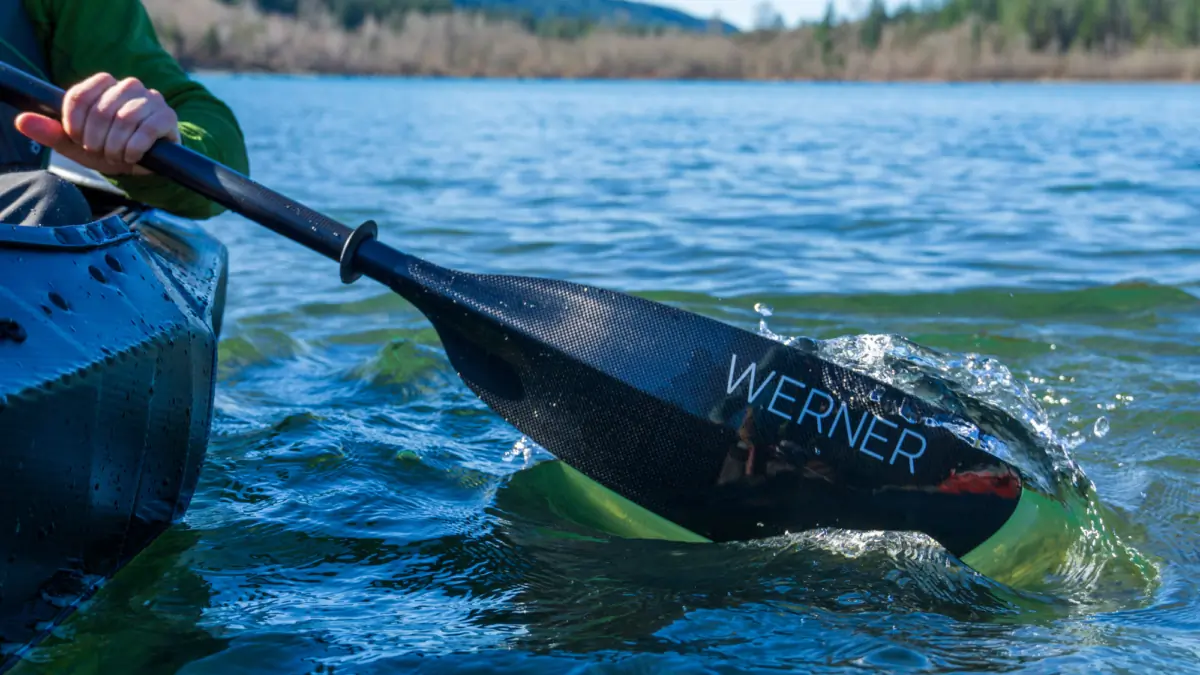
The shape of the blade itself also plays a crucial role. Symmetrical blades are uniform on both sides, making them ideal for beginners due to their simplicity and ease of use. They allow for straightforward, balanced strokes, helping you maintain a steady rhythm.
Asymmetrical blades, however, are designed with one side longer than the other. This shape optimizes the blade’s interaction with the water, providing a more efficient stroke. If you’re looking to maximize your energy output and enhance your paddling speed, asymmetrical blades might be the way to go.
Think about the type of waters you’ll be paddling in. Are you aiming for speed, or is a steady, consistent pace more your style? Your answer will guide your choice between symmetrical and asymmetrical blades.
Credit: gearjunkie.com
Shaft Types And Grip
Choosing the right kayak paddle involves several factors. One important aspect is the shaft type and grip. These features affect comfort and performance. They play a crucial role in your paddling experience. Understanding the options can help you make an informed choice.
Straight Vs. Bent Shaft
Straight shafts are traditional and widely used. They offer simplicity and are easy to control. Bent shafts, on the other hand, provide ergonomic advantages. They help maintain a natural wrist position. This can reduce strain during long paddles. Bent shafts may require an adjustment period. But many paddlers find them more comfortable over time.
Adjustable Length Shafts
Adjustable length shafts offer flexibility. They allow you to modify the paddle length. This is useful for different water conditions. It also suits various paddling styles. Adjusting the length can enhance your paddling efficiency. This option is ideal for those who kayak in diverse environments. It provides adaptability without needing multiple paddles.
Weight Considerations
Choosing the right kayak paddle involves more than just picking the first one you see. Weight considerations play a crucial role in your paddling experience. The weight of your paddle can impact your endurance, speed, and overall enjoyment on the water. Let’s dive into the benefits and trade-offs of lightweight versus heavier paddle options.
Lightweight Benefits
Imagine gliding through the water effortlessly with a paddle that feels like an extension of your arm. Lightweight paddles offer this dreamy experience, making them a favorite among seasoned kayakers. They significantly reduce fatigue, allowing you to paddle longer distances without feeling worn out.
Not only do lighter paddles help you maintain endurance, but they also enhance your speed. With less weight to move, you can increase your stroke rate, giving you a competitive edge in races or a smoother journey on a leisurely trip.
Have you ever noticed how a lighter backpack makes hiking more enjoyable? The same principle applies here. A lighter paddle means more energy for enjoying the scenery and less strain on your muscles.
Trade-offs With Heavier Options
While heavier paddles might seem cumbersome, they bring their own set of advantages. Often, they are more durable and robust, which can be crucial when navigating rocky waters or challenging conditions.
Heavier paddles can provide more power with each stroke, ideal for those who need extra force to maneuver through strong currents or windy weather. They are often preferred by kayakers who prioritize control and stability over speed.
Consider the balance between strength and endurance. Are you willing to trade off a bit of speed for the ability to tackle tougher water conditions with confidence? Your choice ultimately depends on your paddling style and goals.

Credit: www.youtube.com
Budget-friendly Choices
Choosing a kayak paddle on a budget doesn’t mean compromising quality. You can find paddles that balance affordability and performance. Focus on materials and design for a worthwhile investment. Let’s explore budget-friendly options to help you make an informed decision.
Balancing Cost And Quality
Many affordable paddles use aluminum or plastic. These materials are durable and cost-effective. Look for paddles with fiberglass-reinforced blades. They offer better performance at a reasonable price. Consider the weight and length of the paddle. A lightweight paddle reduces fatigue, improving your kayaking experience.
Popular Brands And Models
Several brands offer quality budget paddles. Pelican and SeaSense are popular for their affordability. Pelican’s lightweight models are easy to handle. SeaSense paddles often feature adjustable lengths. This flexibility makes them suitable for various kayaking conditions.
Aquabound is another brand worth considering. They provide a range of budget-friendly options. Their paddles often include features found in more expensive models. This makes them an excellent choice for budget-conscious kayakers.
Personalized Selection Tips
Choosing the right kayak paddle can be overwhelming. Personalization is key to enjoying your paddling experience. Consider factors like your height, paddling style, and the type of water you’ll explore. Finding a paddle that suits your needs will enhance your adventure.
Testing Before Buying
Try different paddles to see what feels comfortable. Visit a local store with a wide selection. Feel the weight and grip of each paddle. If possible, test them in water. This helps you understand the paddle’s performance. Pay attention to the material and length. A well-balanced paddle feels natural in your hands.
Seeking Expert Advice
Consult professionals for guidance. Experienced paddlers can offer valuable insights. They understand nuances like blade shape and shaft flexibility. Ask questions about different designs. Their knowledge can help you make informed decisions. Joining a paddling club can provide access to seasoned experts. Consider their recommendations to find the best fit.

Credit: jacksonadventures.com
Frequently Asked Questions
How Do I Choose The Right Paddle For My Kayak?
Consider your kayak’s width and your height for paddle length. Choose lightweight materials for ease. Opt for a blade shape that matches your paddling style, such as touring or recreational. Test grip comfort and ensure it fits your hands. Prioritize adjustable paddles for versatility.
What Are The Three Golden Rules Of Kayaking?
The three golden rules of kayaking are: always wear a life jacket, paddle with proper technique, and respect water conditions. Safety and skill development enhance the kayaking experience, ensuring enjoyment and security on the water.
What Size Kayak Paddle Do I Need For My Height?
Choose a kayak paddle based on your height and kayak width. For heights 5’0″ to 5’6″, a paddle length of 210-220 cm is ideal. For 5’7″ to 6’0″, opt for 220-230 cm. Those over 6’0″ should consider 230-240 cm. Adjust for kayak width accordingly.
What Makes A Kayak Paddle Better?
A better kayak paddle is lightweight, durable, and ergonomically designed for comfort. Choose materials like carbon fiber or fiberglass. Opt for adjustable lengths and feathering angles. Check blade shape for efficient strokes. Prioritize balance and grip for improved control and performance.
Conclusion
Choosing the right kayak paddle enhances your paddling experience. Consider paddle length. It affects comfort and efficiency. Material matters too. Lightweight paddles reduce fatigue. Blade shape influences speed and control. Test different options if possible. Your choice should fit your style and needs.
Remember, the right paddle makes kayaking enjoyable. Your adventure awaits with the perfect paddle in hand. Enjoy the water with confidence. Happy paddling!